Is Reiki Healing Real? A Master’s Journey to Sobriety
Is Reiki Healing Real? A 12-Year Master’s Journey from Scepticism to Sobriety
Is Reiki healing real? It’s a question whispered in wellness circles and typed into search bars by millions seeking relief. Does this gentle, hands-on energy healing practice truly work, or is it just a placebo? As a Reiki Master with twelve years of experience, I’ve explored this question from every angle. But my most profound answer didn’t come from a textbook or a scientific study; it came from using Reiki every single day to navigate my journey of quitting alcohol. This is not just a theoretical exploration; it’s a deeply personal account of how universal life force energy became the bedrock of my recovery and self-discovery.
What is Reiki? Demystifying the Universal Life Force
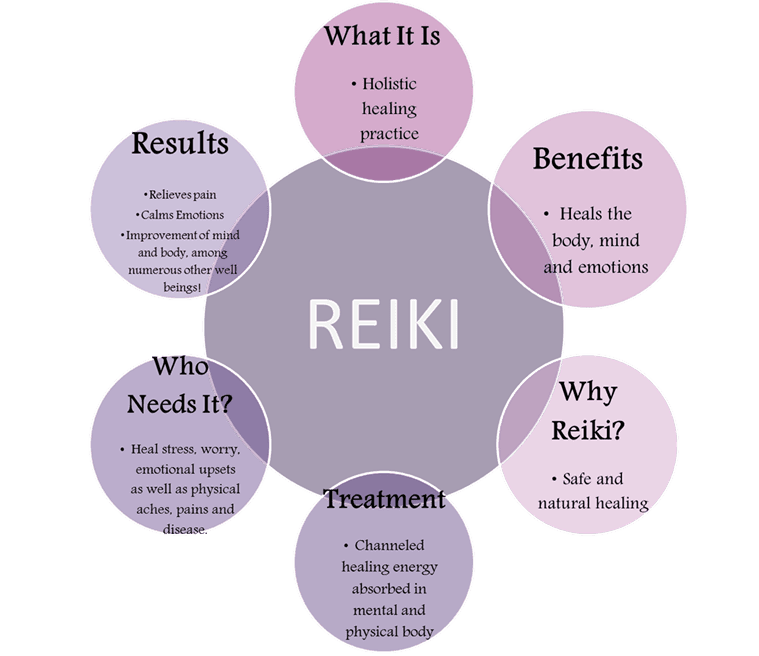
Before we can tackle the question of its reality, we must first understand what Reiki actually is, stripping away the layers of mysticism to get to its core. The word “Reiki” (pronounced Ray-Key) is Japanese, comprised of two parts: ‘Rei’, which can be translated as ‘Universal’ or ‘God’s Wisdom’, and ‘Ki’, which means ‘Life Force Energy’. It’s the same energy referred to as ‘Chi’ in Chinese acupuncture or ‘Prana’ in Indian yoga. It’s the unseen energy that flows through all living things.
Reiki is a healing technique based on the principle that a practitioner can channel this universal energy into a patient through touch, to activate the natural healing processes of the patient’s body and restore physical and emotional well-being. It’s crucial to understand that a Reiki practitioner is not the source of the healing energy; they are simply a conduit, a channel. Imagine a garden hose. The hose doesn’t create the water; it simply allows the water from the tap to flow to where it’s needed in the garden. In the same way, a practitioner who has been ‘attuned’ to Reiki simply allows this universal energy to flow through them to the recipient.
A Brief History and the Five Principles
The system of Reiki as we know it today was developed in the early 20th century by a Japanese Buddhist named Mikao Usui. After a long period of study, fasting, and meditation on Mount Kurama, he experienced a powerful spiritual awakening, where he was gifted the understanding and methodology of this healing system. He spent the rest of his life practising and teaching it.
More than just a hands-on technique, Usui’s system is a complete spiritual path guided by five simple, yet profound, ethical principles. These principles are meant to be lived daily to promote peace, balance, and spiritual growth. They are the true foundation of the practice, and for me, they became a daily mantra, especially in my journey away from alcohol.
- Just for today, I will not worry. This principle addresses the human tendency to live in a state of future-focused anxiety. Worry is an energy drain that accomplishes nothing. This principle invites us to ground ourselves in the present moment, acknowledging that this moment is the only one we truly have control over. In the context of quitting a habit, it meant not worrying about ‘forever’, but simply focusing on getting through today.
- Just for today, I will not be angry. Anger is a powerful, often destructive emotion that can poison our physical and emotional systems. This principle doesn’t ask us to suppress anger, but rather to observe it without attachment, understand its root, and let it go. It is a call for compassion, first for ourselves and then for others. It taught me to deal with the frustrations of early sobriety with patience rather than lashing out.
- Just for today, I will be grateful. Gratitude is a high-vibrational state. It shifts our focus from what we lack to the abundance we already possess. This could be as simple as gratitude for a warm cup of tea, the roof over our head, or a kind word from a friend. Practising gratitude rewires the brain for positivity and contentment, a powerful antidote to the mindset that often leads to seeking escape.
- Just for today, I will do my work honestly. This applies not just to our employment, but to all our ‘work’—our relationships, our self-care, our personal development. It means showing up with integrity, authenticity, and giving our best effort. For me, it meant being honest with myself about why I was drinking and doing the hard, honest work of healing.
- Just for today, I will be kind to every living thing. This principle fosters a sense of interconnectedness. It reminds us to act with compassion towards others, animals, and the planet. Crucially, ‘every living thing’ includes ourselves. It is a powerful reminder to practise self-compassion, to forgive our past selves, and to treat ourselves with the same kindness we would offer to a dear friend.
What Happens During a Reiki Session?
For someone new to the concept, a session can seem mysterious. In reality, it is a very simple and relaxing experience. Here’s what you can typically expect:
- Consultation: The session usually begins with a brief chat with the practitioner about your health, your lifestyle, and what you hope to gain from the session.
- Getting Comfortable: You will lie fully clothed on a massage table, usually covered with a blanket. The practitioner will ensure you are warm and comfortable. The lights may be dimmed, and soft, calming music is often played.
- The Treatment: The practitioner will gently place their hands on or just above various parts of your body, starting from the head and working their way down to the feet. There is no massage or manipulation involved. The hand positions are held for several minutes each.
- Sensations: People report a wide variety of sensations. The most common is a feeling of deep relaxation and peace. Many people fall asleep. Other common sensations include:
- A pleasant feeling of warmth or heat radiating from the practitioner’s hands.
- Tingling, vibrations, or a gentle pulsing.
- Seeing colours or images behind the eyes.
- An emotional release, such as tears or laughter, as stuck energy begins to move.
- Sometimes, people feel very little, but still report feeling refreshed and relaxed afterwards.
A full session typically lasts between 60 and 90 minutes. At its core, a Reiki session is an invitation for your nervous system to switch from its ‘fight-or-flight’ mode (the sympathetic nervous system) to its ‘rest-and-digest’ mode (the parasympathetic nervous system). It is in this state of deep relaxation that the body’s innate healing abilities are optimised.
The Sceptic’s Corner: Examining Reiki Through a Scientific Lens
So, is Reiki healing real from a scientific standpoint? This is where the conversation becomes complex and nuanced. For the hard-line sceptic, the answer is often a swift “no.” There is currently no scientific instrument that can detect or measure ‘Ki’ or ‘life force energy’. From a purely materialistic, biomedical viewpoint, a mechanism of action that cannot be measured cannot be proven to exist.
Many scientific critics attribute the positive effects of Reiki to two main factors: the placebo effect and the simple power of therapeutic touch.
The placebo effect is a fascinating phenomenon where a patient experiences real health benefits from a treatment that has no active therapeutic substance. Their belief in the treatment is so powerful that it triggers the body’s own healing mechanisms. It is not “all in your head” in a dismissive sense; it is a powerful demonstration of the mind-body connection. Sceptics argue that because people believe Reiki will make them feel relaxed and better, it does.
Therapeutic touch is also a significant factor. The simple act of a compassionate human placing their hands on another in a safe, caring environment is known to lower heart rate, reduce blood pressure, and decrease stress hormones like cortisol.
So, is that all it is? A powerful placebo combined with a relaxing hour on a massage table? While these factors undoubtedly play a role, many practitioners and recipients—myself included—believe there is something more profound at play.
What the Research Suggests
While large-scale, double-blind clinical trials for Reiki are difficult to design (how do you create a “sham” Reiki that the practitioner can’t distinguish from the real thing?), a growing body of smaller-scale studies and clinical observations points towards tangible benefits.
Many reputable medical institutions and cancer support centres in the UK and around the world now offer Reiki as a complementary therapy. They don’t offer it as a cure for disease, but as a supportive modality to help patients manage the side effects of conventional treatment.
Here’s what some of the research indicates:
- Pain Reduction: Several studies have shown that Reiki can be an effective tool for reducing pain, both chronic and acute. A 2018 systematic review found that Reiki was more effective than a placebo for pain management. Patients often report needing less pain medication after sessions.
- Anxiety and Depression: This is perhaps the most well-documented benefit. Reiki’s ability to induce the relaxation response makes it highly effective at reducing symptoms of anxiety, stress, and depression. A 2011 study on patients undergoing knee replacement surgery found that those who received Reiki reported significantly less pain and anxiety.
- Improved Well-being in Cancer Patients: Organisations like Macmillan Cancer Support acknowledge Reiki’s role in helping patients cope. It can reduce the anxiety associated with a diagnosis, mitigate the nausea from chemotherapy, and improve sleep and overall quality of life during a gruelling treatment process.
- Lowering Heart Rate and Blood Pressure: Measurable physiological effects have been observed. Studies have documented a significant drop in heart rate, blood pressure, and respiration rate in subjects receiving Reiki, consistent with a deep relaxation response.
It is vital to be clear: Reiki is not a substitute for conventional medicine. A reputable Reiki practitioner will never tell you to stop seeing your doctor or to discontinue prescribed medication. It is a complementary therapy. It works alongside medical treatment to support the whole person—body, mind, and spirit. It helps to create an internal environment that is conducive to healing.
So, while science may not yet be able to explain the how, it is increasingly observing the what. And what it’s observing is that people who receive Reiki tend to feel better, calmer, and more at peace. For someone in the throes of physical or emotional pain, that reality is far more important than a detailed mechanistic explanation.
My Anchor in the Storm: How Reiki Guided Me to Sobriety
Theory and studies are one thing. Lived experience is another. For over a decade, I practised and taught Reiki, witnessing profound shifts in my clients. I helped people manage chronic pain, find peace during palliative care, and navigate intense periods of stress. I knew it worked. But I never imagined it would become the single most important tool in my own personal crisis.
For years, I had a complicated relationship with alcohol. It was my social lubricant, my stress-reliever, my off-switch after a long day. It crept up on me, as it does for so many. A glass of wine became a bottle. A weekend indulgence became a nightly necessity. I wasn’t the stereotypical “person with a problem,” but I knew, deep down, that I was using it as a crutch and it was dimming my inner light. I felt disconnected from myself and the spiritual principles I taught.
Ten months ago, I decided I’d had enough. I wanted my clarity back. I wanted to feel my feelings without numbing them. I wanted to live with the same integrity I encouraged in my students. I decided to quit drinking, but I was determined to do it my own way.
I have always been uncomfortable with labels. The idea of adopting a label like ‘alcoholic’ for life felt disempowering to me, like a permanent brand that defined me by my past struggles rather than my future potential. My Reiki practice had taught me that we are not broken beings in need of fixing; we are whole beings who sometimes fall out of balance. My goal was not to fight a disease, but to gently and lovingly restore my own inner harmony. Reiki became my daily practice of restoration.
The Daily Practice of Self-Healing
Quitting an ingrained habit isn’t just about stopping an action; it’s about rewiring your entire nervous system and learning new ways to cope with life’s triggers. This is where self-Reiki became my non-negotiable anchor.
- Morning Meditation: Every single morning, before checking my phone or letting the world rush in, I would sit for 20-30 minutes. My practice was simple: I would activate the flow of Reiki and place my hands on my body. I always started with my hands over my solar plexus (the area of the stomach). This is an energy centre associated with personal power, self-esteem, and the ‘fight-or-flight’ response. In moments of craving or anxiety, this area would feel tight and knotted. Flooding it with Reiki energy felt like pouring a warm, calming balm directly onto the source of the agitation. The physical tension would dissolve, and with it, the mental panic.
- The Power of the Pause: Cravings are intense, visceral impulses. They feel urgent and overwhelming. My Reiki practice taught me how to create a ‘sacred pause’ between the trigger (a stressful email, the clock hitting 5 pm) and the old, automatic reaction (reaching for a drink). In that moment of intense craving, I would stop whatever I was doing, place one hand on my heart and the other on my solar plexus, and just breathe. I would channel Reiki into myself, not to fight the craving, but to soothe the part of me that was in distress. The energy would calm my racing heart and quiet the screaming voice in my head. After a few minutes, the wave of craving would pass, and I would be left with a sense of peace and empowerment. I had met my own need without resorting to the old crutch.
- Processing Buried Emotions: One of the hardest parts of getting sober is that all the feelings you’ve been numbing for years come rushing to the surface. There was grief, anger, shame, and a profound sense of loneliness. It was overwhelming. My evening self-Reiki sessions became my safe space to process this. I would lie down and place my hands on my head to soothe anxious thoughts, on my throat to give voice to unspoken truths, and on my heart to cultivate self-compassion. The Reiki energy allowed me to sit with these difficult emotions without being consumed by them. It created a container of warmth and safety where tears could flow and healing could begin. I wasn’t trying to ‘get rid’ of the feelings; I was simply holding them and myself, with kindness, until they naturally transformed.
- Living the Principles: The Five Principles moved from being concepts I taught to my lifeline. ‘Just for today, I will not worry’ became my defence against catastrophising about the future. ‘Just for today, I will be kind to myself’ was my mantra when I felt shame about the past. They provided a simple, daily framework for a life of mindfulness and self-respect, replacing the chaotic, reactive patterns of my drinking days.
Is Reiki healing real? When you use it to calm a panic attack in real-time, when you feel a physical craving dissolve under your own hands, when it gives you the strength to face deep-seated emotional pain with courage instead of a bottle—the answer becomes a resounding, undeniable ‘yes’. It didn’t magically take away the challenges, but it gave me a powerful, practical, and deeply loving tool to meet them. It was the anchor that held me steady in the stormiest of seas.
Is Reiki Right for You? Practical Steps for the Curious
If my story or the potential benefits of Reiki resonate with you, you might be wondering how to explore it for yourself. Whether you’re dealing with physical pain, emotional turmoil, or are simply curious about deepening your connection to yourself, Reiki is an accessible and gentle starting point.
Who Can Benefit from Reiki?
The short answer is: everyone. Because it works by promoting deep relaxation and balance, it can be beneficial in almost any situation. You don’t need to be ‘spiritual’ or believe in anything specific to receive its benefits. You just need to be open to the experience. It is particularly helpful for:
- Stress and Anxiety: This is the most common reason people seek out Reiki, and it is exceptionally effective for calming an overactive mind and nervous system.
- Chronic Pain Management: People with conditions like fibromyalgia, arthritis, and sciatica often find that it helps to reduce their pain levels and improve their coping ability.
- Emotional Healing: It provides a safe and supportive space to process grief, trauma, and other difficult emotions.
- Support During Illness: As mentioned, it’s a wonderful complementary therapy to support well-being during conventional medical treatment.
- Improving Sleep: Many people report deeper and more restful sleep after a session.
- Personal and Spiritual Growth: For those on a path of self-discovery, Reiki can help to clear energetic blocks and foster a deeper sense of connection and purpose.
Finding a Reputable Practitioner
The quality of your experience will depend heavily on the practitioner. Here are a few things to look for:
- Lineage and Training: Ask about their training. A practitioner should be able to trace their teaching lineage back to Mikao Usui. Ask them what level they are trained to (Level 1, Level 2, or Master).
- Experience: While a newly qualified practitioner can be excellent, someone with years of experience often brings a deeper level of wisdom and intuition to their sessions. Don’t be afraid to ask how long they have been practising.
- Professionalism: Look for a practitioner who works in a clean, professional, and calming environment. They should have a proper treatment table and create a space that feels safe and comfortable.
- Clear Boundaries: A Reiki session is not a counselling session. While you can share what’s on your mind, the practitioner’s role is to channel energy, not give you life advice. They should maintain professional and ethical boundaries at all times.
- Your Intuition: Most importantly, do you feel comfortable with this person? A good practitioner will have a calm, compassionate, and non-judgmental presence. Trust your gut feeling.
Learning Self-Reiki
Perhaps the most empowering aspect of this practice is that anyone can learn to use it on themselves. This is done by taking a Reiki Level 1 course, where a Reiki Master attunes you to the energy. An attunement is a simple, sacred process that opens your energy channels, allowing you to channel Reiki for yourself and others.
Learning self-Reiki gives you a “first-aid kit for the soul” that you can access anytime, anywhere. It’s a lifelong tool for self-care, stress management, and personal growth.
Conclusion: A Reality Defined by Experience
So, after twelve years as a Master and a life-altering journey through sobriety, what is my final answer to the question, “Is Reiki healing real?”
For me, its reality is not something to be proven in a laboratory but to be felt in the body and experienced in life. It’s as real as the calm that settles over a racing mind. It’s as real as the warmth that soothes a painful joint. It’s as real as the inner strength that allows you to choose a healthy coping mechanism over a destructive one.
Reiki is not a magic cure. It is a gentle, powerful catalyst that promotes deep relaxation, empowering your own body, mind, and spirit to do what they are naturally designed to do: heal and seek balance. It helps clear away the energetic static—the stress, the worry, the fear—so that your own inner light can shine more brightly.
Whether you call it universal life force energy, the placebo effect, or the healing power of compassionate touch, the outcome is the same: it helps people feel better. It helped me reclaim my life. And for that reason, its reality is, to me, as tangible and as vital as the air I breathe. If you are curious, I invite you to approach it not with blind faith, but with an open mind and a willing heart. You may just discover a source of peace and healing you never knew you had within you.
A Reiki Distance healing from me to you