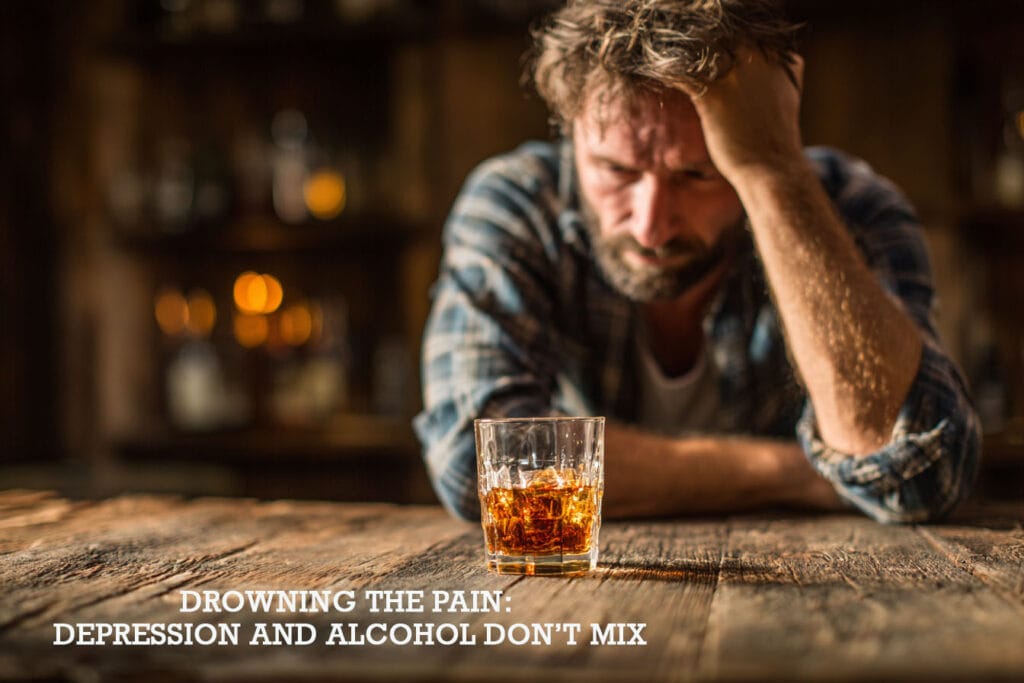
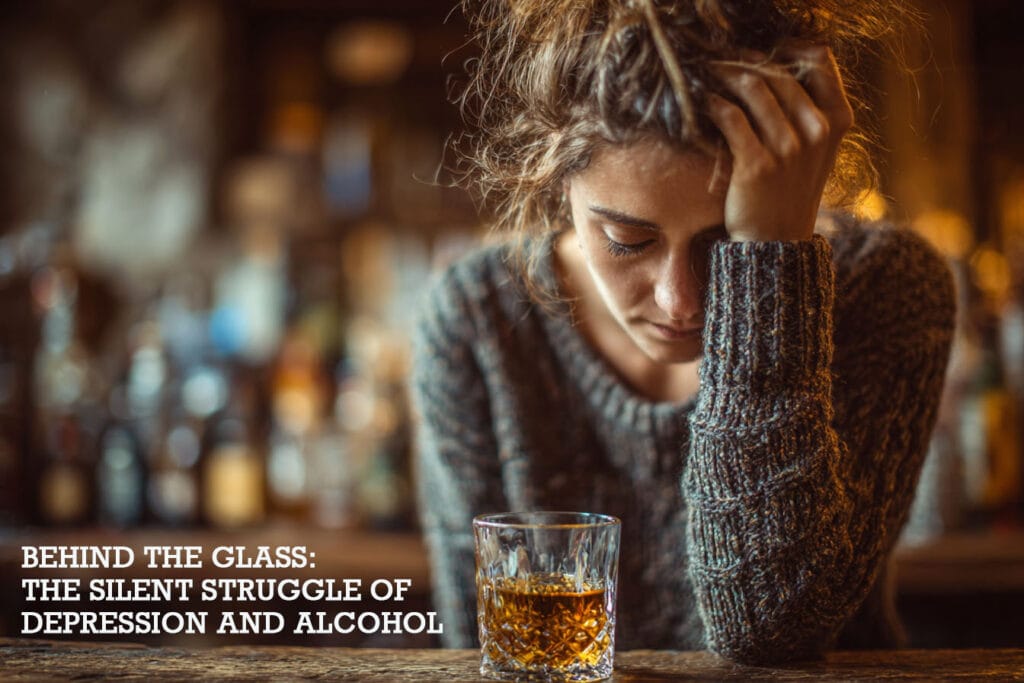
For many, the ritual is familiar. A stressful day at work, a difficult conversation, or simply the weight of unspoken worries can lead to seeking solace in the bottom of a glass. A pint at the pub, a glass of wine on the sofa; it feels like a release valve, a way to temporarily numb the sharp edges of reality. But what happens when that temporary solution becomes part of a much larger, more insidious problem? The relationship between depression and alcohol is not a simple case of cause and effect; it is a complex, bidirectional, and often devastating cycle. It’s a tangled web where each thread strengthens the other, making it incredibly difficult to see where one ends and the other begins.
This post aims to untangle that web. We will delve deep into the multifaceted connection between these two common and serious health issues. We will explore how individuals with depression may turn to alcohol as a form of self-medication and, conversely, how chronic alcohol consumption can trigger or exacerbate the symptoms of depression. We will look at the underlying neurobiology, examining what happens in the brain when these two forces collide. We will also outline the common signs of this co-occurring disorder, helping you to recognise them in yourself or a loved one. Most importantly, we will discuss the path to recovery, highlighting that while the cycle is powerful, it can be broken with the right support and treatment. Understanding this link is the first, crucial step towards reclaiming control and well-being.
The Vicious Cycle: How Alcohol and Depression Fuel Each Other
The connection between depression and alcohol is best understood not as a straight line, but as a vicious, self-perpetuating cycle. Each condition has the profound ability to worsen the other, creating a downward spiral that can feel impossible to escape. This cycle is powered by a combination of psychological coping mechanisms, neurochemical reactions, and the tangible impact these conditions have on a person’s life.
First, there is the powerful illusion of self-medication. Depression is an illness characterised by persistent low mood, feelings of hopelessness, and anhedonia – the inability to feel pleasure. These feelings are emotionally exhausting and painful. In this state, alcohol can appear to offer a quick and accessible escape. As a central nervous system depressant, alcohol can initially produce feelings of euphoria and relaxation. It can quieten the relentless inner critic, temporarily numb emotional pain, and lower inhibitions, which can feel like a blessed relief from the social anxiety that often accompanies depression. For someone struggling to get out of bed, the promise of a few hours of oblivion can be incredibly seductive. This use of alcohol to manage or numb the symptoms of a mental health condition is what experts call self-medication. However, this relief is a dangerous mirage. It is a short-term loan taken out against future mental well-being, with impossibly high interest rates.
This leads directly to the second part of the cycle: the rebound effect. The temporary mood-lifting effects of alcohol are just that – temporary. As the body metabolises the alcohol, the brain scrambles to readjust its chemical balance. This often results in a significant worsening of the very symptoms the person was trying to escape. The morning after drinking can bring not just a physical hangover, but a profound emotional one, often dubbed ‘hangxiety’. Feelings of depression, anxiety, and self-loathing can come roaring back, often more intensely than before. This is because alcohol disrupts the delicate balance of neurotransmitters like serotonin and dopamine, which are crucial for mood regulation. The initial boost is followed by a sharp dip, leaving the individual feeling even lower and more depleted. This intensified low mood then increases the craving for alcohol to numb the pain again, and so the cycle tightens its grip.
Furthermore, it is a physiological fact that alcohol is a depressant. While it may initially feel stimulating, its primary long-term effect on the brain and central nervous system is to slow things down. Chronic and heavy alcohol use can directly induce symptoms of depression, even in individuals who have had no prior history of the illness. It alters brain chemistry in a way that mimics and encourages a depressive state. This means a person might start drinking for other reasons – social pressure, habit, or stress – and find themselves developing a genuine depressive disorder as a direct consequence of their alcohol consumption. The alcohol is not just worsening a pre-existing condition; it is actively helping to create it.
Finally, the cycle is reinforced by the tangible, real-world consequences of alcohol misuse. Heavy drinking takes a toll on every aspect of a person’s life, all of which are pillars of mental stability. It can strain or destroy relationships with family and friends, leading to isolation and loneliness – key risk factors for depression. It can impair performance at work, leading to job loss and financial instability, which are major sources of stress and hopelessness. It can severely impact physical health, causing sleep disturbances, poor nutrition, and a lack of energy, all of which overlap with and exacerbate the physical symptoms of depression. As the drinker’s world shrinks and becomes filled with more problems created by their drinking, their feelings of depression deepen. This, in turn, makes the perceived need for the ‘escape’ of alcohol even stronger. Each turn of the cycle makes the next turn more likely and more severe.
The Science Behind the Connection: A Look at the Brain
To truly grasp the destructive partnership between alcohol and depression, we must look beyond the behavioural cycle and into the complex chemistry of the brain. The link is not just psychological; it is deeply rooted in our neurobiology. Alcohol directly interacts with and disrupts the very systems responsible for maintaining our mood, managing stress, and even getting a good night’s sleep.
At the heart of this interaction are neurotransmitters, the chemical messengers that transmit signals throughout our brain. Three key players in this story are serotonin, dopamine, and GABA.
* Serotonin is often called the ‘feel-good’ chemical, though its role is more complex. It is a critical regulator of mood, anxiety, sleep, and appetite. Many of the most common antidepressant medications, known as SSRIs (Selective Serotonin Reuptake Inhibitors), work by increasing the available levels of serotonin in the brain. Chronic alcohol consumption has a detrimental effect on serotonin pathways. It can reduce both the production and transmission of serotonin, effectively depleting the brain’s supply of this vital mood stabiliser. This depletion can lead directly to the core symptoms of depression: persistent sadness, irritability, and a loss of interest in life.
* Dopamine is the primary neurotransmitter of the brain’s reward system. It is associated with feelings of pleasure, motivation, and reinforcement. When you do something enjoyable, your brain releases dopamine, which makes you want to do it again. Alcohol hijacks this system. It artificially stimulates a large release of dopamine, which is responsible for the initial feelings of euphoria and pleasure when drinking. The brain, however, seeks balance. With repeated, excessive stimulation from alcohol, it starts to downregulate its dopamine system to compensate. It becomes less sensitive to dopamine, meaning that normal, healthy activities like enjoying a meal or spending time with loved ones no longer provide the same sense of pleasure. This is a hallmark of anhedonia, a core symptom of depression. The individual may then feel they need more and more alcohol just to feel ‘normal’, let alone happy, trapping them further.
* GABA (gamma-aminobutyric acid) is the brain’s primary inhibitory neurotransmitter. Its job is to calm the nervous system, reduce neuronal excitability, and promote relaxation. Alcohol enhances the effect of GABA, which is why it can reduce anxiety and make you feel relaxed and sedated. However, with chronic use, the brain adapts by reducing its natural GABA production and sensitivity. When the person stops drinking, this down-regulated GABA system leads to a state of hyperexcitability. This is the neurochemical basis for alcohol withdrawal symptoms like tremors, anxiety, insomnia, and, in severe cases, seizures. This constant state of underlying anxiety and agitation is a significant contributor to the emotional turmoil of depression.
Beyond individual neurotransmitters, chronic alcohol use wreaks havoc on the body’s stress response system, known as the Hypothalamic-Pituitary-Adrenal (HPA) axis. This axis is our central command for managing stress. When we perceive a threat, it triggers the release of hormones like cortisol. In a healthy system, this response is temporary. However, both chronic stress and heavy alcohol consumption can dysregulate the HPA axis, leaving it in a state of constant activation. This results in persistently elevated levels of cortisol. High cortisol is strongly linked to depression; it can damage brain cells in the hippocampus (a region vital for memory and mood regulation) and disrupt the very neurotransmitter systems we just discussed. In essence, long-term drinking keeps the body’s alarm system switched on, contributing to the persistent anxiety, fatigue, and hopelessness of depression.
Finally, we must consider the profound impact of alcohol on sleep. While many people use alcohol as a sleep aid, believing it helps them to nod off, it severely disrupts sleep quality. Alcohol suppresses REM (Rapid Eye Movement) sleep, which is crucial for emotional processing and memory consolidation. It also leads to more frequent awakenings throughout the night as its sedative effects wear off. This results in fragmented, non-restorative sleep. Poor sleep is not just a symptom of depression; it is a powerful cause and exacerbating factor. A sleep-deprived brain is less able to regulate emotions, make sound judgments, and cope with stress. Waking up feeling exhausted day after day erodes resilience and deepens depressive feelings, making the prospect of facing the day and resisting the urge to drink even more daunting. The science is clear: alcohol physically remodels the brain in a way that makes it more vulnerable to, and less able to recover from, depression.
Recognising the Signs: Co-Occurring Disorder Symptoms
Identifying a co-occurring disorder, also known as a dual diagnosis, can be challenging because the symptoms of depression and alcohol use disorder (AUD) often overlap and mask one another. A person’s low mood might be attributed solely to their drinking, or their drinking might be seen simply as a symptom of their depression, rather than recognising them as two distinct but intertwined conditions that both require treatment. Knowing the specific signs of each, as well as the red flags for their co-occurrence, is a vital step towards getting the right help.
It is important to remember that these conditions exist on a spectrum. Not everyone will experience every symptom, and their intensity can vary greatly.
Signs of Depression (Major Depressive Disorder)
A diagnosis of depression typically involves experiencing five or more of the following symptoms for most of the day, nearly every day, for at least two weeks.
* Persistent low, sad, or empty mood: A pervasive sense of sadness or hopelessness that doesn’t lift.
* Anhedonia: A marked loss of interest or pleasure in activities that were once enjoyed, from hobbies and socialising to work and intimacy.
* Significant changes in appetite or weight: This can manifest as either eating much more or much less than usual, leading to noticeable weight gain or loss.
* Sleep disturbances: Insomnia (difficulty falling or staying asleep) or hypersomnia (sleeping excessively) are common.
* Fatigue or loss of energy: A profound sense of being physically and mentally drained, making even small tasks feel monumental.
* Feelings of worthlessness or excessive guilt: A harsh inner critic, ruminating on past perceived failures or feeling like a burden to others.
* Difficulty concentrating or making decisions: Brain fog, indecisiveness, and memory problems are common cognitive symptoms.
* Psychomotor changes: This can be agitation (restlessness, an inability to sit still) or retardation (slowed speech and movement).
* Recurrent thoughts of death or suicide: This can range from passive thoughts that life isn’t worth living to active planning.
Signs of Alcohol Use Disorder (AUD)
AUD is a medical condition characterised by an impaired ability to stop or control alcohol use despite adverse social, occupational, or health consequences. Key signs include:
* Cravings: A strong need or urge to drink alcohol.
* Loss of control: Drinking more alcohol or for a longer period than originally intended.
* Tolerance: Needing to drink increasing amounts of alcohol to achieve the desired effect, or a diminished effect from the same amount.
* Withdrawal: Experiencing physical and psychological symptoms like shakiness, anxiety, sweating, nausea, or insomnia when cutting down or stopping drinking.
* Neglecting responsibilities: Failing to fulfil major obligations at work, school, or home due to alcohol use.
* Giving up activities: Cutting back on or abandoning important social, occupational, or recreational activities because of drinking.
* Using alcohol in risky situations: Drinking in situations where it is physically hazardous, such as before driving.
* Continued use despite problems: Persisting with drinking even when aware that it is causing or worsening physical, psychological, or interpersonal problems.
* Time spent on alcohol: A great deal of time is spent obtaining, using, or recovering from the effects of alcohol.
The Overlap: Spotting a Dual Diagnosis
When both conditions are present, the picture becomes more complex. One can easily be mistaken for the other. Is social withdrawal a symptom of depression, or is it a result of hiding the extent of one’s drinking? Is the chronic fatigue due to depression’s energy drain, or is it the constant state of being hungover or in withdrawal?
Here are some red flags that may indicate a co-occurring disorder:
* Using alcohol specifically to manage emotions: Regularly drinking to cope with sadness, anxiety, irritability, or to fall asleep.
* Worsening depression after drinking: Noticing that your mood, anxiety, and feelings of hopelessness are significantly worse the day after consuming alcohol.
* A family history of both: Genetic predispositions can exist for both depression and alcohol use disorders, increasing the risk.
* Failed attempts to treat one condition: Perhaps you have received treatment for depression, but it was unsuccessful because the underlying alcohol problem was not addressed, or vice versa.
* Dishonesty about substance use: Hiding the amount you drink from your doctor, therapist, or loved ones when discussing your mental health.
* Life problems are escalating: When both conditions are active, the negative consequences in relationships, finances, and work tend to multiply rapidly.
* Feeling trapped in a cycle: A conscious awareness that you drink because you feel bad, and you feel bad because you drink, but feeling powerless to stop it.
Recognising these patterns is not about assigning blame; it is about achieving clarity. Understanding that two separate but interconnected issues are at play is the critical insight needed to seek out a treatment plan that is comprehensive enough to address the entire problem.
The Path to Recovery: Breaking the Cycle and Finding Support
Facing a dual diagnosis of depression and alcohol use disorder can feel overwhelming, like fighting a war on two fronts. However, it is crucial to understand that recovery is not only possible but achievable. The key lies in acknowledging the need for help and pursuing an integrated treatment approach that addresses both conditions simultaneously. Treating one while ignoring the other is like trying to fix a leak in one end of a boat while a hole in the other end is still letting in water. A holistic, coordinated strategy is essential for lasting well-being.
The first step, often the most difficult, is reaching out. The stigma surrounding both mental illness and substance misuse can create powerful feelings of shame and isolation, but you do not have to navigate this alone. Your General Practitioner (GP) is an excellent and confidential first port of call. A GP can conduct an initial assessment, provide medical advice, and refer you to specialised mental health and addiction services within the NHS or the private sector. If speaking to a GP feels too daunting, confidential helplines like the Samaritans (116 123) or Mind (0300 123 3393) offer a safe space to talk and can guide you towards local resources.
Professional treatment for co-occurring disorders is multifaceted and tailored to the individual. The most effective plans typically combine several of the following components:
* Therapy (Talking Treatments): This is the cornerstone of recovery. Several therapeutic modalities are particularly effective for dual diagnosis.
* Cognitive Behavioural Therapy (CBT): CBT helps individuals identify and challenge the negative thought patterns and behaviours that fuel both depression and drinking. It teaches practical coping skills for managing cravings, handling triggers, and reframing depressive thinking.
* Dialectical Behaviour Therapy (DBT): DBT is particularly useful for those who struggle with intense emotions. It combines CBT techniques with concepts of mindfulness, distress tolerance, and emotional regulation, providing tools to manage painful feelings without resorting to alcohol.
* Motivational Interviewing: This is a collaborative counselling style that helps individuals resolve their ambivalence about change and find their own internal motivation to commit to recovery.
* Medication: Under the careful supervision of a doctor or psychiatrist, medication can be an invaluable tool.
* Antidepressants: Medications like SSRIs can help correct the neurochemical imbalances associated with depression, lifting mood and providing the mental energy needed to engage in therapy and make lifestyle changes. It is vital to be honest with your doctor about your alcohol use, as alcohol can interfere with the effectiveness of these medications and cause dangerous side effects.
* Medications for AUD: Drugs such as Naltrexone can help reduce alcohol cravings, while Acamprosate can help manage the protracted withdrawal symptoms. Disulfiram can be used to create a severe negative physical reaction to alcohol, acting as a deterrent. These are not magic bullets but can provide crucial support, especially in early recovery.
* Alcoholics Anonymous (AA): A well-known 12-step programme that offers a structured framework for sobriety and peer support.
* SMART Recovery: A secular, science-based alternative that uses cognitive and motivational tools to help people manage their recovery.
* Dual Diagnosis Anonymous: A group specifically for people dealing with co-occurring mental health and substance use issues.
* Depression and anxiety support groups can also provide valuable emotional validation and coping strategies.
Beyond professional treatment, a series of lifestyle changes and coping strategies is vital for building a robust and sustainable recovery. These actions help to rebuild the pillars of well-being that both depression and alcohol misuse erode.
* Develop Healthy Coping Mechanisms: Recovery involves learning new ways to handle stress and difficult emotions. This could include mindfulness meditation, deep breathing exercises, journaling, engaging in a creative hobby, or simply going for a walk in nature.
* Prioritise Physical Health: Regular physical activity is a potent antidepressant and a great way to manage stress. A balanced diet can help to restore nutrients depleted by alcohol and stabilise mood and energy levels. Hydration is also key.
* Establish a Sleep Routine: Re-establishing a healthy sleep pattern is critical. This means going to bed and waking up at consistent times, creating a relaxing bedtime ritual, and avoiding screens before sleep.
* Build a Sober Support Network: Nurture relationships with supportive, non-drinking friends and family. It may be necessary to distance yourself from social situations or people that are heavily centred around alcohol, especially in the early stages of recovery.
The path to recovery is rarely a straight line; there will be challenges and potentially setbacks. But with an integrated treatment plan and a commitment to self-care, it is entirely possible to break the vicious cycle of depression and alcohol. It is a journey from a tangled web of despair to a life of clarity, stability, and renewed hope.
Conclusion: A Path Forward
The link between depression and alcohol is a profoundly complex and destructive synergy. It is a cycle of self-medication that offers fleeting relief at the cost of long-term despair, driven by a cascade of neurochemical disruptions that dig the trenches of both conditions deeper. Alcohol, the false friend, promises to numb the pain of depression but instead acts as its most effective fertiliser, exacerbating every symptom and dismantling the foundations of a healthy life – from relationships and work to sleep and self-worth. Recognising the overlapping symptoms and understanding the insidious nature of this dual diagnosis is the first, most powerful act of defiance against it.
We have seen how this vicious cycle operates, how the science explains the brain’s struggle under this combined assault, and how the warning signs can manifest in a person’s life. But the most important takeaway is one of profound hope. This cycle, no matter how entrenched it may seem, is not unbreakable. Recovery is a tangible reality for millions. It begins with the courage to speak up, to reach out to a GP, a helpline, or a trusted loved one.
Effective, integrated treatment that addresses both the depression and the alcohol use disorder concurrently is the key. Through a combination of therapy, appropriate medication, peer support, and a commitment to building a healthier lifestyle, it is possible to untangle the web. It is a journey of reclaiming your brain chemistry, rebuilding your life, and rediscovering what it feels like to experience joy and peace without chemical assistance. If the story told here resonates with you or reminds you of someone you care about, let this be the moment that sparks action. Help is available, and a path forward to a brighter, healthier future exists.
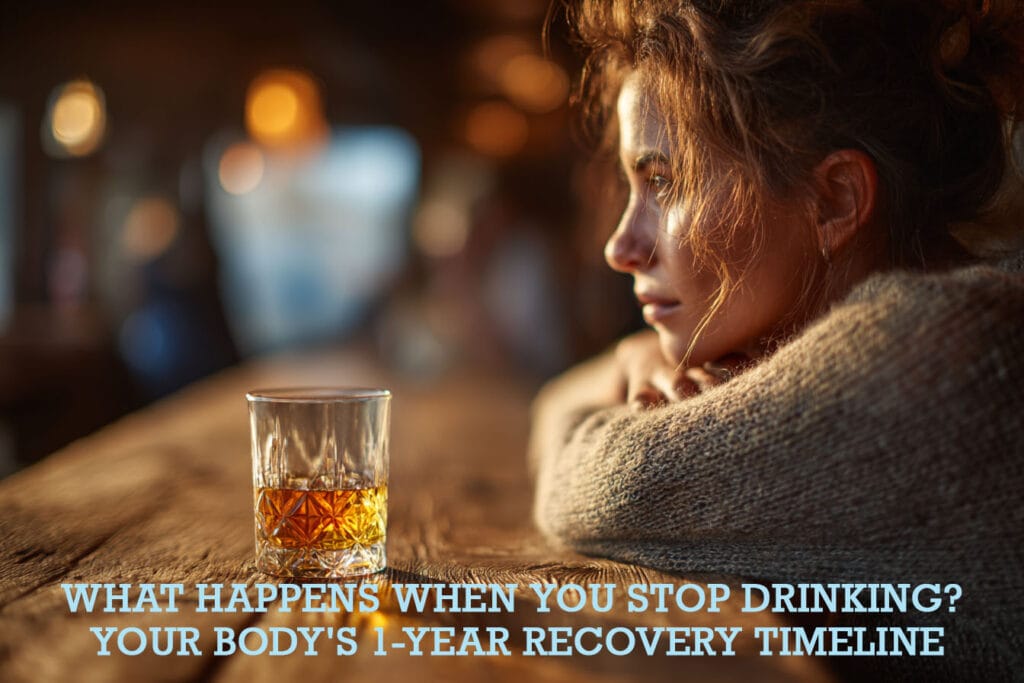
This is more than a simple health query; it is a search for a roadmap—a definitive guide to the physiological and psychological changes that begin the moment you choose abstinence. This comprehensive guide provides that roadmap, detailing the precise timeline of recovery, from the immediate detoxification phase to the profound, long-term reversal of disease risk.
For those seeking powerful motivation, the data is clear: the most common search query driving action is “reasons to stop drinking alcohol,” commanding a high commercial value. By understanding the step-by-step recovery process, you move beyond the abstract idea of “better health” and gain the concrete milestones needed for sustained sobriety.
⚠️ Important Medical Advisory: Prioritise Safety
For individuals who have been drinking heavily for a prolonged period, abruptly stopping can trigger a potentially painful and life-threatening process known as withdrawal.
Minor withdrawal symptoms, such as anxiety and irritability, typically begin around six hours after the last drink and peak between 18 and 24 hours. However, severe withdrawal can include seizures or Delirium Tremens (DTs). If you are a heavy or dependent drinker, it is critical to seek immediate medical guidance to plan a safe recovery. Doctors can prescribe medications to mitigate severe withdrawal symptoms and ensure the detoxification process is safe and less distressing.
Addressing the high-value intent cluster around why you should stop drinking requires focusing on tangible, life-changing outcomes that span physical health, mental well-being, and financial freedom.
1. Reversing Chronic Disease Risk
Alcohol is a known carcinogen, contributing to or causing seven different types of cancer, including those affecting the mouth, throat, liver, and breast. Furthermore, long-term consumption is a major risk factor for chronic diseases such as heart disease, stroke, and Type 2 diabetes.
By stopping alcohol consumption, you immediately begin the process of decreasing your risk for these devastating, life-shortening conditions. Sustained abstinence is recognised as the most effective approach for repair and regeneration, particularly for individuals with alcohol-related liver problems.
2. The End of “Hangxiety” and Enhanced Mental Stability
The psychological dip—often referred to as “hangxiety” or “the fear”—that follows a night of heavy drinking is a common experience, directly linked to alcohol’s effect on neurotransmitters. This alcohol-induced anxiety and feelings of depression are eliminated with sobriety.
Quitting alcohol allows the brain’s chemistry to normalise, leading to a long-term increase in mood stability and significant improvements in pre-existing symptoms of anxiety and depression.
3. Financial Freedom: Calculating Your Savings
Users frequently seek information on the “financial benefits of quitting alcohol calculator” because the monetary cost of drinking is substantial.
For even a moderate drinker, cessation can result in significant savings. A saving of £150 or €150 per month, for example, could be reallocated toward a major life goal, such as an annual family holiday or reducing a 30-year mortgage by several years. Quitting transforms an expense into a powerful investment in your future.
Section II: The Complete Physiological & Psychological Recovery Roadmap
The stopping drinking benefits timeline is the most effective way to track progress and maintain momentum. Understanding when specific changes occur answers the critical question: “How long after quitting alcohol do you feel benefits?”
This chronological roadmap details the body’s recovery, distinguishing between initial detox, short-term improvements, and long-term systemic repair.
Days 0–3: The Initial Detox and Clarity Gains
Timeframe
Key Physiological Change
Observable Benefits & Experience
0–24 Hours
Alcohol fully leaves the body; Minor withdrawal symptoms (anxiety, irritability, trouble sleeping) begin.
For casual drinkers, minor hangover symptoms dissipate; small gains in mental clarity are noticeable.
Day 1–3
The liver begins its immediate healing and repair process; Blood sugar levels may stabilise.
Energy levels start to improve as the body isn’t processing toxins; moodiness is common due to withdrawal.
For dependent individuals, the initial 72 hours are defined by potential withdrawal, necessitating professional medical oversight. However, regardless of prior consumption level, the body initiates immediate repair. The digestive system begins to settle, and initial inflammation starts to subside.
Week 1 (Day 4–7): Stabilisation and The Sleep Reset
As minor withdrawal symptoms peak and then subside by day four or five, the body enters a phase of stabilisation.
One of the most immediate and profound benefits is the improvement in sleep quality. While alcohol may initially induce sleep, it severely disrupts the crucial REM (Rapid Eye Movement) cycle, leading to fragmented rest. Within the first week, improved sleep patterns lead directly to increased energy levels, enhanced mental clarity, and improved daily well-being.
1 Month (30 Days): Visible Transformation and Organ Recovery
The 30-day mark is a critical milestone, often highlighted by challenges like Dry January and targeted searches like “benefits of quitting alcohol for 30 days”.
Key Changes by 30 Days
Detail and Impact
Skin Health (The “Glow”)
Enhanced hydration reverses alcohol’s dehydrating effects, resulting in improved skin appearance, reduced puffiness, and a noticeable “glow”.
Organ Function
Liver function indices and blood pressure typically begin to return toward normal for most people. Initial repair of the stomach lining and liver starts.
Weight Management
Measurable calorie reduction. If consuming six glasses of wine per week, this could equate to saving over 3,840 calories in a month, leading to weight loss potential.
Mental Health
Cravings should lessen, and initial improvements in mood and reduced “hangxiety” stabilise.
Within 30 days, the positive effects are often visible, serving as powerful motivation for continued abstinence.
3–6 Months: Deep Systemic Healing and Cognitive Enhancement
After the initial rush of rapid change, the body moves into a phase of deep systemic healing.
Liver and Heart Health: Liver repair is well underway and stabilising. The cardiovascular system also benefits significantly, with improved blood pressure and a heart that functions more efficiently.
Cognitive Function: Memory performance and concentration improve substantially. Individuals report better decision-making abilities and increased productivity.
Fitness Levels: Increased energy and improved sleep combine to boost fitness levels more quickly than before, creating a positive knock-on effect on daily life.
Immune System: A better-functioning liver and improved nutritional status contribute to a stronger immune system.
1 Year and Beyond: Long-Term Protection and Wellbeing
This long-term commitment solidifies the most significant health gains, particularly addressing the long-term benefits of stopping alcohol”.
The risk of developing alcohol-related cancers and chronic diseases—such as heart disease and stroke—decreases substantially. Metabolically, cholesterol levels often improve as the liver functions more efficiently. Furthermore, long-term sobriety enhances brain function and memory, while significant improvements in anxiety and depression symptoms are often observed and sustained.
Finally, achieving and maintaining control over an addictive substance like alcohol is a major accomplishment that naturally boosts self-esteem and creates the opportunity to establish a new, healthier lifestyle and routines.
Section III: Deep Dive—Targeting Specific Organ & Life Benefits
The high volume of prepositional search queries demonstrates a focused interest in how abstinence affects specific parts of the body and life.
1. The Brain: Clarity, Memory, and Focus
The long-tail keyword “benefits of quitting alcohol on the brain” highlights the demand for cognitive information. Alcohol disrupts the brain’s delicate balance, impacting memory performance and complex decision-making.
Quitting allows these effects to reverse. People notice:
Enhanced Memory: Memory performance improves significantly over time.
Mental Clarity: Cognitive function continues to develop, resulting in better concentration and enhanced decision-making abilities.
Mood Stability: The roller-coaster of alcohol-induced mood swings disappears, leading to sustained mood stability.
2. Skin Health: The Visible Benefits
Addressing “benefits of quitting alcohol for your skin”, the change is often rapid and visible within the first few weeks.
Alcohol is a diuretic and a major inflammatory agent. By quitting:
Reduced Inflammation: Quitting can ease alcohol-related skin conditions such as rosacea and psoriasis, resulting in a healthier, clearer complexion.
The Sober Glow: The combination of better hydration and reduced inflammation gives the skin a noticeable, healthy “glow”.
3. Liver Health: Fatty Liver and Regeneration
The benefit of quitting alcohol for those “with fatty liver” is arguably the most critical and medically undisputed. Total abstinence is recognised as the most effective approach for the liver to repair and regenerate itself.
Within months, the liver’s ability to repair itself progresses substantially, and for many, liver function indices return toward normal within 30 days.
4. Relationships and Social Life
Abstinence often yields surprising benefits in interpersonal dynamics, addressing the intent for “benefits of quitting alcohol for relationships”.
Quality Time: A healthier relationship with alcohol means more quality time with loved ones and the chance to bond over different, non-drinking activities.
Reduced Conflict: Drinking less, or stopping completely, can lead to fewer arguments and less tension at home.
New Experiences: Focusing energy away from alcohol opens the door to new interests, hobbies, and social connections that do not revolve around drinking.
Section IV: The Definitive Choice—Abstinence vs. Moderation
A significant cluster of user queries focuses on comparing quitting alcohol vs cutting down. Providing definitive, up-to-date guidance on this debate is essential for establishing authority.
The Evolving Science of Moderation
For decades, the idea that light drinking—perhaps one drink per day—could be cardio-protective or reduce the risk of diabetes was a popular scientific consensus. However, this view is increasingly challenged by contemporary medical research.
Newer, extensive studies strongly suggest that even small amounts of alcohol intake may have negative cognitive effects down the line. Recent data involving hundreds of thousands of adults indicates that even light alcohol consumption can increase dementia risk. The accumulating evidence is shifting the professional consensus, suggesting abstinence is the safer long-term strategy, particularly when focusing on cognitive health.
Why Total Abstinence Provides the Broadest Gains
When comparing the efficacy of different goals, total cessation is often the most successful strategy.
Research shows that individuals who set a clear goal of total abstinence are significantly more likely than those who focus only on moderation to achieve a sustained low-risk drinking status. Setting a firm goal of quitting provides a clearer pathway for achieving the broadest possible health gains.
Health Outcome
Total Abstinence (Quitting)
Moderation (Low-Risk Drinking)
Scientific Consensus
Cognitive Health/Dementia Risk
Risk reduction; Enhanced memory and clarity over time.
Recent research suggests risk may increase even with light consumption.
Abstinence is likely the safest long-term path for cognition.
Liver Health
Most effective strategy for repair and regeneration, especially for existing issues.
Total abstinence is highly recommended for liver issues.
Historically linked to cardio-protection, but newer data strongly question this benefit.
Achieving Low-Risk Status
Individuals setting abstinence goals are significantly more likely to succeed.
Goals of moderation alone result in lower success rates.
Abstinence goals show higher efficacy in sustained reduction.
Cardiovascular Health
Safest long-term strategy for mortality risk.
Historically linked to cardio-protection, but newer data strongly questions this benefit.
Abstinence is likely the safest long-term strategy.
When Quitting is Non-Negotiable
Quitting is strongly advised if any of the following conditions apply:
You have an Alcohol Use Disorder (AUD) or are experiencing symptoms.
You have tried cutting down, but cannot stay within the limits you set.
You have a physical or mental health condition that is being caused or worsened by drinking.
You are taking medication that interacts negatively with alcohol.
You are or might be pregnant.
Conclusion: Take Control and Start Today
The decision to quit drinking is one of the most proactive and powerful choices you can make for your long-term health, happiness, and financial security. The body is a remarkable mechanism, and as the recovery timeline shows, it begins healing immediately—within hours, not months.
From the noticeable physical changes in your skin and weight within 30 days, to the profound long-term protection for your heart and brain, the benefits of abstinence are comprehensive and cumulative. You are not simply subtracting a substance; you are adding clarity, energy, stability, and longevity to your life.
Where Can I Find Support to Quit Alcohol?
The journey to sustained sobriety does not need to be taken alone. One of the most common questions is “Where can I find support to quit alcohol?”. If you are ready to take the next step or need professional help, resources are available:
Consult a healthcare professional or primary care physician to discuss a safe recovery plan, especially if you anticipate withdrawal symptoms.
Seek counselling services or professional treatment options appropriate for your level of dependence.
Join local or online support groups. Joining a support group or seeking counselling is often recommended during the Day 7 to 1 Month period of stabilisation.
By embracing this recovery roadmap, you are not just seeing what happens when you stop drinking—you are actively creating a healthier, more fulfilling life.
What happens when you stop drinking? Resources
Download the Free 7-Day Kickstart Guide
Quit drinking without rehab, fluff or bullshit.
This guide walks you through the first 7 days — cravings, identity collapse, mindset rewires and all.
Written by someone who drank for 45 years and finally stopped.
Energy-boosting foods midlife. Do you remember a time when your energy felt boundless? When did the ‘afternoon slump’ become something that happened to other people? For many of us navigating midlife, that vibrant, effortless energy can feel like a distant memory. It’s often replaced by a persistent fatigue that a strong cup of coffee can no longer fix. This pervasive tiredness isn’t just a normal part of getting older; it’s a signal from your body that something is amiss.
In our modern world, the go-to advice for an energy boost often involves quick-fix carbohydrates, sugary ‘energy’ drinks, or ultra-processed snack bars. These might provide a fleeting spike, but they inevitably lead to a crash, leaving you feeling worse than before. They are the metabolic equivalent of pouring petrol on a fire – a bright, fast flame that quickly dies out, leaving only embers. This cycle of sugar highs and lows is particularly draining during midlife, a time when our hormones are in flux and our bodies are becoming more sensitive to metabolic stress.
But what if there was a different way? A path back to sustained, resilient energy, rooted in the wisdom of our ancestors. This guide isn’t about calorie counting or restrictive dieting. It’s about nourishment. It’s about ditching the inflammatory, nutrient-poor products that line supermarket shelves – the wheat, the seed oils, the processed chemical concoctions – and embracing the powerful, energy-giving potential of real, whole foods.
We will explore the foundational principles of a Paleo, Keto, and Ancestral way of eating, focusing specifically on energy-boosting foods for midlife. We’ll delve into the science of how nutrient-dense animal products, healthy fats, and carefully chosen plants can rebuild your cellular energy from the ground up, balance your blood sugar, and give you back the vitality you deserve. Prepare to rediscover your spark and learn how to fuel your body for a vibrant second act.
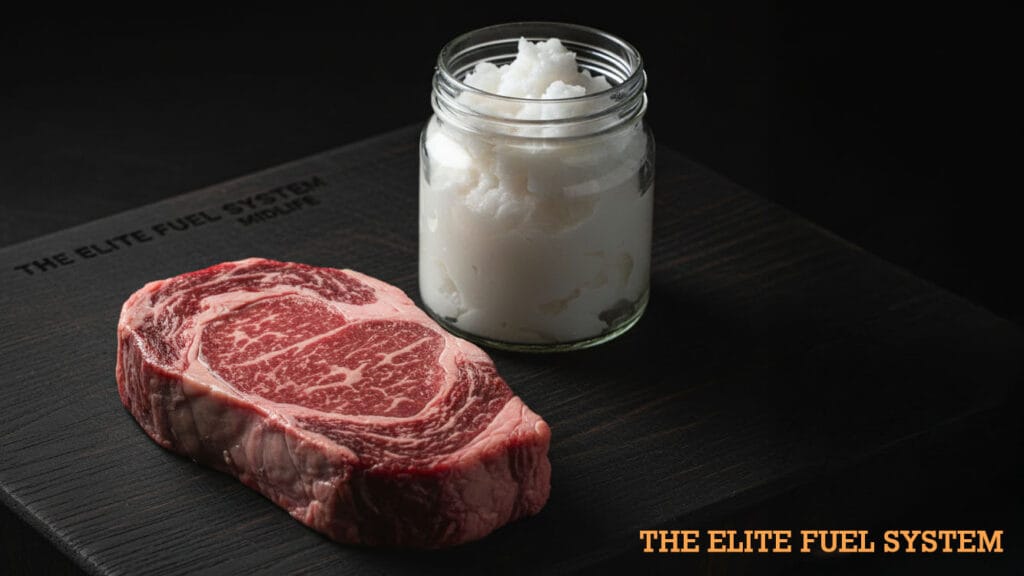
The cornerstone of an ancestral approach to reclaiming energy lies in what our predecessors prized above all else: nutrient-dense animal foods, consumed from nose to tail. For generations, we have been told to fear red meat and saturated fat, pushing us towards lean protein and plant-based alternatives. However, this advice has coincided with a dramatic rise in chronic fatigue and metabolic issues. To truly supercharge your cellular batteries, you must return to the most bioavailable sources of energy-critical nutrients on the planet.
– Ruminant Meat: The Powerhouse of the Pasture
Grass-fed beef, lamb, and bison are not just sources of protein; they are multi-nutrient powerhouses. Unlike their grain-fed counterparts, animals raised on pasture provide a superior nutritional profile. They are rich in high-quality, complete protein, which is essential for maintaining muscle mass – a key factor in metabolic health and energy levels, especially as we age.
More importantly, these meats are packed with nutrients vital for the Krebs cycle, your body’s primary energy production process. These include:
– Iron: Specifically, haem iron, the form most easily absorbed and utilised by the body. Iron is a critical component of haemoglobin, the protein in red blood cells that transports oxygen from your lungs to your tissues. Low iron means poor oxygenation, which directly translates to physical and mental fatigue. A 150g serving of grass-fed steak provides a significant portion of your daily iron needs.
– Vitamin B12: This vitamin is exclusively found in animal products and is absolutely non-negotiable for energy. It’s essential for forming red blood cells, neurological function, and DNA synthesis. A B12 deficiency is a common cause of profound fatigue and weakness. Plant-based diets require supplementation for this reason, but consuming red meat provides it in its most natural form.
– Zinc: This mineral acts as a cofactor for hundreds of enzymes in the body, including those involved in energy metabolism. It also plays a crucial role in thyroid function and hormone regulation, both of which are intrinsically linked to your energy levels in midlife.
– Organ Meats: Nature’s Multivitamin
If red meat is the powerhouse, organ meats are the supercharged generator. For millennia, cultures around the world revered organs like the liver, heart, and kidneys as the most sacred parts of the animal, often reserving them for warriors, pregnant women, and elders. We have lost this wisdom, much to our detriment.
– Beef Liver: Often called ‘nature’s multivitamin’, beef liver is arguably the most nutrient-dense food on earth. A mere 100g portion contains an incredible spectrum of energy-boosting nutrients in levels that dwarf most other foods. It is an unparalleled source of preformed Vitamin A (retinol), essential for immune and thyroid function. It boasts an astonishing amount of Vitamin B12 – several thousand per cent of your recommended daily intake. Furthermore, it’s packed with copper, folate, choline, and a highly absorbable form of iron. A unique component of the liver is Coenzyme Q10 (CoQ10), a compound that helps generate energy in your cells. Your body produces CoQ10, but its production tends to decrease with age, making dietary sources particularly valuable in midlife. If the taste is a challenge, you can start with small amounts minced into ground beef, try chicken livers, which have a milder flavour, or opt for high-quality desiccated liver capsules.
– Beef Heart: Don’t be squeamish; the heart is a muscle, similar in texture to a steak but with an even more impressive nutritional profile. It is the single best food source of CoQ10, the spark plug for your cellular mitochondria. It is also incredibly rich in B vitamins, iron, and selenium. Eating a heart is quite literally eating a source of pure energy.
– Bone Broth: A slow-simmered broth made from animal bones and connective tissue is a deeply nourishing and restorative food. It’s a rich source of collagen and gelatin, which support gut health. An inflamed or leaky gut is a major, often hidden, drain on your body’s energy resources. By healing the gut lining, bone broth allows for better nutrient absorption from all your foods. It’s also a fantastic source of electrolytes and minerals like glycine, an amino acid that can improve sleep quality. Better sleep is, without question, one of the most effective ways to boost daytime energy.
Incorporating these foundational foods provides your body with the raw materials it needs to build and sustain energy at a cellular level, moving beyond the fleeting energy of simple sugars and into a realm of deep, resilient vitality.
For decades, fat was public enemy number one. We were instructed to opt for low-fat everything, replacing nourishing traditional fats with processed vegetable and seed oils. This was a catastrophic mistake. Healthy fats are not only essential for health, but they are also a superior, long-lasting fuel source, particularly for navigating the metabolic shifts of midlife. When you reduce your intake of carbohydrates and increase your intake of healthy fats, you teach your body to become ‘fat-adapted’, burning fat (both dietary and stored) for fuel instead of relying on a constant drip-feed of glucose.
This metabolic state, known as ketosis, is the foundation of the Keto diet and a key principle in Paleo and Ancestral eating. The energy derived from fat, in the form of ketones, is clean and stable. It eliminates the blood sugar rollercoaster that causes cravings, mood swings, and the dreaded afternoon energy crash.
– Fatty Fish: A Treasure Trove of Omega-3
Oily fish like salmon, mackerel, anchovies, sardines, and herring (remember the acronym SMASH) are non-negotiable for midlife energy and brain health. Their primary benefit comes from their high concentration of the omega-3 fatty acids EPA (eicosapentaenoic acid) and DHA (docosahexaenoic acid).
– Anti-Inflammatory Power: Chronic, low-grade inflammation is a silent energy thief. It forces your immune system to work overtime, draining your resources. Omega-3s are potent anti-inflammatory agents that help to quell this internal fire, freeing up energy for other bodily processes.
– Brain Function: Your brain is nearly 60 per cent fat, and DHA is a major structural component. Adequate omega-3 intake is crucial for cognitive function, mood stability, and staving off the ‘brain fog’ that can plague midlife. An energised mind is just as important as an energised body.
– Cellular Health: Every single cell in your body is encased in a membrane made of fat. The fluidity and health of this membrane, which dictates how nutrients get in and waste gets out, is heavily influenced by the types of fats you eat. Omega-3s help to create healthy, supple cell membranes, which are fundamental for efficient energy transfer. Aim for two to three servings of oily fish per week.
– Ancestral Animal Fats: The Stable Satiators
These are the fats our great-grandparents cooked with, fats that are stable at high temperatures and provide deep nourishment.
– Tallow and Lard: Rendered beef fat (tallow) and pork fat (lard) from pasture-raised animals are excellent for cooking. They are rich in saturated and monounsaturated fats that provide a steady source of energy and fat-soluble vitamins like A, D, and K2, which work synergistically to support bone health and cardiovascular function.
– Ghee: This is clarified butter, where the milk solids have been removed, making it a great option for those with dairy sensitivities. Ghee is rich in butyrate, a short-chain fatty acid that is the preferred fuel source for the cells lining your colon, supporting gut health.
– Egg Yolks: Forget the egg-white omelette. The yolk is where the nutritional magic happens. Yolks from pasture-raised chickens are a brilliant orange colour, indicating a high concentration of nutrients, including choline (vital for brain health), vitamins A, D, E, and K2, and healthy saturated fat. They are a perfect, self-contained energy-boosting food.
– Plant-Based Healthy Fats
– Avocado: This fruit is a true superfood, packed with heart-healthy monounsaturated fat, fibre, and more potassium than a banana. The fat and fibre combination provides incredible satiety and a very slow, steady release of energy, keeping you full and energised for hours.
– Olives and Extra Virgin Olive Oil: A cornerstone of the Mediterranean diet, extra virgin olive oil is rich in monounsaturated fats and powerful antioxidants called polyphenols, which help combat oxidative stress – another major contributor to fatigue. Use it generously on salads and drizzle it over cooked foods, but avoid cooking with it at very high temperatures to preserve its delicate compounds.
– Coconut Oil and MCT Oil: Coconut oil contains medium-chain triglycerides (MCTs), a unique type of fat that is metabolised differently. Instead of being processed through the lymphatic system, MCTs go straight to the liver, where they can be rapidly converted into ketones for a quick and clean energy boost for both the body and the brain. MCT oil is a more concentrated form of these fats.
By shifting your primary fuel source from volatile glucose to stable fats, you create a metabolic environment of calm, sustained energy that will carry you effortlessly through your day.
While our primary focus for energy is on animal foods and healthy fats, plants play a vital supporting role. They provide a vast array of vitamins, minerals, fibre, and phytonutrients that support our energy pathways and protect our bodies from stress. However, the key is to choose wisely. We must prioritise non-starchy, low-glycaemic vegetables and a small amount of low-sugar fruit to gain the benefits without triggering the blood sugar spikes and crashes that we are trying so hard to avoid.
– Leafy Greens: The Magnesium Miracle
Spinach, kale, chard, rocket, and other dark leafy greens should be a daily feature in your diet. They are nutritional Goliaths, offering so much for so little in terms of calories or carbohydrates.
– Magnesium: These greens are one of the best dietary sources of magnesium, a mineral involved in over 300 biochemical reactions in the body, including the creation of ATP (adenosine triphosphate), the primary energy currency of your cells. It’s estimated that a large percentage of the population is deficient in magnesium. Fatigue, muscle cramps, and poor sleep are classic signs. Increasing your intake through leafy greens can have a profound impact on your energy levels.
– Folate: This B vitamin is crucial for red blood cell formation and cellular repair. It works in tandem with Vitamin B12 to prevent certain types of anaemia that cause fatigue.
– Nitrates: Greens like rocket and beetroot greens are rich in dietary nitrates, which the body converts to nitric oxide. This molecule helps to relax blood vessels, improving blood flow and oxygen delivery throughout the body, which can enhance stamina and reduce fatigue.
– Cruciferous Vegetables: The Detoxifiers
Broccoli, cauliflower, Brussels sprouts, and cabbage belong to the cruciferous family. They are renowned for their health-promoting properties, which are particularly relevant for midlife hormonal balance and energy.
– Sulphur Compounds: These vegetables contain compounds like sulforaphane, which support the body’s natural detoxification pathways, particularly in the liver. A sluggish liver, burdened by environmental toxins or hormonal metabolites, can be a major source of fatigue. By supporting liver function, you are directly supporting your energy production.
– Fibre: The fibre in these vegetables feeds your beneficial gut bacteria. A healthy gut microbiome is essential for synthesising certain B vitamins, regulating your immune system, and even influencing your mood and energy through the gut-brain axis.
– The Colours of the Rainbow
Eating a wide variety of colourful vegetables ensures you get a broad spectrum of antioxidants and phytonutrients.
– Bell Peppers (especially red and yellow): Excellent source of Vitamin C, a powerful antioxidant that is essential for adrenal gland function. Your adrenal glands are central to your stress response and energy regulation.
– Asparagus: A great source of prebiotic fibre and folate.
– Courgettes and Cucumbers: Highly hydrating and provide key electrolytes.
– Low-Sugar Fruits: Berries
While most fruits are high in sugar and best limited on a low-carb, ancestral diet, berries are a fantastic exception. Raspberries, blackberries, blueberries, and strawberries are relatively low in sugar but incredibly high in fibre and antioxidants called anthocyanins, which give them their rich colours. These compounds help to protect your cells’ mitochondria – your energy factories – from damage caused by oxidative stress. A small handful of berries with some full-fat Greek yoghurt or coconut cream makes for a perfect, nutrient-dense, and energy-sustaining dessert or snack.
By focusing on these plant-based allies, you provide your body with the critical micronutrients and supportive compounds it needs to run efficiently, all while keeping your blood sugar stable and your energy levels high.
Conclusion: A Call to Nourishment
Navigating the demands of midlife requires a new strategy for energy – one that trades the fleeting, frantic buzz of sugar and processed carbohydrates for the deep, unwavering vitality that comes from real, ancestral nourishment. The fatigue you may be feeling is not an inevitable decline; it is a call from your body to return to the foods that are coded into your DNA.
We have seen that the path to reclaiming your spark lies in building a foundation upon the most nutrient-dense foods on the planet. By embracing grass-fed meats, a nose-to-tail philosophy that includes powerhouse organs like liver and heart, and the healing power of bone broth, you provide your cells with the essential building blocks for energy production: B12, haem iron, and CoQ10.
By shifting your fuel source to clean-burning, healthy fats from oily fish, avocados, and ancestral animal sources, you break free from the exhausting blood sugar rollercoaster. This provides stable, all-day energy, enhances brain clarity, and reduces the inflammation that silently saps your strength.
Finally, by complementing this foundation with a rainbow of low-glycaemic vegetables and berries, you flood your system with the vitamins, minerals, and antioxidants needed to protect your cellular machinery and support your body’s intricate hormonal and detoxification systems.
This is not a quick fix. It is a commitment to yourself. It is a decision to stop outsourcing your health to food manufacturers and to start investing in it with every meal. Begin small. This week, try sourcing some grass-fed beef from a local butcher. The following week, perhaps make a simple bone broth. The journey back to boundless energy starts with a single, nourishing choice. Listen to your body, feed it what it truly craves, and prepare to feel better than you have in years. Your most energetic, vibrant days are not behind you; they are waiting to be fuelled.
Used to monitor number of Google Analytics server requests when using Google Tag Manager
1 minute
_gid
ID used to identify users for 24 hours after last activity
24 hours
_ga_
ID used to identify users
2 years
_gali
Used by Google Analytics to determine which links on a page are being clicked
30 seconds
_ga
ID used to identify users
2 years
__utmx
Used to determine whether a user is included in an A / B or Multivariate test.
18 months
__utmv
Contains custom information set by the web developer via the _setCustomVar method in Google Analytics. This cookie is updated every time new data is sent to the Google Analytics server.
2 years after last activity
__utmz
Contains information about the traffic source or campaign that directed user to the website. The cookie is set when the GA.js javascript is loaded and updated when data is sent to the Google Anaytics server
6 months after last activity
__utmc
Used only with old Urchin versions of Google Analytics and not with GA.js. Was used to distinguish between new sessions and visits at the end of a session.
End of session (browser)
__utmb
Used to distinguish new sessions and visits. This cookie is set when the GA.js javascript library is loaded and there is no existing __utmb cookie. The cookie is updated every time data is sent to the Google Analytics server.
30 minutes after last activity
__utmt
Used to monitor number of Google Analytics server requests
10 minutes
__utma
ID used to identify users and sessions
2 years after last activity
_gac_
Contains information related to marketing campaigns of the user. These are shared with Google AdWords / Google Ads when the Google Ads and Google Analytics accounts are linked together.