That moment. It happens to all of us. You walk into a room and forget why you’re there. You struggle to recall the name of a favourite actor. A word that was just on the tip of your tongue vanishes into the ether. In our 20s, we laugh it off. But in our 40s, 50s, or 60s, a cold whisper of fear can accompany that lapse: “Am I losing it? Is this the beginning of the end?” For generations, we’ve been fed a narrative of inevitable cognitive decline. The story goes that our brains peak in early adulthood and then it’s a long, slow, downhill slide. Midlife, in this view, is the top of the hill right before the descent. But what if that story is fundamentally wrong? What if your brain in midlife isn’t declining, but rather, waiting for new instructions?
The science of the last few decades has completely overturned this outdated model, thanks to a revolutionary concept: neuroplasticity. Neuroplasticity is the brain’s incredible, innate ability to reorganise itself by forming new neural connections throughout life. It is the property that allows your brain to adapt, learn, and change in response to new experiences. And the exciting news is that this ability doesn’t vanish after your 20s. In fact, understanding and harnessing neuroplasticity in midlife is one of the most powerful tools you have to not only stave off decline but to actively build a sharper, more resilient, and more engaged mind for the decades to come. This isn’t about simply preserving what you have; it’s about cultivating new growth. This comprehensive guide will debunk the myths about the midlife brain and provide you with actionable, science-backed strategies to leverage neuroplasticity for a vibrant second act.
What Really Happens to Your Brain in Midlife?
Before we can rebuild, we need to understand the true landscape of the middle-aged brain. The fear of decline is pervasive, fueled by those minor memory lapses and a cultural obsession with youth. But the reality is far more nuanced and, frankly, more hopeful than the myths suggest. The brain isn’t breaking down; it’s changing its operating system.
First, let’s address the common complaints. Yes, some things do change. Your processing speed, the rate at which you can take in and react to information, may slow down slightly. This is why you might not be as fast at a video game as your teenage child. Fluid intelligence, which involves solving novel problems and thinking on your feet, can also see a modest dip. This might manifest as taking a bit longer to grasp a completely new software program or feeling a little less mentally nimble than you once did. These changes are real, but they are not the whole story. They are often mistaken for a sign of overall failure when they are merely shifts in function.
The incredible trade-off for this slight decrease in processing speed is a significant increase in what psychologists call crystallised intelligence. This is the accumulated knowledge, skills, and experience you’ve gained over a lifetime. It’s the wisdom to see the big picture, recognise patterns, and make shrewder judgments. While a 25-year-old might solve a problem faster, a 50-year-old is more likely to solve the *right* problem by drawing on a deep well of experience. Your brain becomes a master integrator, connecting disparate ideas in ways it couldn’t in its youth. This is the brain of a seasoned CEO, an experienced manager, or a wise grandparent. It has shifted from raw speed to profound insight.
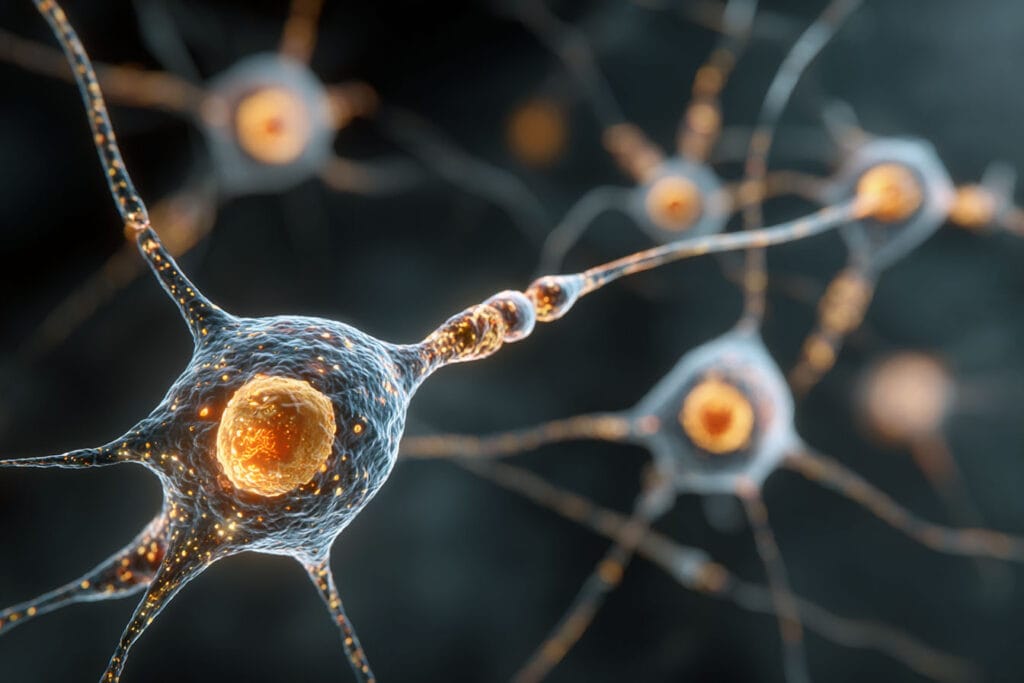
The engine driving all this potential is neuroplasticity. To understand it, imagine your brain is a vast, dynamic electrical grid. Every time you think, feel, or do something, a specific set of connections, or pathways, lights up. When you repeat an action or thought, that pathway gets stronger, wider, and more efficient, like a footpath being paved into a highway. This is synaptic plasticity—the strengthening of connections between neurons. Conversely, pathways you don’t use become weaker, like an overgrown trail. But neuroplasticity is more than that. It also involves structural plasticity, where the brain can physically change its structure as a result of learning. For example, studies on London taxi drivers showed they had larger hippocampi (a brain region crucial for spatial memory) than the general population, developed as a result of memorising the city’s labyrinthine streets. And while the rate slows down, we now know that neurogenesis, the birth of new brain cells, continues to occur in key areas of the adult brain throughout life. The key takeaway is this: your brain is not a static organ. It is a living, adapting entity, constantly remodelling itself based on the demands you place upon it. This is why harnessing neuroplasticity in midlife is a game-changer. It means you are the architect of your future brain.
The Four Pillars: How to Actively Boost Neuroplasticity After 40
Knowing that your brain can change is empowering. But knowledge alone isn’t enough. To truly spark a renaissance in your midlife brain, you need to engage in the specific activities that promote neural growth and rewiring. Think of it as a well-rounded fitness regimen for your mind. Decades of research have shown that a combination of specific lifestyle factors provides the most fertile ground for neuroplasticity. We can group these into four essential pillars: Novelty and Learning, Physical Movement, Rest and Recovery, and Social Connection.
Pillar 1: Embrace Novelty and Lifelong Learning
The enemy of a plastic brain is autopilot. When you do the same things day in and day out, your brain uses its well-worn, efficient neural highways. It’s easy, but it doesn’t foster new growth. To build new pathways, you must step off the familiar road and into the wilderness of the unknown. Novelty and complex, effortful learning are the primary signals that tell your brain it’s time to build. The challenge is the catalyst. This isn’t about passively consuming information, like watching a documentary. It’s about active, focused engagement.
Actionable strategies include:
– Learn a musical instrument. This is a neuroplasticity powerhouse. It combines fine motor skills, auditory processing, memory, and pattern recognition into one complex activity.
– Study a new language. This forces your brain to build entirely new circuits for sound, grammar, and vocabulary, enhancing cognitive flexibility and executive function.
– Take a class on a subject far outside your comfort zone. If you’re an accountant, study art history. If you’re a writer, learn to code. The unfamiliarity is what triggers the most significant brain changes.
– Change your daily routines. Simple acts like brushing your teeth with your non-dominant hand, taking a different route to work, or rearranging your office furniture can jolt your brain out of its rut.
– Read challenging books. Instead of your usual genre, pick up a book on theoretical physics, a dense historical biography, or a classic philosophical text that requires your full concentration.
Pillar 2: Move Your Body to Change Your Mind
For too long, we’ve viewed physical exercise as something exclusively for the body. The science is now irrefutable: movement is one of the most potent stimulators of brain health and plasticity. When you engage in physical activity, you increase blood flow to the brain, delivering vital oxygen and nutrients. More importantly, you trigger the release of a remarkable protein called Brain-Derived Neurotrophic Factor (BDNF). Neuroscientists often refer to BDNF as “Miracle-Gro for the brain” because it supports the survival of existing neurons and encourages the growth of new neurons and synapses. An abundance of BDNF is directly linked to improved learning, better memory, and higher-level thinking.
Actionable strategies include:
– Prioritise aerobic exercise. Activities that get your heart rate up, like brisk walking, jogging, cycling, or swimming, are fantastic for boosting BDNF production. Aim for at least 150 minutes of moderate-intensity cardio per week.
– Incorporate strength training. Lifting weights or doing bodyweight exercises two to three times a week has been shown to improve executive function, attention, and memory.
– Learn complex motor skills. Activities that challenge both your body and your mind are doubly effective. Think of dancing, which requires learning steps and coordinating with a partner, or practices like yoga and tai chi, which combine movement, balance, and mindfulness.
Pillar 3: The Power of Rest, Sleep, and Mindfulness
Your brain doesn’t build new connections only when it’s active. A huge amount of the crucial work happens when you are at rest. Sleep is not a passive state; it’s a critical period of memory consolidation and brain maintenance. During deep sleep, your brain replays the day’s events, strengthening the important neural connections you’ve made and pruning the less important ones. Furthermore, a “glymphatic system” in the brain becomes highly active during sleep, acting like a waste-disposal crew to clear out metabolic byproducts and toxins, including the amyloid-beta plaques associated with Alzheimer’s disease. Chronic stress is the direct antagonist of this process. High levels of the stress hormone cortisol can damage the hippocampus, the very region vital for learning, memory, and neurogenesis.
Actionable strategies include:
– Make sleep a non-negotiable priority. Aim for 7-9 hours of high-quality sleep per night. Create a relaxing bedtime routine and a dark, cool, and quiet sleep environment.
– Practice mindfulness or meditation. Even 10-15 minutes a day can have a profound impact. Research shows that regular meditation can physically change the brain, increasing grey matter density in areas associated with focus, emotional regulation, and self-awareness, while reducing it in the amygdala, the brain’s fear centre.
– Take strategic breaks. In our “always-on” culture, we often forget to simply let our minds wander. Step away from your screens, go for a short walk, or just sit and stare out the window. This “diffuse mode” of thinking is often when our brains make creative connections.
Pillar 4: Cultivate Strong Social Connections
Humans are fundamentally social creatures. Meaningful interaction with others is not a luxury; it is a biological necessity for a healthy brain. Socialising is an incredibly complex cognitive workout. A single conversation requires you to listen, process language, interpret non-verbal cues, access memories, formulate your own thoughts, and practice empathy. It engages multiple brain regions simultaneously. Conversely, chronic loneliness is a significant risk factor for cognitive decline, acting as a form of chronic stress that is as damaging to your health as smoking 15 cigarettes a day.
Actionable strategies include:
– Schedule dedicated time with friends and loved ones. Don’t let relationships fall to the bottom of your to-do list. Treat a coffee with a friend with the same importance as a business meeting.
– Join a group or club. Whether it’s a book club, a hiking group, a choir, or a sports team, joining a community built around a shared interest provides regular, structured social interaction.
– Volunteer for a cause you care about. This not only connects you with others but also provides a deep sense of purpose, which is another factor strongly linked to brain health and longevity.
Navigating the Roadblocks: Overcoming Common Midlife Challenges
Knowing what to do is one thing; actually doing it amidst the chaos of midlife is another. This is often the period of peak career responsibility, the “sandwich generation” years of caring for both children and ageing parents, and a host of other pressures. It’s easy for brain health to feel like a luxury you can’t afford. Acknowledging and planning for these hurdles is key to your success.
The first major hurdle is the “I’m Too Busy” trap. The thought of adding “learn Mandarin” or “join a dance class” to an already overflowing schedule can feel impossible. The solution here is to reframe the objective and start small. This is not about adding another massive, stressful commitment. It’s about integrating small, neuroplasticity-boosting habits into the life you already have. You don’t need to train for a marathon; a 20-minute brisk walk during your lunch break is a fantastic start. You don’t need to become fluent in a language in six months; 10 minutes on a language app during your commute is a win. The goal is consistency, not perfection. Think of it as a vital investment in your future self, as important as funding your retirement account.
The second roadblock is the insidious fixed mindset, the deeply ingrained belief that your abilities are set in stone. It’s the voice in your head that says, “I’m just not good at music,” or “I’m too old to learn that.” This belief is the biggest killer of neuroplasticity. To counter it, you must actively cultivate a “growth mindset,” a concept championed by psychologist Carol Dweck. A growth mindset understands that abilities can be developed through dedication and hard work. It reframes challenges as opportunities for growth and sees failure not as a verdict but as a data point for learning. When you feel frustrated trying to learn a new skill, remind yourself that the feeling of struggle is the physical sensation of your brain forging new connections. The effort itself is the victory.
Finally, we must confront the fear of failure. As children, we are fearless learners, constantly falling and getting back up. As adults, we become self-conscious and terrified of looking foolish. The idea of being a clumsy beginner in a yoga class or stumbling through a sentence in a new language can be paralysing. The solution is to intentionally seek out low-stakes environments. Join a class specifically for beginners, where everyone is in the same boat. Remind yourself that the primary goal is not to achieve mastery (though that can be a wonderful side effect). The goal is the process. The very act of trying, of engaging your brain in a new and challenging way, is what builds the cognitive reserve and resilience you’re seeking.
Your Brain’s Next Chapter: The Promise of Neuroplasticity in Midlife
Midlife is not a pre-written tragedy of decline. It is an open invitation for transformation. The narrative that your best brain years are behind you is a myth that you now have the power to discard. The truth, backed by a mountain of scientific evidence, is that your brain retains a remarkable capacity for change, growth, and renewal. The power of neuroplasticity in midlife means you are not just a passive passenger in your own ageing process; you are the active pilot.
Let’s leave the old story behind. The story is where midlife is about clinging to the past and bracing for the future. The new story is one of active creation. It’s a story where you can learn that instrument, speak that language, and build a mind that is more flexible, resilient, and insightful than ever before. The key is intentional action. By consistently engaging with the four pillars—embracing novel learning, moving your body, prioritising rest and mindfulness, and nurturing your social bonds—you provide your brain with the raw materials it needs to rewire itself for a vibrant and fulfilling second half.
Midlife is not an ending. It is a launchpad. With a deeper understanding of your brain’s incredible potential, you can make this chapter of your life the most dynamic, engaging, and intellectually rich one yet. The path forward is clear. The only question left is: What new challenge will you give your brain today?
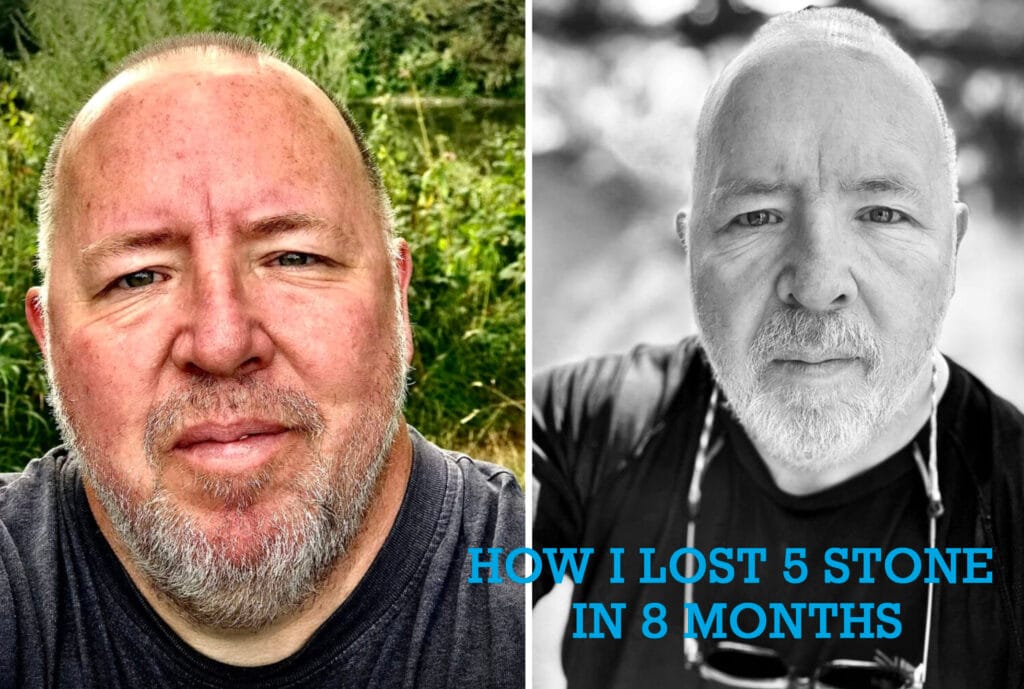
My Midlife Weight Loss Transformation: 5 Stone Gone in 8 Months
Right, let’s get one thing straight. This isn’t some fluffy guide to ‘gentle’ weight loss, or some ‘body positive’ bollocks that lets you off the hook. This is the brutal truth of how I, a 57-year-old bloke, lost a staggering five stone in eight bloody months. My midlife weight loss transformation wasn’t pretty, but it was real, and it worked. You want results? You gotta put in the work, period.
For decades, I let myself go. The booze was a massive part of it, a crutch for 45 years. But even when I kicked that habit to the kerb eight months ago – a story for another time, believe me – the weight didn’t just magically fall off. I’d replaced one vice with another: comfort eating, the sneaky sugars, the processed crap I convinced myself was ‘food’. I was a mess, carrying an extra five stone that dragged me down, stole my energy, and made me feel like an old man before my time. Enough was enough.
This journey isn’t just about counting calories; it’s about rewiring your brain, reclaiming your body, and understanding that you are capable of far more than you think. It’s about getting back to basics, getting real with yourself, and making non-negotiable changes. If you’re ready to hear it straight, without the sugar-coating, then buckle up. This is how it went down.
Why Did I Let Myself Get This Fat? The Brutal Truth About Comfort
Why do we let ourselves pile on the weight? It’s simple, really. Comfort. Ease. The path of least resistance. For me, it was a slow creep. Military life teaches you discipline, but civvy street, with its endless temptations and the quiet desperation of a life that wasn’t quite hitting the mark, can erode that pretty quickly. The booze was a massive part of my comfort blanket, numbing the edges, silencing the nagging voice that knew I could be doing more, being better. When I quit drinking, I suddenly had a gaping hole, a void where that daily ritual used to be.
And what did I do? I filled it with food. The wrong bloody food. Crisps, biscuits, ‘healthy’ ready meals full of hidden sugars and industrial sludge. I was swapping one addiction for another, just less obviously destructive in the short term. The brutal truth is, I was using food to cope, to distract, to avoid the real work of looking at why I was so bloody unhappy in the first place. I wasn’t just ‘eating my feelings’; I was burying them under layers of fat and self-deception. It took a hard look in the mirror, literally, to see the pathetic state I’d allowed myself to get into. That gut wasn’t just belly fat; it was years of excuses, regret, and unaddressed shit. And it had to go.
The ‘Eat’ Pillar: Ditching the Industrial Sludge and Getting Real
This is where the rubber meets the road, mate. Your diet. Forget everything the ‘experts’ and the bloody government food pyramids have told you. Most of it’s a load of bollocks designed by corporations selling you processed crap. To shed five stone, I didn’t ‘moderately reduce’ my intake. I scorched the earth with my diet. No compromises, no cheat days, no ‘everything in moderation’ until I’d hit my target. This is the ‘Eat’ pillar in its purest, most uncompromising form.
Step 1: Aggressively Eliminate the Toxins (Sugar & Seed Oils)
This isn’t negotiable. If you want to lose serious weight and reclaim your health, you absolutely must cut out sugar in all its forms and the industrial seed oils. I mean all of it. Sugar hides everywhere: bread, sauces, ‘low-fat’ yoghurts, even seemingly innocent things. Read labels like your life depends on it, because, frankly, it does. Anything with corn syrup, dextrose, maltodextrin, fructose, or sucrose – it’s out. Anything with canola oil, sunflower oil, soybean oil, corn oil – out. These are inflammatory poisons, not food. They mess with your hormones, drive hunger, and make your body store fat. I went cold turkey. It was hell for the first week; the cravings were brutal, but I pushed through.
Step 2: Embrace Real, Nutrient-Dense Food
Once you’ve cleared out the rubbish, you fill your plate with actual food. And I mean actual food. This is the ancestral way. High-quality, grass-fed/pasture-raised animal products are the cornerstone. Think fatty cuts of meat – beef, lamb, pork. Get the proper stuff, not that bland, feedlot rubbish. Eggs, proper butter, ghee, tallow – these are your friends. Don’t fear fat; it’s what keeps you satiated, fuels your brain, and provides essential vitamins. My plate became a simple equation: quality protein, lots of healthy fats, and non-starchy vegetables (greens, broccoli, cauliflower, asparagus).
I focused on nose-to-tail eating where possible. Liver, heart, kidneys – they’re packed with nutrients that modern diets are desperately lacking. If offal makes you gag, fine, but don’t shy away from the fattier cuts of muscle meat. Eating this way, my energy stabilised, my brain fog lifted, and the incessant hunger pangs vanished. I ate when I was genuinely hungry, not when the clock said it was ‘mealtime’ or when a craving hit. This isn’t a diet; it’s how humans are meant to eat.
Step 3: Fasting – Giving Your Gut a Break
Intermittent fasting became a powerful tool in my arsenal. Once my body was fat-adapted from the diet changes, skipping breakfast and often pushing my first meal to midday or even later became easy. Why? Because my body was burning its own fat for fuel, not constantly demanding sugar. Fasting isn’t starvation; it’s giving your digestive system a rest, allowing your body to heal, and tapping into stored fat for energy. It simplifies eating, reduces decision fatigue, and accelerates fat loss. Start with 12 hours, then push to 16, then maybe 18. Listen to your body, but don’t be a wuss. It gets easier.
The ‘Move’ Pillar: Beyond the Gym – Why Movement is Non-Negotiable
When you’re carrying five extra stone, the thought of hitting the gym can feel like climbing Everest. So, I started simple. You don’t need fancy equipment or a personal trainer, at least not at first. The ‘Move’ pillar is about consistent, non-negotiable movement. It’s about getting your body working the way it was designed to. What’s the secret? Just bloody do it.
I started walking. Every single day. Rain or shine, I got out there. An hour a day, sometimes more. Not a gentle stroll, but a brisk pace that got my heart rate up and sweat on my brow. As the weight started to come off, I introduced some bodyweight exercises: press-ups, squats, and lunges. Nothing complicated, just pushing my body, feeling the burn. Then came the rucksack. Load it up with a few kilos and go for a hike. Build strength, build resilience. It’s functional fitness, not just looking good for the ‘gram.
The point is, you have to move. Every single day. Our ancestors weren’t sitting on their arses for 12 hours a day, staring at screens. They were hunting, gathering, building, and moving. Reconnect with that primal need. It boosts your metabolism, improves your mood, and solidifies that mental discipline you’re building. The more you move, the more energy you have, and the more you want to move. It’s a virtuous cycle, and you have to kickstart it.
The ‘Mind’ Pillar: Rewiring Your Brain for Success, Not Self-Sabotage
This is arguably the most important piece of the puzzle. Losing five stone isn’t just a physical battle; it’s a mental war. For 45 years, I was wired for comfort, for instant gratification, for avoiding discomfort. Quitting booze taught me more about mental resilience than anything else, and I applied those same brutal lessons to my midlife weight loss transformation. The ‘Mind’ pillar is about taking control of your internal narrative.
Confront Your Excuses
We all have them. ‘I’m too busy.’ ‘I’m too old.’ ‘It’s too hard.’ ‘Just one biscuit won’t hurt.’ These are lies, mate. They’re the voice of your comfort zone, the part of your brain that wants to keep you safe and small. You have to learn to recognise that voice and tell it to shut the f* up. In the army, there’s no room for excuses. You do the job, or you fail. Apply that same ruthless standard to your health.
Visualise and Affirm
Sounds a bit woo-woo, I know, but it works. Every morning, I’d visualise myself at my target weight. I’d feel the lightness, the energy, the confidence. I’d affirm my commitment: “I am strong. I make healthy choices. I am shedding this weight.” Your brain responds to what you feed it. Feed it crap, you get crap results. Feed it positive, disciplined commands, and it starts to believe it, starts to find ways to make it happen.
Build Discipline, Brick by Bloody Brick
Discipline isn’t motivation; it’s consistency when motivation has packed its bags and gone on holiday. It’s doing the hard thing even when you don’t feel like it. It’s saying no to that sugar-laden treat when your brain screams ‘yes’. Every time you make the right choice, you build a brick in the wall of your discipline. Over time, that wall becomes unshakeable. It starts small: one healthy meal, one walk. Then another. And another. Soon, it’s just who you are.
While ‘Eat’, ‘Move’, and ‘Mind’ are the heavy hitters, don’t underestimate the supporting cast. My other pillars of ‘Sleep’ and ‘Cold Fucking Water’ played their part too, albeit often in a more subtle way during this weight loss sprint.
Good sleep is non-negotiable for hormone regulation. Skimp on sleep, and your body cranks up cortisol (stress hormone) and ghrelin (hunger hormone), making fat loss an uphill battle. I prioritised 7-8 hours of quality sleep, switching off screens, and making the bedroom a sanctuary.
Cold water exposure – whether it’s a cold shower or a proper dip – is a shock to the system, but it’s a powerful tool for resilience. It teaches you to confront discomfort, to breathe through it, to calm your nervous system. That mental fortitude spills over into every other area of your life, including sticking to your diet and exercise. It’s not directly about burning fat, but it builds the mental toughness you need to stay on track.
Ultimately, this entire midlife reset, from quitting the booze to shedding the weight, was driven by a deep-seated desire for purpose. I didn’t want to shuffle off this mortal coil having lived a half-arsed life. I wanted to be strong, clear, and capable for whatever was next. Find your ‘why’. What’s your purpose in doing this? Tap into that, and it becomes an unstoppable force.
My Brutal Reality: The Journey Wasn’t Linear, But It Was Worth It
Don’t for a second think this was some Hollywood montage where the fat just melted away effortlessly. It was brutal. There were days I wanted to throw in the towel, days the cravings were so intense I felt like I was battling a demon. There were plateaus where the scales wouldn’t budge, despite my best efforts. I wanted to rage, to give up. But I didn’t.
I learned to embrace the discomfort. To see it as a sign that I was changing, growing. Each time I pushed through a craving, each time I dragged myself out for a walk in the pissing rain, I strengthened my resolve. I focused on how my clothes were fitting, on the extra energy I had, and on the clear head I now woke up with. The scale was just one metric. How I felt, how I moved, how I thought – those were the real wins.
Losing five stone in eight months was one of the hardest things I’ve ever done, second only to ditching 45 years of drinking. But it was absolutely, unequivocally worth it. I’m lighter, stronger, sharper, and more alive than I’ve been in decades. This midlife weight loss transformation wasn’t a quick fix; it was a fundamental shift in how I live, eat, and think. And if an old soldier like me can do it, so can you. Now, stop reading and get to work. Vision. The rest builds from there.
Ready to Begin Your Own Reset?
If you’re ready to rebuild from the ground up, start with my book Midlife Reset – Quit the Bullshit, Rewire Your Mind and Reclaim Your Life. It’s not fluff or theory, it’s the exact process I used to lose nearly five stone and find freedom from the bottle.
The Unfiltered Truth About Quitting Drinking: 280 Days of Radical Life Rewiring
What happens when you quit drinking. I’ve spent the better part of five decades tangled up with alcohol. That is forty-five years of reaching for a glass, a can, or a bottle, almost without fail, every single day. For perspective, that is more than sixteen thousand days waking up feeling physically ill, mentally foggy, dehydrated, anxious, and burdened by a low thrum of shame. It wasn’t always a dramatic spiral, but it was always there. It was my default setting, a constant low-level self-betrayal that became so normal I stopped seeing it as destruction. It was habit, comfort, identity, and slow suicide, all rolled into one predictable, daily ritual.
Two hundred and eighty days ago, that streak was finally broken.
This isn’t a story about finding God, joining a twelve-step group, or hitting a picture-perfect rock bottom. This is the unfiltered truth about what happens when an established, long-term drinker simply stops. There was no rehab facility, no assigned sponsor, and no steps to climb. It was just me, facing myself in a mirror that had been clouded over for decades. I didn’t attempt to “cut down” or “drink moderately.” I understood that for me, moderation was the first lie I would tell myself to fall back into the old cycle. I stopped completely, and the process of rewiring my life began.
The road to two hundred and eighty days alcohol free is not pretty or Instagram-ready. It is brutal, profound, messy, and the most rewarding work I have ever done. It demands a full accounting of your physical, mental, emotional, and spiritual debt.
The Quiet Collapse: Finding the True Breaking Point
My breaking point was not a public catastrophe. It wasn’t a DUI, a hospital scare, or a dramatic intervention scene. It was a quiet, insidious tiredness that settled deep in my bones. The fear of changing, which had kept me paralysed for years, finally felt less painful than the crushing weight of staying the same. I was tired of the cycle. I was tired of the compromises. I was tired of the lies I told myself and everyone else just to protect the habit.
The realisation hit me in the middle of a mundane Tuesday morning. I was nursing a headache, calculating how many hours until it was socially acceptable to “take the edge off,” and I just felt utterly exhausted by the planning. The cost of the buzz no longer justified the emotional and physical price paid the next day. The Return on Investment (ROI) of the hangover had finally gone negative, and it wasn’t just about the headache; it was the loss of potential, the erosion of focus, and the constant feeling of being less than.
When I made the decision, my body and mind went into immediate, violent rebellion. Decades of chemical dependency don’t just vanish. They scream. They shake. They fight for survival.
Days 1-7: Withdrawal and Psychological Warfare
The first few days are genuine hell. Let’s be honest about the alcohol withdrawal timeline. For long-term, heavy drinkers, this phase is physically dangerous and must be managed carefully. For me, it felt like being plugged directly into an electrical socket. The symptoms were relentless: profuse sweats that soaked the sheets, full-body shakes, debilitating nausea, and insomnia so intense I thought my brain would burst from exhaustion.
But the physical pain was secondary to the psychological terror. This is the psychological warfare phase. The voice in your head that you used to call your friend becomes a brilliant, cunning enemy. It knows your weaknesses better than you do. It whispers, it rationalises, and it pleads: “Just one won’t hurt. You deserve it. You need it to sleep. You’ll deal with this better when you’re relaxed.” It throws every logical argument at you, leveraging years of established coping mechanisms.
I learned in those first 72 hours that this wasn’t about strength or willpower. Willpower is finite. This was about acknowledging that the voice was a liar and establishing a new line in the sand. Every cell was screaming for the poison it had been fed for decades, but I had to hold the line. Getting through those first nights, drenched in sweat and fighting panic attacks, was the single most difficult thing I’ve ever done. By the end of the first week, I knew that survival required a total identity replacement. The old version of me was a drinker; the new version had to be something entirely different.
The First Month: Detox, Discomfort, and the Pink Cloud Myth
The first thirty days are a period of painful, relentless purification. Everything is raw. You are, quite literally, being born again, and the process hurts. Your body, confused and relieved, starts purging years of accumulated toxins. Your brain chemistry is desperately trying to find its natural balance again after being constantly manipulated by a sedative.
Sleep initially disappears, replaced by anxious, endless nights. When sleep finally returns, it comes with hyper-vivid dreaming. It’s like your subconscious is finally processing five decades of suppressed memories and emotions. You wake up feeling more exhausted than when you went to bed.
Emotions are untethered, swinging wildly. You might experience the so-called “pink cloud” of euphoria for a day, feeling invincible, only to crash into crushing emptiness and anger the next. This emotional volatility is a normal part of the dopamine system rebooting. Your brain is learning how to generate natural pleasure and resilience again, and it’s clumsy at first.
But the small, undeniable wins start showing up.
Clarity: You wake up earlier, not jolting awake with panic, but gently. The mental fog that was a permanent fixture for sixteen thousand mornings begins to thin.
Senses: Food actually tastes better. The flavour of plain water becomes profoundly refreshing. Colours in the world seem sharper, richer.
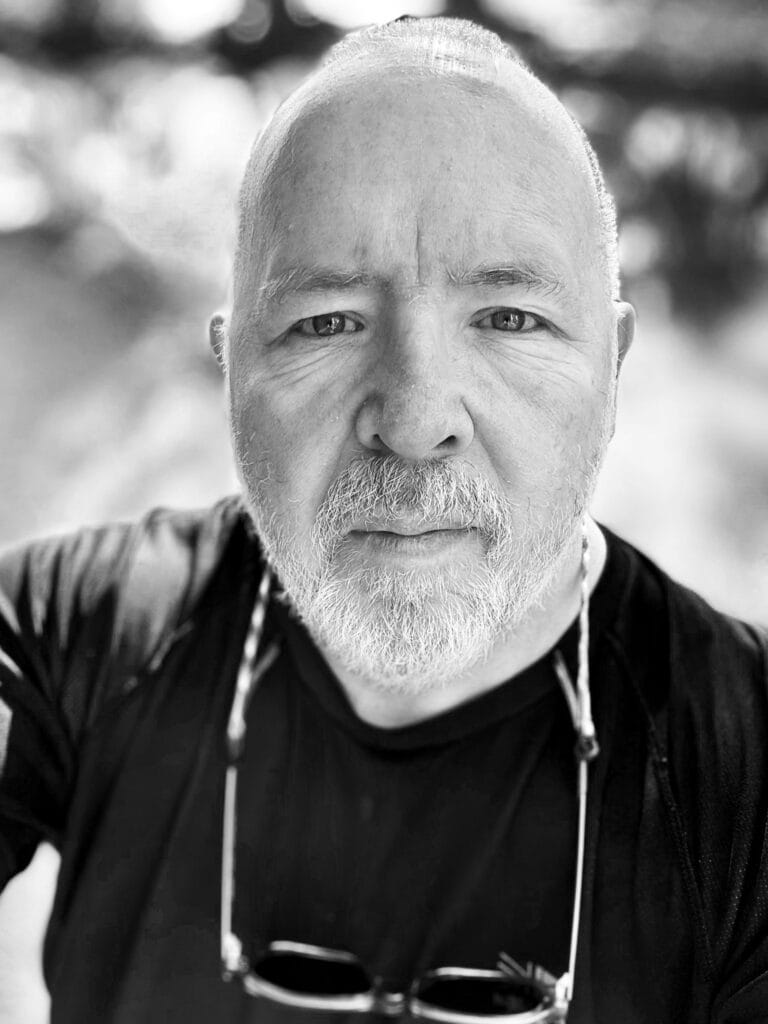
Physical Appearance: The severe facial bloating fades away. The constant puffiness around the eyes eases, revealing the bone structure that was hidden beneath inflammation. Your skin texture starts to smooth out. You catch your reflection and see a distinct, unfamiliar clarity in your eyes—the whites are actually white again.
I spent those early weeks creating a mechanical structure to replace the drinking ritual. I focused on simple, unavoidable actions: Cold water therapy (a daily shock to the system that forces presence), breathwork (a cheap, effective form of nervous system regulation), and journaling (not for poetry, but for simply unloading the mental noise). I was done numbing myself; now, I had to learn how to feel everything and not run away. True strength is found not in avoiding discomfort, but in choosing to sit with it.
Two Months: The Body’s Incredible Healing Capacity
By sixty days, the body’s innate ability to repair itself becomes undeniably apparent. It is a profound lesson in biology and forgiveness. The weight loss starts, not because of some restrictive diet, but because your body finally stops fighting poison and starts building health. I shed four and a half stone by day 280, a result of repair, not restriction.
The liver regeneration process is remarkable. Immediately after quitting, inflammation starts dropping. Within weeks, the critical markers of liver health begin improving. The constant heartburn that required antacids daily vanished. The chronic, dull ache in my side disappeared.
Sleep transformed from a restless, sweat-drenched battle to a deep, restorative process. I no longer woke up drenched in nocturnal anxiety at 3:00 a.m. Now, I sleep through the night, and the quality of that rest is the single biggest booster for mental resilience.
But perhaps the biggest physical shift happens in the gut-brain axis. Alcohol is devastating to the gut microbiome. Science tells us that roughly ninety per cent of serotonin, the critical feel-good chemical, is manufactured in the gut. When you drink, you decimate this balance, leading to chronically low mood and anxiety. When you stop, the microbiome slowly begins to repair itself. As I fed my body proper nutrition—quality meats, healthy fats, real, whole food—my mood started to stabilise naturally. The gut repairs, the mood improves. It’s an undeniable biological payoff.
At two months, I truly felt alive in a way I hadn’t in decades. My blood pressure had normalised, my energy was stable, and the constant physical hum of anxiety had faded to a whisper.
Three Months: The Mind Rewires and Clarity Returns
The ninety-day mark is often cited as the true beginning of transformation because this is when the dopamine system truly starts its complex recalibration. For years, alcohol was a cheap, immediate dopamine hack. It flooded my brain with the reward chemical, tricking it into believing pleasure had been earned. When the drug is removed, the brain panics, resulting in a phase known as anhedonia or the “flat line.”
For a while, nothing feels exciting. The things that should generate normal, healthy pleasure—a good movie, a workout, a friendly conversation—fall flat. This is your brain’s natural reward mechanism, slowly finding its footing without the artificial trigger. This phase requires immense patience and faith.
But then, slowly, the change starts.
You laugh properly again, a deep, genuine laugh that reaches your eyes.
You find profound peace in the small, simple things: the perfect cup of coffee, the silence of an early morning walk, the texture of a cold river stone.
The overwhelming mental clutter begins to dissipate. The constant low-level noise of guilt, self-doubt, and shame that lived in the background of every thought fades away. Concentration returns, making it possible to read a book or focus on a work task for more than fifteen minutes without distraction.
I deliberately employed tools to accelerate this mental rewiring. I used Neuro-Linguistic Programming (NLP) to interrupt negative thought patterns and reframe years of defeatist internal dialogue. I meditated daily, not to empty my mind, but to observe the thoughts without judging or reacting to them. I used visualisation to mentally rehearse the person I was becoming, cementing the new sober identity. Sobriety isn’t just about resisting alcohol; it’s about proactively forging a completely new relationship with your own mind. It’s about switching the question from “How do I stay sober?” to “How do I live fully?”
Six Months: Emotional Honesty — Withdrawal from Avoidance
The six-month milestone brings an entirely different challenge. The physical withdrawal is long over, and the brain has found a new chemical rhythm. Now, the real work begins: emotional sobriety.
For forty-five years, alcohol served as the ultimate avoidance strategy. All the grief, all the guilt from past actions, all the festering anger, all the loneliness and existential dread—it was all packed down and drowned out. When you remove the numbing agent, all of that unprocessed life comes surging up for air. This is the hardest stage because it forces you to learn how to feel again without reaching for an escape hatch.
I cried more in those months than I had in the previous two decades combined. But every single tear was a release, a small piece of truth leaving my body. I had to learn the difference between feeling an emotion and being consumed by it. Pain, when faced directly and soberly, loses its power. You stop fearing your own internal landscape.
I used meditation and breathwork to sit with the discomfort. If intense shame surfaced, I wouldn’t try to rationalise it away or distract myself. I would simply acknowledge it and sit until the intensity subsided. This process of radical self-acceptance and forgiveness is the engine of long-term recovery. When you finally stop running from your pain, you gain the ability to ride the emotional waves without being drowned by them. This is when genuine, sustainable personal growth begins.
The Physical and Mental Payoff: Performance, Not Survival
By two hundred days, the transformation was so complete I felt virtually unrecognisable. The external change—the visible leanness, the bright eyes, the clear skin—is merely the tip of the iceberg. The invisible changes are what truly matter.
My executive function returned in full force. I could plan, write, create, and coach with a level of focus I hadn’t possessed since my twenties. Alcohol severely impairs the prefrontal cortex, the part of the brain responsible for complex thought, decision-making, and long-term planning. Sobriety gives you your cognitive function back, allowing you to stop just existing and start living your life at an optimal level.
The massive improvement in gut health meant my immune system improved dramatically. I stopped getting every cold and flu that passed through the office. Chronic aches and pains, once dismissed as “getting old,” had reduced significantly because the systemic inflammation had plummeted. The constant need for self-medication vanished, replaced by a natural, even-keeled state of being.
This is the quiet power of sobriety: it’s not just about what you eliminate; it’s about the massive capacity for health, clarity, and energy that you reclaim. You realise how much time, money, and emotional energy you poured down the drain, and that recovered resource becomes the fuel for your new, deliberate life.
The Spiritual Reset: Waking Up to Connection
After decades of drinking, you operate behind a sheet of glass, disconnected from yourself, from nature, and from the simple truth of the present moment. Alcohol silences the inner quiet, replaces genuine connection with artificial bluster, and fosters a sense of isolation.
Sobriety shatters that barrier.
For me, the spiritual reset wasn’t about finding religion; it was about becoming fully awake to my own life. Everything became sharper. I noticed the detail of sunlight filtering through the leaves. I felt the profound connection to the earth beneath my feet on a simple walk. The rush of cold water became my daily, brutal lesson in humility and presence. The river does not care about your excuses or your past failures. It meets you exactly where you are, and demands that you breathe, right now.
I started meditating at sunrise, not to achieve enlightenment, but simply to hear the quiet, steady voice inside that alcohol had muffled for so long. I reconnected with the concept of purpose, realising that the debt I owed was not to the past, but to the future version of myself and to others who were still stuck. Spiritual means awake, present, and connected. When you stop numbing your connection to life itself, the entire world expands.
The Social Shift: Pruning the Friendship Tree
Sobriety radically changes your social landscape, and that can be initially painful. You quickly realise that many of your friendships, perhaps even the majority, were built entirely on the shaky foundation of shared drinking rituals. When you remove the ritual, some people simply drift away. The easy, comfortable familiarity is gone, and the relationship cannot sustain itself on shared values alone.
This is a necessary and brutal pruning process. Nights out become mornings of clarity, and you swap hazy, repetitive conversations for genuine, present interaction. You have to navigate the discomfort of being the only one not drinking, learning to politely decline, and dealing with other people’s insecurity around your choice. Their discomfort often reflects their own relationship with alcohol.
But isolation is temporary. The space left by the fading old connections is quickly filled by new people—the ones who value truth over numbing, growth over escapism, and genuine presence over forced euphoria. You start showing up differently for everyone: you are present, reliable, and you keep your word. You stop cancelling plans due to hangovers. You rebuild trust, starting with yourself, and that honesty attracts an authentic connection. You stop needing validation from people still lost in the fog and begin building a new circle centred on growth and purpose.
The single biggest, most invaluable gift that sobriety offers is the restoration of mental space.
When you are drinking, your mind is perpetually occupied by the obsession: When can I drink? How much did I drink? What did I say last night? Do I have enough for tonight? This is a constant, draining loop of guilt and anticipation.
When you quit, that obsession is eventually replaced by silence. The hours you spent planning, recovering, or living in guilt are suddenly available. That reclaimed space is where creativity, purpose, and peace flourish. I now use that profound clarity to build, to write, and to coach others through their own radical life resets. Sobriety is the ultimate time, energy, and financial dividend. It allows you to think long-term again, to strategise for your future instead of simply managing your daily survival.
I stopped living in the regret of the past and began focusing all my energy on what I could build now.
The Midlife Reset: It’s Never Too Late to Rewire
At fifty-eight years old and two hundred and eighty days sober, I can tell you that the power to change doesn’t belong exclusively to the young. Change belongs to anyone who has finally had enough of their own excuses and is willing to pay the price of admission (discomfort).
You absolutely can rewire your mind and rebuild your health after decades of systemic damage. The midlife crisis is often fueled by the realisation that time is no longer infinite. Sobriety transforms that crisis into a deliberate, powerful Midlife Reset. It provides the clear foundation needed to address legacy, health maintenance, career pivots, and deep personal relationships that will define the next chapter of life.
Sobriety is the foundation of my own late-in-life performance phase. I built Sober Beyond Limits because the world needs to see that healing is accessible. You don’t need religion, rehab, or a catastrophic event to begin. You need radical honesty, a simple but rigid structure, and the willingness to face yourself without a chemical filter.
The Truth About Freedom and Growth
Here is the one truth no one expects to hear, the one that counters decades of cultural conditioning: sobriety isn’t boring; it is freedom.
You stop dying slowly and start living deliberately. Your body is rebuilt from the inside out. Your brain chemistry rebalances itself. Your emotional system finds stability. Your spirit wakes up. You become grounded, significantly sharper, demonstrably calmer, and physically stronger. You gain an unbreakable trust in yourself because you are finally a person who keeps their word.
Every morning without a hangover is a profound, life-affirming victory. Every sober night is a testament to resilience. The world stops feeling flat and starts to expand again, full of opportunities you were too foggy to see before.
You learn forgiveness for the person you were, not by forgetting the past, but by recognising the incredible effort and courage it took to choose a different future. That is a genuine transformation. That is the ripple effect of sobriety through every single part of your existence.
If this unfiltered account resonated with you, if you feel that same exhaustion and quiet desperation, understand that the tools for your own radical reset are already within your reach. They are waiting for you to simply choose clarity over comfort, and presence over avoidance.
Because once you face yourself sober, everything changes.
Used to monitor number of Google Analytics server requests when using Google Tag Manager
1 minute
_gid
ID used to identify users for 24 hours after last activity
24 hours
_ga_
ID used to identify users
2 years
_gali
Used by Google Analytics to determine which links on a page are being clicked
30 seconds
_ga
ID used to identify users
2 years
__utmx
Used to determine whether a user is included in an A / B or Multivariate test.
18 months
__utmv
Contains custom information set by the web developer via the _setCustomVar method in Google Analytics. This cookie is updated every time new data is sent to the Google Analytics server.
2 years after last activity
__utmz
Contains information about the traffic source or campaign that directed user to the website. The cookie is set when the GA.js javascript is loaded and updated when data is sent to the Google Anaytics server
6 months after last activity
__utmc
Used only with old Urchin versions of Google Analytics and not with GA.js. Was used to distinguish between new sessions and visits at the end of a session.
End of session (browser)
__utmb
Used to distinguish new sessions and visits. This cookie is set when the GA.js javascript library is loaded and there is no existing __utmb cookie. The cookie is updated every time data is sent to the Google Analytics server.
30 minutes after last activity
__utmt
Used to monitor number of Google Analytics server requests
10 minutes
__utma
ID used to identify users and sessions
2 years after last activity
_gac_
Contains information related to marketing campaigns of the user. These are shared with Google AdWords / Google Ads when the Google Ads and Google Analytics accounts are linked together.