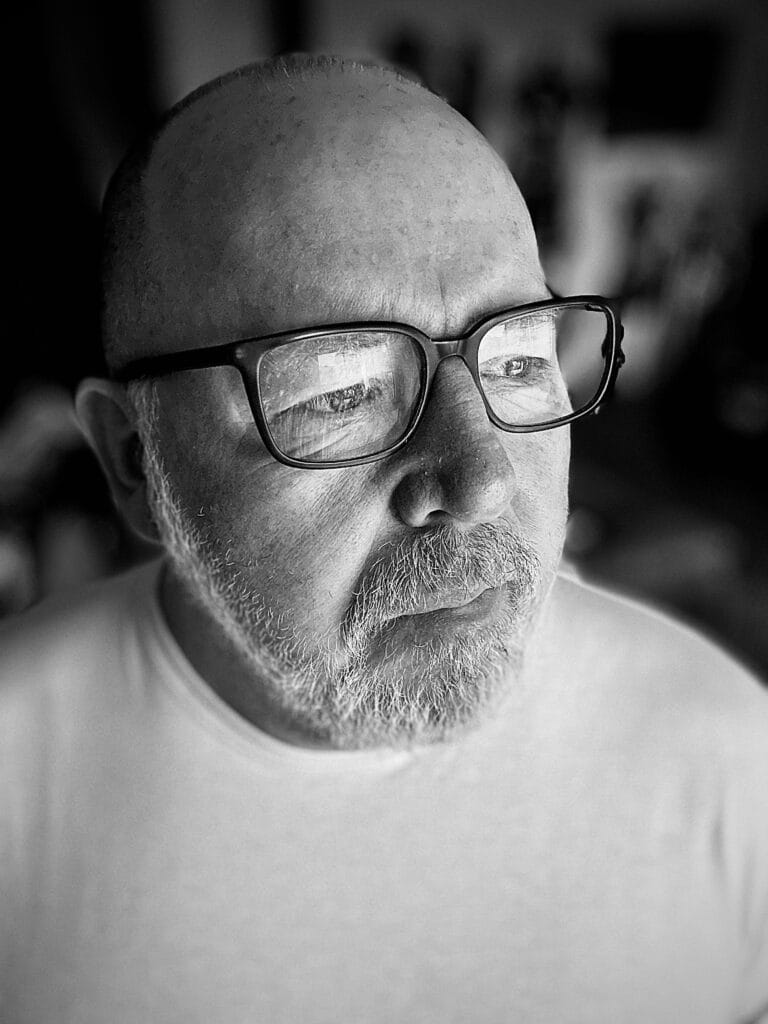
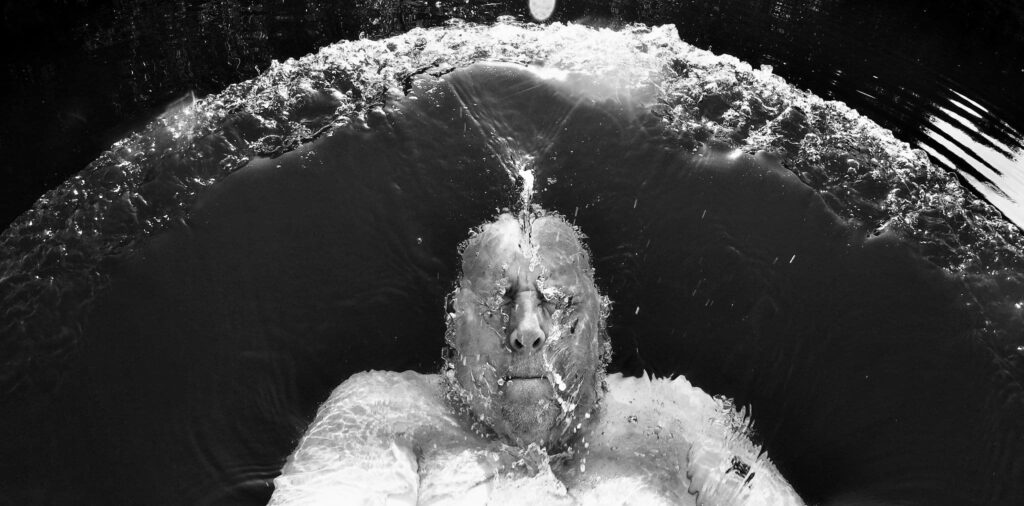
Change your life after 45. If you’re 45, 50, or 60+ and think it’s too late to turn things around—I’ve got two words for you:
Fuck that.
The idea that transformation has an expiry date? That’s a lie sold by people who’ve already given up on themselves. The truth is this: It’s not too late. It’s never been too late. But you’ve got to stop buying into the bullshit.
I Quit Drinking After 40 Years
I spent most of my life with a drink in my hand. Not just socially. Not just “a few here and there.” I’m talking decades of numbing, coping, chasing a version of myself that never showed up.
I drank through birthdays. Promotions. Pain. I drank through parenting. Relationships. Loss. I drank because I didn’t know how to feel anymore—and alcohol made sure I didn’t have to.
But one morning, in my 50s, I woke up and thought: Is this it? Same ache. Same regret. Same fake smile in the mirror. No car crash. No intervention. Just… emptiness.
That was my moment. Not rock bottom. Just done.
So I quit. At an age where most people say, “You are who you are.”
Well, guess what? I said “Fuck that too.”
Why Change After 45 Matters More Than Ever
Let’s break the stigma. This idea that if you’re not young, you’re too far gone. If you’ve spent decades doing one thing, it’s too late to become someone new.
That’s not the truth. That’s fear dressed up as logic.
The Deeper Power of Midlife Transformation
When you change after 45, you’re not just chasing some shiny self-help trend. You’re doing the deep work that most people avoid their whole lives. You’re healing trauma. Rewiring beliefs. Taking full ownership.
And it hits differently.
You’ve seen enough life to know what doesn’t work. You’re done pretending. You’re not changing for Instagram likes—you’re changing for freedom.
What’s On the Other Side of “Too Late”
Since going sober just over a year ago, I’ve lost weight. I sleep better. My skin, energy, and vitality are all better than I’ve felt in years.
But more than that? I look in the mirror and recognise the man I see.
I’ve started coaching others. Writing. Showing up fully for the first time in decades. And not once have I thought, “I wish I did this at 30.” Because the version of me who tried at 30? He wasn’t ready. This version? He’s all in.
You Get to Decide to Change Your Life After 45
Forget your past. Forget what age you are. Forget who said you were too damaged, too stuck, too far gone.
You get to decide.
This chapter right now? It can be the one that changes everything. Not because you hit rock bottom. Not because you followed a 12-step manual to the letter. But because you woke up and said, “I’m not living like this anymore.”
Final Word: If You Needed Permission—Here It Is
What will your next chapter be?
You’re not too old. You’re just done with the old story. Rewrite it. Reclaim it. Rebuild from it.
Because this isn’t the end. If you’re ready to change your life after 45, I’m telling you—it’s possible. I’ve done it. This is the fucking beginning.
Four months sober. That’s the headline—but the real story runs deeper.
If you’ve ever wondered what life looks like when you finally walk away from the poison, this is it. Four months ago, I quit alcohol after 40+ years of drinking like it was my full-time job. Not casually. Not socially. I drank like it was stitched into my identity. Pints, bottles, spirits, blackouts, shame—rinse and repeat.
Now, four months sober, I’m standing in a different life. Still me. Still flawed. Still learning. Still here. But for the first time in decades, I’m clear. I’ve got a brain that works, a gut I trust, and mornings that don’t start with regret and a raging thirst.
This post isn’t a highlight reel. It’s not your fairy tale redemption story. It’s raw, real, and rooted in truth. It’s what I wish someone had shoved in my face when I was still neck-deep in the lie that alcohol was helping me cope.
If you’re staring down your own mess, wondering if it’s too late, I’m here to tell you—it’s not.
You Don’t Lose Everything When You Quit Drinking — You Get Everything Back
Mornings used to be punishment. I’d wake up confused, ashamed, checking my phone with dread, praying I hadn’t destroyed something else. The pit in the stomach, the pounding head, the self-hatred like a heavy cloak.
Now? 5 a.m. is holy. I’m up before the birds. This morning, I chased the sunrise, camera in hand, instead of crawling to the toilet for another hungover piss. You don’t know how beautiful mornings are until you meet one sober.
You don’t lose your edge when you quit drinking. You sharpen it. You don’t become boring. You become powerful. You don’t get weak. You get free.
What I’ve Learned in These Four Months
1. Mindset is everything.
If you think sobriety is about losing out, you’ll resent every second. But if you start seeing it as freedom, it’ll lift you. I stopped saying, “I can’t drink,” and started saying, “I don’t drink.” That shift changes everything. It’s not a punishment. It’s power reclaimed.
2. It gets messy before it gets better.
The emotions come in hot. Anger, sadness, confusion—all the stuff you’ve been drowning comes to the surface. That’s healing. That’s your nervous system finding its footing again. Don’t numb it. Ride it. Breathwork saved me. Cold showers grounded me. Get tools. Use them.
3. The world’s upside down.
We glamorize booze and shame sobriety. People laugh when you blackout but go quiet when you heal. That’s not your problem. That’s a reflection of their fear. You’re not the weird one for changing. You’re the brave one.
4. You don’t owe your past self anything.
You’re allowed to evolve. To outgrow the old version of you. To leave behind people who only knew you at your lowest. That’s not selfish—that’s survival.
5. A lapse isn’t a relapse.
One slip doesn’t mean you’re broken. Don’t throw everything away because of one bad night. Stop the spiral. Don’t let “fuck it” become your mantra. Say “Not today.” Pick yourself up. Rebuild. You’re still in the fight.
Together, these lessons aren’t just survival tips—they’re the blueprint for freedom.
Sobriety Doesn’t Fix You — It Reveals You
Let’s kill the fantasy: quitting booze doesn’t make life perfect. It doesn’t hand you happiness on a silver platter. What it does is peel back every numbed-out layer of yourself and say, “Alright. Here’s what we’ve really got to work with.”
You’re going to feel it all—raw, unfiltered, without the chemical cushion. And that’s not a flaw in the process. That is the process. You’ve got to meet yourself in the mess before you can build something better.
I learned to sit with discomfort. To breathe through the urges instead of silencing them. To feel anxiety clawing at my chest and not reach for a drink. That’s real growth. That’s inner fire. That’s where the healing starts.
It’s Not Just About Subtracting Alcohol — It’s About Adding Tools
Sobriety without tools is just white-knuckling. That’s not sustainable. I didn’t just stop drinking. I started living.
Before I go any further, let me show you exactly what kept me grounded when the storm hit. Here’s what helped me stay rooted and rising:
Breathwork — Box breathing. 4-7-8. Wim Hof. When the cravings hit, I didn’t fight—I breathed.
Cold Showers — Every damn morning. Shocking. Grounding. Builds resilience.
Visualization — I pictured the man I wanted to be. Then I acted like him.
Journaling — Real reflection. What triggered me today? What did I learn?
Movement — Walks. Pushups. Stretching. Move the body, shift the state.
People Will Not Understand. Do It Anyway.
You’ll lose some people. A mate once asked me why I was being so dramatic just because I skipped the pub—it stung, but it showed me who was really in my corner. Friends who only knew the drunk version of you might fade out. That hurts—but it’s part of the clearing. You’re not here to stay small and palatable. You’re here to evolve.
And you’ll find your people. People who’ve walked through fire. People who know what it’s like to claw your way out. Sober doesn’t mean alone. Not anymore.
Four Months In: The Truth
I’ve got energy I forgot existed.
My mind is sharp. Decisions come more easily.
I cry more, but I also laugh deeper.
I’m rebuilding trust with my body, my heart, my people.
I’m here. Fully. Finally.
Sobriety didn’t fix me. It gave me the clarity to do the fixing myself.
What I Wish I Knew When I Started
You don’t need to hit rock bottom. You can climb out now.
Joy returns in layers. It’s slow, but it’s real. And when it hits? It’s breathtaking.
Discipline feels like self-punishment at first. But soon, it feels like self-respect.
This journey isn’t about becoming someone else. It’s about remembering who you were before alcohol took the wheel. It’s about reclaiming your energy, your focus, your relationships, your f***ing life.
I don’t post this for likes. I don’t care for applause. I don’t sell fairy tales. I share this because I’ve been to the edge and clawed my way back. I’ve studied the science, lived the pain, and built rituals that work. If you’re on the floor, I’m telling you—you can stand.
If you’re reading this and wondering if you’ve got it in you? You do. You absolutely do.
If you want to know exactly how I did it—how I rewired my thinking, built ironclad sober habits, and started every damn day with intent—it’s all in the book.
📍 📍 Get the Mindset Makeover book here and start rewiring your brain for real freedom. Grab the guide. Get the tools. Build your comeback. Start now.
This isn’t just sobriety. It’s a bloody revolution.
A cold water reset can change your nervous system, your mindset, and your life — faster than almost anything else.
If you feel stuck in stress, anxiety, or emotional exhaustion, your nervous system isn’t broken — it’s overwhelmed.
Cold exposure gives your body a natural, powerful reset. In this guide, I’ll show you how a simple cold water reset can reboot your breath, calm your mind, and rebuild your inner strength in just seven days.
Cold water offers a reset. A hard, clear, natural reset that no pill, therapy, or hack can replicate.
Today, I’ll show you how 30 seconds under cold water can change your entire life.
Why Your Nervous System Matters
Your nervous system controls how you feel, think, react, and recover. When it’s stuck in “fight-or-flight” (high stress mode), even small triggers feel overwhelming.
Symptoms of a dysregulated nervous system:
Constant anxiety
Brain fog and low energy
Emotional outbursts or shutdown
Chronic cravings (food, alcohol, distractions)
When you reset your nervous system, you don’t just feel calmer — you become stronger, clearer, and freer.
How Cold Water Resets Your System
✅ Activates the Vagus Nerve: Cold exposure stimulates the vagus nerve, shifting your body into “rest and digest” mode.
✅ Boosts Feel-Good Neurotransmitters: Cold boosts dopamine and norepinephrine — your natural mood, motivation, and focus chemicals.
✅ Trains Your Breath Response: Instead of panicking under pressure, you train yourself to breathe through discomfort — exactly what’s needed to handle cravings, anxiety, and life.
✅ Builds Emotional Resilience: Every second you stay in the cold teaches your body: I can do hard things without running.
How to Start Your Own Cold Reset
It’s simpler than you think. You don’t need an ice bath, a fancy freezer, or a private lake.
Start here:
End your hot shower with 15 seconds of cold.
Focus on slow breathing: in for 4 counts, out for 6.
Stay relaxed through the first 10 seconds of shock.
Build up by 5–10 seconds a day over 7 days.
Free Resource: The Cold Reset Starter Kit
I’ve created a simple 7-day Cold Reset Plan to guide you. It’s free — and it’s built to help you breathe, reset, and reclaim your nervous system in just one week.
Used to monitor number of Google Analytics server requests when using Google Tag Manager
1 minute
_gid
ID used to identify users for 24 hours after last activity
24 hours
_ga_
ID used to identify users
2 years
_gali
Used by Google Analytics to determine which links on a page are being clicked
30 seconds
_ga
ID used to identify users
2 years
__utmx
Used to determine whether a user is included in an A / B or Multivariate test.
18 months
__utmv
Contains custom information set by the web developer via the _setCustomVar method in Google Analytics. This cookie is updated every time new data is sent to the Google Analytics server.
2 years after last activity
__utmz
Contains information about the traffic source or campaign that directed user to the website. The cookie is set when the GA.js javascript is loaded and updated when data is sent to the Google Anaytics server
6 months after last activity
__utmc
Used only with old Urchin versions of Google Analytics and not with GA.js. Was used to distinguish between new sessions and visits at the end of a session.
End of session (browser)
__utmb
Used to distinguish new sessions and visits. This cookie is set when the GA.js javascript library is loaded and there is no existing __utmb cookie. The cookie is updated every time data is sent to the Google Analytics server.
30 minutes after last activity
__utmt
Used to monitor number of Google Analytics server requests
10 minutes
__utma
ID used to identify users and sessions
2 years after last activity
_gac_
Contains information related to marketing campaigns of the user. These are shared with Google AdWords / Google Ads when the Google Ads and Google Analytics accounts are linked together.