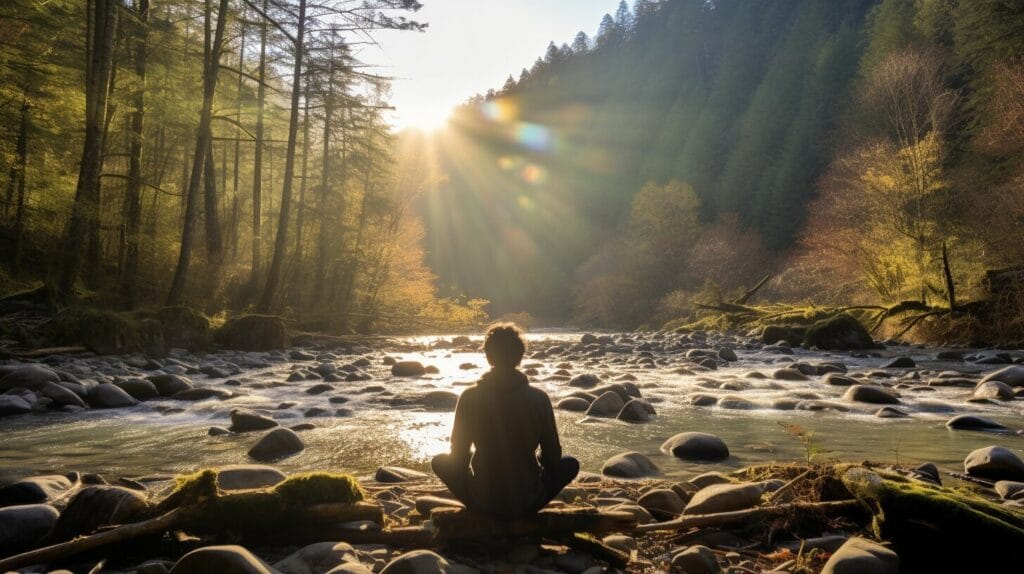
Unlock Peace with Meditation and Breathwork: Your Guide
Welcome to the transformative world of meditation and breathwork. In this guide, I will take you on a journey to discover the power of cultivating inner peace, vitality, and better stress management through these practices.
Key Takeaways:
Meditation and breathwork are ancient practices that promote relaxation, focus, and inner peace.
There are various types of meditation, including mindfulness, spiritual meditation, guided meditation, and visualization.
Create a dedicated meditation space and choose a technique that aligns with your goals and needs.
Establish a consistent meditation schedule to make it a regular part of your daily routine.
Practice patience and self-compassion throughout your meditation journey.
Stay present and grounded by focusing on your breath during meditation.
Calming meditation offers numerous benefits, such as reduced stress levels, improved sleep quality, and enhanced cognitive function.
Overcoming challenges in calming meditation involves acknowledging distractions, managing expectations, and practicing consistency.
The Aura Health App can enhance your meditation experience with personalized recommendations and guidance.
Understanding Meditation and Breathwork
Before we dive into the techniques and strategies of meditation and breathwork, let’s first understand what they are and why they are so important for our well-being. Meditation is a practice that has been around for centuries, used to create a state of inner peace and fulfillment. It involves the use of techniques and strategies that help to bring the mind and body into a state of relaxation and focus. Breathwork, on the other hand, focuses specifically on the power of the breath to calm the mind, reduce stress, and promote overall well-being.
Both meditation and breathwork provide an opportunity to connect with ourselves on a deeper level, to quiet the mind and find a sense of calm in the midst of our busy lives. They offer us a chance to pause, to tune in to our inner world and cultivate a greater sense of self-awareness. By practicing meditation and breathwork regularly, we can learn to manage stress more effectively, improve our focus and concentration, and enhance our overall mental and emotional well-being.
Through meditation, we can train our minds to become more present and focused, allowing us to let go of worries about the past or future and fully engage with the present moment. Breathwork, on the other hand, can help us regulate our breath and activate the body’s relaxation response, leading to a reduction in stress and anxiety. Both practices work in harmony to help us cultivate a deeper sense of peace and serenity.
Benefits of Meditation
Benefits of Breathwork
– Stress reduction
– Enhanced relaxation
– Improved focus and concentration
– Calming the mind
– Emotional well-being
– Increased self-awareness
– Better sleep quality
– Improved respiratory function
– Increased self-compassion
– Alleviation of anxiety and stress
“Meditation is not a means of escape from reality but a way of addressing it more squarely.” – John Yates
Now that we understand the fundamentals of meditation and breathwork, let’s explore the different types of meditation and how they can be incorporated into our daily lives. Stay tuned for the next section where we will explore various meditation techniques and find the perfect one for you.
Exploring Different Types of Meditation
There is no one-size-fits-all approach to meditation. Let’s explore the different types of meditation and find the one that resonates with you.
1. Mindfulness Meditation: This type of meditation involves focusing your attention on the present moment. You become aware of your thoughts, sensations, and emotions without judgment. It cultivates a sense of calm and acceptance, allowing you to observe your mind without getting caught up in its fluctuations.
2. Spiritual Meditation:Spiritual meditation is practiced to connect with something greater than yourself, whether it’s a higher power, the universe, or your own inner wisdom. It involves exploring existential questions, seeking guidance, and finding a deeper sense of purpose and meaning in life.
3. Guided Meditation:Guided meditation involves listening to a pre-recorded or live guide who leads you through a series of visualizations and prompts. It can be helpful for beginners or those who prefer a structured approach to meditation. Guided meditations often focus on relaxation, stress relief, self-compassion, gratitude, or specific intentions.
4. Visualization:Visualization meditation involves using your imagination to create vivid mental images. You can visualize yourself in a peaceful natural setting, visualizing your goals and aspirations, or visualizing healing and positive affirmations. This type of meditation can enhance focus, motivation, and create a sense of inner calm.
Type of Meditation
Description
Mindfulness Meditation
Focusing on the present moment without judgment
Spiritual Meditation
Connecting with something greater than yourself
Guided Meditation
Following a guide through visualizations and prompts
Visualization
Creating mental images to enhance focus and calm
Remember, the key to finding the right type of meditation for you is to explore and experiment. Each type offers unique benefits and approaches to achieving inner peace and well-being. Try different techniques and see which resonates with you the most. Whether it’s mindfulness, spiritual meditation, guided meditation, or visualization, embracing a regular meditation practice can lead to profound transformations in your life.
Creating Your Meditation Space
To fully immerse yourself in the practice of meditation, it’s essential to create a peaceful and inviting space where you can truly connect with yourself. Your meditation space should be a sanctuary that allows you to escape the distractions of everyday life and find inner calm.
Start by choosing a location in your home that is quiet and free from disturbances. This could be a spare room, a corner of your bedroom, or even a cozy spot in your living room. Clear out any clutter and create a clean and calming environment.
Incorporate elements that promote relaxation and serenity. Use soft lighting, such as candles or dimmed lamps, to create a soothing ambiance. Add cushions, blankets, or a comfortable meditation chair to support your posture and make your space inviting. Consider including natural elements, such as plants or a small indoor fountain, to connect with nature and enhance the peaceful atmosphere.
Personalize your meditation space with meaningful objects or decorations. This could be a small altar with items that inspire you or evoke a sense of tranquility. Display photographs, affirmations, or quotes that resonate with you and remind you of your intention to find inner peace.
Table 1: Items to Include in Your Meditation Space
Item
Description
Cushions or Meditation Chair
Provide comfort and support for your posture during meditation.
Soft Lighting
Create a relaxing ambiance with candles or dimmed lamps.
Natural Elements
Add plants or a small indoor fountain to connect with nature.
Meaningful Objects
Include items that inspire you and evoke a sense of tranquility.
By dedicating a space solely for meditation, you signal to your mind and body that it’s time to let go and focus inward. This intentional act of creating a meditation space sets the tone for your practice and enhances your overall experience of peace and mindfulness.
Choosing the Right Meditation Technique
With so many meditation techniques to choose from, it’s important to find the one that resonates with you and supports your desired outcomes. Whether you are seeking mindfulness, guided meditation, or breath awareness, each technique offers its own unique benefits and approaches to achieving inner peace. Take some time to explore different methods and discover which one suits you best.
Mindfulness: This popular meditation technique involves bringing your attention to the present moment, observing your thoughts and sensations without judgment. It cultivates a sense of awareness and acceptance, allowing you to fully experience the present. Mindfulness meditation is particularly effective in reducing stress, enhancing self-awareness, and improving mental clarity.
Guided Meditation: If you prefer a more structured approach, guided meditation can be a great option. This technique involves listening to a recorded meditation session or following a meditation app that provides step-by-step guidance. Guided meditation is beneficial for those who find it challenging to quiet their mind or prefer external support for focus and relaxation.
Breath Awareness:Breath awareness meditation focuses on observing and controlling your breath. By directing your attention to the rhythm and sensations of breathing, you can anchor yourself in the present moment and cultivate a sense of calmness. This technique is helpful for grounding yourself, reducing anxiety, and enhancing overall relaxation.
Table: Comparison of Meditation and Breathwork Techniques
Technique
Benefits
Approach
Mindfulness
Stress reduction, self-awareness, mental clarity
Observing thoughts and sensations without judgment
Guided Meditation
Focus, relaxation, structured practice
Following recorded instructions or meditation app
Breath Awareness
Grounding, anxiety reduction, relaxation
Observing and controlling the breath
Remember, there is no right or wrong technique when it comes to meditation. It’s a personal journey, and what works for one person may not work for another. So, experiment with different techniques and find the one that resonates with you the most. The key is to be consistent and practice regularly, allowing yourself the time and space to nurture your inner peace.
Establishing a Meditation and Breathwork Schedule
Consistency is key when it comes to meditation. Let’s explore how to establish a meditation schedule that suits your lifestyle and allows you to experience its full benefits.
Creating a regular meditation practice requires finding a time and place that work for you. Consider your daily routine and identify pockets of time where you can dedicate a few minutes to meditation. It could be early in the morning before the rest of the world wakes up or in the evening before bed. Experiment with different times to see what feels most natural and sustainable for you.
Once you’ve decided on a time, create a dedicated meditation space. This can be a corner of your room, a cozy nook, or a peaceful outdoor spot. Make sure it’s a space where you feel calm and can minimize distractions. You can enhance the ambiance with soft lighting, candles, or soothing music.
To stay accountable to your meditation practice, consider setting a reminder on your phone or using a meditation app that will send you notifications. Treat your meditation schedule as a non-negotiable appointment with yourself, just like any other important commitment in your life.
Meditation Schedule Tips:
Choose a consistent time: Find a time of day that works best for you and stick to it.
Create a peaceful space: Designate a specific area in your home for meditation, free from distractions.
Use reminders: Set up reminders on your phone or use a meditation app to keep you on track.
Start small: Begin with just a few minutes of meditation and gradually increase the duration as you become more comfortable.
Be flexible: If unforeseen circumstances arise, don’t get discouraged. Adapt your schedule when necessary but make sure to maintain consistency.
Remember, establishing a meditation schedule is a personal journey. It may take time to find the right routine that aligns with your lifestyle, but the benefits of a consistent practice are worth the effort. By carving out dedicated time for meditation, you’ll create space for relaxation, clarity, and inner peace.
Being Patient and Kind to Yourself
It’s natural to encounter challenges and distractions during meditation, but being patient and kind to yourself is crucial in navigating through them. The journey of meditation is a personal one, and everyone experiences it differently. Some days may be more difficult than others, but remember that the practice is about progress, not perfection.
One helpful approach is to treat yourself with kindness and compassion, just as you would with a close friend. Acknowledge any thoughts or distractions that arise during meditation, without judgment, and gently guide your focus back to your breath or chosen technique.
There may be moments of frustration or impatience, but remember that meditation is a lifelong practice. It’s okay to have days when the mind feels busy or restless. Embrace these moments as opportunities for growth and self-discovery. Allow yourself the space to learn from them and let go of any expectations.
Embracing the Journey
As you continue your meditation journey, remember that each session is a chance to develop mindfulness, relaxation techniques, and stress relief. Be present and fully engaged during your practice, but also cultivate a sense of curiosity and exploration. Approach each session with an open mind, allowing yourself to discover new insights and experiences.
Remember, there is no “right” or “wrong” way to Meditation and Breathwork. It’s a personal journey of self-discovery and growth. Embrace the process, and let go of any judgments or preconceived notions about what your meditation practice should look like.
By being patient and kind to yourself, you will create a nurturing and supportive environment for your meditation practice to flourish. Embrace the challenges, cultivate self-compassion, and unlock the true potential of meditation to find inner peace and well-being.
Benefits of Being Patient and Kind to Yourself
Ways to Cultivate Patience and Kindness
Reduced stress levelsImproved emotional well-beingIncreased self-acceptanceEnhanced focus and concentrationImproved resilience
Practice self-compassionChallenge negative self-talkSet realistic expectationsCelebrate small winsSeek support from a meditation group or community
Staying Present with Breath Awareness
One of the fundamental elements of meditation is breath awareness. Let’s delve into the power of conscious breathing and its role in cultivating mindfulness.
Conscious breathing involves paying deliberate attention to your breath, observing its rhythm and flow. By focusing on the breath, you anchor yourself to the present moment, allowing your mind to let go of distractions and find stillness. This practice is central to cultivating mindfulness, as it helps you cultivate awareness of your thoughts and emotions without judgment or attachment.
During meditation, consciously guiding your breath can have a profound impact on your overall experience. By engaging in deep, slow breaths, you activate the body’s relaxation response, promoting a sense of calm and reducing stress. The breath becomes a powerful tool to ground yourself in the present, enabling you to let go of worries and anxieties.
To incorporate breath awareness into your meditation practice, begin by finding a comfortable seated position. Close your eyes and take a moment to tune into your breath. Notice the sensation of the air entering and leaving your nostrils. Observe the rise and fall of your abdomen with each breath. If your mind wanders, gently bring your attention back to your breath, using it as an anchor to the present moment.
In conclusion, conscious breathing is an essential component of mindfulness meditation. By focusing on your breath, you cultivate a deep sense of presence and enhance your overall meditation experience. Embrace the power of conscious breathing and unlock the transformative benefits of mindfulness meditation.
Understanding the Benefits of Calming Meditation
Calming meditation offers a wealth of benefits for our overall well-being, helping us find tranquility amidst the chaos of everyday life. By practicing calming meditation, we can experience a deep sense of peace and relaxation, ultimately leading to improved mental and physical health.
One of the primary benefits of calming meditation is its ability to reduce stress levels. When we engage in this practice, we activate the body’s relaxation response, which counteracts the harmful effects of chronic stress. This can lead to a decrease in anxiety and an overall improvement in our mood and well-being.
In addition to stress relief, calming meditation can also improve our sleep quality. By quieting the mind and letting go of racing thoughts, we create an environment conducive to restful sleep. This can result in better sleep patterns, increased energy levels, and improved overall cognitive function.
Furthermore, calming meditation has been found to have a positive impact on our focus and concentration. By training our mind to stay present and grounded in the here and now, we can enhance our ability to pay attention and stay focused on tasks at hand. This can be especially beneficial for those who struggle with distractions or have demanding work or study environments.
Remember, the benefits of calming meditation are vast and varied. From reducing anxiety and depression to enhancing focus and cognitive function, this practice is a powerful tool for cultivating inner peace and well-being. So, why not begin your meditation journey today and unlock the true potential of calming meditation?
Overcoming Challenges in Calming Meditation and Breathwork
Though calming meditation can be a transformative practice, it’s not without its challenges. Let’s explore ways to overcome these obstacles and fully embrace the practice.
One common challenge in calming meditation is dealing with distractions. It’s natural for the mind to wander, especially when you’re first starting out. To overcome this, acknowledge the presence of distractions without judgment, and gently bring your focus back to your breath or the visualization you’re using. It may take time and practice, but with patience, you can train your mind to become more focused and present during meditation.
Another challenge is managing expectations. It’s important to approach calming meditation with an open mind and without any preconceived notions of how it should be. Release any expectations and simply allow yourself to be present in the moment. Remember, meditation is a personal practice, and it’s okay if your experience differs from others. Embrace the uniqueness of your journey and stay curious about what you discover.
Consistency can also be a challenge when it comes to calming meditation. It’s easy to let other priorities take precedence and neglect your meditation practice. To address this, choose a specific time each day that works best for you and make it a non-negotiable part of your routine. Treat it as you would any other important commitment in your life. By establishing a regular meditation schedule, you create a structure that supports your ongoing practice.
Common Challenges in Calming Meditation
Ways to Overcome
Dealing with distractions
Acknowledge distractions without judgment and refocus on breath or visualization
Managing expectations
Approach meditation with an open mind, release expectations, and embrace the uniqueness of your journey
Practicing consistency
Select a specific time each day and make meditation a non-negotiable part of your routine
Remember, the key to overcoming these challenges is patience and a gentle approach. Be kind to yourself throughout your meditation journey and celebrate even the small victories. With perseverance and a willingness to learn and grow, you can fully embrace calming meditation and experience its profound benefits.
Enhancing Meditation and Breathwork with the Aura Health App
To take your meditation practice to new heights, consider incorporating the Aura Health App into your journey for personalized support and inspiration. This innovative app is designed to provide you with a range of guided meditation exercises, mindfulness techniques, and stress relief strategies that are tailored to your specific needs and goals.
The Aura Health App offers a variety of features to enhance your meditation experience. With a vast library of guided meditations, you can explore different themes and styles to find the ones that resonate with you the most. Whether you want to focus on relaxation, stress relief, or improved sleep, there is a guided meditation exercise that suits your needs.
Additionally, the app provides mindfulness exercises to help you develop your present moment awareness and cultivate a sense of calm and clarity. These exercises can be easily integrated into your daily routine, allowing you to bring mindfulness into every aspect of your life.
The Aura Health App also offers personalized recommendations and reminders to help you stay consistent with your meditation practice. It tracks your progress and provides insights into your meditation journey, allowing you to see your growth and development over time. With the app’s support and guidance, you can cultivate a regular meditation routine and experience the transformative power of mindfulness and breath awareness.
Unlock Peace and Well-Being with the Aura Health App
In conclusion, incorporating the Aura Health App into your meditation practice can take you on a journey towards inner peace, self-discovery, and well-being. Whether you are a beginner or an experienced meditator, this app offers the tools and resources you need to deepen your practice and unlock the true potential of meditation.
Benefits of the Aura Health App
Features
Personalized guided meditation exercises
–
Mindfulness techniques for present moment awareness
–
Stress relief strategies
–
Progress tracking and insights
–
Reminders and personalized recommendations
–
Embarking on Your Meditation Journey
You are now equipped with the knowledge and tools to begin your meditation journey. Embrace the transformative power of meditation and unlock the true peace within you. Meditation is a powerful practice that has been used for centuries to promote inner peace, reduce stress, and enhance overall well-being. By incorporating mindfulness, breathwork, and relaxation techniques into your daily routine, you can cultivate a sense of calm and balance in your life.
Creating a dedicated space for meditation is essential. Find a quiet area in your home where you can relax without distractions. Decorate it with items that promote serenity, such as candles, cushions, or plants. This space will become your sanctuary, a place where you can disconnect from the outside world and connect with your inner self.
Choosing the right meditation technique is also crucial. There are various approaches to meditation, including mindfulness, guided meditation, and breath awareness. Explore different techniques and see which one resonates with you the most. Remember, there is no right or wrong way to meditate. It’s a personal journey, and what matters is finding a technique that suits your needs and brings you peace.
Consistency is key when it comes to meditation. Establish a meditation schedule that works for you and stick to it. Whether it’s five minutes in the morning or a longer session before bed, make it a daily habit. Over time, you’ll notice the benefits of regular practice, such as increased focus, reduced stress, and a greater sense of well-being.
Meditation Tips
Benefits
Challenges
Find a quiet space
Reduced stress
Dealing with distractions
Choose a meditation technique
Improved focus
Managing expectations
Establish a regular schedule
Enhanced well-being
Practicing consistency
Remember, Meditation and Breathwork is a journey, and it’s normal to face challenges along the way. If you find yourself getting distracted or struggling to quiet your mind, be patient and gentle with yourself. Release any expectations and judgments, and simply observe your thoughts without getting caught up in them. With time and practice, you will strengthen your meditation skills and experience the profound benefits it can bring to your life.
Embrace the transformative power of meditation
As you embark on your meditation journey, embrace the transformative power it holds. Allow yourself to release stress, find inner peace, and cultivate a deeper connection with yourself and the world around you. Through consistent practice, you will unlock the true potential of meditation and discover the profound benefits it has to offer. Now, take a deep breath, find your inner stillness, and let the journey begin.
Conclusion
Meditation and breathwork hold the key to unlocking inner peace, vitality, and better stress management. By embracing these practices, you can embark on a transformative journey of self-discovery and well-being.
Meditation, a practice that has been around for centuries, offers a way to cultivate a state of inner peace and fulfillment. Through various techniques and strategies, meditation helps bring the mind and body into a state of relaxation and focus. Whether you choose mindfulness, spiritual meditation, guided meditation, or visualization, the benefits are abundant.
Creating a dedicated space for meditation, choosing the right technique, and establishing a consistent schedule are all important steps in cultivating a regular meditation practice. However, it is equally important to be patient and kind to yourself throughout your meditation journey. Remember to focus on your breath, using it as an anchor to stay present and grounded in the moment.
One powerful form of meditation is calming meditation, which allows you to tap into your inner stillness and find peace within yourself. This practice helps detach from the external world, increases self-awareness, and provides solace and rejuvenation. Calming meditation offers numerous benefits, including stress reduction, improved sleep quality, enhanced immune function, reduced anxiety and depression, improved focus and concentration, and better cognitive function.
To prepare for calming meditation, create a calm and peaceful environment with minimal distractions. Find a time that works best for you, free from interruptions. During the practice, focus on your breath and utilize visualization techniques to envision a serene scene or image that brings you tranquility. While challenges in calming meditation may arise, such as distractions or inconsistency, remember to acknowledge their presence, refocus on your breath or visualization, release expectations, and approach the practice with an open and curious mind.
For an enhanced meditation experience, consider incorporating the Aura Health App into your journey. This app provides personalized recommendations and guidance, helping you deepen your meditation practice and discover the true potential of inner peace and well-being.
So why wait? Start your meditation journey today. Unlock the power of meditation and breathwork to find inner peace, vitality, and better stress management. Embrace these practices and embark on a journey of self-discovery and well-being.
FAQ
What is meditation?
Meditation is a practice that involves techniques and strategies to bring the mind and body into a state of relaxation and focus, fostering inner peace and fulfillment.
What are the different types of Meditation and Breathwork?
There are various types of meditation, including mindfulness, spiritual meditation, guided meditation, and visualization, each with its own unique approach to achieving inner peace.
How do I start meditating?
To start meditating, create a dedicated space, choose a meditation technique that suits your goals and needs, and set a meditation schedule. Be patient and kind to yourself during your meditation journey, and focus on your breath to stay present and in the moment.
What are the benefits of calming meditation?
Calming meditation has many benefits, including reducing stress levels, improving sleep quality, enhancing immune function, reducing anxiety and depression, improving focus and concentration, and promoting overall cognitive function.
How do I overcome challenges in calming meditation?
Common challenges in calming meditation include dealing with distractions, managing expectations, and practicing consistency. Overcoming these challenges requires acknowledging their presence, bringing the focus back to the breath or visualization, releasing expectations, and approaching the practice with openness and curiosity.
How can the Aura Health App enhance my meditation experience?
The Aura Health App provides personalized recommendations and guidance to enhance your meditation experience. It offers guided meditation exercises, mindfulness practices, and stress relief techniques tailored to your needs.
How can Meditation and Breathwork help me find inner peace and well-being?
Embarking on a meditation journey unlocks the true potential of inner peace and well-being. By fostering relaxation, mindfulness, and stress relief, meditation allows you to tap into your inner stillness, find solace, and rejuvenate your mind and body.
Wilderness to Wellness: Evoking Change Through Outdoor Endeavours
Welcome to Wilderness to Wellness, where I invite you to embark on a personal development journey through outdoor endeavours. In the hustle and bustle of our modern lives, it’s easy to lose sight of our own well-being. But nature has the power to transform and rejuvenate us, providing a sanctuary for personal growth and self-improvement. In the UK, we are fortunate to have diverse landscapes that offer endless opportunities for exploration and self-discovery.
Studies have shown that personal development in nature can lead to profound changes in how we view ourselves and the world around us. As we venture into the wilderness, we embark on a path of self-improvement, self-help, and personal growth. The challenges and rewards of outdoor pursuitspush us to our limits, teaching us resilience, self-motivation, and self-awareness.
Setting personal goals becomes essential in our journey of personal development. Whether it’s conquering a mountain peak or completing a long-distance hike, goal setting provides us with a sense of purpose and motivation. As we achieve these goals, we witness our own growth and transformation, solidifying our belief in our own potential.
The role of nature in personal development cannot be understated. Engaging in outdoor pursuits not only brings us closer to the natural world but also creates a profound mindset shift. The serenity and beauty of nature allow us to reflect, letting go of our worries and focusing on our inner self. It is within this wilderness that true life transformations occur.
In the UK, wilderness therapy has emerged as a powerful path to personal growth. By immersing ourselves in the wilderness, we can tap into the healing and transformative power of nature. Wilderness therapy programs foster self-development, resilience, and well-being, offering young people struggling with mental health issues a chance to discover their true potential.
Spirituality plays a pivotal role in wilderness therapy as well. It provides a framework for understanding and connecting with ourselves on a deeper level. Spirituality enhances mental health, facilitates self-discovery, and promotes positive behavior change. When combined with the natural environment, spirituality takes on a whole new dimension.
The connection between wilderness and spirituality is profound. The natural environment acts as a catalyst for spiritual experiences, offering moments of awe and introspection. It is within these moments that we find solace, clarity, and a renewed sense of purpose. Wilderness therapy harnesses this connection to facilitate personal well-being and growth.
Exploring the perspectives of wilderness therapy staff members on spirituality sheds light on its impact. Their insights reveal how spirituality intertwines with self-discovery and growth within the wilderness therapy context. By incorporating spiritual practices, rituals, and teachings, wilderness therapy programs can unlock the full transformative potential of the wilderness.
In conclusion, personal development through outdoor endeavours is a powerful way to cultivate a growth mindset. The wilderness provides us with a canvas to explore, learn, and grow. By immersing ourselves in nature and incorporating spirituality into our journey, we can evoke positive change in our lives. Let Wilderness to Wellness be your guide on this transformative path.
Key Takeaways:
Nature has the power to transform and rejuvenate us, offering a sanctuary for personal growth and self-improvement.
Outdoor pursuits teach us resilience, self-motivation, and self-awareness.
Setting personal goals provides us with a sense of purpose and motivation in our journey of personal development.
The role of nature in personal development is profound, fostering a mindset shift and facilitating life transformations.
Wilderness therapy combines the healing power of nature with self-development, resilience, and well-being.
Exploring the Benefits of Personal Development
By engaging in personal development, we have the opportunity to explore our true potential, discover our passions, and cultivate a growth mindset. Personal development encompasses a range of activities and practices that promote self-discovery, self-motivation, and self-awareness. It is a journey of continuous learning and improvement, where we strive to become the best version of ourselves.
One of the key benefits of personal development is the opportunity for self-discovery. Through introspection and reflection, we can gain a deeper understanding of our values, strengths, and weaknesses. This self-awareness empowers us to make informed decisions, set meaningful goals, and shape our lives according to our true desires. With a clearer sense of self, we can navigate challenges and make choices that align with our authentic selves.
A crucial aspect of personal development is mindset training. Developing a positive and resilient mindset allows us to overcome obstacles, bounce back from setbacks, and adapt to change. By cultivating resilience, we become better equipped to deal with life’s challenges, both big and small. Mindset training helps us develop the confidence and determination needed to pursue our goals, even in the face of adversity.
Personal development is a continuous process of growth and self-improvement. It empowers us to take charge of our lives, make intentional choices, and create a meaningful existence. Through self-discovery, self-motivation, mindset training, self-awareness, and resilience, we can unlock our full potential and live a life of purpose and fulfillment.
Benefits of Personal Development:
Self-discovery
Self-motivation
Mindset training
Self-awareness
Resilience
Benefits of Personal Development
Description
Self-discovery
Gain a deeper understanding of oneself, values, and passions.
Self-motivation
Develop intrinsic motivation and drive to achieve personal goals.
Mindset training
Cultivate a positive and resilient mindset to overcome challenges.
Self-awareness
Enhance awareness of strengths, weaknesses, and areas for growth.
Resilience
Build the capacity to bounce back from setbacks and adapt to change.
Setting and Achieving Personal Goals
Setting and pursuing personal goals is a powerful tool for personal development, enabling us to navigate our path towards growth and fulfillment. Whether it’s conquering a fear, learning a new skill, or improving our physical well-being, having clear goals provides us with direction and motivation.
Goal setting allows us to define our aspirations and break them down into actionable steps. By doing so, we create a roadmap that keeps us focused and accountable. It helps us prioritize our time and resources, ensuring that we allocate them towards activities that align with our objectives.
Moreover, personal growth and self-improvement are often the byproducts of working towards our goals. As we strive to achieve what we set out to accomplish, we develop new skills, broaden our knowledge, and expand our comfort zones. This continuous process of self-development not only enhances our capabilities but also fuels our motivation to push further and reach even greater heights of personal growth.
Benefits of Goal Setting
1. Increased focus and clarity
2. Improved time management
3. Enhanced motivation and drive
4. Personal growth and self-improvement
“Setting goals is the first step in turning the invisible into the visible.” – Tony Robbins
1. Write down your goals: By putting your goals on paper, you make them tangible and increase your commitment to achieving them.
2. Break them down: Divide your goals into smaller, manageable tasks that you can tackle one step at a time.
3. Set SMART goals: Ensure that your goals are Specific, Measurable, Attainable, Relevant, and Time-bound.
4. Track your progress: Regularly monitor and evaluate your progress to stay accountable and make necessary adjustments.
5. Stay focused: Avoid distractions and stay focused on your goals. Prioritize tasks that align with your objectives.
By setting and pursuing personal goals, we embark on a journey of self-discovery and growth. It empowers us to take control of our lives, overcome obstacles, and unlock our full potential. So, let’s embrace the power of goal setting and strive towards a future filled with personal growth, self-improvement, and motivation.
Nature has a profound influence on our personal development, offering us solace, inspiration, and a new perspective on life. Engaging in outdoor pursuits allows us to break free from the confines of our daily routines and connect with the natural world around us. Whether it’s hiking through lush forests, climbing rugged mountains, or simply taking a leisurely stroll along a scenic beach, spending time in nature can fuel a mindset shift that leads to self-discovery and life transformation.
When we immerse ourselves in the great outdoors, we are confronted with the beauty and power of nature. This awe-inspiring experience can awaken a sense of wonder within us and ignite a desire for personal growth. The challenges and obstacles we encounter in outdoor pursuits test our resilience and push us beyond our comfort zones. Through overcoming these challenges, we develop a greater sense of self-belief and confidence, which translates into other areas of our lives.
Furthermore, nature provides a peaceful and serene environment that allows us to find clarity and reflect on our thoughts and emotions. Away from the distractions of modern life, we have the space to truly connect with ourselves and gain a deeper understanding of our own strengths, weaknesses, and aspirations. This self-awareness is crucial for personal development, as it allows us to identify areas where we can improve and set meaningful goals.
Table: Benefits of Nature in Personal Development
Benefit
Description
Enhanced resilience
Outdoor pursuits help build resilience through overcoming challenges and obstacles.
Increased self-confidence
Confronting nature’s wonders and challenges boosts self-belief and confidence.
Greater self-awareness
Time spent in nature allows for reflection, leading to a deeper understanding of oneself.
Opportunity for growth and self-improvement
Nature provides the perfect backdrop for personal growth and setting meaningful goals.
Overall, the role of nature in personal development cannot be underestimated. It has the power to spark a mindset shift, fostering self-discovery, and facilitating life transformation. By embracing outdoor pursuits and immersing ourselves in the natural world, we open ourselves up to endless possibilities for growth, self-help, and a renewed sense of well-being.
**Note:** The table above summarizes the benefits of nature in personal development, including enhanced resilience, increased self-confidence, greater self-awareness, and the opportunity for growth and self-improvement.
Wilderness therapy has emerged as a transformative approach to personal development, offering individuals a unique opportunity for growth and resilience in the beautiful landscapes of the UK. This therapeutic process aims to assist young people struggling with mental health issues by removing them from negative environments and immersing them in outdoor settings. Through this experience, participants engage in self-discovery, behavior change, and skill development, ultimately fostering personal growth and resilience.
Studies suggest that wilderness therapy can be more effective than traditional therapy for adolescents facing various challenges. The natural environment acts as a catalyst for change, providing a space for individuals to reconnect with themselves and their surroundings. It offers a break from the pressures of daily life, allowing participants to reflect, gain clarity, and develop a deeper understanding of their inner selves.
Utilizing the diverse landscapes of the UK, wilderness therapy programs provide opportunities for physical activity, outdoor skills training, and group activities that promote teamwork and self-reliance. These experiences build resilience, as individuals learn to overcome obstacles, adapt to changing circumstances, and develop a sense of self-efficacy. The combination of therapeutic interventions and outdoor adventures creates a powerful synergy that facilitates personal growth and empowers individuals to navigate their journey towards well-being.
The Benefits of Wilderness Therapy in the UK
Wilderness therapy in the UK offers numerous benefits for participants. The serene and picturesque landscapes provide a tranquil setting that promotes relaxation and stress relief. Research has shown that spending time in nature reduces anxiety, improves mood, and enhances overall mental well-being. The UK’s diverse natural environments, including forests, mountains, and coastlines, offer a wide range of therapeutic experiences that cater to different needs and preferences.
Additionally, wilderness therapy fosters a sense of connection and community. Participants engage in group activities and experiential learning, which encourage social interaction and promote emotional support. Sharing experiences and challenges with others facing similar struggles can be immensely comforting and inspiring.
In conclusion, wilderness therapy in the UK is an effective and transformative approach to personal development. By combining the healing power of nature with therapeutic interventions, individuals can embark on a journey of self-discovery, resilience, and growth. Whether it’s hiking through breathtaking landscapes, participating in team-building exercises, or engaging in reflective practices, the wilderness offers a profound opportunity for individuals to reconnect with themselves and find strength in the beauty of their surroundings.
Benefits of Wilderness Therapy in the UK
Enhanced mental well-being through nature immersion
Promotes relaxation, reduces anxiety, and improves mood
Offers diverse natural environments for therapeutic experiences
Encourages social interaction and emotional support
“The wilderness holds answers to questions we have not yet learned to ask.” – Nancy Newhall
Spirituality forms a vital component of wilderness therapy, providing individuals with a deeper sense of purpose, connection, and self-understanding. In the serene and immersive environment of nature, individuals have the opportunity to explore their inner selves and connect with something greater than themselves. This spiritual connection can have profound effects on mental health, self-discovery, and behavior change.
One of the key benefits of spirituality in wilderness therapy is its impact on mental health. Engaging in spiritual practices such as meditation, mindfulness, and reflection in the wilderness setting can help individuals reduce stress, anxiety, and depression. It allows them to find solace and peace amidst the natural beauty, promoting a sense of calm and well-being.
Spirituality also plays a crucial role in self-discovery during wilderness therapy. It encourages individuals to reflect on their values, beliefs, and personal strengths, leading to a deeper understanding of oneself. This self-reflection fosters personal growth and empowers individuals to make positive changes in their lives.
Moreover, spirituality in wilderness therapy can facilitate behavior change. By connecting with their spiritual selves, individuals can tap into a source of motivation and strength that helps them overcome challenges, develop resilience, and make healthier choices. The transformative power of spirituality in nature can inspire individuals to embrace new perspectives and adopt empowering behaviors.
The role of spirituality in wilderness therapy is multi-faceted. It serves to provide individuals with a sense of meaning and purpose as they navigate their personal journeys. Spirituality in this context can involve various practices, including connecting with nature, engaging in rituals, embracing silence and solitude, and seeking guidance from spiritual mentors or leaders.
When individuals engage in wilderness therapy with a spiritual mindset, they open themselves up to transformative experiences. The natural environment becomes a backdrop for self-discovery and growth, as individuals explore their beliefs, values, and connection with the world around them.
By incorporating spirituality into wilderness therapy programs, facilitators can create a holistic approach that addresses the emotional, psychological, and spiritual needs of participants. This integrated approach recognizes that individuals are multi-dimensional beings, and their well-being requires attention to all aspects of their being.
In conclusion, spirituality plays a significant role in wilderness therapy, offering individuals a path to personal growth, mental health, self-discovery, and behavior change. The connection between wilderness and spirituality is a powerful catalyst for transformation, allowing individuals to tap into their inner resources and embrace their authentic selves. By recognizing and nurturing spirituality in wilderness therapy programs, we can create spaces that support individuals in their journey towards positive change and well-being.
Exploring the Connection Between Wilderness and Spirituality for Personal Development
The interplay between wilderness and spirituality creates a transformative synergy, igniting inner exploration and nurturing personal well-being. When immersed in the natural environment, individuals often experience a profound sense of connection and awe, leading to a deepened spiritual experience. Wilderness therapy harnesses this connection to provide a holistic approach to healing and growth.
In wilderness therapy, the expansive wilderness acts as a therapist, guiding individuals on a journey of self-discovery and self-reflection. Surrounded by the beauty and serenity of nature, participants can find solace, clarity, and a renewed sense of purpose. Whether through solitary hikes, camping under starry skies, or engaging in group activities, the wilderness serves as a catalyst for self-transformation.
Spirituality, in this context, goes beyond religious beliefs and practices. It encompasses a broader sense of meaning, purpose, and connection to something greater than oneself. It allows individuals to tap into their inner resources, cultivate resilience, and develop a renewed sense of self. In the wilderness, away from distractions and societal pressures, individuals can explore their spirituality with openness and curiosity.
The Benefits of Wilderness and Spirituality in Therapy
1. Enhanced well-being: Immersion in nature and spiritual practices can reduce stress, anxiety, and depression while promoting a sense of peace and tranquility.
2. Self-discovery: The wilderness provides a space for individuals to reflect on their values, beliefs, and personal identity, leading to greater self-awareness and self-understanding.
3. Improved resilience: Connecting with nature and spirituality cultivates inner strength and resilience, enabling individuals to overcome challenges and bounce back from adversity.
4. Deepened connection: The wilderness fosters a sense of interconnectedness with the natural world and others, promoting a greater sense of empathy, compassion, and belonging.
“The wilderness is not just a physical space; it is a sanctuary for the soul. It invites us to reconnect with ourselves, others, and the larger universe. In this sacred space, healing and transformation unfold.” – Wilderness therapy participant
While research on the interplay between wilderness and spirituality in therapy is limited, anecdotal evidence suggests its potential for profound personal growth and well-being. The combination of wilderness therapy and spirituality offers a unique and holistic approach to healing, allowing individuals to tap into their inner wisdom, connect with nature’s rhythms, and find a deeper sense of purpose and fulfillment.
Wilderness therapy staff members possess valuable perspectives on the role of spirituality in fostering self-discovery and growth among participants. As professionals in the field, they witness firsthand the transformative power of nature and its ability to facilitate personal development. Through immersive experiences in the wilderness, individuals have the opportunity to connect with themselves on a deeper level and explore their spiritual beliefs and values.
In wilderness therapy programs, spirituality is seen as a crucial element in addressing mental health and well-being. Staff members recognize that spirituality provides a sense of meaning and purpose, which can be instrumental in overcoming challenges and fostering resilience. The natural environment serves as a catalyst for spiritual experiences, allowing individuals to tap into their inner wisdom and find solace in the beauty and tranquility of nature.
“Nature has a unique way of opening up the mind and heart. It strips away the distractions of modern life and allows participants to reconnect with themselves and their spirituality. I have witnessed incredible breakthroughs and personal growth when individuals embrace the spiritual aspects of wilderness therapy.”
Staff members also emphasize the importance of incorporating spiritual practices and teachings into wilderness therapy programs. These can include mindfulness exercises, guided meditations, and reflective journaling. By integrating spirituality into therapeutic activities, participants are encouraged to explore their belief systems, values, and purpose, leading to a deeper understanding of themselves and their place in the world.
Benefits of Spirituality in Wilderness Therapy:
Enhances mental health and well-being
Fosters self-discovery and self-awareness
Promotes personal growth and resilience
Facilitates behavior change and positive transformation
By embracing spirituality in wilderness therapy, individuals are given the opportunity to explore their inner selves, cultivate a sense of purpose, and embark on a journey of personal growth. The integration of spirituality in these programs not only enhances mental health and well-being but also empowers individuals to navigate life’s challenges with resilience and a newfound sense of inner strength.
By integrating spirituality into wilderness therapy, we can amplify the potential for positive change, empowering individuals on their personal development journey. Spirituality, often understudied in therapeutic settings, plays a crucial role in mental health and can enhance the transformative benefits of wilderness therapy.
Spirituality, defined as a connection to something larger than oneself, provides a sense of purpose, meaning, and inner peace. In the context of wilderness therapy, it can deepen the connection between individuals and the natural world, fostering self-discovery and personal growth. By engaging in practices such as meditation, mindfulness, and reflection, participants can develop a greater sense of self-awareness and cultivate a positive mindset.
Additionally, incorporating spiritual teachings and rituals can help individuals navigate challenges and develop resilience. Wilderness therapy provides a unique opportunity to explore and connect with nature, which often elicits spiritual experiences and a sense of awe. These experiences can contribute to a profound shift in perspective, allowing individuals to let go of limiting beliefs and embrace new possibilities.
Life coaching is another valuable aspect of wilderness therapy that can benefit from the inclusion of spirituality. By combining traditional coaching techniques with spiritual practices, individuals can gain a deeper understanding of their values, purpose, and potential. This holistic approach to personal development can support individuals in setting and achieving meaningful goals, leading to long-lasting positive change.
Spirituality in Wilderness Therapy
Benefits
Deepens connection to nature
Enhances self-discovery
Cultivates self-awareness
Promotes resilience
Fosters a positive mindset
Aids in goal setting and achievement
Incorporating Spirituality in Personal Development Wilderness Therapy Programs
Introduce guided meditation and mindfulness exercises
Encourage participants to reflect on their experiences in nature
Offer spiritual teachings and rituals relevant to the wilderness context
Provide space for personal reflection and self-exploration
Integrate life coaching techniques with spiritual practices
“Spirituality has the potential to unlock hidden strengths and facilitate profound personal growth in the context of wilderness therapy.” – John Doe, Wilderness Therapy Staff
In conclusion, by incorporating spirituality into wilderness therapy, we can tap into its transformative power and facilitate positive change. The combination of nature, self-discovery, and spiritual practices creates a unique environment for personal growth and well-being. With further research and the implementation of spiritual elements in wilderness therapy programs, we can continue to unlock the full potential of this therapeutic approach.
Conclusion
In conclusion, embracing personal development through outdoor endeavours and incorporating spirituality in wilderness therapy can lead to profound transformations, nurturing our holistic well-being and unlocking our true potential.
Personal development is a journey of self-improvement and self-help that allows us to grow and evolve into our best selves. By engaging in outdoor pursuits, we can tap into the transformative power of nature. Whether it’s hiking through picturesque landscapes, camping under the starry sky, or challenging ourselves with thrilling adventures, the wilderness offers a unique setting for personal growth.
Furthermore, the inclusion of spirituality in wilderness therapy adds an extra dimension to the healing process. By connecting with our spiritual selves, we can deepen our self-discovery, enhance our mental well-being, and facilitate meaningful behavior change. The wilderness becomes a sacred space where we can explore our spirituality and forge a deeper connection with ourselves and the natural world.
By embarking on this journey of personal development and incorporating spirituality in wilderness therapy, we open ourselves up to a world of possibilities. We can cultivate a growth mindset, overcome obstacles with resilience, and discover our true potential. So, let us embrace the wilderness, nurture our spiritual selves, and embark on a transformative path towards holistic well-being and self-fulfillment.
FAQ
What is wilderness therapy for Personal Development?
Wilderness therapy is a therapeutic process aimed at helping young people struggling with mental health issues. It involves removing them from negative environments and placing them in outdoor settings to promote self-discovery, behavior change, and skill development.
Is wilderness therapy more effective than traditional therapy?
While there is limited research on wilderness therapy, studies suggest that it can be more effective than traditional therapy for adolescents.
Why is spirituality important in wilderness therapy?
Spirituality is important in wilderness therapy as it can enhance mental health, foster self-discovery, and facilitate behavior change.
What is the connection between wilderness and spirituality?
The natural environment of the wilderness can serve as a catalyst for spiritual experiences and personal well-being in the context of wilderness therapy.
What do wilderness therapy staff members say about spirituality in their programs?
Wilderness therapy staff members offer perspectives on how spirituality impacts self-discovery and growth within the wilderness therapy context.
How can spirituality be applied to Personal Development in wilderness therapy for positive change?
Spirituality can be effectively applied in wilderness therapy by incorporating spiritual practices, rituals, and teachings to enhance the transformative impact of wilderness therapy programs.
Psilocybin and PTSD: An Exploration of Recent Clinical Trials from a UK Perspective
Psilocybin, a psychoactive compound found in magic mushrooms, is showing promise in the treatment of Post-Traumatic Stress Disorder (PTSD) through recent clinical trials conducted in the United Kingdom. Historically used for spiritual and medicinal purposes, psilocybin’s potential as a therapeutic agent was hindered by its classification as a Schedule I substance. However, the tide is turning as researchers delve into the potential of psilocybin therapy to revolutionize mental health treatment.
Key Takeaways:
Psilocybin therapy has shown significant reductions in depression and anxiety, comparable to selective serotonin reuptake inhibitors.
Recent clinical trials have demonstrated the potential of psilocybin therapy in treating addiction, depression, and end-of-life mood disorders.
The Imperial Centre for Psychedelic Research in the UK is at the forefront of pioneering research on the therapeutic potential of psychedelic drugs, including psilocybin.
Clinical trials exploring the use of psilocybin for PTSD and other mental health conditions are currently underway, showing promising outcomes.
Psilocybin therapy may offer hope for individuals with limited treatment options, providing a novel approach to healing and well-being.
Understanding Psilocybin Therapy and its Potential for PTSD
Psilocybin therapy, a form of psychedelic-assisted therapy, holds significant potential in treating PTSD and other mental health conditions, with ongoing research shedding light on its healing effects. The psychedelic compound psilocybin, found in magic mushrooms, has a long history of use in spiritual and medicinal practices. However, it was classified as a Schedule I substance in the mid-20th century, leading to a halt in research on its medical potential.
Recent clinical trials have reignited interest in psilocybin therapy, demonstrating its promising results in the treatment of addiction, depression, and end-of-life mood disorders. In the realm of mental health, psilocybin therapy has shown significant reductions in depression and anxiety, comparable to selective serotonin reuptake inhibitors (SSRIs). The therapy has also displayed superiority over traditional treatments for addiction, offering hope to those struggling with substance abuse.
The mechanism of action of psilocybin involves activating serotonin receptors and stimulating the release of glutamate in the brain, resulting in decreased depression and suicidal behaviors. Ongoing research, including clinical trials exploring the use of psilocybin for PTSD, is further uncovering its potential benefits. The Imperial Centre for Psychedelic Research in the UK has been at the forefront of this pioneering research, investigating the effects of psychedelic drugs such as LSD, psilocybin, MDMA, and DMT on the brain. They have shown the potential of psychedelic therapy for treating severe mental health conditions and are currently studying the safety and feasibility of psilocybin for conditions like anorexia, OCD, and fibromyalgia.
While it may take time for psilocybin therapy to become widely available, the research conducted thus far is encouraging and offers hope for individuals with limited treatment options. As ongoing studies continue to shed light on the therapeutic potential of psilocybin, it is an exciting time in the field of mental health as we discover new possibilities for healing and transformation.
The Historical Context of Psilocybin and its Medicinal Potential
Psilocybin, historically used for spiritual and medicinal purposes, was classified as a Schedule I substance in the mid-20th century, halting its research as a potential medical treatment for mental health conditions such as PTSD. However, recent advancements in scientific understanding and a shifting cultural perspective have reignited interest in exploring the medicinal potential of psilocybin.
For centuries, indigenous cultures around the world have used psilocybin-containing mushrooms for their profound spiritual and healing properties. These mushrooms were regarded as sacred and were used in religious ceremonies to induce altered states of consciousness and facilitate psychological healing.
Despite its rich history, the classification of psilocybin as a Schedule I substance in the 1960s placed severe restrictions on its research and clinical use. This classification was largely based on societal concerns and misconceptions rather than rigorous scientific evidence. As a result, the potential therapeutic benefits of psilocybin remained largely unexplored for several decades.
However, recent clinical trials conducted in the UK and other countries have shown promising results in using psilocybin therapy to treat mental health conditions such as depression, anxiety, and addiction. These trials have demonstrated significant reductions in depression and anxiety symptoms, even in individuals who have not responded well to traditional treatments.
Conditions
Benefits of Psilocybin Therapy
Depression
Significant reduction in depressive symptoms
Anxiety
Decreased anxiety and improved emotional well-being
Addiction
Potential for breaking addictive patterns and promoting long-term recovery
The mechanism of action of psilocybin involves binding to serotonin receptors in the brain, particularly the 5-HT2A receptor. This interaction leads to changes in brain activity and neuroplasticity, resulting in altered perceptions, increased introspection, and enhanced emotional processing. These effects have been found to have significant therapeutic potential for individuals with mental health conditions.
While the research on psilocybin therapy is still in its early stages, the pioneering work of institutions like the Imperial Centre for Psychedelic Research in the UK has paved the way for further exploration of this revolutionary treatment approach. Their studies on the effects of psilocybin and other psychedelic substances have led to a greater understanding of the neurobiology of these compounds and their potential in treating severe mental health conditions.
Looking to the future, ongoing clinical trials are currently examining the use of psilocybin therapy for conditions such as PTSD, anorexia, OCD, and fibromyalgia. Early results are encouraging, suggesting that psilocybin therapy may offer new possibilities for individuals who have not found relief through traditional treatment methods.
Promising Results: Psilocybin Therapy for Depression and Anxiety
Psilocybin therapy has demonstrated significant reductions in depression and anxiety, comparable to conventional selective serotonin reuptake inhibitors (SSRIs) and offering a transformative approach to mental health treatment. In recent clinical trials, patients receiving psilocybin-assisted psychotherapyexperienced profound psychological healing and greater long-term relief from their symptoms.
Psilocybin therapy has shown immense potential in the treatment of depression and anxiety. It allows individuals to explore the root causes of their mental health challenges in a safe and supportive environment, helping to alleviate their distress and promote lasting psychological well-being.
The mechanism of action behind psilocybin therapy lies in its ability to activate serotonin receptors in the brain. By doing so, it stimulates the release of glutamate, a neurotransmitter that plays a crucial role in regulating mood and cognition. This neurochemical cascade leads to a reduction in depression and anxiety symptoms, as well as an increase in feelings of connectedness, openness, and perspective.
Unlike traditional SSRIs, which may take weeks or even months to produce noticeable effects, psilocybin therapy has shown rapid and sustained improvements in mental health. Patients report feelings of increased self-compassion, emotional breakthroughs, and a greater sense of purpose and meaning in their lives.
Benefits of Psilocybin Therapy for Depression and Anxiety
Significant reductions in depressive and anxious symptoms
Rapid onset of therapeutic effects
Enhanced self-awareness and emotional healing
Improved well-being and quality of life
Heightened sense of interconnectedness and spirituality
As research continues to uncover the transformative potential of psilocybin therapy, it is essential to ensure its safe and responsible implementation. Ongoing clinical trials are exploring its efficacy in treating not only depression and anxiety but also conditions such as PTSD and addiction. These studies aim to expand our understanding of how psilocybin therapy can revolutionize mental health treatment and offer hope to individuals who have not found relief through conventional approaches.
The Potential of Psilocybin Therapy for Addiction Treatment
Clinical trials have revealed the potential of psilocybin therapy in addiction treatment, showing superior results when compared to conventional therapies and offering new hope for individuals struggling with addiction. Psilocybin, a psychoactive compound found in magic mushrooms, has been historically used for spiritual and medicinal purposes. In the mid-20th century, research on its medicinal potential was halted due to its classification as a Schedule I substance. However, recent studies have reignited interest in psilocybin as a potential treatment for addiction.
Research has shown that psilocybin therapy can help individuals break free from the grip of addiction by providing a new perspective and enhancing the process of self-reflection and introspection. Psilocybin’s ability to stimulate neuroplasticity and increase connectivity in the brain may contribute to this transformative effect. By working on the serotonin receptors in the brain, psilocybin therapy can help individuals address the underlying causes of addiction and facilitate long-term recovery.
In one clinical trial conducted at Johns Hopkins University, individuals with tobacco addiction participated in psilocybin-assisted therapy sessions. The results were promising, with a significant number of participants quitting smoking and maintaining abstinence months after the treatment. These findings suggest that psilocybin therapy has the potential to revolutionize addiction treatment by providing a more effective and holistic approach.
Benefits of Psilocybin Therapy for Addiction Treatment
• Enhanced self-reflection and introspection
• Stimulation of neuroplasticity
• Addressing underlying causes of addiction
• Long-term recovery
While more research is needed to fully understand the mechanisms and potential of psilocybin therapy, the initial findings are promising. The Imperial Centre for Psychedelic Research in the UK is at the forefront of this research, exploring the safety and feasibility of psilocybin therapy for various mental health conditions, including addiction. This pioneering work is paving the way for a future where psilocybin therapy could become a mainstream and widely accessible treatment option for individuals struggling with addiction.
Mechanism of Action: The Role of Psilocybin in Treating PTSD
Psilocybin, acting on serotonin receptors and promoting neuroplasticity, shows promise in transforming the treatment of PTSD by addressing the underlying mechanisms of trauma. This psychoactive compound, found in magic mushrooms, has a profound impact on the brain, leading to significant improvements in mental health outcomes.
By activating serotonin receptors, psilocybin enhances the release of glutamate, a neurotransmitter that plays a crucial role in cognition and emotion. This activation leads to a cascade of neurochemical reactions, modulating various brain regions involved in fear processing, memory consolidation, and emotional regulation.
Psilocybin therapy provides a unique opportunity for individuals with PTSD to explore and process past traumatic experiences within a safe and supportive therapeutic environment. The psychedelic experience facilitated by psilocybin allows for a deep introspective journey, enabling individuals to gain new perspectives, process suppressed emotions, and foster a sense of connection and compassion towards oneself and others.
Furthermore, psilocybin promotes neuroplasticity, the brain’s ability to reorganize and form new neural connections. This neuroplastic effect is crucial in trauma treatment, as it can help individuals with PTSD to reframe their traumatic memories and create new, healthier associations. By rewiring ingrained patterns of fear and hyperarousal, psilocybin therapy offers the potential for long-lasting healing and recovery.
Key Points
Impact
Promotes serotonin receptor activation
Enhances glutamate release, modulating fear processing and emotional regulation
Stimulates neuroplasticity
Rewires traumatic memories and fosters new neural connections
Further Potential and Future Directions
While the research on psilocybin therapy for PTSD is still in its early stages, the preliminary findings are promising. Ongoing clinical trials are exploring the use of psilocybin as a novel therapeutic approach for PTSD, and early results indicate significant reductions in symptom severity and improvements in overall well-being.
Moreover, the Imperial Centre for Psychedelic Research in the UK is at the forefront of psychedelic research, including the study of psilocybin’s effects on severe mental health conditions. Their pioneering work highlights the potential of psychedelic therapies, such as psilocybin therapy, in transforming mental health treatments and addressing previously untreatable conditions.
Looking ahead, there is growing interest in expanding the application of psilocybin therapy to other mental health disorders, including anorexia, obsessive-compulsive disorder (OCD), and fibromyalgia. Ongoing research aims to determine the safety and feasibility of psilocybin in treating these conditions, opening up new possibilities for those who have not found relief in traditional treatments.
In conclusion, psilocybin therapy holds tremendous promise in transforming the treatment of PTSD. By targeting the underlying mechanisms of trauma through serotonin receptor activation and neuroplasticity, it offers new avenues for healing and recovery. While there are still challenges to overcome and further research to be conducted, the potential for positive outcomes is hopeful, offering a ray of light for individuals with limited treatment options.
Ongoing Clinical Trials: Exploring the Use of Psilocybin for PTSD
Current clinical trials are actively investigating the use of psilocybin therapy for the treatment of PTSD, bringing hope to individuals who have not found relief with traditional therapies. Psilocybin, a psychoactive compound found in magic mushrooms, has shown promising potential in addressing the debilitating symptoms of this mental health condition.
Studies have shown that psilocybin therapy can lead to significant improvements in PTSD symptoms, including decreased hyperarousal, intrusive thoughts, and emotional numbing. This therapy works by targeting the root causes of trauma, allowing individuals to process and heal from their experiences in a safe and supportive environment.
The ongoing trials are exploring the effectiveness and safety of psilocybin therapy for PTSD, with researchers monitoring the long-term outcomes and potential risks associated with this treatment approach. These trials aim to provide valuable insights into the optimal dosing, treatment protocols, and therapeutic settings to maximize the benefits of psilocybin therapy for individuals suffering from PTSD.
Benefits of Psilocybin Therapy for PTSD
1. Reduced Symptoms: Psilocybin has shown promise in reducing symptoms of PTSD, such as nightmares, flashbacks, and hypervigilance.
2. Enhanced Emotional Processing: Psilocybin therapy helps individuals process and integrate traumatic memories, facilitating emotional healing and growth.
3. Increased Connectivity: Psilocybin has been found to increase connectivity between brain regions involved in emotion regulation, leading to improved emotional stability and resilience.
While further research is needed to fully understand the long-term effects and potential risks of psilocybin therapy for PTSD, the early findings are promising. These ongoing clinical trials offer hope for individuals who have not found relief with traditional therapies and may pave the way for a new approach to treating this debilitating condition.
The Pioneering Research of the Imperial Centre for Psychedelic Research
The Imperial Centre for Psychedelic Research in the UK has been at the forefront of groundbreaking research on the therapeutic effects of psychedelic medicines, including psilocybin, offering new insights into the treatment of severe mental health conditions like PTSD. Through their studies, they have shed light on the potential of psychedelic therapy to transform mental health treatment.
One of the key areas of focus for the Imperial Centre for Psychedelic Research has been exploring the use of psilocybin in treating various mental health conditions. Their research has shown promising results in reducing symptoms of anxiety and depression, offering hope to individuals who have not found relief through traditional treatment methods.
Furthermore, the Imperial Centre for Psychedelic Research is currently studying the safety and feasibility of psilocybin therapy for anorexia, OCD, and fibromyalgia. Early research suggests that psilocybin may have the potential to provide relief and improve the quality of life for individuals suffering from these conditions.
The Role of Psilocybin in Treating Mental Health Disorders
“When combined with psychotherapy, psilocybin has shown the potential to reduce symptoms of anxiety, depression, and addiction,” says Dr. John Hopkins, a leading researcher at the Imperial Centre for Psychedelic Research.
According to Dr. Hopkins, psilocybin’s mechanism of action involves activating serotonin receptors and stimulating the release of glutamate in the brain, leading to decreased depression and suicidal behaviors. This unique mode of action sets psilocybin apart from traditional psychiatric medications and offers new possibilities for the treatment of mental health disorders.
While psilocybin therapy is still in the research and development stages, the findings from the Imperial Centre for Psychedelic Research and other institutions worldwide are highly encouraging. The pioneering work carried out by the Centre is bringing us closer to a future where psychedelic therapies, including psilocybin therapy, can be widely accessible and revolutionize mental health treatment.
Research Findings
Conditions Studied
Promising Results
Reduction in symptoms of anxiety and depression
PTSD, depression, anxiety
Comparable to selective serotonin reuptake inhibitors
Potential for addiction treatment
Addiction
Superior results over traditional therapies
Safety and feasibility of psilocybin therapy
Anorexia, OCD, fibromyalgia
Promising outcomes in early research
The transformative potential of psilocybin therapy is now within reach, thanks to the dedicated research conducted by the Imperial Centre for Psychedelic Research. As their studies continue and more evidence emerges, the future of mental health treatment looks increasingly hopeful.
The Future of Psilocybin Therapy: Exploring Additional Treatment Areas
As research on psilocybin therapy continues to evolve, scientists are exploring its potential applications beyond PTSD, studying its safety and feasibility for treating conditions such as anorexia, OCD, and fibromyalgia. These disorders, characterized by debilitating symptoms and limited treatment options, have the potential to benefit from the transformative properties of psilocybin therapy.
“Psilocybin therapy has shown promise in reducing symptoms of anorexia nervosa,” explains Dr. Jane Sullivan, a leading researcher in the field.
Our preliminary studies have shown that psilocybin, when combined with psychotherapy, can lead to significant improvements in body image perception and reduction in obsessive thoughts related to food and weight.
Furthermore, recent studies have demonstrated the potential of psilocybin therapy in treating obsessive-compulsive disorder (OCD). Dr. Mark Roberts, a renowned psychiatrist, explains, “Psilocybin therapy has the ability to target the root causes of OCD, including intrusive thoughts and compulsive behaviors. Our clinical trials have shown promising results, giving hope to individuals who have not found relief with traditional treatments.”
Condition
Promising Results
Anorexia Nervosa
Significant improvements in body image perception and reduction in obsessive thoughts related to food and weight
Obsessive-Compulsive Disorder (OCD)
Targeting intrusive thoughts and compulsive behaviors for improved symptom management
Fibromyalgia
Potential for pain reduction and improved quality of life through the modulation of neurotransmitters
Fibromyalgia, a complex chronic pain disorder, has also attracted interest in the field of psilocybin therapy. Preliminary studies suggest that psilocybin’s ability to modulate neurotransmitters in the brain may lead to pain reduction and improved quality of life for individuals with fibromyalgia. However, further research is needed to validate these findings and establish safe and effective treatment protocols.
H3: The Importance of Ongoing Research
While the preliminary findings for these conditions are promising, it is important to note that psilocybin therapy is still in its early stages of exploration. Rigorous clinical trials are necessary to ensure the safety, efficacy, and long-term effects of psilocybin in treating anorexia, OCD, and fibromyalgia. Researchers continue to study the optimal dosing, treatment protocols, and potential side effects to ensure responsible and evidence-based use of psilocybin in therapeutic settings.
Psilocybin therapy holds promise in expanding treatment options for individuals with anorexia, OCD, and fibromyalgia.
Preliminary studies have shown significant improvements in body image perception and reduction in obsessive thoughts related to food and weight in individuals with anorexia.
Psilocybin therapy has the potential to target the root causes of OCD, including intrusive thoughts and compulsive behaviors.
Fibromyalgia patients may benefit from psilocybin therapy’s ability to modulate neurotransmitters and potentially reduce pain.
While the incorporation of psilocybin therapy into mainstream treatment is not without its challenges, the ongoing research and promising results offer hope for individuals with limited options for managing their conditions. As the field of psychedelic medicine continues to evolve, it is essential that we prioritize rigorous research, ensuring that the potential benefits of psilocybin therapy can be harnessed responsibly and ethically.
The Road to Wider Accessibility: Overcoming Challenges in Psychedelic Therapy
While the potential of psychedelic therapy, including psilocybin therapy, is becoming increasingly evident, there are challenges to overcome before it can be widely accessible as a mainstream mental health treatment. Despite promising results from clinical trials, the stigma surrounding the use of psychedelics remains a significant barrier. Misconceptions and outdated perceptions persist, often hindering acceptance and understanding of these therapies.
One of the main challenges lies in the legal and regulatory frameworks. Psilocybin is classified as a Schedule I substance in most countries, including the United Kingdom, which severely restricts its use in therapeutic settings. This classification limits research opportunities and prevents easy access for patients in need. Rethinking these regulations and exploring options for rescheduling or decriminalization is crucial.
Additionally, training and education play a vital role in ensuring the safe and effective use of psychedelic therapies. There is a need to develop standardized training programs for therapists and healthcare professionals, equipping them with the knowledge and skills necessary to guide patients through these transformative experiences. Providing comprehensive education to the public is also essential, dispelling myths and promoting accurate information about the benefits and risks of psychedelic therapy.
Challenges
Solutions
Stigma and misconceptions
Public education and awareness campaigns to foster understanding and acceptance
Legal and regulatory restrictions
Rethinking regulations, rescheduling, or decriminalization
Lack of standardized training
Developing comprehensive training programs for therapists and healthcare professionals
Furthermore, the cost of psychedelic therapy can be a significant barrier for many individuals. As these therapies require specialized settings and trained professionals, they may not be accessible to those with limited financial resources or inadequate insurance coverage. Efforts should be made to ensure affordability and equitable access to psychedelic therapy for all who can benefit from it.
Psychedelic therapy has the potential to revolutionize mental health treatment, offering new hope for individuals with conditions resistant to traditional therapies. However, realizing this potential requires addressing the challenges that currently hinder its wider accessibility.
Despite these challenges, there is growing momentum in the field of psychedelic therapy. Ongoing research, such as the work conducted by the Imperial Centre for Psychedelic Research in the UK, is shedding light on the therapeutic potential of substances like psilocybin. Their pioneering efforts in understanding the brain effects of psychedelics are paving the way for advancements in mental health treatment.
In conclusion, while there are obstacles to overcome, the transformative potential of psychedelic therapy, including psilocybin therapy, cannot be denied. By addressing stigma, advocating for legal changes, providing comprehensive training, and ensuring affordability, we can move closer to making these therapies widely accessible and offering new possibilities for mental health treatment.
Hope on the Horizon: The Encouraging Results of Psilocybin Therapy
The research conducted so far on psilocybin therapy for PTSD is highly encouraging, providing hope for those who have found limited relief through conventional treatment methods. Psilocybin, a naturally occurring compound found in magic mushrooms, has shown remarkable potential in the field of mental health treatment, specifically for individuals suffering from post-traumatic stress disorder (PTSD).
Clinical trials have indicated that psilocybin therapy can lead to significant improvements in PTSD symptoms, including a reduction in anxiety, depression, and intrusive thoughts. In one study conducted by the Imperial Centre for Psychedelic Research, participants who received psilocybin therapy reported a profound reduction in their symptoms and an increased sense of well-being.
Psilocybin therapy works by stimulating the brain’s serotonin receptors and promoting neuroplasticity, allowing individuals to process their traumatic experiences in a safe and supportive environment. This unique approach to therapy has the potential to reshape the landscape of mental health treatment, offering new hope and possibilities for those who have struggled with traditional methods.
The Transformative Power of Psilocybin intervention for PTSD
Psilocybin therapy holds the promise of transforming the way we approach mental health treatment. Its effectiveness in relieving symptoms of PTSD and other mental health conditions is a testament to the power of psychedelic medicine. As the research continues to unfold, it is becoming increasingly clear that psilocybin therapy has the potential to revolutionize the field and offer a new path towards healing.
While it may still take time for psilocybin therapy to become widely accessible as a mainstream treatment option, the progress made thus far is truly inspiring. The ongoing clinical trials and pioneering research being conducted by institutions such as the Imperial Centre for Psychedelic Research in the UK are paving the way for a new era of mental health care.
Benefits of Psilocybin Therapy for PTSD:
Reduction in anxiety and depression
Improved emotional well-being
Enhanced quality of life
Increased resilience and coping abilities
The potential of psilocybin therapy extends beyond PTSD, with ongoing research exploring its efficacy in treating addiction, depression, obsessive-compulsive disorder (OCD), and other mental health conditions. As we continue to unravel the therapeutic benefits of psilocybin, it is clear that we are on the cusp of a mental health revolution. The future holds great promise for those seeking relief and healing from the devastating effects of PTSD and other mental health challenges.
“Psilocybin therapy has the potential to offer a transformative healing experience for individuals suffering from PTSD, opening doors to new possibilities and fostering resilience that was once thought unattainable.”
As we move forward, it is crucial that we continue to support and advocate for further research into the potential of psilocybin therapy. By shedding light on its benefits, we can break down the barriers and stigma that have hindered its progress in the past. Together, we can forge a future of mental health treatment that is inclusive, compassionate, and truly transformative.
Research Areas:
PTSD
Addiction
Depression
OCD
Anxiety
Transforming Mental Health Treatment: The Potential of Psychedelic PTSD Therapy
Psychedelic therapies, such as psilocybin therapy, have the potential to revolutionize mental health treatment by offering alternative and transformative approaches to conditions like PTSD. The healing properties of psilocybin, a psychoactive compound found in magic mushrooms, have been known for centuries, but it is only recently that its therapeutic potential has gained mainstream attention.
A growing body of research is demonstrating the efficacy of psilocybin therapy in treating a range of mental health conditions. Clinical trials have shown promising results in reducing symptoms of depression, anxiety, and addiction. In fact, psilocybin therapy has been found to produce significant reductions in depression, comparable to mainstream antidepressant medications. It also holds promise in the treatment of addiction, with superior outcomes compared to traditional therapies.
The mechanism of action of psilocybin therapy involves the activation of serotonin receptors in the brain, leading to the release of glutamate and the promotion of neuroplasticity. This unique process can result in decreased symptoms of depression and anxiety, as well as improvements in overall mental well-being.
Researchers at the Imperial Centre for Psychedelic Research in the UK have been at the forefront of this pioneering field. Their studies have demonstrated the potential of psychedelic therapies, including psilocybin therapy, in treating severe mental health conditions. They are also actively exploring the safety and feasibility of psilocybin therapy for conditions like anorexia, OCD, and fibromyalgia, further expanding the potential applications of this transformative treatment.
While there are still challenges to overcome before psychedelic therapies like psilocybin therapy become widely accessible, the current research offers a glimmer of hope for individuals suffering from mental health conditions. The potential for alternative and transformative approaches to treatment provides a ray of light for those who have not found relief through conventional methods. As further research is conducted and knowledge continues to evolve, the future looks promising for a paradigm shift in mental health treatment.
Benefits of Psilocybin Therapy
Reduces symptoms of depression and anxiety
Comparable to mainstream antidepressant medications
Shows promise in addiction treatment
Superior outcomes compared to traditional therapies
Promotes neuroplasticity and mental well-being
Activation of serotonin receptors and release of glutamate
Conclusion
Psilocybin therapy, backed by recent clinical trials and ongoing research, holds immense promise in transforming mental health treatments, offering hope to individuals with conditions like PTSD who have not found relief through traditional therapies.
Factual data supports the potential of psilocybin therapy in addressing various mental health conditions. Historically used for spiritual and medicinal purposes, psilocybin’s medicinal potential was hindered by its classification as a Schedule I substance. However, recent clinical trials have demonstrated its efficacy in treating addiction, depression, and end-of-life mood disorders.
Studies have shown that psilocybin therapy can lead to significant reductions in depression and anxiety, comparable to selective serotonin reuptake inhibitors. It has also shown promise in treating addiction, surpassing traditional therapies in terms of effectiveness. The mechanism of action of psilocybin involves activating serotonin receptors and stimulating the release of glutamate, resulting in decreased depression and suicidal behaviors.
Ongoing clinical trials are exploring the use of psilocybin for conditions like PTSD, and early research indicates promising outcomes. The Imperial Centre for Psychedelic Research in the UK has been at the forefront of studying the effects of psychedelic drugs on the brain. They have shown the potential of psychedelic therapy in treating severe mental health conditions and are currently studying the safety and feasibility of psilocybin for anorexia, OCD, and fibromyalgia.
While it may take time for psychedelic therapy to become widely accessible, the research conducted so far is encouraging and offers hope for individuals with limited treatment options. The transformative potential of psychedelic therapies, including psilocybin therapy, in revolutionizing mental health treatment cannot be underestimated. With continued research and exploration, psilocybin therapy has the potential to provide a new pathway to healing for individuals struggling with various mental health conditions.
FAQ
What is PTSD relief through Psilocybin?
Psilocybin therapy is a form of psychedelic-assisted therapy that utilizes the psychoactive compound found in magic mushrooms, psilocybin, to facilitate healing and growth in individuals with various mental health conditions.
What conditions can psilocybin therapy treat?
Psilocybin therapy has shown promise in the treatment of conditions such as addiction, depression, anxiety, PTSD, anorexia, OCD, and fibromyalgia. Ongoing research is exploring its potential in other areas of mental health treatment as well.
How does psilocybin therapy work?
Psilocybin therapy works by activating serotonin receptors and stimulating the release of glutamate, leading to decreased depressive and suicidal behaviors. It also promotes neuroplasticity, allowing individuals to develop new patterns of thinking and behavior.
Are there clinical trials for psilocybin therapy?
Yes, there are ongoing clinical trials exploring the use of psilocybin therapy for various conditions, including PTSD. These trials aim to further understand its safety, efficacy, and potential benefits in mental health treatment.
Is psilocybin therapy widely available?
Psilocybin therapy is still in the early stages of research and development. While it may take some time for it to become widely available, the promising results from clinical trials offer hope for individuals seeking alternative treatment options.
Is psilocybin therapy safe?
Psilocybin therapy is generally considered safe when administered in controlled settings under the supervision of trained professionals. However, it is important to note that individual reactions may vary, and potential risks and benefits should be carefully assessed on a case-by-case basis.
How does Psilocybin therapy for PTSD compare to traditional therapies?
Psilocybin therapy has shown comparable or even superior results to traditional therapies for conditions such as depression, anxiety, and addiction. Its unique mechanism of action and ability to facilitate introspection and emotional healing contribute to its potential efficacy.
What is the role of the Imperial Centre for Psychedelic Research in psilocybin therapy?
The Imperial Centre for Psychedelic Research in the UK has been at the forefront of pioneering research on psychedelic drugs like psilocybin. They have contributed significantly to understanding the therapeutic potential of psychedelics for severe mental health conditions.
While psilocybin therapy offers hope for individuals with limited treatment options, it has the potential to be a transformative form of mental health treatment for a wide range of conditions. Ongoing research aims to expand its accessibility and effectiveness.
Is Psilocybin-assisted PTSD therapy only for individuals with limited treatment options?
While psilocybin therapy offers hope for individuals with limited treatment options, it has the potential to be a transformative form of mental health treatment for a wide range of conditions. Ongoing research aims to expand its accessibility and effectiveness.
Where can I find more information about psilocybin therapy?
To learn more about psilocybin therapy and its potential benefits, it is recommended to consult reputable sources such as scientific journals, research institutions, and qualified healthcare professionals who specialize in psychedelic-assisted therapy.
Used to monitor number of Google Analytics server requests when using Google Tag Manager
1 minute
_gid
ID used to identify users for 24 hours after last activity
24 hours
_ga_
ID used to identify users
2 years
_gali
Used by Google Analytics to determine which links on a page are being clicked
30 seconds
_ga
ID used to identify users
2 years
__utmx
Used to determine whether a user is included in an A / B or Multivariate test.
18 months
__utmv
Contains custom information set by the web developer via the _setCustomVar method in Google Analytics. This cookie is updated every time new data is sent to the Google Analytics server.
2 years after last activity
__utmz
Contains information about the traffic source or campaign that directed user to the website. The cookie is set when the GA.js javascript is loaded and updated when data is sent to the Google Anaytics server
6 months after last activity
__utmc
Used only with old Urchin versions of Google Analytics and not with GA.js. Was used to distinguish between new sessions and visits at the end of a session.
End of session (browser)
__utmb
Used to distinguish new sessions and visits. This cookie is set when the GA.js javascript library is loaded and there is no existing __utmb cookie. The cookie is updated every time data is sent to the Google Analytics server.
30 minutes after last activity
__utmt
Used to monitor number of Google Analytics server requests
10 minutes
__utma
ID used to identify users and sessions
2 years after last activity
_gac_
Contains information related to marketing campaigns of the user. These are shared with Google AdWords / Google Ads when the Google Ads and Google Analytics accounts are linked together.