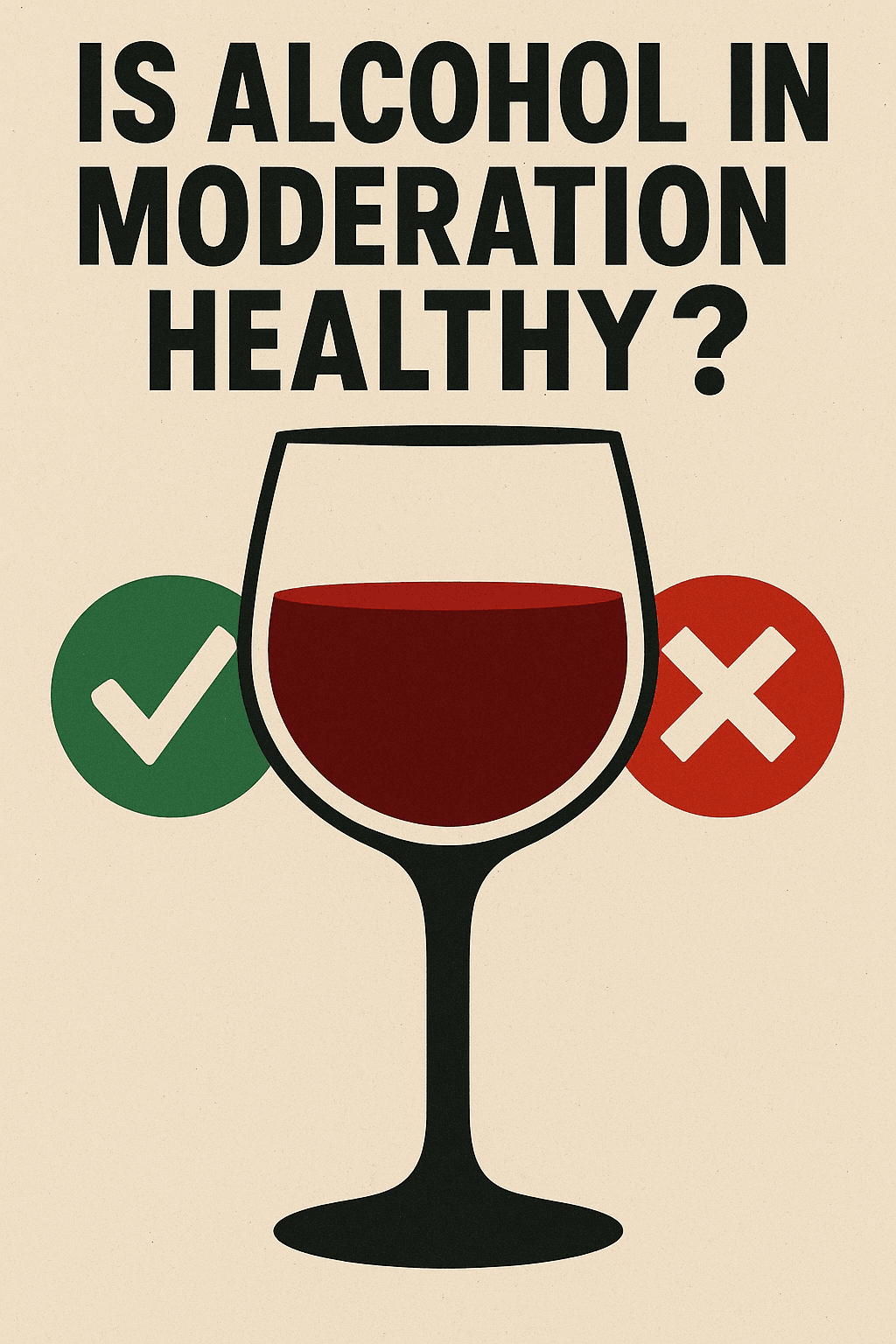
Is Alcohol in Moderation Healthy? Let’s not piss about.
Is Alcohol in Moderation Healthy? The phrase “everything in moderation” has become the ultimate societal hall pass, like chucking a filter on a toxic habit and calling it wellness. We limit it to wine, chocolate, screen time, and, yes, alcohol.
But here’s the inconvenient truth most people don’t want to face:
If you had to “moderate” heroin, would you still argue for balance?
Because that’s what we’re talking about here. Not healthy. Not self-care. Control. Over something that controls you.
🍷 “Moderation Is Healthy” – Let’s Define Healthy, Shall We?
The alcohol industry has done a masterclass in marketing. They’ve hijacked the language of self-care. A glass of red is now heart-healthy. To match the heart-health benefits seen in resveratrol research, you’d need to drink around 100 to 1,000 glasses of red wine per day, depending on the study, just to reach the doses used in lab trials.
Why?
The amount of resveratrol in one glass of red wine (about 150ml) is roughly 0.2 to 2 mg.
The studies suggesting heart health benefits use dosages of 100 to 1,000 mg per day.
So the idea that “a glass of red is heart-healthy” is marketing spin based on a compound that’s barely present in useful amounts in the wine itself. The actual resveratrol benefit? You’d drown in wine or destroy your liver before reaching therapeutic levels.
It’s one of the biggest health myths ever peddled by the booze industry. Prosecco means celebration. Moderation? They’ve made it sound like a virtue.
So when you say “moderation is healthy”, what exactly are you moderating? A toxin? A depressant? A substance that rewires your brain chemistry and lowers your life expectancy?
Sound “healthy” to you?
🤯 Here’s What “Moderate Drinking” Actually Looks Like
In the UK, moderate drinking is defined as:
No more than 14 units per week. That’s about 6 pints of beer or 6 glasses of wine spread across 7 days.
Now ask yourself:
Do you drink every week?
Do you binge at the weekend and abstain Monday to Thursday?
Do you think because you don’t blackout, it doesn’t count?
Most people who claim they drink “in moderation” are already over the limit.
Because the goalpost keeps moving depending on mood, stress, or what’s in the fridge.
💣 Let’s Talk About Why We’re Saying It
When people say “everything in moderation,” what they’re saying is: “I don’t want to give it up… but I know it’s bad for me.”
It’s not science. It’s not health advice. It’s justification wrapped in a meme.
You never hear someone say they eat rat poison in moderation. You never hear “just a little crack on weekends keeps me balanced.” But with alcohol? It’s normalised. Romanticised. Defended.
Why? Because the truth is uncomfortable.
✋ My Story: From “Controlled Drinking” to Fully Sober
I tried moderation. I read the books. Logged the units. Switched to low-strength lager. All bollocks. You can’t “moderate” a substance designed to disinhibit, numb, and addict. Eventually, the rules fall apart.
When I stopped lying to myself, the real change happened. And no, I didn’t wake up one day enlightened and ready to juice celery. I just got sick of feeling like shit.
The sleep got better. The anxiety left the building. I lost weight. My energy returned. And I started to remember what actual health feels like.
✅ What You Can Do Instead
Here’s what works if you’re serious about health:
Cut it out completely for 30 days and track your physical and mental state.
Replace the ritual, not just the drink – breathwork, cold plunges, mocktails, movement.
Unlearn the myths – challenge the stories you’ve been sold.
Look at your data, not your denial. Track sleep, mood, weight, and clarity.
Because you need real moderation? It isn’t in units. It’s in your excuses.
❓ FAQ: Is Alcohol in Moderation Healthy?
Q: Isn’t red wine good for your heart?
A: That study was bought and paid for. The benefits of resveratrol (the compound in red wine) can be found in grapes, berries, and dark chocolate, without the ethanol. Don’t believe the hype.
The amount of resveratrol in one glass of red wine (about 150ml) is roughly 0.2 to 2 mg.
The studies suggesting heart health benefits use dosages of 100 to 1,000 mg per day.
So the idea that “a glass of red is heart-healthy” is marketing spin based on a compound that’s barely present in useful amounts in the wine itself. The actual resveratrol benefit? You’d drown in wine or destroy your liver before reaching therapeutic levels.
Q: But loads of people drink and live long lives.
A: And some smokers never get cancer. Outliers aren’t evidence. The science is clear — alcohol increases your risk of almost everything you don’t want.
Q: Isn’t it about balance, though?
A: If you need a poison to feel “balanced,” your scales are off. Real balance comes from clarity, not coping mechanisms.
Q: What about one or two drinks a week?
A: You do yo?. But don’t call it healthy — call it what it is: a choice. Own it. Don’t dress it up.
🚀 Final Word on Is Alcohol in Moderation Healthy?
I’m not judging. I drank for over 40 years. I get it. But don’t call it healthy because society told you so. Call it what it is — a drug we’ve normalised.
If you’re ready to stop bullshitting yourself, I’m here.
Disclaimer: This article reflects the lived experience, research, and professional insights of the author, Ian Callaghan — a certified sobriety and mindset coach with over 12 years of experience helping individuals overcome addiction, PTSD, and emotional trauma.
The content is provided for educational and informational purposes only and should not be taken as medical advice. Always consult a qualified healthcare provider before making changes to your health, treatment plan, or sobriety journey.
If you are struggling with mental health or suicidal thoughts, please speak to your GP or contact a crisis support service like: 📞 Samaritans (UK) — Call 116 123 💬 NHS 111 — For urgent but non-emergency health advice
By Ian Callaghan | Veteran | Mindset & Sobriety Coach | 100% Sober | Still Here | Telling Your Story
Beyond Virality: The True Meaning of Telling Your Story
Let’s be clear, right from the outset: telling your story isn’t about going viral, chasing fleeting trends, or accumulating followers. It’s not a strategy for digital marketing; it’s a profound act of personal liberation.
I vividly remember the first time I dared to post something truly real online. It wasn’t polished, it wasn’t perfect, it was just… me. My hand shook uncontrollably as I hovered over the “post” button for what felt like an eternity. All I could hear in my head was a chorus of self-doubt: “Who the fuck do you think you are, putting yourself out there like this?” The resistance was immense, a tangible weight in my chest. Yet, defying that internal critic, I hit it anyway.
In that very moment, something profound cracked open within me. It wasn’t an external validation, because the likes that trickled in barely registered. The shift was entirely internal. It was the visceral sensation of finally stopping the exhausting act of hiding from myself. This powerful act of authentic expression, stripped of pretence, brought an immediate and profound sense of relief and liberation that no number of “views” could ever replicate.
This isn’t about follower counts, superficial metrics, or whether you’re “good on camera.”
This is fundamentally about you.
Your unique story.
Your unfiltered truth.
Your journey of healing.
Your ultimate freedom.
Through consistent, genuine sharing, I’ve organically built a community of almost 5,000 followers on TikTok. Every single one of those connections was earned through showing up as my unvarnished self, not through filters designed to obscure reality, not by blindly following fleeting trends, and certainly not by contorting myself into what the algorithm seemed to demand. And honestly? I wouldn’t trade one of those deeply genuine connections, forged in shared vulnerability, for 100,000 superficial, transactional connections. The quality of engagement, the depth of understanding far outweigh any quantitative measure.
Trust me when I say, I understand the allure of hiding. I spent 45 years drinking, meticulously concealing my true self, numbing my emotions, and performing a role I thought others wanted to see. It was an exhausting charade, a constant drain on my spirit. That all changed the day I decided to stop. That’s when I finally began the terrifying yet exhilarating process of sharing my truth as the man I truly am, shedding the suffocating mask I had worn for decades to survive. That singular shift transformed everything—not just my online presence, but the very fabric of how I live, breathe, and genuinely show up in the world every single day. It was the courageous beginning of my self-discovery through personal narrative and the cultivation of an unwavering resilience that now defines me.
Why Sharing Your Truth Matters: Even When You Feel Unseen
We’re constantly bombarded with the narrative that “content creation” is the exclusive domain of professional influencers, polished brands, or seemingly “perfect” individuals with curated white walls, flattering ring lights, and meticulously sanitised pasts.
Bollocks. That’s a myth designed to keep you small.
Telling your story is not for them; it is profoundly for you. It is a revolutionary way to take your power back from the circumstances, the shame, and the limiting beliefs that have held you captive. It’s an act of fierce rebellion against the suffocating grip of shame and self-judgment. It’s a loud, unwavering declaration that powerfully resonates:
“I’ve been through hell, I have faced unimaginable challenges, but I am still here. I stand before you, raw and honest, and here’s what I’ve learned from the depths of that experience.”
And here’s the quiet magic of it: if even one single person hears that unfiltered message, if they see a flicker of their own experience reflected in your words—if it helps them feel seen, truly understood, even for a fleeting moment—then you have accomplished something far more significant and impactful than most will ever achieve. Your purpose in sharing isn’t to be seen by the anonymous masses; your deepest motivation is to stop the painful act of hiding from yourself. You are sharing from the raw parts of your being, the vulnerable, unhealed spaces that once made you feel utterly alone, specifically so that no one else has to carry that isolating burden. It’s a gesture of profound empathy and connection, building bridges through shared human experience.
Building Real Confidence: The Journey of Vulnerable Sharing
Are you genuinely seeking profound personal growth and transformation?
If so, then it’s time to release the exhausting pursuit of numbers, the desperate chase of fleeting viral moments. Let go of the insidious myth that there’s some perfect, secret strategy to follow, some formulaic path to “success” in digital storytelling. True, sustainable growth is found in far more courageous acts.
True growth is about:
Being brave enough to speak your truth when your voice still shakes with fear or uncertainty. It’s about initiating that difficult conversation, hitting that record button, or typing those honest words when every fibre of your being wants to retreat.
Hitting “post” when your brain screams, with paralysing intensity, “Who the hell do you think you are to share this? You’re not ready! You’re not enough!” It’s a conscious decision to override that deeply ingrained self-criticism.
Showing your scars—not just the healed ones, but even those that are still raw and tender, before they’re fully closed—and doing it without flinching, without apologies, and without diminishing their significance. This is where immense strength and genuine connection reside.
That’s precisely what I commit to doing every single time I post. I do it sober, often scared, vulnerable, and yet, paradoxically, I emerge stronger, more integrated, and more authentically myself every single time. That is the fundamental difference. My content isn’t more polished, it’s not perfectly packaged, and it certainly isn’t devoid of imperfections; it is simply, profoundly, more honest. And that honesty, that raw transparency, is its power.
Because this courageous act isn’t just how you build genuinely powerful and resonant content.
That’s how you meticulously rebuild yourself, piece by authentic piece, after years of fragmentation.
That’s how you unearth and find your true voice again, after what might have felt like an eternity of silence, suppression, and self-abandonment.
That’s how you finally learn to stop seeking external permission to simply exist, to occupy your rightful space in the world, and to be seen for who you truly are.
The Unfiltered Truth About Online Authenticity
Here’s what too many people in the digital space neglect to tell you about cultivating online authenticity and understanding the genuine impact of sharing your narrative:
Numbers don’t reflect true impact; truth does. It’s a cold, hard fact that only a small percentage of your followers will ever see any given piece of your content. (I’ve had videos that soared to 300k views and others that crawled to a mere 200—and honestly, the number genuinely doesn’t matter in the grand scheme of true connection). The real, lasting resonance, the profound connection that shifts perspectives and changes lives, stems solely from your honesty, not from the arbitrary metrics of algorithmic reach.
Your fear is the real enemy, not the camera or the algorithm. The camera, an inanimate object, doesn’t judge you; you project your fears and insecurities onto it. The algorithm isn’t some malevolent entity designed to thwart your efforts; your deeply ingrained fear of being seen, of being vulnerable, of stepping into the spotlight, is the true resistance you must overcome. Stop blaming external factors like “reach” or “engagement rates” and start confronting the real, internal barrier: the terrifying fear of being seen for who you truly are, with all your perceived flaws and imperfections.
You need a truth that burns within you, not a perfectly defined “niche.” Forget the conventional wisdom of trying to squeeze yourself into a predefined category or corner of the internet. What you truly need is something profoundly real that burns in your gut, an undeniable passion or conviction that simply won’t shut up, won’t be silenced. That profound, often painful, truth you’ve buried deep within because it hurt too much, felt too vulnerable, or seemed too controversial to say out loud—that is precisely where your greatest power now resides. Embrace it.
Whether that unvarnished truth involves your challenging addiction recovery journey, a deeply personal breakdown you navigated, your ongoing healing process, your controversial opinions, your raw art, or even just your wonderfully awkward laugh—say it. Share it. Allow it to breathe, to exist in the open.
Because when you speak from that place of genuine, authentic self, when you lead with vulnerability, people don’t just hear you—they truly listen. I recall receiving a particularly impactful message after posting a video where I openly discussed a relapse I’d experienced years ago, a deeply vulnerable moment. The person who messaged me said it was the first time they didn’t feel like an utter failure for slipping up, that my honesty had permitted them to be imperfect. That single message powerfully reminded me that honesty doesn’t merely resonate within an individual; it creates a powerful, transformative ripple effect of community support, fosters deeper understanding, and catalyses profound healing through narrative.
Not everyone will connect with your unique story, and certainly not right away. Many will scroll past, some may even judge.
But the right ones will. And they’ll stay.
And they’ll thank you, often profoundly, for your vulnerability and your courage.
FAQs: Getting Real with Your Story Online
Have more questions about sharing your truth in the digital space? Let’s delve into some common hesitations and offer actionable insights.
Q: What if I don’t know what to say or where to begin?
A: The most powerful place to start is exactly where you are, in this very moment. Don’t overthink it or wait for perfect inspiration. Begin with a simple, honest statement: “Today was shit.” “I nearly drank, and it was hard.” “I’m surprisingly proud of myself for a small victory.” “I feel lost and uncertain about what comes next.” Whatever emotion or experience is truly real for you right now—say that. The truth doesn’t require a meticulously crafted script, eloquent prose, or a grand plan; it simply needs to be expressed, authentically and vulnerably. Start small, allow your story to unfold organically, and trust that your voice will strengthen with each act of sharing.
Q: I’m not a professional coach, a seasoned creator, or an “expert.” Why would anyone care about my story?
A: The fundamental reason is this: there’s someone just a few steps behind you on a similar path who desperately needs to hear precisely what you have to say. You don’t need to hold a specific title or have all the answers to provide profound guidance and impact. You just need to be courageously honest about your lived experience, your struggles, and your triumphs. That raw act of authentic self-expression, sharing your journey without pretence, is a powerful form of leadership. That is true service to others. And that, unequivocally, is the impact that transcends formal qualifications. Your story, in its unvarnished form, holds immense value.
Q: Won’t people judge me for sharing my story?
A: Some people will, yes. Let’s be realistic about that. But consider this: they were likely already judging in silence, based on assumptions or their own biases. By sharing your truth, you reclaim your power and give them something real to react to, rather than lingering in their silent projections. So what if they judge? Let them scroll on by. Their judgment is a reflection of them, not you. The ones who truly matter, the ones who are aligned with authenticity and empathy, will recognise the immense courage it takes to be real. And those are precisely the people you want in your corner anyway—the ones who value truth, vulnerability, and genuine human connection over superficial perfection.
Q: I hate how I look/sound on camera when I tell my story. My voice trembles, and I look awkward.
A: Yeah, that feeling is incredibly common, and I certainly experienced it at first, too. But here’s the crucial realisation: it’s not about me looking “good,” sounding polished, or performing perfectly. It’s fundamentally about being truthful, about conveying an authentic message. Confidence isn’t about being fearless; it’s about acknowledging your fear and doing it anyway. It’s about taking action despite the discomfort. Your nervous system, which has likely been conditioned to associate being seen with a potential threat, needs tangible proof that it’s safe to be visible. Consistently pressing “post,” even when you feel awkward or scared, is undeniable proof. Each act of sharing slowly, steadily, rewires that perception of threat into one of safety and empowerment.
Final Thoughts: Your Story is Bigger Than Content
Let’s reiterate this vital truth: Telling your story isn’t merely about “being good on social media” or mastering algorithms. It transcends all of that.
This is about the profound act of reclaiming:
Your authentic voice.
Your powerful, unique story.
Your true identity, unburdened by external expectations.
Your fing life—every raw, beautiful, and challenging piece of it.*
If you’ve ever had that insidious thought, “Who’d want to hear from me? My story isn’t important enough,”—let me answer that definitively, with unwavering conviction:
You.
You, above all else, need to hear from you. You need to stop abandoning yourself, sacrificing your truth, and staying silent solely to avoid being misunderstood or judged by others. You need to start showing up in the world, with all your imperfections and wisdom, as if your story truly matters—because it does. Deeply, intrinsically, undeniably.
Whether you’ve got 6 followers or 6,000,000—it’s not about the numerical measure of your audience. It’s about the transformative act of not staying silent anymore. It’s about consciously choosing expression over suppression, vulnerability over hiding, every single time. It’s an ongoing, daily commitment to your truth.
So, post. Anyway.
Write. Speak. Share.
From the quiet pain you carry. From the burning fire of your passions. From the messy process of your healing. From the tiny, seemingly insignificant victories.
From wherever you are right now, in this precise moment.
Because your message matters. It has the power to connect, to inspire, to heal.
If you want to see this philosophy in action and connect with a community focused on genuine sobriety stories, self-acceptance, and the power of shared experience, follow my journey on TikTok—you’ll find real moments, raw truth, and absolutely no filters. It’s not for the algorithm; it’s for you.
Ready to start sharing your truth?
Message me directly—there’s no pressure, just a safe and supportive space to be heard without judgment. I don’t care about polish; I care about real.
Alternatively, join the Sober Beyond Limits Facebook group to connect with others walking the same path toward healing, freedom, and authentic self-expression.
The Unspoken Truth: Why Sobriety Feels Different After 40
Are you over 40 and finding your sobriety journey feels uniquely challenging? If you’re seeking lasting sobriety, especially a path like Reiki for Midlife Sobriety, you know it’s not just about putting down a drink or a substance. You’ve navigated decades of career demands, raised families, and cared for ageing parents. With this wisdom comes accumulated stress, responsibilities, and often, quiet burdens that weigh heavily. It’s about confronting years of ingrained patterns, deeply rooted coping mechanisms, and perhaps, a profound, deep-seated longing for something more meaningful and fulfilling than what you’ve known.
For many over 40, the path to lasting well-being isn’t merely about willpower or avoiding triggers. It’s about a comprehensive healing of the layers of accumulated stress that have built up over decades, the unresolved emotions that whisper in the quiet moments, and the spiritual disconnect that often fuels unhealthy habits and a sense of emptiness. You might be experiencing:
Chronic Fatigue & Burnout: This isn’t just feeling tired; it’s the sheer exhaustion of juggling decades of life’s demands – career pressures, family responsibilities, financial worries, and the constant mental load. This deep fatigue can make it incredibly difficult to find the energy for recovery work, often leading back to old, familiar (though harmful) comforts.
Existential Questions: Midlife often brings a quiet questioning of purpose, identity, and what truly brings joy. You might be asking, “Is this all there is?” or “Who am I, really, without the old crutches?” This period of introspection, while natural, can sometimes lead to anxiety or a sense of being lost, making the call of old habits stronger.
Physical Aches & Pains: The body shows signs of wear and tear, sometimes exacerbated by past choices. Years of stress or substance use can manifest as chronic pain, digestive issues, or compromised immune function. These physical discomforts can become significant obstacles to maintaining sobriety and overall vitality.
Deep-Seated Emotional Patterns: Old wounds or coping strategies that no longer serve you, but are incredibly hard to break. These patterns, often formed in youth, have become deeply ingrained, making it challenging to respond to life’s challenges in new, healthier ways. Unprocessed grief, anger, or fear can linger, creating fertile ground for relapse.
Feelings of Isolation: As social circles shift, children leave home, or family dynamics change, a sense of profound loneliness can emerge. The community and support systems that once existed might no longer be present, leaving you feeling adrift and vulnerable, especially during a time of significant personal change.
This isn’t just about ‘getting sober’; it’s about reclaiming your life, your energy, and your authentic self in midlife. It’s about building a foundation for genuine happiness and peace, and finding a path to midlife addiction recovery that truly lasts, leading to a life of purpose and presence.
Beyond the Surface: How Holistic Healing Changes the Game
This is where a holistic well-being over 40 approach, one that honours your mind, body, and spirit as interconnected parts of a whole, becomes not just beneficial, but essential. Traditional recovery methods are undeniably vital and form a crucial part of the foundation, but they often focus primarily on behaviour modification and cognitive restructuring. While effective for many, they sometimes fall short in addressing the deeper, more subtle energetic and emotional undercurrents that drive addiction and chronic distress, especially in individuals who have carried these burdens for decades.
Holistic practices, like Reiki, delve deeper. They acknowledge that true spiritual healing for addiction involves addressing the underlying energetic and emotional imbalances that contribute to addiction and distress. It’s about recognising that our experiences, traumas, and suppressed emotions don’t just disappear; they get stored within our energetic field and physical body, influencing our thoughts, feelings, and behaviours. By working with these deeper layers, holistic healing offers a more comprehensive and sustainable path to freedom. As a Reiki Master focused on Reiki for Midlife Sobriety, I’ve witnessed firsthand the profound shifts that occur when individuals open themselves to this gentle yet powerful energy healing for recovery. It’s not about quick fixes; it’s about deep, sustainable transformation that resonates through every aspect of your being.
Reiki: Your Gentle Guide to Deeper Healing and Lasting Sobriety
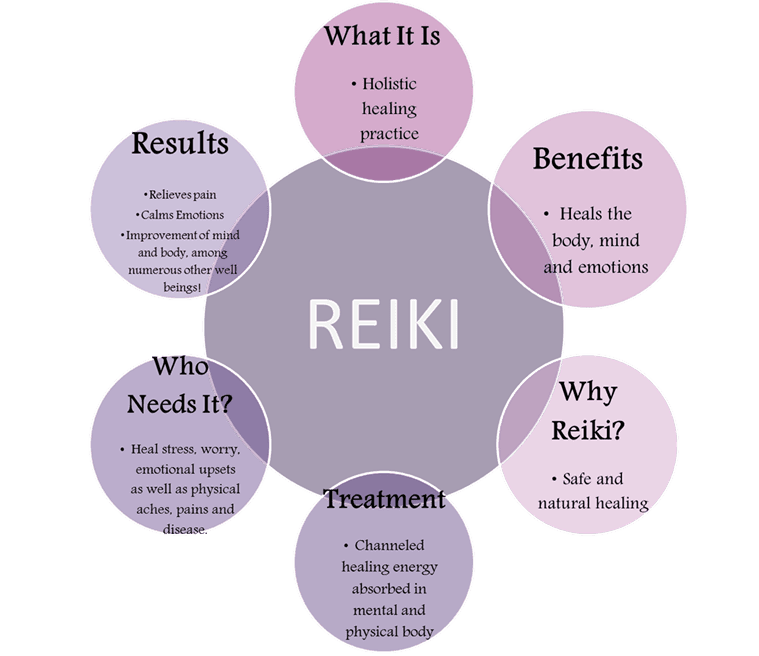
Reiki is a Japanese technique for stress reduction and relaxation that also promotes healing. It’s based on the idea that an unseen “life force energy” flows through us, often referred to as “Ki” or “Chi.” When this energy is low or blocked due to stress, trauma, or unhealthy lifestyle choices, we’re more likely to feel unwell, emotionally imbalanced, or prone to unhealthy coping mechanisms. When it’s high and flowing freely, we feel more vibrant, resilient, and connected to our innate well-being.
Here’s how Reiki for Midlife Sobriety specifically supports your sobriety and well-being journey after 40, addressing common over-40 sobriety challenges with profound gentleness and effectiveness:
Energy Balancing & Stress Reduction: Reiki works directly on your body’s subtle energy systems, helping to clear blockages and restore harmonious flow. This process naturally helps to calm your nervous system, reducing the overwhelming stress and anxiety that can trigger cravings or lead to burnout. Imagine a gentle wave washing over you, soothing anxieties, releasing tension from your muscles, and promoting a state of deep relaxation. This profound calming effect can significantly improve sleep quality, enhance mental clarity, and boost overall energy levels, making the daily demands of life feel more manageable. It’s a powerful Reiki benefit for anxiety that goes beyond mere relaxation.
Supporting Emotional Release: Many of us, especially as we age, hold onto past traumas, unresolved grief, or suppressed anger within our bodies. These emotional burdens can create energetic stagnation, contributing to physical ailments and emotional distress that often fuel addictive behaviours. Reiki can gently facilitate the emotional release in recovery of these stagnant emotional energies, often without the need for extensive verbal processing or re-living painful experiences. This can be incredibly liberating, allowing you to shed old emotional weight and create space for new, healthier emotional patterns, especially beneficial for those who find traditional talk therapy challenging or overwhelming.
Enhancing Mindfulness & Presence: A Reiki session naturally encourages you to be present in the moment, focusing on sensations and the flow of energy. This cultivated awareness is a cornerstone of both sobriety and overall well-being. It helps you recognise triggers in real-time, observe thoughts and emotions without judgment, and make conscious choices, rather than reacting on autopilot to old impulses. This practice of presence empowers you to build new, healthier habits and responses to life’s inevitable ups and downs, fostering a deeper connection to your inner self.
Cultivating Self-Compassion: The nurturing and unconditional energy of Reiki fosters a deep sense of self-acceptance and compassion. For those who carry shame, guilt, or self-blame from past struggles with addiction, this gentle embrace can be profoundly healing. It helps to dissolve the harsh inner critic, allowing you to develop a kinder, more supportive relationship with yourself. This shift from self-criticism to self-compassion is essential for sustained recovery, as it builds resilience and prevents the cycle of self-sabotage.
Facilitating Spiritual Connection: For many, addiction stems from a spiritual void, a feeling of disconnection from something greater than themselves, or a lack of meaning. Reiki can help re-establish a profound sense of connection – whether it’s with your inner wisdom, universal life force energy, or a higher power of your understanding. This renewed sense of purpose, belonging, and spiritual alignment is a powerful anchor in recovery, helping you find purpose after 40 and beyond.
My Journey / A Path to Authenticity
My own Reiki journey began over a dozen years ago, coinciding with my path of personal development. It’s been a constant, invaluable tool ever since, evolving with me through various life stages. On my sobriety journey, I integrate self-healing daily with my meditation and cold water therapy. This powerful combination of energy work, mindful introspection, and exposure to invigorating elements has been profoundly transformative, offering a deep sense of peace, clarity, and resilience that I now share with others. It’s a testament to the power of holistic practices in creating lasting change. To learn more about my journey and approach, you can visit my page on being a Sober Coach.
What to Expect from Reiki on Your Sobriety Path
A Reiki session is typically performed with you fully clothed, either lying comfortably on a massage table or sitting in a chair. The practitioner places their hands lightly on or just above various parts of your body, following a traditional sequence or intuitively guided positions. Most people experience a profound sense of relaxation, warmth, tingling, or simply a deep sense of peace and calm. Some may even drift into a meditative state or light sleep. It’s a safe, non-invasive practice that creates a supportive, non-judgmental space, and it complements any other medical or psychological treatment you may be receiving. This is a powerful form of natural addiction support that works in harmony with other recovery methods, enhancing their effectiveness and supporting your overall healing journey.
Taking the First Step: A Call to Inner Peace and Holistic Recovery
If you’re over 40 and seeking a deeper, more authentic path to sustainable sobriety and mind-body-spirit healing, one that addresses the whole you, consider exploring the gentle yet transformative power of Reiki for Midlife Sobriety. It’s important to understand that while Reiki is profoundly supportive, it is not a substitute for medical advice or professional addiction treatment, but rather a powerful complementary therapy that enhances your overall healing journey. It’s not just about abstaining; it’s about healing, reconnecting with your true self, and rediscovering the vibrant, purposeful life that truly awaits you.
Ready to explore a holistic approach to your midlife well-being?
Used to monitor number of Google Analytics server requests when using Google Tag Manager
1 minute
_gid
ID used to identify users for 24 hours after last activity
24 hours
_ga_
ID used to identify users
2 years
_gali
Used by Google Analytics to determine which links on a page are being clicked
30 seconds
_ga
ID used to identify users
2 years
__utmx
Used to determine whether a user is included in an A / B or Multivariate test.
18 months
__utmv
Contains custom information set by the web developer via the _setCustomVar method in Google Analytics. This cookie is updated every time new data is sent to the Google Analytics server.
2 years after last activity
__utmz
Contains information about the traffic source or campaign that directed user to the website. The cookie is set when the GA.js javascript is loaded and updated when data is sent to the Google Anaytics server
6 months after last activity
__utmc
Used only with old Urchin versions of Google Analytics and not with GA.js. Was used to distinguish between new sessions and visits at the end of a session.
End of session (browser)
__utmb
Used to distinguish new sessions and visits. This cookie is set when the GA.js javascript library is loaded and there is no existing __utmb cookie. The cookie is updated every time data is sent to the Google Analytics server.
30 minutes after last activity
__utmt
Used to monitor number of Google Analytics server requests
10 minutes
__utma
ID used to identify users and sessions
2 years after last activity
_gac_
Contains information related to marketing campaigns of the user. These are shared with Google AdWords / Google Ads when the Google Ads and Google Analytics accounts are linked together.