Masculinity and Mental Health. Masculinity has long been associated with strength, resilience, and the ability to handle any challenge that comes your way. Unfortunately, this traditional notion of masculinity can also make it difficult for men to seek help for mental illness.
The intersection of masculinity and mental illness is a complex issue that can be influenced by cultural and societal expectations, as well as personal beliefs and experiences. Here are some ways that traditional masculinity can affect men’s mental health:
Affects on Mental Health
Stigma and shame: Many men believe that seeking help for mental illness is a sign of weakness or failure, which can lead to feelings of shame and stigma. Men may worry about being judged or ostracized by their peers if they admit to struggling with mental health issues.
Avoidance of emotions: Traditional masculinity often encourages men to suppress their emotions and “tough it out” in the face of adversity. This can make it difficult for men to recognize and express their feelings, which can lead to a range of mental health issues, including depression and anxiety.
Reliance on substance use: In an effort to cope with stress or difficult emotions, men may turn to substance use as a means of self-medication. This can quickly lead to addiction and exacerbate existing mental health issues.
Aggressive behavior: In some cases, traditional notions of masculinity can contribute to aggressive or violent behavior, particularly in situations where men feel like their masculinity is being challenged.
Barriers to treatment: Even when men do recognize the need for help, there can be significant barriers to accessing treatment. These barriers can include a lack of mental health resources in their community, financial concerns, and concerns about confidentiality.
So, what can be done to address the intersection of masculinity and mental illness? Here are some strategies that can help:
Strategies for Mental Health
Education: Men need to be educated about the realities of mental illness and the fact that seeking help is a sign of strength, not weakness.
Role models: Men need positive role models who demonstrate that it is possible to be masculine and seek help for mental health issues.
Supportive environments: Men need safe and supportive environments where they can express their emotions and seek help without fear of judgement or stigma.
Therapy: Therapy can be an effective tool for helping men recognize and express their emotions, and develop healthy coping strategies.
Community involvement: Men can benefit from getting involved in their communities and building strong social connections, which can help them feel supported and valued.
The intersection of masculinity and mental illness is a complex issue that requires ongoing attention and effort. By challenging traditional notions of masculinity and promoting mental health awareness, we can help men overcome the barriers that prevent them from seeking help and live happier, healthier lives.
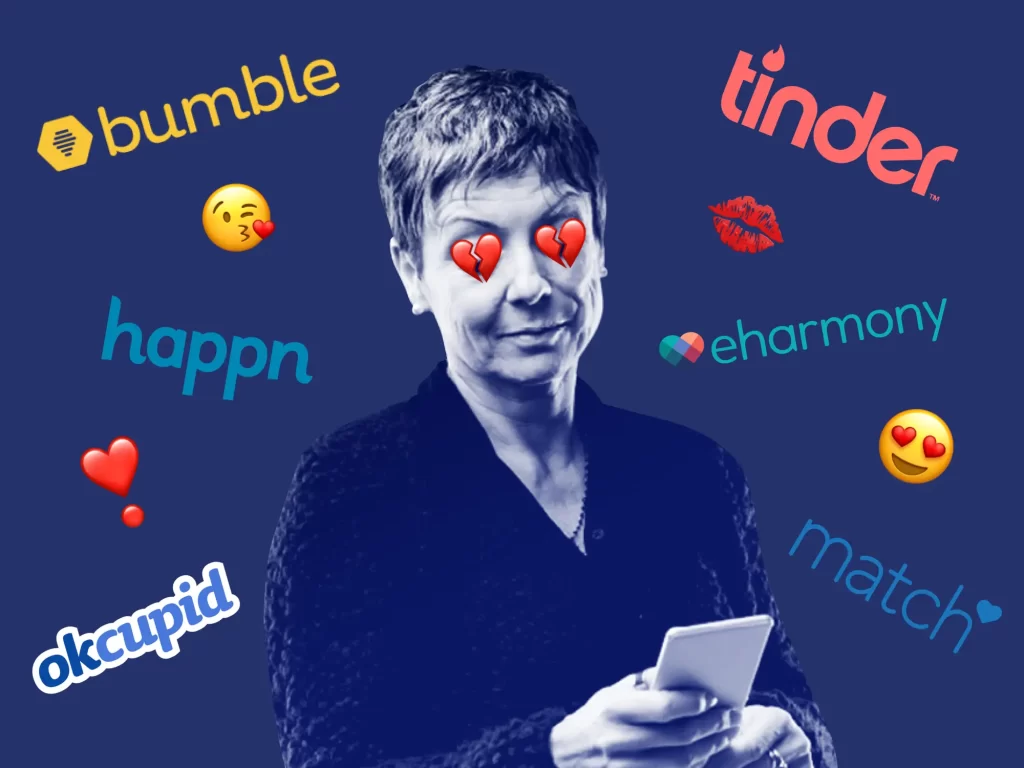
Online dating over 50’s online dating has become increasingly popular in recent years, with more and more people turning to the internet to find love and companionship. While online dating can be a great way to meet new people, it can also be a challenging experience, especially for men in their 50s. In this blog post, we will explore some tips and advice for men in their 50s who are interested in online dating.
Hints and tips
Choose the right dating site
There are many different dating sites to choose from, and it’s important to choose the right one for you. Some dating sites cater to specific age groups or interests, so do your research and find a site that caters to your needs. Some popular dating sites for men in their 50s include eHarmony, Match.com, and OurTime.
Be honest in your profile
When creating your online dating profile, it’s important to be honest about who you are and what you’re looking for. Don’t be tempted to exaggerate your interests or accomplishments, as this will only lead to disappointment down the line. Be clear about your intentions and what you’re looking for in a partner, and don’t be afraid to be specific about your preferences.
Use current photos
One of the biggest mistakes men make in online dating is using old or outdated photos. It’s important to use current photos that accurately reflect what you look like now. If you’re not happy with your appearance, consider working on yourself first before getting back into the dating game.
Be patient
Online dating can be a slow process, and it’s important to be patient. Don’t expect to find your perfect match right away, and don’t get discouraged if you don’t receive a lot of messages or responses at first. Keep putting yourself out there and eventually, you will find someone who is a good fit for you.
Be cautious
While online dating can be a great way to meet new people, it’s important to be cautious. Never give out personal information such as your address or phone number until you feel comfortable with the person. Always meet in a public place for your first few dates, and trust your instincts if something doesn’t feel right.
In conclusion, online dating can be a great way for men in their 50s to meet new people and potentially find love. By choosing the right dating site, being honest in your profile, using current photos, being patient, and being cautious, you can increase your chances of success in the online dating world. Remember, it’s never too late to find love, so don’t be afraid to put yourself out there and give it a try.
With the rise of dating apps and websites, it’s easier than ever to find someone who shares your interests and values. However, online dating also has its pitfalls that are important to be aware of. In this blog post, we will explore some of the pitfalls of online dating.
Pitfalls for online dating over 50’s
Catfishing
One of the most significant pitfalls of online dating is catfishing, which is when someone pretends to be someone else online. Catfishing can lead to disappointment, heartache, and even financial loss if you’re not careful. To avoid falling victim to catfishing, it’s important to be cautious and do your research before getting too involved with someone you’ve met online.
Misrepresentation
Another potential pitfall of online dating is misrepresentation. People often present an idealised version of themselves online, and it’s easy to get caught up in the excitement of meeting someone new. However, it’s important to remember that people may not always be honest about their age, appearance, or interests. Take your time to get to know someone before getting too invested, and be wary of red flags that may indicate misrepresentation.
Ghosting
Ghosting is when someone suddenly stops responding to your messages or calls, without any explanation. While it’s not uncommon in the online dating world, it can be hurtful and frustrating. Unfortunately, there’s not much you can do to prevent ghosting, but it’s important to remember that it’s not a reflection of your worth as a person.
Scams
Online dating scams can be a serious issue, with scammers using fake profiles to trick people into giving them money or personal information. Be cautious of anyone who asks for money or tries to get personal information from you. Always meet in a public place for your first few dates, and never give out your home address or personal phone number until you feel comfortable.
Addiction
Finally, online dating can become addictive, leading to a never-ending cycle of swiping, messaging, and meeting new people. While online dating can be a great way to meet potential partners, it’s important to remember that it’s not the only way to find love. Take breaks from dating if you feel overwhelmed, and focus on other aspects of your life as well.
In conclusion, online dating over 50’s can be a great way to meet new people, but it’s important to be aware of the potential pitfalls. To avoid disappointment, be cautious, take your time to get to know someone, and be aware of red flags. Remember, online dating is just one way to meet people, so don’t get too caught up in it and focus on other aspects of your life as well.
Alcohol is one of the most widely consumed substances globally, with millions of people consuming it regularly. While moderate drinking may be safe for some people, heavy and prolonged alcohol use can have serious effects on mental health. In this blog post, we will discuss the effects of alcohol on mental health and the consequences of long-term alcohol abuse.
Depression and Anxiety
One of the most significant effects of alcohol on mental health is the increased risk of depression and anxiety disorders. Alcohol is a depressant, and while it may temporarily relieve feelings of anxiety or stress, it can ultimately worsen these symptoms. In some cases, alcohol abuse can lead to a substance-induced mood disorder, where the individual experiences severe depression or anxiety as a result of alcohol use.
Memory and Cognitive Function
Long-term alcohol abuse can have severe effects on cognitive function, including memory loss and difficulty with decision-making and problem-solving. This is because alcohol can damage the hippocampus, a part of the brain responsible for memory and learning. Studies have shown that alcohol abuse can lead to a significant reduction in brain volume, particularly in the prefrontal cortex, which can lead to cognitive impairment.
Sleep Disorders
Alcohol consumption can also lead to sleep disorders, including insomnia and sleep apnea. While alcohol may initially help individuals fall asleep, it can ultimately disrupt the sleep cycle, leading to poor quality sleep and daytime fatigue. Sleep disorders can have severe effects on mental health, including depression and anxiety.
Psychosis
In some cases, heavy alcohol use can lead to psychosis, a severe mental disorder characterised by delusions, hallucinations, and disordered thinking. Alcohol-induced psychosis can occur during acute intoxication or as a result of long-term alcohol abuse. Individuals with a history of mental illness, such as schizophrenia, are particularly vulnerable to alcohol-induced psychosis.
Increased Risk of Suicide
Alcohol abuse is a significant risk factor for suicide, particularly among individuals with a history of depression or other mental health disorders. Alcohol can lower inhibitions, leading to impulsive behavior and poor decision-making. It can also worsen feelings of hopelessness and despair, leading individuals to contemplate or attempt suicide.
In conclusion, alcohol abuse can have severe effects on mental health, including depression, anxiety, cognitive impairment, sleep disorders, psychosis, and an increased risk of suicide. If you or someone you know is struggling with alcohol abuse or mental health issues, it is essential to seek professional help. Treatment options, including therapy and medication, are available to help individuals manage their mental health and overcome addiction.
Alcohol and Mental Health in the UK:
Understanding the Link and Finding Support
Alcohol use disorder (AUD) is a prevalent mental health issue in the UK, with millions of people affected by it every year. According to a report by the NHS, 1 in 10 men and 1 in 20 women in the UK have AUD, and it is estimated to cost the economy billions of pounds annually. AUD can cause a range of mental health issues, including anxiety, depression, and suicidal thoughts, among others. In this post, we will explore the link between alcohol and mental health in the UK, how it affects different demographics, and highlight some of the charities and organisations that offer support to those struggling with AUD.
The Link Between Alcohol and Mental Health
The link between alcohol and mental health is well established, and there are several ways in which alcohol use can affect mental health. Alcohol is a depressant, and overconsumption can lead to feelings of sadness, hopelessness, and despair. It can also exacerbate symptoms of pre-existing mental health issues, such as anxiety and depression, and can cause mood swings, irritability, and aggression. Furthermore, alcohol use can lead to poor decision-making, impaired judgment, and memory loss, all of which can impact mental health negatively.
Men and Women: Differences in Alcohol Use and Mental Health
The impact of alcohol use disorder differs between men and women. Women are generally more susceptible to the negative effects of alcohol than men, as they have a lower tolerance for it. Women also tend to experience AUD and associated problems, such as liver damage and mental health issues, at lower levels of alcohol consumption than men. Moreover, women who drink alcohol during pregnancy put their unborn child at risk of developing fatal alcohol syndrome (FAS), which can cause permanent damage to the child’s brain and nervous system.
On the other hand, men are more likely to engage in binge drinking and have higher rates of alcohol-related deaths than women. According to a report by Public Health England, men are three times more likely to die from alcohol-related causes than women in the UK.
UK Veterans: Higher Risk of AUD and Mental Health Issues
UK veterans, particularly those who have served in combat situations, are also at a higher risk of developing AUD and associated mental health issues. This is due to the exposure to traumatic events and high levels of stress that come with serving in the military. According to a report by the Royal British Legion, veterans are more likely to engage in hazardous drinking than the general population, and alcohol use is a significant risk factor for mental health issues such as PTSD and depression.
Social Demographics: Income, Domestic Abuse, and Stressful Occupations
AUD and associated problems also vary across social demographics in the UK. Individuals from lower socioeconomic backgrounds are more likely to develop AUD and its associated problems, including mental health issues. According to a study by the Institute of Alcohol Studies, individuals living in areas with higher levels of deprivation and unemployment are more likely to have a higher alcohol consumption rate and suffer from alcohol-related health issues. Additionally, victims of domestic abuse are more likely to develop AUD and associated mental health issues, such as anxiety and depression.
Certain occupations with high levels of stress, such as healthcare workers, police officers, and military personnel, are also at an increased risk of developing AUD and associated mental health issues. This is partly due to the exposure to traumatic events and high levels of stress that come with these jobs.
Here is a list of charities and organizations that offer support and resources for those affected by alcohol-related mental health issues in the UK:
Alcohol Change UK –
A charity that provides information and support to people who are struggling with alcohol misuse. They have a wealth of resources on their website, including a directory of local alcohol services and a tool to help people find support in their area. Website: https://alcoholchange.org.uk/
Drinkaware –
A charity that promotes responsible drinking and helps people make better choices about their alcohol consumption. They provide a range of tools and resources on their website, including an app that can help people track their drinking and set goals. Website: https://www.drinkaware.co.uk/
Mind –
A charity that provides support and advice to people with mental health problems. They have a dedicated section on their website for people who are struggling with alcohol and drug addiction. Website: https://www.mind.org.uk/
The Samaritans –
A charity that offers emotional support to people who are struggling with mental health problems or who are feeling suicidal. They provide a confidential helpline that is available 24/7. Website: https://www.samaritans.org/
a worldwide fellowship that provides support to people who are struggling with alcohol addiction. They offer regular meetings and a 12-step program to help people overcome their addictions. Website: https://www.alcoholics-anonymous.org.uk/
Adfam –
a charity that provides support to families affected by drug and alcohol addiction. They offer a range of resources on their website, including advice on how to support a loved one who is struggling with addiction. Website: https://adfam.org.uk/
Turning Point –
a charity that provides support and advice to people who are struggling with addiction. They have a range of services, including community outreach programs and residential treatment centres. Website: https://www.turning-point.co.uk/
Action on Addiction –
a charity that provides support and resources to people who are struggling with addiction. They have a range of services, including residential treatment centres and community outreach programs. Website: https://www.actiononaddiction.org.uk/
The Mix –
a charity that provides support to young people aged 25 and under. They have a dedicated section on their website for people who are struggling with alcohol and drug addiction. Website: https://www.themix.org.uk/
All these charities and organizations offer valuable support and resources to people who are struggling with alcohol-related mental health issues in the UK. It’s important to remember that there is no shame in seeking help and that support is available to anyone who needs it.
Used to monitor number of Google Analytics server requests when using Google Tag Manager
1 minute
_gid
ID used to identify users for 24 hours after last activity
24 hours
_ga_
ID used to identify users
2 years
_gali
Used by Google Analytics to determine which links on a page are being clicked
30 seconds
_ga
ID used to identify users
2 years
__utmx
Used to determine whether a user is included in an A / B or Multivariate test.
18 months
__utmv
Contains custom information set by the web developer via the _setCustomVar method in Google Analytics. This cookie is updated every time new data is sent to the Google Analytics server.
2 years after last activity
__utmz
Contains information about the traffic source or campaign that directed user to the website. The cookie is set when the GA.js javascript is loaded and updated when data is sent to the Google Anaytics server
6 months after last activity
__utmc
Used only with old Urchin versions of Google Analytics and not with GA.js. Was used to distinguish between new sessions and visits at the end of a session.
End of session (browser)
__utmb
Used to distinguish new sessions and visits. This cookie is set when the GA.js javascript library is loaded and there is no existing __utmb cookie. The cookie is updated every time data is sent to the Google Analytics server.
30 minutes after last activity
__utmt
Used to monitor number of Google Analytics server requests
10 minutes
__utma
ID used to identify users and sessions
2 years after last activity
_gac_
Contains information related to marketing campaigns of the user. These are shared with Google AdWords / Google Ads when the Google Ads and Google Analytics accounts are linked together.