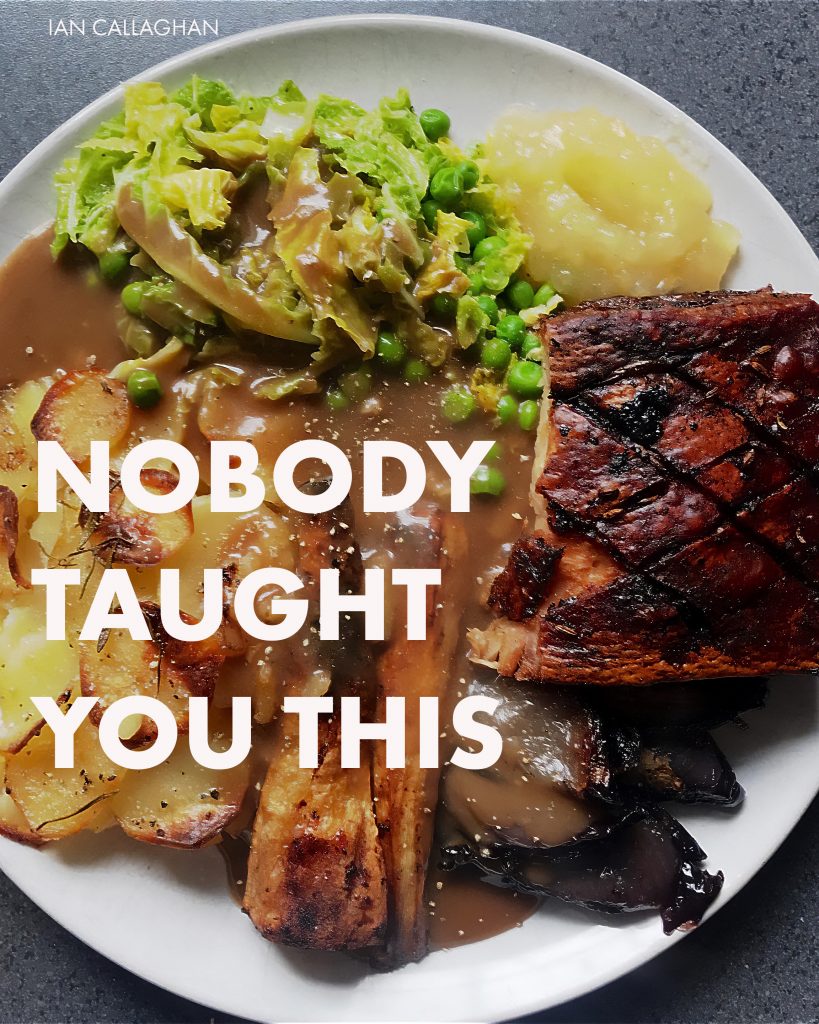
If you want to know how to cook real food on a budget, the answer is not where the food industry wants you to look. It is not in a meal kit subscription, a protein powder, or a supermarket-ready meal that costs three pounds and feeds nobody properly. The answer is in the cuts of meat your butcher is almost giving away, the bones you have been throwing in the bin, and the techniques that every traditional kitchen used before convenience food decided that knowing how to cook was someone else’s problem.
This is not about eating less. It is not about sacrifice. It is about understanding that a one-kilo ox cheek braised in red wine for four hours costs less than a supermarket pizza and produces something that a restaurant would charge thirty pounds for on a menu, calling it heritage cooking.
“The most expensive cut is not the best cut. It is just the most fashionable one. Fashion is not a reason to spend money.”
Why Real Food on a Budget Starts with the Cuts Nobody Wants
Walk into any supermarket, and the meat counter is organised by what the food industry has trained you to want. Chicken breasts. Lean mince. Sirloin steaks. Everything is lean, boneless, quick to cook, and priced accordingly.
Walk into a butcher’s and ask for ox cheeks, lamb breast, pork belly, shin of beef, or oxtail. Watch the price drop by sixty to eighty per cent compared to the premium cuts. These are not inferior cuts. They are different cuts. They contain collagen and connective tissue that convert to gelatin during a low, slow braise, producing a sauce and a texture that no expensive cut can replicate.
The Italians understood this. French grandmothers understood this. Every cuisine that has ever had to feed people properly understood this. The cheap cuts are not a compromise. They are the point.
The cheap cuts worth knowing
- Ox cheeks – Around £4 to £6 per kilo. Braise in red wine for four hours. Better than any fillet steak you have ever eaten.
- Lamb breast – Around £3 to £5 per kilo. Stuffed, rolled and slow roasted. The most undervalued cut on the animal.
- Shin of beef – Around £4 to £6 per kilo. The highest concentration of collagen of any beef cut. Stew it low and slow.
- Pork belly – Around £4 to £6 per kilo. Overnight dry brine, low slow roast, twenty minutes of high heat for the crackling. Extraordinary.
- Oxtail – Around £5 to £8 per kilo. Makes its own broth as it braises. One pot, two meals.
How to Cook Real Food on a Budget: The Bone Broth Principle
Every time you finish a roast chicken, you throw away a litre and a half of bone broth. You just do not know it yet.
The carcass, the bones, the cartilage, put them in a pot with cold water, a splash of apple cider vinegar, and whatever vegetable scraps are in the freezer. Simmer for four to six hours. Strain it. Refrigerate overnight. In the morning, there will be a layer of fat on top, and underneath it, something that sets to a light jelly when cold.
That jelly is gelatin. It is fifty-pound jars of collagen peptides that are trying to replicate. You made it from what you were throwing away. It costs nothing.
Use it as the base for soups, for cooking rice, for deglazing pans, for adding to stews and braises. One habit, made from bones you already bought, that transforms everything you cook with it.
“Everything you need is already there. You were just throwing it away.”
The bone broth method in brief
- Save all bones in a bag in the freezer.
- When the bag is full, cover with cold water and a splash of apple cider vinegar.
- Simmer for four to six hours for chicken, up to twenty-four hours for beef bones.
- Strain, cool, and refrigerate overnight.
- The jelly underneath the fat layer is what you are making it for.
The Five Cheap Ingredients That Do the Most Work
Cooking real food on a budget is not about spending less on everything. It is about knowing which cheap ingredients do the most nutritional and flavour work per pound spent.
1. Red lentils
Under a pound per kilo. Iron, folate, plant protein, prebiotic fibre. Cook for 25 minutes from dry to a deeply satisfying soup. Bulk out cottage pie mince and nobody notices. The most nutritious cheap food is available in any supermarket.
2. Tinned mackerel in olive oil
Under a pound a tin. More omega-3 per gram than almost any other food. More B12 than a chicken breast. Read the tin before you buy. Mackerel in sunflower oil is a machine lubricant dressed up as food. Olive oil only.
3. Eggs from a proper source
A free-range egg from a hen that lived outside contains significantly more vitamin D, omega-3, and nutrients than a battery egg. The price difference is pennies per egg. The nutritional difference is not pennies.
4. A whole chicken rather than chicken breasts
A five-pound free-range chicken feeds four people for dinner, provides cold meat for lunch the next day, and produces a carcass worth a litre and a half of bone broth for the week after that. A pack of factory chicken breasts at the same price feeds two people once and leaves nothing behind.
5. Pearl barley
Under a pound per kilo. Swells in stock and releases beta-glucan as it cooks, thickening broth naturally without any starch thickener. Add it to chicken carcass soup, and it turns a simple broth into a meal that feeds four people for almost nothing.
What Nobody Taught You About Cooking on a Budget
The food industry profits from your not knowing how to cook. Processed food, meal kits, ready meals, protein bars and supplement powders are all more expensive per serving than real food cooked from scratch. They are also nutritionally inferior in almost every measurable way.
The reason people eat them is not cost. It is the belief that cooking properly is complicated, time-consuming, or requires skills they do not have.
It does not. Learning to brown meat properly takes one attempt. Learning to make a base masala curry takes one evening and feeds you for a week from the same skill. Learning to braise a cheap cut low and slow takes the ability to turn an oven on and leave it alone for four hours.
The techniques are not complicated. Nobody taught them. That is the only problem, and it is a solvable one.
“Nobody taught you this. That is not your fault. Here it is anyway.”
The Book: Nobody Taught You This
Nobody Taught You This is a practical cookbook for anyone who was never properly taught how to feed themselves—written by Ian Callaghan, a chef with forty years of cooking experience, an Army veteran, and someone who learned in real kitchens from real people, including a Gurkha soldier, an Italian grandmother, and a Michelin-starred chef from Bombay.
245 pages covering the basics nobody taught you, the cheap cuts and forgotten ingredients, bone broth, fermentation, foraging, proper fish, British shellfish, sourdough, offal, old school British desserts, and the connection between what you eat and how you think, sleep, and feel.
No seed oils. No ultra-processed ingredients. No meal prep, worship, or wellness trends wrapped in beige bullshit—just real food cooked properly from cheap ingredients by someone who has been doing it for forty years.
Frequently Asked Questions
What is the cheapest real food to cook from scratch?
Red lentils, eggs, tinned oily fish, cheap cuts of meat like shin beef and lamb breast, and seasonal vegetables. All of these cost less per serving than processed alternatives and contain significantly more nutrition.
How do I start cooking real food if I have never cooked before?
Start with three recipes and learn them properly. A frittata, a one pan curry using a base masala, and a slow braise. Those three techniques cover the majority of real food cooking. Once you have them the rest follows naturally.
Is cooking from scratch really cheaper than buying ready meals?
Yes, consistently. A pot of ox cheek ragu made from scratch costs under 12 pounds and feeds 4 to 6 people. The same number of ready meals costs three to four times more and contains ingredients you would not choose if you were buying them individually.
What cheap cuts of meat are best for beginners?
Pork belly and chicken thighs are the most forgiving cheap cuts for beginners. Both have enough fat to stay moist even if slightly overcooked. Ox cheeks and beef shin are the next step once you are comfortable with low-and-slow cooking.
What is bone broth, and why should I make it?
Bone broth is stock made from animal bones simmered for four to twenty-four hours. The long cooking extracts collagen, gelatin, and minerals from the bones. It is the base of the most nutritious soups, sauces and braises you can make, and it costs almost nothing if you save the bones from your regular cooking.
Ian Callaghan is a chef, author, coach and Army veteran based in Goytre, Monmouthshire. Nobody Taught You This is available now as a paperback on Amazon and as an ebook with AI companion at iancallaghan.co.uk.
Nobody Taught You This — Real Food for People Who Were Never Taught the Basics
Nobody Taught You This is a straight-talking real food cookbook for people who are tired, foggy, flat, overwhelmed, or sick of living on ultra-processed convenience food.
This is not a diet book and it is not wellness fluff. It shows you how to cook simple, cheap, proper meals from scratch using real ingredients and kitchen basics most people should have been taught years ago.
Inside, you’ll learn how food affects your energy, mood, sleep, gut health, focus, and hunger, and why ultra-processed food keeps leaving people hungry, flat, and craving more.
If you want real food, simple cooking, and a better way to eat without the bullshit, start here.
When you buy today, you get three things.