Reiki Healing Explained
What It Is, What It Isn’t, and Does It Actually Work?
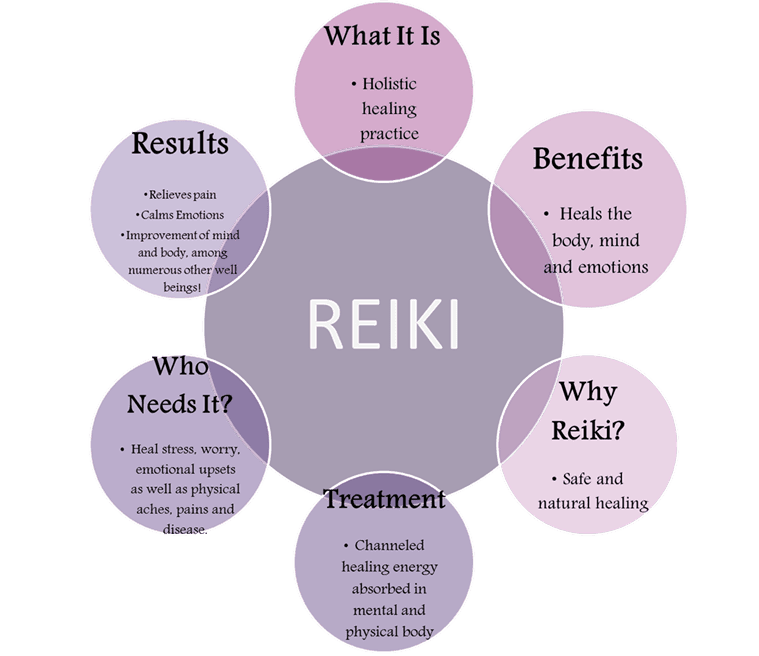
Reiki healing is a Japanese relaxation and stress-reduction practice that aims to support the body’s natural ability to regulate itself. It is particularly useful for people living with chronic stress, burnout, emotional overload, recovery from addiction, or a nervous system that never seems to fully switch off. Reiki is gentle, non-invasive, and commonly used alongside conventional approaches, not as a replacement for medical or psychological treatment.
For many people arriving here, interest in Reiki does not come from curiosity alone. It often appears at a point where stress has become constant, sleep is disrupted, emotions feel harder to manage, or the nervous system feels permanently switched on. Reiki tends to attract people who already sense that their system needs calming rather than fixing.
One question comes up more than any other:
Is Reiki real?
The honest answer depends on what you expect it to do.
Reiki does not diagnose illness. It does not cure disease. It is not a medical intervention. It does not bypass the body’s biology or override psychological processes. What it does reliably do for many people is help the nervous system downshift out of chronic stress and into a calmer, more regulated state. From there, people often report clearer thinking, emotional release, deeper rest, improved sleep quality, and a greater sense of internal stability.
I have been a Reiki Master for over 10 years. I use Reiki daily in my own life, with coaching clients, and alongside practices such as meditation, breathwork, and cold water immersion. I came to Reiki not through belief, but through necessity. What follows is a grounded explanation of what Reiki is, how it is commonly experienced, where the science currently sits, and where its limits are.
What Is Reiki Healing?
Before going further, it helps to be clear about what Reiki actually is.
Reiki is a Japanese practice developed in the early 20th century by Mikao Usui. It emerged from a blend of traditional Japanese healing concepts and meditative practice rather than from a medical model.
The word Reiki is commonly translated as:
Rei – universal or broader awareness
Ki – life force, vital energy, or animating force
Different cultures use different language for this concept. Some call it energy, others refer to it in terms of awareness, regulation, or coherence. Regardless of terminology, Reiki is not something that is done to you. It is a practice designed to support the conditions in which your system can settle and rebalance.
In practice, Reiki involves a practitioner placing their hands lightly on, or just above, the body while the recipient rests fully clothed. There is no manipulation, pressure, stretching, or physical adjustment involved.
The aim is simple and understated: to support relaxation and balance so the body can move out of a stress response and into a state where repair, digestion, emotional processing, and nervous system regulation are more accessible.
How Reiki Works (Explained Simply)
Reiki does not force change, push energy, release trauma on demand, or attempt to control outcomes. Instead, it works by creating the conditions in which the nervous system can safely let go and move out of chronic stress patterns.
A typical session looks like this:
You lie down or sit comfortably, fully clothed
The practitioner places their hands lightly on or just above different areas of the body
There is no effort, concentration, or participation required from you
Many people notice warmth, tingling, heaviness, slowed breathing, emotional release, or a deep sense of calm
From a physiological perspective, many people appear to move into a parasympathetic state. This is the branch of the nervous system associated with rest, digestion, immune response, and recovery. When the system is no longer stuck in fight-or-flight or freeze, the body has more capacity to regulate itself.
This helps explain why Reiki is often experienced as calming rather than stimulating, and why people frequently report feeling lighter, clearer, or more grounded afterwards. For some, the effect is subtle. For others, it can be profound. Both are normal.
Distance Reiki and Remote Sessions
I primarily offer distance Reiki sessions. In-person Reiki is available only if you are local to South Wales.
Distance Reiki often raises scepticism, especially for those who associate healing with physical touch. This reaction is understandable and worth addressing clearly.
Does Distance Reiki Work?
Many people report experiences during distance Reiki sessions that are similar to in-person sessions. This becomes easier to understand when you recognise that Reiki does not rely on physical manipulation. The practice centres on attention, intention, and nervous system state rather than location.
In a distance session:
The recipient rests in a quiet, comfortable space
The practitioner works with focused awareness and intention
People often report sensations such as warmth, tingling, emotional release, a sense of being held, or deep calm
Distance Reiki is commonly chosen by people who:
Are not local or live abroad
Are unwell, fatigued, or recovering from illness
Prefer to receive support in their own environment
Are experiencing emotional overload or burnout
Many clients find distance sessions easier to relax into, simply because they are already in familiar surroundings.
Is Reiki Backed by Science?
Reiki has also found its way into some clinical and hospice-adjacent settings, particularly where the focus is comfort, relaxation, and quality of life rather than cure. In the UK and internationally, Reiki and similar hands-on relaxation practices have been offered in hospice care, cancer support centres, and hospital wellbeing programmes as a complementary option to help patients manage stress, pain perception, and emotional distress.
Research into Reiki is still limited and ongoing, and it is important not to overstate the evidence. However, some small-scale studies and clinical observations suggest that Reiki may help reduce perceived stress, anxiety, pain, and fatigue, particularly when used alongside conventional care.
There is also growing interest in how Reiki may support heart rate variability, a marker often associated with nervous system flexibility and resilience. Improvements in HRV are generally linked with better stress tolerance and recovery capacity.
These findings are not definitive. What they do offer is a plausible explanation for why many people subjectively report feeling calmer, more settled, and less overwhelmed after sessions.
Reiki is best understood as a complementary practice. It supports regulation and relaxation. It does not replace medical care, therapy, or evidence-based treatment, and it should never be positioned as such.
My Experience as a Reiki Master
I did not come to Reiki looking for a belief system or a spiritual identity. It entered my life at a time when cognitive approaches alone were no longer enough. I needed tools that worked at the level of the nervous system, not just the thinking mind.
Over the years, I have used Reiki to support:
Chronic pain and physical tension
Emotional processing and regulation
Meditation and visualisation practices
Cold water immersion and stress adaptation
Sobriety and long-term nervous system stability
I have seen people experience deep relaxation for the first time in years. I have seen emotional release happen quietly, without analysis or storytelling. I have also seen Reiki help people reconnect with their body in a way that feels safe rather than overwhelming.
For me, Reiki is not about fixing what is broken. It is about remembering what calm, balance, and internal safety feel like.
What Can Reiki Help With?
People commonly seek Reiki support for a wide range of experiences, including:
Ongoing stress and anxiety
Emotional overwhelm, grief, or burnout
Chronic tension, pain, or fatigue
Sleep difficulties and restlessness
Nervous system dysregulation
Addiction recovery and emotional stabilisation
A persistent sense of disconnection from themselves
Experiences vary from person to person, and Reiki is not a guaranteed solution. It is a supportive practice that tends to work best when combined with self-awareness, realistic expectations, and other appropriate forms of care.
Reiki and Sobriety
In sobriety and recovery work, many people struggle not with motivation, but with regulation. Years of substance use often train the nervous system to rely on external numbing or stimulation to feel safe.
Reiki can be supportive in this context because it helps calm the system without forcing insight, confrontation, or emotional processing. It does not replace recovery work, but it can make that work easier to sustain by reducing internal noise, agitation, and overwhelm.
Frequently Asked Questions
What is Reiki healing?
Reiki is a Japanese relaxation and stress-reduction practice that supports the body’s natural ability to regulate itself. It is gentle, non-invasive, and complementary to other forms of care.
Is Reiki safe?
Yes. Reiki is generally considered safe for all ages. It does not involve manipulation, force, or physical adjustment and can be used alongside medical or therapeutic treatment.
How many sessions do I need?
Some people notice changes after one session, while others benefit from regular sessions over time. This depends on individual circumstances, goals, and how the nervous system responds.
Can Reiki help with addiction or emotional trauma?
Reiki may support nervous system regulation and emotional settling, which can be helpful alongside structured recovery or therapeutic work.
Does distance Reiki work as well as in-person Reiki?
Many people report similar experiences with distance Reiki. Because the practice focuses on awareness and nervous system state rather than touch, location appears to matter less than the ability to relax and receive.
Who is Reiki not suitable for?
Reiki should not be used as a substitute for medical or psychological treatment. Anyone with serious physical or mental health conditions should view Reiki as complementary rather than primary care.
Ready to Experience Reiki?
No belief system is required, and there is nothing you need to prepare or get right. You do not need to know how to relax, visualise, or do anything other than allow yourself some uninterrupted time.
If you are looking for support with stress, emotional overload, recovery, or nervous system regulation, Reiki may be a useful addition to your toolkit.
I primarily offer distance Reiki sessions, with limited in-person availability for those local to South Wales.