Optimise Sleep for Performance: Military Recovery System
Right, listen up. You want to feel sharp? You want to operate at peak performance, day in, bloody day out? Then you need to get your head around something fundamental: your sleep is not a suggestion, it’s a command. It’s the bedrock of everything else you’re trying to achieve. Forget all the fluffy bollocks about “self-care” if you’re still treating your nightly recharge like an afterthought. It’s time to learn how to optimise sleep for performance.
For years, I treated sleep with utter contempt. During the 45 years I spent drinking, sleep was just something that happened when I eventually passed out, or a frustrating, broken mess punctuated by anxiety and regret. It wasn’t recovery; it was just a temporary escape. In the army, they drilled into us the importance of rest, even when you thought you didn’t need it. They taught us how to snatch sleep anywhere, anytime, to keep us operational. But even then, it was about survival, not thriving. Now, achieving deep, restorative recovery is the key to how I optimise sleep for performance. It’s the ultimate act of self-command.
The Hard Truth: Recovery is a Weapon, Failure is a Choice
Most people view sleep as a passive downtime, something that just happens when the day is over. They let their sleep schedule be dictated by Netflix, late dinners, and arbitrary work demands. That’s why most people are tired, sluggish, and operating at 60%. I view it as a non-negotiable military recovery protocol. Your performance, your mental clarity, your hormonal balance, and your immune system are all entirely dependent on the quality and consistency of your sleep.
When you fail to optimise sleep for performance, you are actively sabotaging your entire system, and the consequences compound daily:
Your Mind: You lose the ability to consolidate memories, process complex emotional data, and maintain razor-sharp focus. During deep NREM (Non-Rapid Eye Movement) sleep, your brain literally washes away metabolic waste and consolidates the previous day’s information. Without this, cognitive function erodes. Brain fog isn’t a symptom of aging; it’s a consequence of chronic poor recovery. You can’t think clearly, you can’t solve complex problems, and your emotional regulation goes out the window. This failure means missed opportunities, unnecessary conflicts, and an inability to perform under pressure. You become your own weakest link.
Your Body: You compromise hormonal balance (elevating cortisol and ghrelin, while suppressing growth hormone and leptin), making fat loss impossible and accelerating cellular decay. When sleep-deprived, your body pumps out cortisol (the stress hormone) to keep you awake, throwing your entire system into a state of chronic inflammation. This constant stress elevates ghrelin (the hunger hormone) and suppresses leptin (the satiety hormone). The result? You’re hungrier, crave sugar, and your body actively resists burning fat. Furthermore, growth hormone, essential for muscle repair and cellular regeneration in midlife, is primarily released during deep sleep. Fail to sleep, and you accelerate the physical rot you’re desperately trying to fight.
Your Discipline: Willpower is a finite resource. When you are sleep-deprived, your prefrontal cortex (the part responsible for impulse control, planning, and delayed gratification) goes offline first. That tiny voice that tells you to resist the biscuit, ignore the scrolling phone, or tackle the hard task—it fades. You will reach for the biscuit, you will snap at your partner, and you will skip the gym. This is why self-sabotage is rampant in high-stress, low-sleep environments. You need to optimise sleep for performance to ensure your entire system—physical, mental, and volitional—is running cleanly every single day.
Military-Grade Sleep Protocol: How to Optimise Sleep for Performance
Forget the apps and the soft music. This is about discipline, environment, and consistency. Implement these commands to successfully optimise sleep for performance:
Command 1: The Non-Negotiable Routine
Your body thrives on rhythm, not flexibility. Fixed bedtime, fixed wake time, non-negotiable. Even at weekends. The army taught me that routine saves lives; here, routine saves your CNS. This trains your circadian rhythm, the master clock that dictates all your hormonal cycles, including the crucial release of melatonin and cortisol. When you deviate, you cause “social jetlag,” which is just as damaging as flying across time zones.
The Power Down Sequence: Just as a military base has an alert status sequence, you need a defined 60-minute shutdown. This is not optional. Use this time for reading a physical book, light stretching, or journaling—anything that disconnects your brain from the external noise and prepares it for darkness. The failure to establish this routine is the number one reason high-achievers lie awake, running through their mental checklist.
Command 2: Create a Sanctuary for Active Recovery
Your bedroom is a sanctuary for recovery, not a cinema, not an office, and certainly not a chaotic dumping ground. Treat it like a restricted-access area vital to national security.
Zero Tolerance for Blue Light: Blue light is the enemy of recovery. It tricks your brain into thinking it’s midday, suppressing melatonin, the hormone that initiates sleep. Cut all screens (TV, phone, tablet) at least one hour before lights out. If you absolutely must use a screen, invest in high-quality blue-light blocking glasses—not the cheap, yellow nonsense, but lenses that actually filter the damaging spectrum.
Cold and Dark: Your brain needs to drop its core temperature by 1 to 2 degrees Celsius to initiate deep sleep. Keep the room cold—around 18°C (65°F) is optimal. And I mean cave-dark. Use blackout curtains or an eye mask. Any light—even the small LED on a charger—is a signal to your brain that it’s time to be operational, disrupting your delicate recovery cycles.
Sound Discipline: Use white noise or earplugs to remove any auditory distraction. A consistent, low-level sound masks sudden noises (like traffic or sirens) that can pull you out of restorative sleep cycles.
Command 3: Fuel for Sleep (The Elite Fuel System Connection)
What you put in your body during the day dictates your recovery at night. You can’t out-train a bad diet, and you certainly can’t out-sleep one.
Kill the Sugar Spikes: A diet high in processed foods and sugar sends your blood sugar and insulin levels on a rollercoaster, which severely disrupts your sleep hormones and causes those 3 AM anxiety wake-ups. This is often the body panicking because glucose levels have crashed. My Elite Fuel System (ancestral, low-carb) provides steady, sustained fuel, keeping your blood chemistry calm and stable all night long.
The Late-Night Carb Trap: While some people rely on carbs to help them sleep, a large, late-night meal, especially one heavy in inflammatory oils or processed ingredients, forces your digestive system to work overtime. Your core temperature elevates, and your body diverts energy to digestion, not recovery. If you must eat late, keep it small, clean, and protein-focused.
Cut the Caffeine (Smartly): Know your own biology. Caffeine’s half-life means a dose taken at noon is still affecting your system well into the evening. Stop caffeine intake by 12 PM at the absolute latest. Don’t be fooled by the false energy; it’s just robbing you of future recovery, causing lighter sleep and more wakefulness.
Your nervous system needs training to switch off from the high-stress demands of midlife. This is where my Cold Fucking Water pillar comes in.
Vagal Tone Training: A short burst of cold exposure earlier in the day acts as a powerful hack for your vagal tone, which is essentially the throttle on your nervous system. By deliberately forcing yourself into a state of shock and then calmly controlling your breath, you train your body’s resilience to stress. This significantly lowers your baseline anxiety, making it far easier for your mind to disengage and descend into deep, restorative sleep when darkness arrives. It’s about getting comfortable being uncomfortable, which makes daily stressors seem less overwhelming. It’s not just a physical jolt; it’s a mental reset that carries over into every aspect of your life, including your ability to properly recover.
Conclusion: Stop Faffing About, Get Your Sleep Sorted
Look, the message is simple: you cannot perform at your best, you cannot be the best version of yourself – as a partner, a parent, a professional – if you’re constantly running on empty. You need to optimise sleep for performance. It’s not rocket science, but it demands discipline, commitment, and a willingness to cut out the rubbish that’s sabotaging your recovery.
I’ve been through the trenches, both literally and figuratively. I know what it’s like to feel utterly broken, to have your body and mind screaming for rest but unable to get it. And I know the profound, transformative power of finally sorting your sleep out. It’s not about magic pills or quick fixes. It’s about taking responsibility for your body, creating a sanctuary for recovery, fuelling yourself correctly, calming your mind, and being ruthlessly consistent. This is the Architect Protocol in action: establishing discipline in the dark so you can dominate in the light.
Stop making excuses. Stop treating sleep like a luxury. It’s a non-negotiable weapon in your arsenal for a powerful midlife reset. Get it in ya. Your future self will thank you.
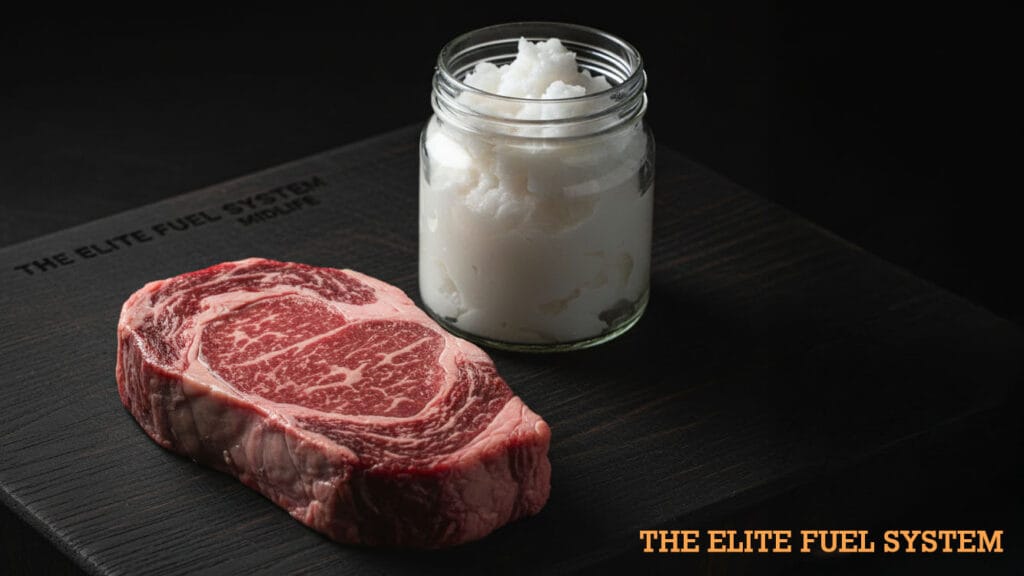
The Elite Fuel System Midlife: Quit the Bollocks, Eat Like a Warrior. The Eat Pillar. Pillar one of “The Architect Protocol”.
Right, listen up. You’re probably here because you’re tired. Tired of the brain fog, the gut rot, the spare tyre that’s getting bigger than your actual car. You’re spinning your wheels, trying every fad diet under the sun, and getting nowhere. I know that feeling. For 45 years, I spent a good chunk of my life fuelling my body with absolute bollocks – and that’s *before* we even talk about the booze. When I finally decided enough was enough, when I started the brutal process of rewiring my mind and body to quit drinking, I quickly realised something profound: you cannot build a strong fortress on a crumbling foundation. And that foundation, my friends, starts with what you shove in your gob.
This isn’t about calorie counting, or some wishy-washy “everything in moderation” crap. This is about establishing an Elite Fuel System Midlife – a precise nutritional protocol designed to strip away the rubbish, dial up your energy, sharpen your mind, and make you feel like you’ve actually got a fighting chance in this game called life. This is the ‘Eat’ pillar, the non-negotiable bedrock of your midlife reset. You want to feel strong, think clearly, and have the stamina to get through your day without crashing like a cheap drone? Then pay attention, because we’re about to talk about real food, real fuel, and real transformation. This is just one pillar of “The Architect Protocol.”
The Scourge of Industrial Sludge: Why Your “Food” is Killing You (and What to Bin)
Let’s be brutally honest: most of what passes for “food” in the supermarket aisles today is an insult to your biology. It’s not designed to nourish; it’s engineered to be cheap, addictive, and to keep you coming back for more, slowly eroding your health and vitality. This industrial sludge is the enemy of any **Elite Fuel System Midlife**.
The Hidden Agenda of Sugar: Your Silent Killer
Do you constantly crave sweet treats or find yourself reaching for that afternoon biscuit or energy drink? Sugar isn’t just a lovely addition; it’s a metabolic wrecker. It spikes your blood glucose, causing your body to pump out insulin like a firehose, which then shoves all that excess energy into fat cells. It fuels inflammation, disrupts your hormones, and, quite frankly, dulls your brain. It’s in everything: bread, sauces, yoghurts, “healthy” cereals, even savoury crisps. Read labels. If it’s got sugar, high-fructose corn syrup, glucose-fructose syrup, dextrose, maltodextrin, or any other ‘-ose’ in the first few ingredients, it’s a weapon masquerading as food. You’re not addicted to sugar; you’re addicted to the dopamine hit it provides, and your body is paying the price.
My own journey out of the bottle taught me a lot about addiction, and believe me, sugar is no different. It’s a hard break, but it’s essential if you want to perform at your peak.
The Toxic Truth About Seed Oils: Industrial Sludge on Your Plate
If sugar is the silent killer, industrial seed oils (canola, sunflower, soybean, corn, safflower, grapeseed, ‘vegetable’ oil) are the insidious poison you’re told is healthy. Total bollocks. These oils are highly processed, extracted with harsh chemicals, and incredibly unstable. They’re loaded with omega-6 fatty acids, which, in excess, drive systemic inflammation throughout your body. Think chronic pain, gut issues, brain fog, and a one-way ticket to accelerated ageing. They’re in nearly every processed food, every restaurant fry-up, every pre-made salad dressing. Your body was not designed to process this synthetic crap. When I was drinking, I wasn’t paying attention to this; I was just trying to keep the beast at bay. But once I got sober, understanding the damage this ‘sludge’ was doing became critical to rebuilding.
“Frankenfoods”: Processed Shite and Its Grip
Beyond sugar and seed oils, there’s a whole universe of processed “food” – things like margarine (a truly dreadful invention), soy products masquerading as meat (unless fermented like real soy sauce, keep that shite away), and anything that comes in a packet with a list of ingredients longer than a small novel. These are nutrient-poor, inflammatory, and designed by food scientists to hit your bliss point, making you overeat. They strip your gut of beneficial bacteria, sabotage your hormones, and leave you feeling constantly hungry, fatigued, and generally knackered. To truly implement an **Elite Fuel System Midlife**, you must declare war on these frankenfoods. It’s not a suggestion; it’s a survival strategy.
Reclaiming Your Birthright: The Ancestral Blueprint for Fuel
So, if we’re ditching the modern crap, what *do* we eat? It’s simple, really. Look back. Look to what our ancestors thrived on for millennia. We’re talking real, unprocessed, nutrient-dense food. This isn’t a fad; it’s going back to basics, to the diet your genes actually recognise and thrive on. This is the core of your **Elite Fuel System Midlife**.
Fat: Your Brain’s Best Friend and Your Body’s Preferred Fuel
Forget the ridiculous low-fat dogma of the last 50 years. Fat is not the enemy. Quality, natural fats are essential for hormone production, brain function, satiety, and absorbing fat-soluble vitamins. We’re talking about animal fats: grass-fed butter, ghee, tallow, and lard. Avocados, olives, and coconut oil. These are your allies. Your brain, especially, runs far more efficiently on ketones derived from fat than on the sugar roller-coaster. Prioritise these fats; they will keep you full, stable, and mentally sharp. It’s a game-changer for focus and energy.
Protein: The Foundation of Strength and Repair
Your body is constantly rebuilding, repairing, and growing. Protein is the building block for everything: muscle, enzymes, hormones, and neurotransmitters. Get enough of it, and make sure it’s high quality. Think grass-fed beef, pasture-raised eggs, wild-caught fish, and organic chicken. Don’t skimp. Aim for a substantial portion with every meal. This isn’t just for bodybuilders; it’s for everyone who wants to maintain muscle mass as they age, stay strong, and support a robust metabolism. It’s non-negotiable for an **Elite Fuel System Midlife**.
Nutrient-Dense Carbs: Smart Choices, Not Abstinence
While we’re cutting out the refined carbs, that doesn’t mean *all* carbs are evil. Quality matters. Think fibrous vegetables: broccoli, spinach, kale, and asparagus. Berries in moderation. These provide essential vitamins, minerals, and fibre without the blood sugar spikes. For some, a strict ketogenic approach works wonders; for others, slightly more carb-dense options like sweet potatoes or root vegetables can be included, especially after intense physical activity. The key is to listen to your body and choose carbs that come from whole, unprocessed sources, not from a factory. They’re a complement, not the main event.
Building Your Elite Fuel System: A Practical Guide (No Bullshit)
Knowing what to eat is one thing; actually doing it is another. This is where discipline comes in, the same discipline that gets you through a tough day or helps you quit a bad habit. It’s about taking control, not letting your cravings or convenience dictate your health. Implementing an **Elite Fuel System Midlife** requires action.
The Kitchen Cull: What Stays, What Goes
First things first: audit your kitchen. Get rid of anything that doesn’t serve your new fuel protocol. That means tossing out the cereal, the biscuits, the ready meals, the industrial seed oils, the sugary sauces, and any other processed crap. If it’s in your house, you’ll eat it when your willpower dips. Make it easy to make good choices. Fill your fridge with fresh meat, eggs, butter, ghee, dark leafy greens, and some berries. Stock your pantry with real salt, herbs, spices, and perhaps some quality nuts and seeds (in moderation). Don’t just move it to a “treat drawer”; bin it. Seriously. No half measures.
Sourcing Matters: Quality Over Quantity
Where your food comes from is paramount. A conventionally raised chicken fed on grain and antibiotics is not the same as a pasture-raised chicken that’s foraged naturally. The nutrient profiles are vastly different. Seek out local farmers’ markets, reputable butchers, and organic options where possible. Yes, it can be more expensive upfront, but consider it an investment in your health. You’re paying for nutrient density, not just calories. This isn’t about being fancy; it’s about being smart. Prioritise grass-fed/finished beef, pasture-raised eggs and poultry, and wild-caught fish. Your body will thank you.
Meal Prep: Your Discipline in Action
The biggest obstacle to eating well is often a lack of preparation. When you’re busy, tired, or stressed, the easiest option is usually the worst option. Combat this with meal prep. Dedicate an hour or two on a Sunday to cook a big batch of protein (roast chicken, slow-cooked beef), chop vegetables, and boil some eggs. Having healthy, compliant food ready to go eliminates decision fatigue and makes sticking to your **Elite Fuel System Midlife** far easier. It’s the military planning aspect applied to your nutrition. Be prepared, and you’ll win the battle of the plate.
The Mind-Body Connection: Eating Beyond the Plate
Eating isn’t just a physical act; it’s deeply intertwined with your mental state, your habits, and your emotional landscape. To truly master your nutrition, you need to understand this connection. This is where the ‘Mind’ pillar of my coaching framework starts to intersect with the ‘Eat’ pillar.
Listen to Your Gut: Beyond Cravings
Your gut is often called your “second brain” for good reason. The bacteria in your gut (your microbiome) play a massive role in your mood, energy, and even your cravings. When you feed them processed crap, they scream for more processed crap. When you feed them real, whole foods, they start to crave real food. Pay attention to how different foods make you feel. Do you feel bloated, sluggish, or energised after a meal? Your body is giving you feedback. Learn to interpret it. This biofeedback is a crucial component of an effective **Elite Fuel System Midlife**.
The Discipline of Choice: No More Excuses
Self-discipline isn’t some mystical quality; it’s a muscle you develop through consistent action. Every time you choose the apple over the biscuit, the steak over the processed sandwich, you’re strengthening that muscle. There will be temptations, social pressures, and moments of weakness. This is where your ‘Mind’ pillar work comes in. Reframe your choices. You’re not depriving yourself; you’re *empowering* yourself. You’re not missing out on a temporary pleasure; you’re gaining lasting vitality. No more excuses. Take ownership of what you put into your body. That’s what a warrior does.
Fuel for Focus: Cognitive Edge
One of the most profound benefits of the **Elite Fuel System Midlife** is the impact on your cognitive function. When you eliminate the inflammatory foods and fuel your brain with healthy fats and stable blood sugar, the brain fog lifts. You’ll experience enhanced clarity, improved memory, sustained focus, and a general sense of mental sharpness. This isn’t a subtle shift; it’s often a dramatic transformation. Imagine approaching your work, your relationships, and your goals with a mind that’s firing on all cylinders, rather than sputtering and backfiring. This is the power of precision nutrition.
I wouldn’t be here talking to you about this if I hadn’t lived it. For 45 years, my ‘fuel system’ was a disaster. It was a chaotic mix of whatever was quick, whatever was convenient, and whatever could numb the edges – often leading to the bottom of a bottle. I was eating like crap, feeling like crap, and the cycle was relentless. The army gave me discipline, but even that got lost in the noise of a life lived on autopilot, numbed by processed food and booze.
When I finally faced the brutal truth of my drinking, when I started the arduous task of rewiring my brain, I realised that physical strength and mental clarity were paramount. You can’t fight a battle when your body is inflamed and your mind is clouded. I started with eliminating the obvious poisons – the sugar, the processed foods, the seed oils. It was hard. There were withdrawal symptoms, cravings, and moments where I wanted to just fall back into old habits. But the military ingrained in me that you push through the discomfort. You hold the line. You keep moving.
As I cleaned up my diet, focusing on nutrient-dense animal products, healthy fats, and loads of greens, the changes were undeniable. My energy stabilised. The constant brain fog began to lift. My mood improved dramatically. My gut, which had been in a state of constant rebellion, started to heal. This wasn’t just about weight loss (though that happened too); it was about reclaiming my physical and mental sovereignty. It was about proving to myself that I could take control, not just of the drink, but of my entire biology. This wasn’t some quick fix; it was a fundamental shift, a commitment to building an **Elite Fuel System Midlife** that supported, rather than sabotaged, my new life.
Final Word: Take Control of Your Plate, Take Control of Your Life
Look, nobody’s going to do this for you. There are no magic pills, no shortcuts, and no excuses if you want to truly reset your life in midlife. The ‘Eat’ pillar is the cornerstone of that reset. It’s about taking aggressive, uncompromising action against the dietary lies you’ve been fed your entire life. It’s about choosing real food, real fuel, and real health. You have the power to transform your energy, sharpen your mind, and build a body that serves you, rather than holds you back. Stop making excuses. Stop feeling like shite. Implement your **Elite Fuel System Midlife** starting today. Your future self will thank you for it.
Remember, this is just one pillar. To truly unlock your potential, you need to address the ‘Sleep’, ‘Move’, ‘Mind’, and ‘Cold Fucking Water’ pillars of The Architect Protocol as well. But you’ve got to start somewhere, and what you eat is the most immediate, powerful change you can make.
How I Rebuilt My Life Without Meetings, Mantras or Meds – Part 1
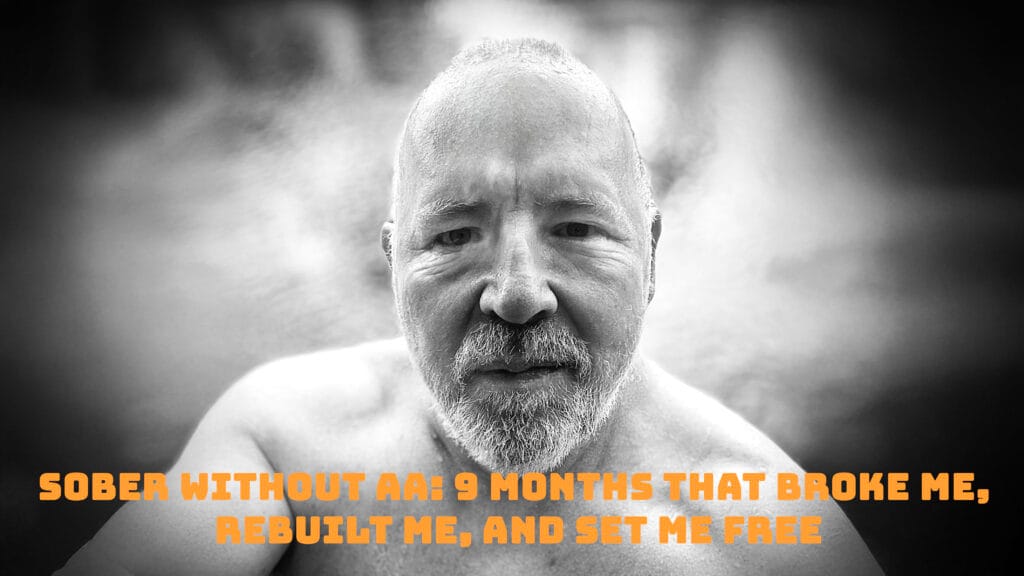
I turned 58 this week. This is How I Got Sober Without AA and Rebuilt My Life After 45 Years on the Bottle
And I’ve been sober for nine months, after more than 45 years on and off the bottle. No AA. No sponsor. No “higher power.” No dusty church halls. Just a raw, deliberate rebuild. Brick by brick. Choice by choice. Discipline over drama. Truth over tactics. I wasn’t looking for salvation. I was looking for ownership.
Sober Without AA: Why I Took a Different Path
You need to understand: I didn’t get here clean. I’m not some weekend drinker who caught a wake-up call and got lucky. I drank hard. I used. I numbed. I served 12 years in the army and did most of that half-cut. Then came civvy street chaos. Functioning on the outside. Dying slowly inside. Jobs, relationships, even hobbies — all of them bent around the bottle. Alcohol didn’t ruin everything. It became everything. My relationships became transactional or toxic. My work suffered. Missed deadlines, foggy decisions, a constant undercurrent of self-sabotage. Even the hobbies I once loved became excuses to drink. It wasn’t just a habit. It was the lens through which I saw and shaped every part of my life.
When you’ve been drinking for decades, it becomes your identity. Your brain wires around it. Your body breaks under it. Your habits form around it. You don’t realise how much of your life it’s swallowed until you try to walk away from it. And then realise there’s almost nothing left that isn’t soaked in it.
This past year, I decided to stop drinking. But more than that, to rewire my entire operating system. I wasn’t just quitting booze. I was building a new foundation for my life. Not a better version of the old me. A whole new model. Clean. Sober. Conscious.
No Group. No Guru. Just Grit.
This isn’t an anti-AA post. But I knew I had to go a different way — I had to get sober without AA, without a sponsor, without anyone else’s steps but my own.”
I’ve been in the personal development space for over a decade. Certified NLP Master Practitioner. Mindset coach. Breathwork facilitator. I’ve helped people transform. I’ve taught rewiring. But this time, it wasn’t theory. It was me, naked against the world, with no one watching and no one clapping.
Here’s what I did:
Cold water therapy every morning. Tap, tub, river, hose. Didn’t matter. The water didn’t care about my mood. It demanded presence. It reset my nervous system. Every time I stepped in, I won.
Functional movement despite three prolapsed discs. No ego lifting. Just movement, stretching, walking, and carrying. I trained to be useful. Mobile. Capable. Not aesthetic.
Paleo/Keto nutrition. Food became fuel, not comfort. I stripped back to primal eating. Fewer ingredients. Fewer insulin spikes. No sugar to soothe the stress. Inflammation dropped. Brain fog lifted. I lost 4.5 stone. My knees stopped hurting. My mind started firing.
Daily journaling. Some days it was one line, others a deep purge. I wrote what hurt. I wrote what healed. I wrote without filter until the noise in my head turned into a signal.
Visualisation and quantum jumping. I met the version of me ten years sober. Strong. Clear. Respected. I imagined him in the room with me, and I asked him what he’d do next. Then I did it. (Quantum jumping, if you’ve never come across it, is about mentally connecting with your future self — the one who’s already overcome your struggles — and borrowing his mindset and decisions today.)
Breathwork. 4-7-8 for sleep, box breathing for calm, Wim Hof for energy. I used my breath like a switch. To shut down the chaos or spark the fire.
No hacks. No silver bullets. Just consistent daily reps. When your brain’s been hijacked by alcohol for decades, repetition beats motivation. Routine beats relapse.
The Psychology of Addiction: Why Sobriety Isn’t Just About Willpower
Addiction isn’t a moral failure. It’s a nervous system response to pain, trauma, and long-term stress. It’s your body’s best attempt to avoid emotional injury, dressed up as destructive behaviour. I remember nights when I wasn’t even chasing a buzz. Just trying to silence the weight in my chest. One drink to slow the heart rate. Another way to numb the loneliness. It wasn’t about partying. It was about peace, even if it was fake and fleeting.
Addiction is survival in disguise. And when you’re getting sober without AA, you see just how much of it is embedded in your nervous system, not just your habits. Your brain isn’t broken. It’s doing what it thinks will keep you safe. That’s why alcohol addiction, sugar cravings, compulsive scrolling, and even porn addiction are rooted in neural pathways, not weakness. The brain finds what numbs the pain and hits repeat. Over and over.
That’s why rehab isn’t enough. That’s why “just stop drinking” advice is dangerous. You can’t just delete a neural loop. You have to replace it.
I stopped feeding those grooves. I built new ones. Breath instead of booze. Cold instead of comfort. Stillness instead of escape. They didn’t vanish, but they lost their volume. They lost power. Because I stopped negotiating with them.
But alcohol doesn’t leave quietly. It hides. It waits. It shows up in the fridge, in the pub, in the casual “just one” offer. It disguises itself as a reward. A release. A right. If you haven’t built something stronger, it wins.
So I built something stronger.
The Quiet Wins of Sober Living
Here’s what no one talks about when they quit alcohol:
Waking up and looking in the mirror without shame.
Feeling grief fully, instead of numbing it.
Sitting with tough memories from the army without reaching for a drink.
Finding joy in cooking a simple meal.
Knowing you can face life unfiltered.
Laughing and actually meaning it.
Sleeping through the night without guilt, waiting on the pillow.
Being proud of a Tuesday morning.
These aren’t headline-grabbing moments. But they are the real rewards of sober living. They’re the anchor points that keep you going when everything else feels ordinary.
They’re how you build trust in yourself. And trust is the real foundation of freedom. Not just abstinence. Not ticking days off a calendar. Showing up for yourself when it’s boring, hard, or quiet.
Nine Months In: Clean, Clear, and Still Climbing
At nine months sober, I wasn’t skipping through life. But I wasn’t hiding anymore.
The clarity, the rawness. It’s worth more than any buzz alcohol ever gave me. The buzz was short, chaotic, and numb. A false peace wrapped in poison. This clarity is steady. Honest. It lets me feel joy without consequence, pain without panic, and presence without performance. I could feel again. Think clearly. Hear my own intuition. I had my agency back. That alone was enough.
This was no longer about sobriety. This was about sovereignty. Choosing who I want to be every single day. Staying present without distraction. Enduring without escaping.
But even then, I hit a wall.
Not because I relapsed. But because the next level of healing required something deeper.
In Part 2, I’ll share what happened when I introduced mirtazapine. It helped me sleep, but nearly derailed everything else. Why I took it. What it did. And how I came back.
Start Your Midlife Rebuild
If this hit home, don’t wait for rock bottom. Start now.
👉 Download the free 7-Day Midlife Restart guide — it’s how I got sober without AA and rebuilt a life I actually wanted to live. begin my sober journey, rebuild my identity, and reset my life.
Used to monitor number of Google Analytics server requests when using Google Tag Manager
1 minute
_gid
ID used to identify users for 24 hours after last activity
24 hours
_ga_
ID used to identify users
2 years
_gali
Used by Google Analytics to determine which links on a page are being clicked
30 seconds
_ga
ID used to identify users
2 years
__utmx
Used to determine whether a user is included in an A / B or Multivariate test.
18 months
__utmv
Contains custom information set by the web developer via the _setCustomVar method in Google Analytics. This cookie is updated every time new data is sent to the Google Analytics server.
2 years after last activity
__utmz
Contains information about the traffic source or campaign that directed user to the website. The cookie is set when the GA.js javascript is loaded and updated when data is sent to the Google Anaytics server
6 months after last activity
__utmc
Used only with old Urchin versions of Google Analytics and not with GA.js. Was used to distinguish between new sessions and visits at the end of a session.
End of session (browser)
__utmb
Used to distinguish new sessions and visits. This cookie is set when the GA.js javascript library is loaded and there is no existing __utmb cookie. The cookie is updated every time data is sent to the Google Analytics server.
30 minutes after last activity
__utmt
Used to monitor number of Google Analytics server requests
10 minutes
__utma
ID used to identify users and sessions
2 years after last activity
_gac_
Contains information related to marketing campaigns of the user. These are shared with Google AdWords / Google Ads when the Google Ads and Google Analytics accounts are linked together.