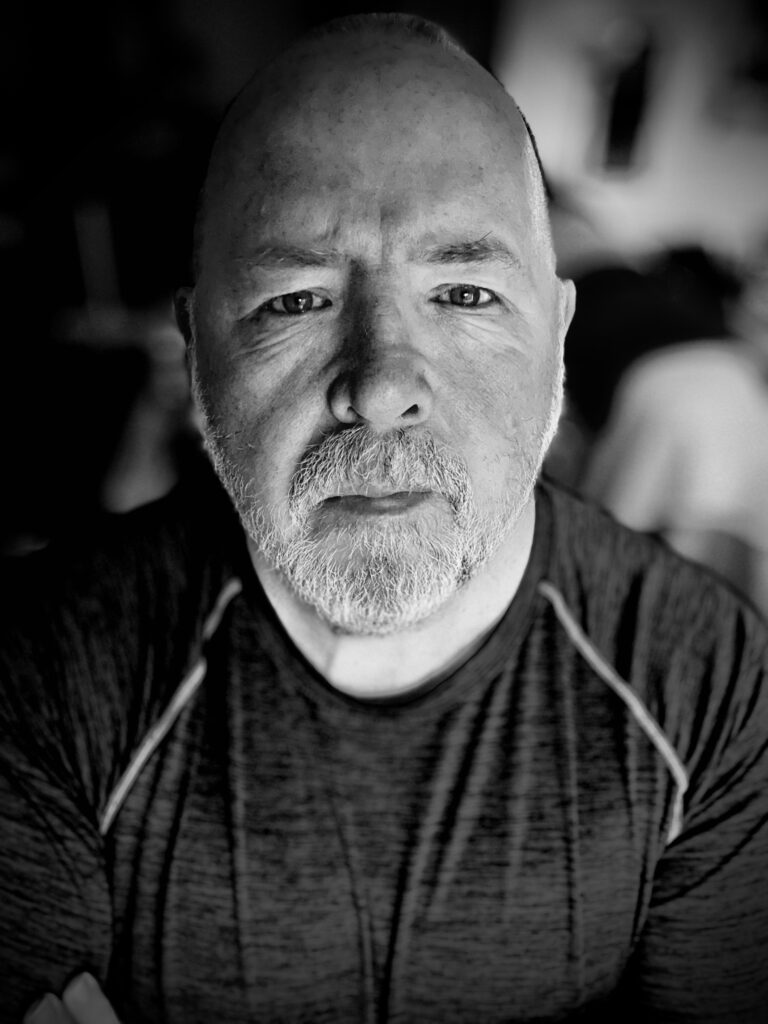
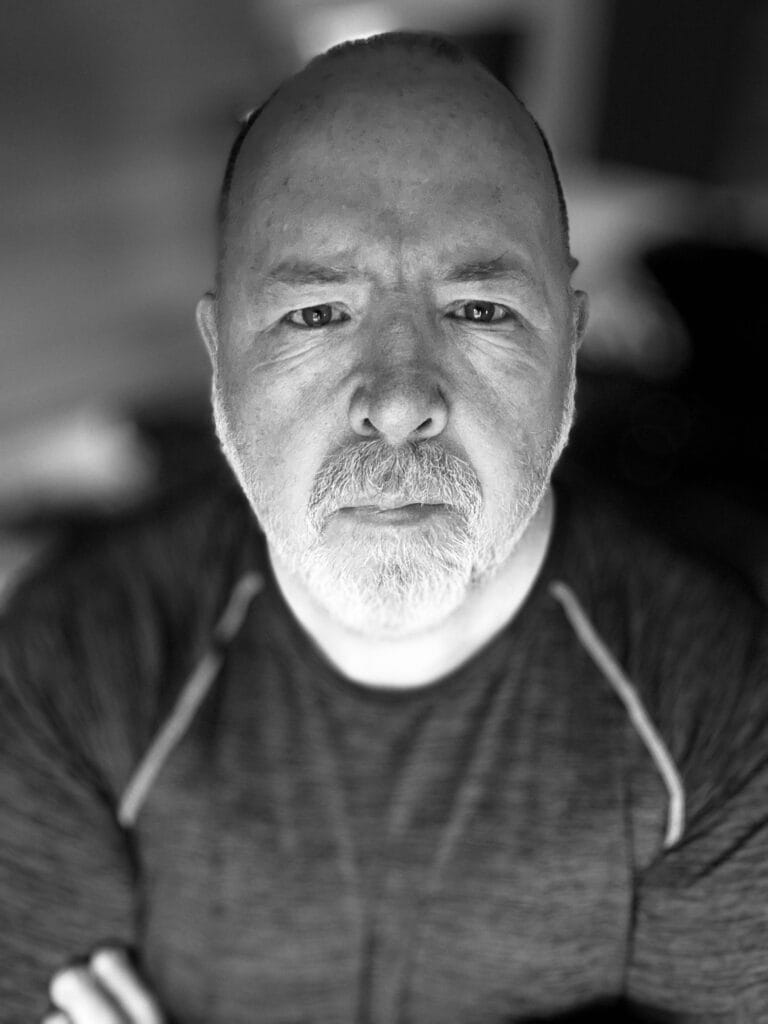
Let’s Cut the Shit: Midlife Isn’t a Crisis — It’s a Wake-Up Call
You don’t need another feel-good ad telling you to “prioritise self-care” while your gut’s a mess, your sleep’s wrecked, and you’re necking wine on a Tuesday night, calling it me time.
Here’s the raw truth: 👉 You’re over 40. You feel stuck. You’re not broken — but your lifestyle is.
I lived it for 45 years — drinking, numbing, convincing myself that “tomorrow” would be different. Six months ago, I pulled the ripcord. No AA. No sponsor. Just a deep, honest reset. No fluff. No gurus. Just what f*cking works.
Because once you hit 40? Your body doesn’t bounce back. Energy drains faster. Recovery slows down. The hangovers hit like freight trains. It’s not about age — it’s about load. And most of us? We’re carrying a hell of a lot more than we admit.
What the Hell is a Midlife Reset Anyway?
A midlife reset isn’t a smoothie cleanse or an overpriced retreat in the mountains. It’s a full system overhaul.
I dropped over 2.5 stone. I sleep like a log. I stopped needing booze to feel calm. I started cooking again. I reclaimed my damn life.
Here’s what that looks like:
🧠 Mindset — You stop letting your thoughts run the show. You rewrite them. You hold the pen.
🍽️ Gut — You repair the damage. Bone broth. Pasture-raised meat. Rainbow veg. Fermented foods. Real fats. No fake “health food.”
💤 Sleep — You quit the booze, stabilise your blood sugar, and finally fall asleep without the 3 a.m. mind war.
🏃 Movement — No burpees. Just real functional strength. Walks. Breath-led stretches. Your body gets back online.
This isn’t a transformation. It’s a homecoming.
FAQs — Real Questions from Real People Like You
“Is this just another diet?” No. It’s what diets miss. The cravings. The triggers. The reasons you eat or drink the way you do. It resets your system — not your macros.
“Can I do this if I’m still drinking?” Yes. This isn’t about perfection. It’s about momentum. If you’re sober and curious, this is your bridge.
“I’ve tried everything — why would this work?” Because this isn’t a motivational meme. It’s structured, mapped out, and grounded in real practice. No fluff. All action.
“What if I’ve got injuries or health issues?” This isn’t a boot camp. It meets you where you’re at. Adaptable movement. Anti-inflammatory nutrition. Grounded support.
FAQs — Real Questions from Real People Like You
“Is this just another diet?” No. It’s what diets miss. The cravings. The triggers. The reasons you eat or drink the way you do. It resets your system, not your macros.
“Can I do this if I’m still drinking?” Yes. This isn’t about perfection. It’s about momentum. If you’re sober curious, this is your bridge.
“I’ve tried everything — why would this work?” Because this isn’t a motivational meme. It’s structured, mapped out, and grounded in real practice. No fluff. All action.
“What if I’ve got injuries or health issues?” This isn’t a boot camp. It meets you where you’re at. Adaptable movement. Anti-inflammatory nutrition. Grounded support.
“Do I need fancy supplements or equipment?” No. Just real food, real intention, and a willingness to show up. You already have what you need — this just unlocks it.
“Will I be cooking weird stuff all day?” Absolutely not. Quick, nutrient-dense meals with ingredients you can find anywhere. Zero fluff. Maximum fuel.
“Can I go at my own pace?” Yes. It’s designed for real life — for people who’ve got jobs, kids, bad backs, and responsibilities. You move through it at your pace, not mine.
Final Word: Don’t Let Midlife Be Your Excuse. Let It Be Your Rebuild.
You’re not broken. You’ve just been surviving.
You’re not weak. You’ve just never had the right blueprint.
Alright, listen up. I’m not gonna sugarcoat this, not now, not ever. For years, I told myself the same old lies, swallowed the same societal nonsense that alcohol was just a bit of harmless fun, a social lubricant, a way to unwind. Bullshit. Pure, unadulterated, dangerous bullshit. The truth, the raw, undeniable truth, is this: Alcohol is a toxin.
Yeah, I said it. Toxin. As in poison. As in, it’s actively harming you, even if you’re only having “just one or two.” Because what is alcohol, really? It’s ethanol. And ethanol, my friends, is classified as a Group 1 carcinogen by the World Health Organisation’s International Agency for Research on Cancer (IARC). That means it’s right up there with asbestos, plutonium, and tobacco smoke. Let that sink in for a minute. We’ve been fed this narrative, this insidious lie, that alcohol is part of a normal, enjoyable life. It’s marketed as sophisticated, as a celebration, as the ultimate stress-reliever after a long week. But peel back that shiny veneer, and what you’re left with is a chemical compound that, when introduced into your system, immediately triggers a cascade of detrimental biological processes. It’s a systemic assault, not a harmless indulgence. It’s a grand deception, subtly woven into the fabric of our celebrations and our sorrows.
My Dance with the Devil
I remember the nights, fuzzy around the edges, where I’d swear I was having a blast. In the early days, it felt like freedom. A way to escape the gnawing unease, the awkwardness, the crushing weight of… life. The social anxiety that plagued me in my youth seemed to melt away with a few pints. Conversations flowed, laughter came easier, and for a few fleeting hours, the world didn’t feel so heavy. It was a seductive, dangerous illusion. I’d tell myself, “Just a couple to take the edge off,” or “Everyone else is doing it, it’s normal.” I believed these convenient fictions because the alternative, facing myself sober, felt too overwhelming. It meant confronting the silence, the unfiltered emotions, and the discomfort I’d spent years numbing.
But that “freedom” was a gilded cage, slowly tightening its grip. The hangovers got worse, morphing from a mere headache into full-blown physical and psychological torment. The anxiety spiralled, becoming a constant companion, especially in the mornings after, when the alcohol’s temporary numbing effect wore off and the brain tried to rebalance itself. The shame built up like toxic sludge in my gut, fuelled by forgotten conversations, missed commitments, and the grim realisation that another day had been stolen by the bottle. Each morning brought a fresh wave of self-loathing, a quiet dread that cemented my dependence. I started to resent the very thing I thought I needed.
It wasn’t just the feeling; it was the physical toll it took. The puffy face, the dull eyes, the constant low-level headache that became my baseline. My sleep was fractured, even if I passed out quickly, it was never truly restorative. My digestion was shot, my energy non-existent. My body was screaming, but I wasn’t listening. I was too busy justifying, rationalising, and pouring another glass. I thought I was “partying hard,” or “just blowing off steam,” but in reality, I was slowly, systematically poisoning myself. The cycle became vicious: drink to escape, suffer the consequences, then drink again to escape the consequences.
This isn’t just about the obvious, devastating impact on the liver, though that’s a massive part of it. We hear about cirrhosis and think, “Oh, that’s for serious alcoholics,” a distant, abstract threat. But every single time you drink, your liver is working overtime to metabolise that ethanol, breaking it down into acetaldehyde, which is even more toxic than ethanol itself. Think of your liver as the body’s ultimate filtration system. When you introduce alcohol, you’re not just making it work harder; you’re flooding it with a substance it’s literally designed to remove because it recognises it as dangerous. It’s a relentless chemical warfare happening inside your body, and your liver is on the front lines, taking all the hits, accumulating microscopic scars with every single sip, day in and day out.
Beyond the Liver: The Silent Sabotage
The harm doesn’t stop at your liver. Oh no. This toxin infiltrates everything. It’s systemic, affecting virtually every organ and system in your body.
Your Brain: Alcohol is a central nervous system depressant. It doesn’t just “slow you down”; it actively messes with your brain chemistry. It enhances the effects of GABA (gamma-aminobutyric acid), an inhibitory neurotransmitter, leading to that relaxed, drowsy feeling. But it also suppresses glutamate, an excitatory neurotransmitter crucial for learning and memory. This imbalance is why you get blackouts and struggle to recall events. Over time, this chronic disruption can lead to a shrinkage of brain volume, particularly in areas vital for memory, decision-making, and emotional regulation. That “beer brain” isn’t just a funny saying; it’s a real consequence of neuronal damage and altered brain function, as studies on alcohol-related brain damage show. And the anxiety and depression? Yeah, alcohol makes those worse in the long run. It’s a cruel trick, offering temporary relief only to deepen the hole you’re trying to escape. The initial dopamine hit tricks your brain into thinking it’s a reward, but the subsequent crash leaves you feeling lower than before, perpetuating a brutal cycle of dependence and emotional instability. If you’re grappling with the mental toll, you might find some resonance in my thoughts on breaking free from addiction and reclaiming your mental health.
Your Heart: The cardiovascular system is not spared. Alcohol can lead to high blood pressure (hypertension), putting immense strain on your arteries and increasing your risk of heart attack and stroke. It can also cause an irregular heartbeat, known as atrial fibrillation, which itself dramatically raises the risk of stroke. Furthermore, chronic heavy drinking can weaken the heart muscle, a condition called alcoholic cardiomyopathy, reducing its ability to pump blood effectively and leading to heart failure. This isn’t just for the binge drinkers either; regular, moderate consumption can still have a detrimental effect, subtly chipping away at your cardiovascular health over the years. The idea that a “glass of red wine is good for your heart” has been largely debunked; any minor perceived benefit is massively outweighed by the demonstrable risks.
Your Immune System: Constant exposure to ethanol weakens your immune system, making you more susceptible to infections and illnesses. It impairs the production of white blood cells, which are your body’s frontline defenders against pathogens, as highlighted by research on alcohol’s immune effects. It also disrupts the delicate balance of your gut microbiome, which plays a crucial role in overall immune function, as seen in studies on alcohol and the intestinal immune system. Ever notice how you get sick more often when you’re drinking heavily? Or how a simple cold seems to linger forever? There’s a biological reason for that: your body is too busy fighting the internal chemical war initiated by alcohol to properly defend against external threats.
Cancer Risk: This is the one that really got me. We always hear about smoking and cancer, but rarely about alcohol, yet the evidence is chillingly clear. It’s a direct cause of at least seven types of cancer: head and neck (oral cavity, pharynx, larynx), oesophageal, liver, breast (in women), and colorectal, as confirmed by the CDC and Cancer Research UK. Ethanol and its toxic metabolite, acetaldehyde, directly damage DNA, leading to mutations that can trigger cancer development. Alcohol also promotes inflammation and impacts hormone levels, further contributing to carcinogenesis. Even light drinking increases the risk, and the risk escalates significantly with increased consumption. The scientific evidence is unequivocal; denying this link is simply ignoring the facts.
The Sobriety Shift: Reclaiming My Body and Mind
For me, understanding that alcohol is a toxin wasn’t just an intellectual exercise; it was a paradigm shift. It stopped being a “treat” or a “reward” and started being what it is: poison. This realisation was a crucial step in my journey toward true sobriety. It wasn’t about willpower or moral failing; it was about protecting myself from something inherently harmful.
When you stop pouring poison into your body, incredible things start to happen. Your brain starts to heal, slowly rewiring itself, gaining clarity you didn’t even realise you’d lost. Your sleep improves dramatically, becoming deeper and more restorative. Your skin clears up, your eyes regain their sparkle, and that nagging anxiety begins to dissipate, replaced by a genuine sense of calm. The physical aches and pains begin to fade. The clarity, the energy, the sheer peace that comes from being free from that toxic cycle… It’s unquantifiable. You rediscover passions, rebuild relationships, and find joy in simple, authentic moments, not manufactured highs.
It’s not easy. Breaking free from addiction is one of the hardest things you’ll ever do. It requires courage, honesty, and a willingness to face the discomfort head-on – the cravings, the emotional turbulence, the social awkwardness. But it is profoundly worth it. The initial discomfort pales in comparison to the lifelong suffering of addiction. If you’re struggling to even begin, understanding the nuances between sobriety vs. recovery can be incredibly helpful. It’s not just about abstaining; it’s about healing, growing, and building a life you truly love. And if you’re curious about the deeper dive into the beast of addiction itself, check out my complete guide to alcohol addiction: causes, signs, effects, and recovery steps. This journey isn’t just about quitting; it’s about reclaiming your life, your health, and your true self from the clutches of a socially accepted poison.
This isn’t about judgment. This is about truth. It’s about empowering you with the knowledge that society often downplays or outright ignores, perpetuating a dangerous myth. You deserve to know what you’re putting into your body. You deserve to know the real cost.
And you deserve to be free.
Frequently Asked Questions About Alcohol and Health
Q: Why is alcohol considered a toxin?
A: Alcohol, specifically ethanol, is metabolised in the body into acetaldehyde, a known carcinogen and highly toxic compound. This substance directly damages cells and DNA, leading to widespread inflammation, oxidative stress, and impaired cellular function throughout the body, classifying alcohol as a poison.
Q: Does even moderate drinking pose health risks?
A: Yes, absolutely. Research, including studies from organisations like the World Health Organisation, increasingly shows that there is no truly “safe” level of alcohol consumption. Even moderate drinking is linked to an increased risk of certain cancers (including breast and colorectal), cardiovascular issues like high blood pressure and irregular heartbeats, and negative impacts on brain health and sleep quality.
Q: What are the long-term health effects of alcohol on the body?
A: The long-term effects of chronic alcohol consumption are extensive and can include severe liver damage (ranging from fatty liver to alcoholic hepatitis and irreversible cirrhosis), a significantly increased risk of various cancers (mouth, throat, esophagus, liver, breast, colorectal), chronic high blood pressure and other forms of heart disease, irreversible brain damage leading to cognitive decline and memory loss, exacerbation of mental health issues (anxiety, depression), and a perpetually weakened immune system making the body highly susceptible to infections.
Q: Can my body recover after I stop drinking alcohol?
A: Yes, the human body possesses an extraordinary capacity for healing and regeneration once the toxic load of alcohol is removed. Many adverse effects of alcohol can be reversed or significantly improved with sustained sobriety. The liver can begin to repair itself, brain function and cognitive abilities can improve, sleep patterns normalise, and overall physical and mental health can see profound and lasting benefits. The timeline for recovery varies widely for each individual, depending on the duration and severity of previous alcohol use, but positive changes typically begin within days or weeks of abstinence.
Q: How does alcohol affect mental health?
A: Alcohol is a central nervous system depressant that profoundly disrupts the delicate balance of neurotransmitters in the brain, such as serotonin, dopamine, and GABA. While it might initially provide a false sense of relaxation or euphoria, in the long term, it often leads to increased and prolonged anxiety, depression, and mood swings. It can also worsen existing mental health conditions, impair cognitive function, and severely interfere with healthy sleep cycles, all of which are crucial for stable mental well-being. The “liquid courage” often comes with a steep price in terms of sustained emotional and psychological health.
It’s time to choose clarity over confusion, health over habit. Your future self will thank you.
Disclaimer: This blog post reflects my personal experiences and insights. The information provided is for educational and informational purposes only, and is not intended as a substitute for professional medical advice, diagnosis, or treatment. Always seek the advice of your physician or other qualified health provider with any questions you may have regarding a medical condition or before making any decisions about your health.
Download the Free 7-Day Kickstart Guide
Quit drinking without rehab, fluff or bullshit.
This guide walks you through the first 7 days — cravings, identity collapse, mindset rewires and all.
Written by someone who drank for 45 years and finally stopped.
Let me get one thing straight from the start. If you’re here to understand the real benefits of quitting alcohol, not the polished version but the unfiltered truth, this is it. I wasn’t some weekend warrior who had a couple of pints with the lads and went home to meditate. I was all in.
Forty-five years of drinking. Pints, spirits, cans, rounds. Hair-of-the-dog. “It’s only a couple.” All of it. Most of my identity was soaked in booze. Army years. Celebrations. Birthdays. Losses. Friday nights and slow Sundays. Numbed-out Mondays. Booze was always there. I didn’t know who I was without it. And to be honest, I wasn’t sure I wanted to know.
But after nearly half a century of living through the lens of alcohol, I quit.
Six months sober now. No pills. No rehab. No sponsor. Just raw decision, relentless honesty, and tools that helped me claw my way back to life. I chose to face the storm instead of hiding behind a pint glass. I chose to feel it all rather than drown it.
That decision changed everything.
This post isn’t for applause. It’s for the ones who know something’s not right but are scared of what happens if they stop. The ones clinging to the belief that it’s too late to change. So let me break down the real benefits of quitting alcohol – not the fluffy Instagram ones, but the raw, visceral, life-changing truths no one told me when I was still drowning.
1. Your Brain Comes Back Online
For decades, I thought I was tired, unmotivated, maybe just getting old. The truth is, I was fogged up, sedated, disconnected from my own life. Within the first couple of weeks sober, the mental fog started to lift. That background hum of dread? Gone. The constant self-doubt? Quieting. I could think again. Ideas returned. Memory sharpened. My curiosity came back.
But it wasn’t all bliss. I had to feel it again, too. Grief. Regret. Anger. Shame. But at least I wasn’t running from it anymore. I was finally healing instead of hiding.
Tool I used: Daily quantum visualisations. Every morning, I’d sit, close my eyes, and picture the version of me I was becoming. Sober. Strong. Pain-free. At peace. That gave me something to aim for when the old version tried to claw its way back.
2. Sleep That Doesn’t Feel Like Death
Let’s be honest – alcohol ruins sleep. You pass out, but that’s not rest. It’s sedation. Then you toss and turn, wake up drenched in sweat or riddled with anxiety. Six months in, I sleep deeper than I have in years. Seven to eight hours of proper, unbroken sleep. Vivid dreams. Calm mornings. No waking up in a panic, wondering what I said or did the night before.
Tool I used: Breathwork before bed. Nothing complicated – just slow, intentional breathing. Box breathing. Coherent patterns. Sometimes I’d drift off mid-session and wake up rested.
3. Weight Loss Without Even Trying
I’ve dropped two and a half stone since quitting alcohol. I didn’t count a calorie. No gym obsession. Just stopped poisoning myself and started eating like I gave a shit. No more midnight binge sessions. No more takeaway boxes stacked like trophies of shame.
Tool I used: OMAD – one meal a day, most days. Real food. Bone broths. Grass-fed protein. Fermented stuff. Natural fats. I ate like someone who wanted to heal. And the weight just left.
4. Mental Health Stabilises
I’m not claiming sobriety fixed everything. I’ve got trauma. Army injuries. Loss. But what I don’t have anymore is chaos. No fake highs followed by crushing lows. Just clarity. Just peace. On the rough days, I handle it. I don’t pour poison on it.
Tool I used:Reiki. Laugh if you want, but it grounded me. Every morning, I’d check in with my body, place my hands where the pain was, and breathe. It wasn’t magic. It was present. And it helped.
5. You Rebuild Your Self-Respect
Every sober morning is a small win. No regrets. No lies. Just you, showing up for you. It builds. You trust yourself again. You keep promises. That starts spilling over into everything else. And it’s a powerful shift.
Tool I used: Accountability. I didn’t do this in silence. I wrote. I posted. I showed my work. And that visibility stopped me from slipping back.
6. Freedom From the Trap
Not needing alcohol is freedom. Not pretending. Not avoiding. Not lying. Just being. I’m not fighting urges. I’m not craving. I’m done. And that freedom is better than any high I ever chased.
Tool I used: Cold water therapy. The river became my temple. Every time my head got messy, I dipped. Reset. A reminder of who I’m becoming.
Final Truth
The benefits of quitting alcohol aren’t just physical. They’re soul-deep. They change how you speak, how you think, and how you walk through life. They make you proud of the person in the mirror again.
I spent 45 years avoiding myself. Six months sober, I finally met the real me.
If you’re where I was, wondering if it’s too late, wondering if it’ll be worth it – the answer is yes.
Yes, it’s scary. Yes, it takes work. But the life you get back? Unmatched.
So start today. One honest decision. One clear morning.
You’re not broken. You’re just buried.
Start digging yourself out.
Want the tools I used? Download the 7-Day Sobriety Rewire Kickstart free:
Q: What are the first noticeable benefits after quitting alcohol? Most people experience improved sleep, clearer thinking, and reduced anxiety within the first week. The fog starts to lift quickly once alcohol is out of your system. Skin improves. Energy rises. Digestion balances out. You feel like yourself again.
Q: How long does it take to feel the full benefits? Everyone’s timeline is different. For some, it’s days. For others, months. But by 90 days, most people feel a dramatic shift in mood, memory, confidence, and physical energy.
Q: Can quitting alcohol help with mental health? Absolutely. Alcohol numbs temporarily but wrecks long-term stability. Once you stop, your nervous system rebalances. Your brain chemistry regulates. You deal with your shit instead of escaping it.
Q: Will I lose weight if I stop drinking? In most cases, yes. Alcohol is packed with empty calories and sugar. It also wrecks your hunger signals. Quitting resets your system and reduces cravings. You eat better. You move more. And the fat starts falling off.
Q: Do I need rehab or AA to quit alcohol? No. You need support, but that doesn’t mean it has to be rehab or AA. Some people thrive in those settings. I didn’t go that route. I built a toolkit with meditation, breathwork, community, and radical truth.
Q: What’s the biggest unexpected benefit of sobriety? Peace. Honest, deep peace. No more pretending. No more shame. You start liking who you are. And that ripple touches everything around you.
Used to monitor number of Google Analytics server requests when using Google Tag Manager
1 minute
_gid
ID used to identify users for 24 hours after last activity
24 hours
_ga_
ID used to identify users
2 years
_gali
Used by Google Analytics to determine which links on a page are being clicked
30 seconds
_ga
ID used to identify users
2 years
__utmx
Used to determine whether a user is included in an A / B or Multivariate test.
18 months
__utmv
Contains custom information set by the web developer via the _setCustomVar method in Google Analytics. This cookie is updated every time new data is sent to the Google Analytics server.
2 years after last activity
__utmz
Contains information about the traffic source or campaign that directed user to the website. The cookie is set when the GA.js javascript is loaded and updated when data is sent to the Google Anaytics server
6 months after last activity
__utmc
Used only with old Urchin versions of Google Analytics and not with GA.js. Was used to distinguish between new sessions and visits at the end of a session.
End of session (browser)
__utmb
Used to distinguish new sessions and visits. This cookie is set when the GA.js javascript library is loaded and there is no existing __utmb cookie. The cookie is updated every time data is sent to the Google Analytics server.
30 minutes after last activity
__utmt
Used to monitor number of Google Analytics server requests
10 minutes
__utma
ID used to identify users and sessions
2 years after last activity
_gac_
Contains information related to marketing campaigns of the user. These are shared with Google AdWords / Google Ads when the Google Ads and Google Analytics accounts are linked together.