We’ve all been there: waking up after a night of drinking with a pounding head, a parched mouth, and a queasy stomach. It’s the classic hangover, and you swear you’ll never drink again. But what if those familiar, unpleasant sensations are something far more serious?
For many, the line between a bad hangover and alcohol withdrawal can blur, often with dangerous consequences. It’s a distinction that can save lives. As someone who navigated over four decades of heavy drinking, I understand this confusion firsthand. This isn’t about shaming; it’s about a brutal truth.
Author: Ian Callaghan, Certified Mindset Coach and Sober Living Advocate, with over 40 years of personal experience in overcoming severe alcohol dependence. Ian offers raw, unfiltered insights and practical strategies for anyone seeking to break free from alcohol’s grip. Find out more about Ian’s journey and approach at iancallaghan.co.uk/sober-coach-ian-callaghan/.
A hangover is your body’s short-term response to the chemical chaos alcohol causes in your system. It happens after a single episode of excessive drinking. It’s an acute toxic reaction, typically when your blood alcohol content returns to zero.
Common hangover symptoms typically include:
Dehydration
Headache
Nausea or vomiting
Fatigue and general malaise
Anxiety or irritability (“hangxiety”)
Sensitivity to light and sound
Muscle aches
These symptoms usually fade within 12−24 hours once the alcohol has been fully metabolised and cleared from your system. It’s your body giving you a clear, if unpleasant, message: “Please regulate your intake next time.” Hangovers are uncomfortable, but they generally pass without severe medical intervention and are not life-threatening.
Now Let’s Talk Alcohol Withdrawal – The Real Beast
Alcohol withdrawal is a completely different phenomenon. It occurs when your body has developed a physical dependence on alcohol due to heavy, regular drinking, and that alcohol supply is suddenly stopped or significantly reduced. It’s not just reacting to alcohol leaving your system; it’s desperately craving it back because its normal functioning now relies on the substance. This is the critical, potentially life-threatening distinction in the hangover vs alcohol withdrawal discussion.
Common alcohol withdrawal symptoms are far more severe and dangerous than a hangover, often escalating over time:
Shaking or tremors (especially hands)
Excessive sweating
Rapid heartbeat and dangerously high blood pressure
Intense anxiety, panic attacks, or agitation
Severe insomnia and disturbed sleep
Nausea and vomiting that can persist
Confusion and disorientation
Hallucinations (visual, auditory, tactile – seeing, hearing, or feeling things that aren’t there)
Seizures
Delirium Tremens (DTs): A severe, acute manifestation of withdrawal characterised by profound confusion, rapid heart rate, high blood pressure, fever, sweating, tremors, and severe agitation. This is a medical emergency.
This isn’t just a “bad morning after.” This is your central nervous system in meltdown, desperately trying to re-regulate after prolonged suppression by alcohol. Without proper medical care, severe alcohol withdrawal can be fatal.
(Consider adding a powerful image or illustration depicting the severity of alcohol withdrawal symptoms or a “before/after” concept related to health decline/recovery.)
Why the Confusion Between Hangover and Alcohol Withdrawal?
The distinction between a hangover vs alcohol withdrawal can be incredibly confusing, primarily because withdrawal often creeps up subtly and shares some initial symptoms with a hangover. Many people who drink regularly don’t immediately notice the dangerous shift. They mistakenly believe the increasing severity of their “after-effects” is simply a “worse hangover.”
But watch for these escalating signs:
The shakes last longer, becoming a constant presence.
The crushing anxiety and irritability don’t go away, even after hours or days.
You find yourself needing a drink just to feel normal, to calm your nerves, to sleep, or to function in daily life, not just to socialise or unwind.
That’s not “too much fun last night.” That’s a profound dependence. Your body has adapted to alcohol’s constant presence, and when it’s removed, it goes into a dangerous physiological shock. Recognising these early, escalating signs is vital when navigating the difference between a hangover vs alcohol withdrawal.
Ian’s Story – 40+ Years Drinking, over 5 months free
I drank heavily for over four decades. My journey wasn’t through AA or traditional rehab. I quit through a deliberate process of mindset rewiring, brutal honesty with myself, and a clear, unwavering purpose.
Before I understood what was happening, I had no idea the profound impact alcohol had taken on my body and mind. Hangovers became my uncomfortable baseline. Then, insidious alcohol withdrawal symptoms began to emerge, but I simply didn’t recognise them for what they were.
I rationalised it:
“I’m just anxious.”
“It’s normal to feel this way as I’m ageing.”
“I just need better sleep.”
The truth was, I needed to stop pouring poison down my throat and stop pretending it was stress relief or just a “bit of fun.” My personal experience underscores just how easy it is to confuse a hangover with alcohol withdrawal until the stakes become dangerously high.
(Consider adding a personal image of Ian here, perhaps one that conveys resilience or a reflective mood, to build a deeper connection with the reader.)
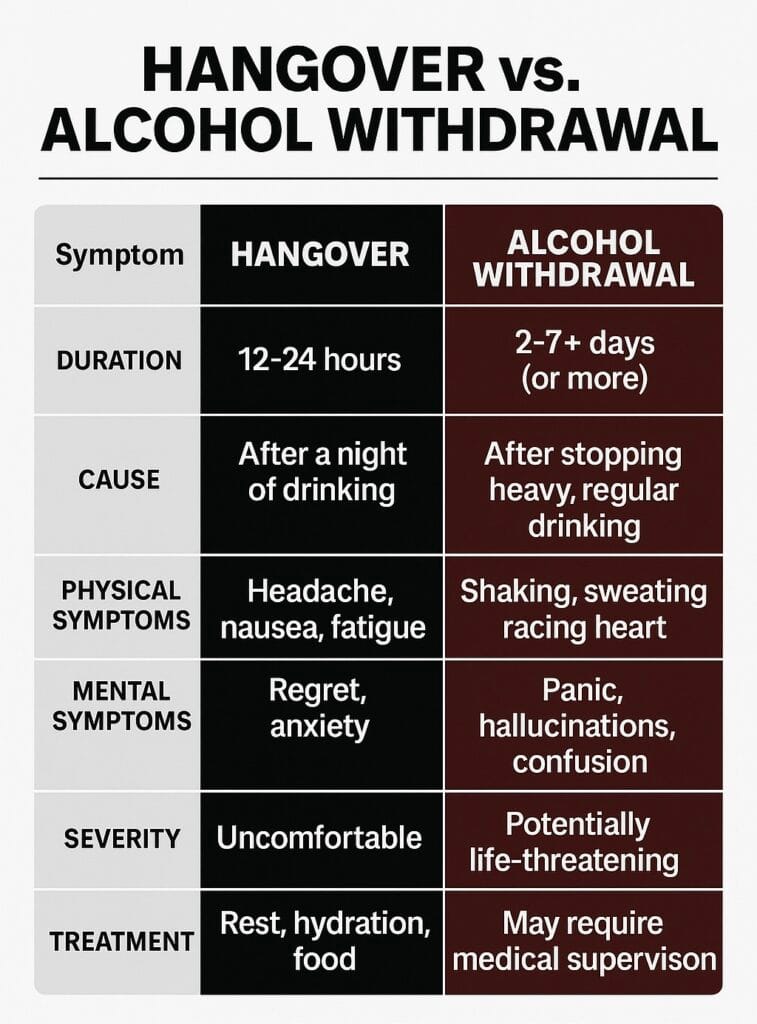
Hangover vs Alcohol Withdrawal: A Side-by-Side Comparison
To clarify the stark differences between a hangover vs alcohol withdrawal, here’s a direct comparison of key aspects:
Feature
Hangover
Alcohol Withdrawal
Onset
When blood alcohol content approaches zero or returns to normal
Hours to days after the last drink, if physically dependent
Duration
Typically 12−24 hours, rarely longer
Can last 2−7+ days, with peak severity at 24−72 hours, some symptoms for weeks
Core Cause
Acute toxicity from excessive alcohol intake
The body’s severe reaction to the absence of alcohol is become dependence
Physical Symptoms
Headache, nausea, fatigue, dehydration, and muscle aches
Shaking, profuse sweating, rapid heartbeat, high blood pressure, seizures, fever
Mental Symptoms
Regret, mild anxiety, irritability
Intense anxiety/panic, severe insomnia, confusion, agitation, paranoia, hallucinations
Severity & Risk
Uncomfortable, unpleasant; generally not life-threatening
Potentially life-threatening; risk of seizures, Delirium Tremens, and death
Often requires medical supervision (detox), benzodiazepines, and supportive care
(Consider adding a custom infographic or visual representation of this comparison table here. A well-designed infographic can be highly shareable and effective in conveying complex information quickly.)
FAQs: No Fluff, Just Facts on Hangover vs Alcohol Withdrawal
Q: How do I know if I’m dependent on alcohol?
A: If you find you need a drink to feel normal, to calm your nerves, to sleep, or to simply function in your daily routine, that’s a strong indicator of dependence. This isn’t just a habit or coping mechanism; it’s a physiological reliance. This need is the critical distinguishing factor when considering a hangover vs alcohol withdrawal.
Q: Can you die from alcohol withdrawal?
A: Yes. Severe alcohol withdrawal can lead to dangerous complications such as seizures, delirium tremens (DTs), and even death. Do not underestimate the risks. If you suspect severe withdrawal symptoms, seek immediate medical help. (Source: MedlinePlus Medical Encyclopedia: Alcohol withdrawal)
Q: Is it safe to quit cold turkey?
A: Not always. If you’ve been drinking heavily or regularly for a long period, attempting to quit “cold turkey” without medical supervision can be extremely dangerous. The abrupt cessation can trigger severe withdrawal symptoms like seizures and DTs. It is crucial to consult your GP or a medical professional for guidance and support before attempting to stop drinking. (Source: Drinkaware: How to stop drinking alcohol completely)
Q: Can I stop drinking without rehab or AA?
A: Absolutely. My journey proves it’s possible. However, it requires more than just willpower. You need a clear strategy, a supportive environment, and the willingness to face uncomfortable truths through a process like mindset rewiring. For many, professional guidance – even if not inpatient rehab – is crucial. Find out more about effective strategies for quitting alcohol and the power of mindset rewiring in my Sober Mindset Guide
The Real Reason This Matters
Most people don’t seek help for alcohol dependence until they perceive themselves to have hit “rock bottom.” But what if you didn’t need to reach that extreme low to turn your life around? What if simply understanding what’s truly happening inside your body and mind could be the catalyst for change?
It’s time to stop calling it a hangover when it’s really alcohol withdrawal. It’s time to stop brushing off escalating symptoms as “just getting older” when your vitality is fading away, silently eroding your physical and mental health.
This post isn’t intended to instil fear. It’s about revealing the truth. Because once you fully comprehend the profound difference between a hangover vs alcohol withdrawal, you cannot unknow it. This knowledge empowers you to make informed decisions for your well-being.
You Deserve More Than Just Surviving the Morning After
Imagine mornings without shame, regret, or a pounding head.
Imagine days filled with clarity and purpose, free from the constant fog of alcohol.
Imagine nights of peaceful, natural sleep, without needing a substance to shut down.
It all begins by honestly confronting this question:
Am I just hungover — or is this something deeper, something related to alcohol withdrawal?
Take Action Before It Takes You Out
You don’t necessarily need a clinical label. You might not need traditional rehab if that’s not your chosen path. But you do need to stop rationalizing and bullshitting yourself about your drinking and its escalating effects.
And I am here to equip you with the exact strategies and mindset shifts to guide you through this transformation.
Many men turn to alcohol to unwind. Why alcohol makes anxiety worse in men.
End of a long day. Work stress. Relationship tension. Your head’s noisy. Your body’s tight. You crack open a beer, pour a glass of wine, or throw back something stronger.
You tell yourself it helps you relax. Helps you forget. Helps you sleep. But here’s the brutal truth: That drink you think is helping? It might be the very thing keeping you stuck in stress, anxiety, and a low mood.
And I say that as someone who drank for over 40 years. Not casually. Not occasionally. But daily. Drinking to take the edge off. To feel normal. To feel like me.
Why Alcohol Increases Stress and Anxiety in Men
Alcohol does give temporary relief. That’s what makes it dangerous.
It lowers your inhibitions. Numbs the tension. You feel looser. You forget the thing you were ruminating about five minutes ago.
But then? Your brain rebounds. Alcohol spikes your dopamine—and then crashes it lower than before. It sedates your nervous system but interrupts your natural sleep cycles. You wake up more tired, more wired, and more prone to anxiety the next day.
So what do you do? You pour another drink the next night. And the cycle continues.
What you think is relaxing you is actually slowly rewiring your brain for dependency and dysfunction.
It’s Not Just a Habit—It’s a Coping Mechanism You Were Taught
Most men weren’t taught how to process emotion. We weren’t given tools. We were given silence. Or told to “man up.” Or offered a pint as a solution to problems we never learned to face.
So, of course, alcohol became the go-to. It wasn’t weakness. It was conditioning.
But here’s the thing—what got you here won’t get you out.
What Happens When You Quit “Unwinding” That Way
When I quit drinking, everything got louder at first. The stress. The overthinking. The shame. The silence. And it made me realise something most men never want to admit:
The drink wasn’t helping.It was just muting. And behind that muting was a version of me I didn’t know how to face.
But once I allowed myself to feel it? Once I actually felt the stuff I’d been drinking to avoid? That’s when the real unwinding started.
My sleep got better. My focus got sharper. The panic calmed. My stress dropped—not because I avoided it, but because I finally gave my nervous system a chance to reset.
There’s a Different Way to Decompress
I replaced the bottle with rituals that actually regulate my system:
Tools that don’t come with a hangover or guilt—physical, emotional, and mental anchors I now rely on daily:
Physical: Cold water exposure, early walks, real food. These regulate my body, boost energy, and keep me grounded.
Emotional: Deep conversations, solitude, honest reflection. These help me face what I used to run from.
Each of these tools helped me build a system that works with my body and mind—not against it.
I stopped self-medicating and started self-leading.
But it’s OK to Talk About This, and Why alcohol makes anxiety worse in men.
Let’s be honest—most men won’t say this stuff out loud.
They think:
“Everyone else drinks, so I must be fine.”
“I don’t drink that much.”
“It’s how I switch off.”
“It’s not hurting anyone.”
But you feel it. In your head. In your gut. In your relationships. You know when it’s not serving you anymore.
So say it. Even just to yourself, for now:
“This isn’t working anymore.” “There has to be a better way.” “I want more than this.”
Because it’s not weak to talk. It’s brave to change. It’s powerful to be honest.
You Deserve More Than the Pint You Keep Pouring
You’re not broken. You’re stuck in a loop that was sold to us as normal.
But you can break it. You can reset. You can build a new way of unwinding that doesn’t cost you your clarity, energy, or peace.
Frequently Asked Questions
Q: Does alcohol cause anxiety in men? Yes. While alcohol may seem to relax you short term, it disrupts your nervous system and sleep, making anxiety worse over time.
Q: What are healthy alternatives to alcohol for stress relief? Breathwork, cold exposure, journaling, and walking in nature are effective ways to calm your mind and reset your stress response.
Q: Can quitting alcohol improve mental health? Absolutely. Many people experience better sleep, mood stability, focus, and energy after removing alcohol from their routine.
I’m Ian. I drank for 40+ years. I quit without rehab or AA. Now I help other men do the same—on their terms, in their time, with real tools that work.
What It Is, What It Isn’t, and Does It Actually Work?
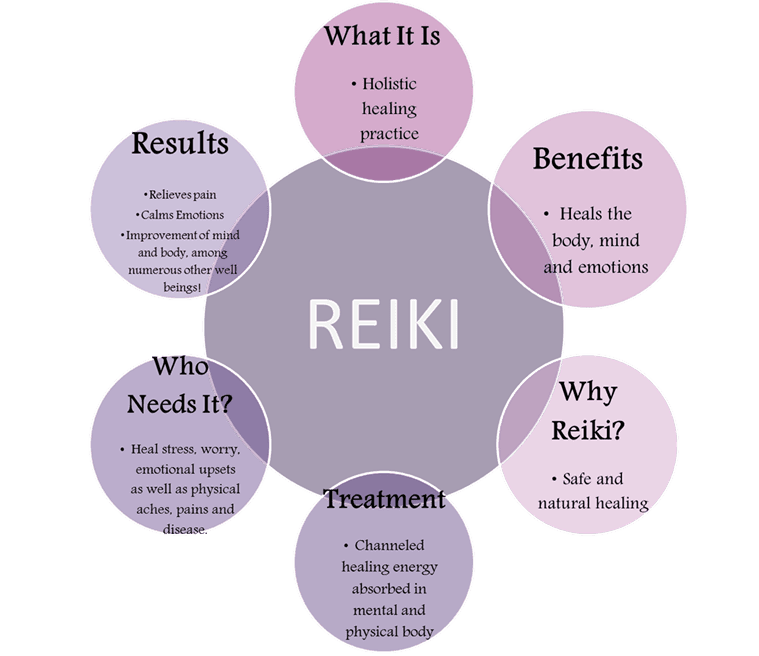
Reiki healing is a Japanese relaxation and stress-reduction practice that aims to support the body’s natural ability to regulate itself. It is particularly useful for people living with chronic stress, burnout, emotional overload, recovery from addiction, or a nervous system that never seems to fully switch off. Reiki is gentle, non-invasive, and commonly used alongside conventional approaches, not as a replacement for medical or psychological treatment.
For many people arriving here, interest in Reiki does not come from curiosity alone. It often appears at a point where stress has become constant, sleep is disrupted, emotions feel harder to manage, or the nervous system feels permanently switched on. Reiki tends to attract people who already sense that their system needs calming rather than fixing.
One question comes up more than any other:
Is Reiki real?
The honest answer depends on what you expect it to do.
Reiki does not diagnose illness. It does not cure disease. It is not a medical intervention. It does not bypass the body’s biology or override psychological processes. What it does reliably do for many people is help the nervous system downshift out of chronic stress and into a calmer, more regulated state. From there, people often report clearer thinking, emotional release, deeper rest, improved sleep quality, and a greater sense of internal stability.
I have been a Reiki Master for over 10 years. I use Reiki daily in my own life, with coaching clients, and alongside practices such as meditation, breathwork, and cold water immersion. I came to Reiki not through belief, but through necessity. What follows is a grounded explanation of what Reiki is, how it is commonly experienced, where the science currently sits, and where its limits are.
What Is Reiki Healing?
Before going further, it helps to be clear about what Reiki actually is.
Reiki is a Japanese practice developed in the early 20th century by Mikao Usui. It emerged from a blend of traditional Japanese healing concepts and meditative practice rather than from a medical model.
The word Reiki is commonly translated as:
Rei – universal or broader awareness
Ki – life force, vital energy, or animating force
Different cultures use different language for this concept. Some call it energy, others refer to it in terms of awareness, regulation, or coherence. Regardless of terminology, Reiki is not something that is done to you. It is a practice designed to support the conditions in which your system can settle and rebalance.
In practice, Reiki involves a practitioner placing their hands lightly on, or just above, the body while the recipient rests fully clothed. There is no manipulation, pressure, stretching, or physical adjustment involved.
The aim is simple and understated: to support relaxation and balance so the body can move out of a stress response and into a state where repair, digestion, emotional processing, and nervous system regulation are more accessible.
How Reiki Works (Explained Simply)
Reiki does not force change, push energy, release trauma on demand, or attempt to control outcomes. Instead, it works by creating the conditions in which the nervous system can safely let go and move out of chronic stress patterns.
A typical session looks like this:
You lie down or sit comfortably, fully clothed
The practitioner places their hands lightly on or just above different areas of the body
There is no effort, concentration, or participation required from you
Many people notice warmth, tingling, heaviness, slowed breathing, emotional release, or a deep sense of calm
From a physiological perspective, many people appear to move into a parasympathetic state. This is the branch of the nervous system associated with rest, digestion, immune response, and recovery. When the system is no longer stuck in fight-or-flight or freeze, the body has more capacity to regulate itself.
This helps explain why Reiki is often experienced as calming rather than stimulating, and why people frequently report feeling lighter, clearer, or more grounded afterwards. For some, the effect is subtle. For others, it can be profound. Both are normal.
Distance Reiki and Remote Sessions
I primarily offer distance Reiki sessions. In-person Reiki is available only if you are local to South Wales.
Distance Reiki often raises scepticism, especially for those who associate healing with physical touch. This reaction is understandable and worth addressing clearly.
Does Distance Reiki Work?
Many people report experiences during distance Reiki sessions that are similar to in-person sessions. This becomes easier to understand when you recognise that Reiki does not rely on physical manipulation. The practice centres on attention, intention, and nervous system state rather than location.
In a distance session:
The recipient rests in a quiet, comfortable space
The practitioner works with focused awareness and intention
People often report sensations such as warmth, tingling, emotional release, a sense of being held, or deep calm
Distance Reiki is commonly chosen by people who:
Are not local or live abroad
Are unwell, fatigued, or recovering from illness
Prefer to receive support in their own environment
Are experiencing emotional overload or burnout
Many clients find distance sessions easier to relax into, simply because they are already in familiar surroundings.
Is Reiki Backed by Science?
Reiki has also found its way into some clinical and hospice-adjacent settings, particularly where the focus is comfort, relaxation, and quality of life rather than cure. In the UK and internationally, Reiki and similar hands-on relaxation practices have been offered in hospice care, cancer support centres, and hospital wellbeing programmes as a complementary option to help patients manage stress, pain perception, and emotional distress.
Research into Reiki is still limited and ongoing, and it is important not to overstate the evidence. However, some small-scale studies and clinical observations suggest that Reiki may help reduce perceived stress, anxiety, pain, and fatigue, particularly when used alongside conventional care.
There is also growing interest in how Reiki may support heart rate variability, a marker often associated with nervous system flexibility and resilience. Improvements in HRV are generally linked with better stress tolerance and recovery capacity.
These findings are not definitive. What they do offer is a plausible explanation for why many people subjectively report feeling calmer, more settled, and less overwhelmed after sessions.
Reiki is best understood as a complementary practice. It supports regulation and relaxation. It does not replace medical care, therapy, or evidence-based treatment, and it should never be positioned as such.
My Experience as a Reiki Master
I did not come to Reiki looking for a belief system or a spiritual identity. It entered my life at a time when cognitive approaches alone were no longer enough. I needed tools that worked at the level of the nervous system, not just the thinking mind.
Over the years, I have used Reiki to support:
Chronic pain and physical tension
Emotional processing and regulation
Meditation and visualisation practices
Cold water immersion and stress adaptation
Sobriety and long-term nervous system stability
I have seen people experience deep relaxation for the first time in years. I have seen emotional release happen quietly, without analysis or storytelling. I have also seen Reiki help people reconnect with their body in a way that feels safe rather than overwhelming.
For me, Reiki is not about fixing what is broken. It is about remembering what calm, balance, and internal safety feel like.
What Can Reiki Help With?
People commonly seek Reiki support for a wide range of experiences, including:
Ongoing stress and anxiety
Emotional overwhelm, grief, or burnout
Chronic tension, pain, or fatigue
Sleep difficulties and restlessness
Nervous system dysregulation
Addiction recovery and emotional stabilisation
A persistent sense of disconnection from themselves
Experiences vary from person to person, and Reiki is not a guaranteed solution. It is a supportive practice that tends to work best when combined with self-awareness, realistic expectations, and other appropriate forms of care.
Reiki and Sobriety
In sobriety and recovery work, many people struggle not with motivation, but with regulation. Years of substance use often train the nervous system to rely on external numbing or stimulation to feel safe.
Reiki can be supportive in this context because it helps calm the system without forcing insight, confrontation, or emotional processing. It does not replace recovery work, but it can make that work easier to sustain by reducing internal noise, agitation, and overwhelm.
Frequently Asked Questions
What is Reiki healing?
Reiki is a Japanese relaxation and stress-reduction practice that supports the body’s natural ability to regulate itself. It is gentle, non-invasive, and complementary to other forms of care.
Is Reiki safe?
Yes. Reiki is generally considered safe for all ages. It does not involve manipulation, force, or physical adjustment and can be used alongside medical or therapeutic treatment.
How many sessions do I need?
Some people notice changes after one session, while others benefit from regular sessions over time. This depends on individual circumstances, goals, and how the nervous system responds.
Can Reiki help with addiction or emotional trauma?
Reiki may support nervous system regulation and emotional settling, which can be helpful alongside structured recovery or therapeutic work.
Does distance Reiki work as well as in-person Reiki?
Many people report similar experiences with distance Reiki. Because the practice focuses on awareness and nervous system state rather than touch, location appears to matter less than the ability to relax and receive.
Who is Reiki not suitable for?
Reiki should not be used as a substitute for medical or psychological treatment. Anyone with serious physical or mental health conditions should view Reiki as complementary rather than primary care.
Ready to Experience Reiki?
No belief system is required, and there is nothing you need to prepare or get right. You do not need to know how to relax, visualise, or do anything other than allow yourself some uninterrupted time.
If you are looking for support with stress, emotional overload, recovery, or nervous system regulation, Reiki may be a useful addition to your toolkit.
I primarily offer distance Reiki sessions, with limited in-person availability for those local to South Wales.
Used to monitor number of Google Analytics server requests when using Google Tag Manager
1 minute
_gid
ID used to identify users for 24 hours after last activity
24 hours
_ga_
ID used to identify users
2 years
_gali
Used by Google Analytics to determine which links on a page are being clicked
30 seconds
_ga
ID used to identify users
2 years
__utmx
Used to determine whether a user is included in an A / B or Multivariate test.
18 months
__utmv
Contains custom information set by the web developer via the _setCustomVar method in Google Analytics. This cookie is updated every time new data is sent to the Google Analytics server.
2 years after last activity
__utmz
Contains information about the traffic source or campaign that directed user to the website. The cookie is set when the GA.js javascript is loaded and updated when data is sent to the Google Anaytics server
6 months after last activity
__utmc
Used only with old Urchin versions of Google Analytics and not with GA.js. Was used to distinguish between new sessions and visits at the end of a session.
End of session (browser)
__utmb
Used to distinguish new sessions and visits. This cookie is set when the GA.js javascript library is loaded and there is no existing __utmb cookie. The cookie is updated every time data is sent to the Google Analytics server.
30 minutes after last activity
__utmt
Used to monitor number of Google Analytics server requests
10 minutes
__utma
ID used to identify users and sessions
2 years after last activity
_gac_
Contains information related to marketing campaigns of the user. These are shared with Google AdWords / Google Ads when the Google Ads and Google Analytics accounts are linked together.