Let’s be honest: If you’re wondering how to stop drinking alcohol without rehab, you’re not alone. Most people don’t want to go to a clinic or sit in a church hall to quit — and the good news is, you don’t have to. They don’t want to sit in a circle with strangers, chant out their sins, or check into some room with beige curtains and a clipboard full of rules. And for a long time, that was me too.
I didn’t go to rehab. I didn’t do AA. I didn’t get a sponsor. But I did stop drinking after more than 40 years of doing it daily.
And I’m telling you right now — it’s possible. It’s hard. It’s raw. But it’s also the most powerful decision you’ll ever make.
This isn’t some magic formula. It’s a blueprint built from lived experience, backed by real tools and a mindset that doesn’t rely on shame or white-knuckling.
So if you’re sick of waking up in regret, if your “just one” always turns into six, and if the thought of rehab makes you want to drink even more, this guide is for you.
Why Most People Never Quit (And Why That’s Not Your Fault)
Let’s clear this up first: If you’re struggling to quit, it’s not because you’re weak. It’s because alcohol has been strategically sold to you as normal, necessary, and even healthy.
We’ve been conditioned to think:
It’s how we relax
How we connect
How we celebrate
How we grieve
And when you try to quit, the world around you doesn’t change. The Friday nights. The “just one glass.” The weddings. The triggers.
It’s not just a habit. It’s a system.
But here’s the good news: You can break it. Without rehab. Without shame. Without waiting to “hit rock bottom.”
The Realistic, No-Rehab Way to Quit Drinking That Works
This is what I used. These steps changed my life — and they’re helping hundreds of others too.
1. Decide You’re Done — Not Just “Cutting Back”
“Maybe I’ll just drink on weekends” “I’ll switch to gin instead of beer” “I’ll just try moderation for now”
Sound familiar?
That was me for years. But moderation is a lie for those who’ve crossed the line. Make the decision. Draw the line. Tell the truth. Say it out loud: “I don’t drink anymore.”
2. Ditch the Shame. Get Curious Instead.
You don’t need to “admit you’re an alcoholic.” You need to ask: What was I drinking to avoid?
I don’t care if you’re not a morning person. You need a reason to stay sober before the world gives you a reason not to.
Here’s what saved me:
5 AM breathwork
Cold water immersion
Visualisation (seeing the sober version of me)
Journaling with brutal honesty
That’s not wellness fluff. That’s survival. One of the biggest myths is that you can’t stop drinking alcohol without rehab — but that’s just what the alcohol industry wants you to believe.
4. Change Your Environment — Not Just Your Willpower
If your fridge is full of booze and your socials are full of drink memes, you’re fighting a losing battle.
Clear the house
Mute or unfollow triggers
Say no to the pub (for now — trust me)
Walk. Move. Find sober spaces online or in person
You don’t need more willpower — you need less temptation.
5. Stack Tools — Not Rules
I didn’t use one method. I used layers:
Cold showers (250% dopamine boost — better than a pint)
Meditation
Breathwork
Daily walks
A free support group (yes, mine’s in the bio)
Build your toolkit. The ones that reconnect you with your body, your breath, and your choices.
6. Plan for Cravings Like They’re Coming — Because They Are
Cravings don’t mean you’re failing. They mean your brain is recalibrating.
Have a go-to plan:
Move your body
Text a mate
Watch a cold water vid
Read something that reminds you why you started
7. Track Your Progress Like It’s a Win — Because It Is
Every day counts. I’ve been counting since Day One. I’m now 130+ days sober and 33lb lighter — and I’m just getting started.
Track:
How you feel
What you’re grateful for
What wins you had today (even tiny ones)
Progress builds pride. Pride builds momentum.
So… How Long Until You Feel Better?
Here’s the honest answer:
First week: Brutal. Withdrawals, sweats, chaos.
Week two: Cravings + emotional fog.
Week three: A glimpse of peace.
One month: Your face changes. So does your energy.
60 days: You breathe deeper. Sleep better. Want more.
90+ days: You walk into life differently.
Final Word: This Isn’t About Perfection. It’s About Power.
You don’t need to go to rehab. You can stop drinking alcohol without rehab — and this guide is just the start. You need to show up for yourself, consistently, uncomfortably, and honestly.
And if you’re still reading, you’re already doing it.
Reiki healing for sobriety changed everything for me. I still remember lying on that table for my first session — unsure, twitchy, sober but unsettled — and within minutes, something shifted. It was like my nervous system finally exhaled. Not fixed. Not solved. But heard. That was the first time in decades I felt truly safe in my own skin.
Not overnight. Not like some lightning bolt. But breath by breath, session by session, Reiki helped me come back to myself — after 40 years of numbing out. It offered me something alcohol never could: peace that lasts. Peace that doesn’t leave you waking up full of shame, fog, or regret.
In this guide, I’ll break down what Reiki really is, why it helps with sobriety, and how it can support your recovery mentally, emotionally, and physically. Whether you’re brand new to it or already on your healing journey, this post gives you practical steps and lived experience.
What Is Reiki Healing for Sobriety?
Reiki is an energy healing practice that originated in Japan. The word itself is made up of two parts — “Rei” meaning universal and “Ki” meaning life force energy. This is the same energy many cultures have referenced for centuries — Chi in Chinese medicine, Prana in yoga, Mana in Polynesian tradition.
The practice works by gently placing hands on or just above the body to channel this energy into areas that are blocked, overwhelmed, or depleted.
It’s not religious. You don’t need to “believe” in anything. You just need to be open. Reiki doesn’t demand belief — it invites presence.
What it does is help your nervous system drop out of fight-or-flight mode — that clenched, panicked, reactive state many of us get stuck in — and into parasympathetic regulation: rest, repair, recovery.
Especially if you’ve been:
Drinking
Smoking
Overworking
Scrolling to escape
Surviving trauma
Reiki gives your system the pause it forgot how to take.
How Reiki Healing Supports Sobriety and Recovery
When I quit drinking, my body and mind were in chaos. Decades of alcohol had hardwired my nervous system to rely on chemical sedation. The silence was deafening. The emotions felt too big. The cravings — mental, emotional, physical — were relentless.
I’d already started using cold water therapy and visualisation to reset my mind. But Reiki brought something deeper — a kind of grounding that didn’t require effort. A surrender that felt like strength.
Reiki helped me:
Regulate my nervous system and reduce stress
Feel grounded in my body instead of fighting it
Breathe deeply without tension in my chest
Cry, release, and move energy that had been stuck for years
Most of all? It taught me that healing doesn’t always come with noise or drama. Sometimes, it comes in stillness.
If you’re sober curious, newly sober, or deep into recovery, Reiki might just be the soft power that supports your discipline.
What to Expect in a Reiki Session
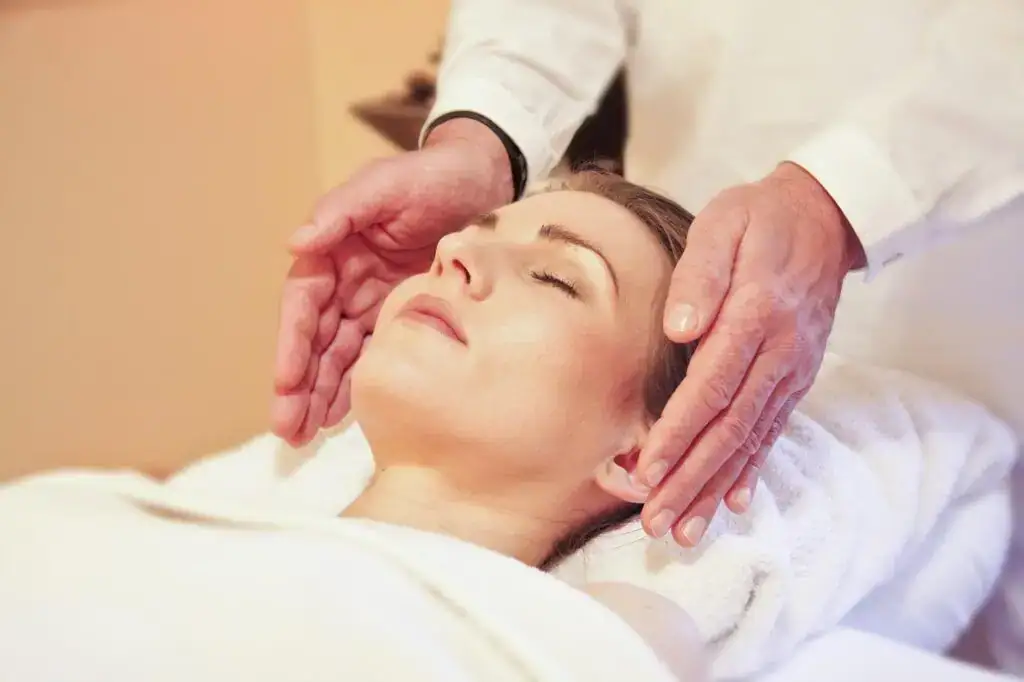
A Reiki session usually lasts 30 to 60 minutes. You stay fully clothed, lie on a massage table or a comfortable space, and allow the practitioner to work intuitively.
They may gently place their hands on or above specific energy centres (chakras) or areas of tension. There’s no massage or manipulation — just presence, intention, and energy flow.
You might feel:
Heat or warmth where their hands hover
Tingling or buzzing in different parts of your body
Colours or flashes behind your eyes
Emotional release — anything from tears to laughter
You don’t have to do anything — physically or mentally. The less you try to control or analyse it, the more deeply it works. This is about allowing, not forcing — a rare kind of healing where your only job is to receive.
After the session, many people report feeling:
Calm and deeply relaxed
Emotionally clearer
More connected to their body
Lighter and more present
Some people feel energised. Others feel ready to sleep. Every session is different — because your energy shifts every day.
The Science Behind Reiki Healing for Sobriety
While Reiki isn’t yet fully understood by Western science, more studies are confirming what practitioners and clients have known for decades:
Heart rate variability improves — a sign of better stress resilience
Cortisol (the stress hormone) drops after sessions
Improved sleep and better emotional regulation are commonly reported
Reiki has been used in clinical settings for:
Post-operative recovery
Chemotherapy support
PTSD and trauma processing
Pain management and end-of-life care
Even major hospitals like Johns Hopkins and the Mayo Clinic have integrated Reiki into complementary treatment plans.
Reiki is no longer “woo.” It’s increasingly recognised as a powerful support tool. Institutions like Johns Hopkins and the Cleveland Clinic now offer Reiki sessions as part of their integrative care programs. A study published in the Journal of Evidence-Based Complementary & Alternative Medicine found that Reiki significantly reduced anxiety and pain in patients after knee surgery. This isn’t fluff — it’s researched, respected, and recommended.
Can Reiki Work Over Distance?
Absolutely. One of the most powerful (and misunderstood) aspects of Reiki is that it doesn’t require physical touch to be effective.
Energy transcends space. That’s why distance Reiki — also called remote healing — works.
In a distance session:
We schedule a time and set a shared intention
You relax in your space while I channel energy from mine
I use Reiki symbols and a visual connection to bridge the gap
Afterwards, we debrief — just like in person
Clients across the world report the same results:
Reduced anxiety
Emotional clarity
Physical ease and deep calm
If you live overseas, travel frequently, or simply feel safer at home, distance Reiki is a powerful way to experience healing without borders.
How to Try Reiki for Yourself
If you’re curious or ready to try, here’s where to start:
Find a qualified practitioner. Look for certifications, trauma-informed practice, and a style that resonates with you.
Book one session. Don’t overthink it — just notice how your body responds.
Reflect. Keep a journal of what you felt. Were you calmer? Did you sleep better? Did anything shift emotionally?
Layer it in. Combine with other healing tools like breathwork, visualisation, cold water, or talk therapy.
Or learn to self-practice. Reiki Level 1 training teaches you how to work with your energy daily. As a Reiki Master, I now teach others how to use it for themselves, especially in sobriety and recovery spaces.
Final Word: This Isn’t Woo — It’s Real Work
Reiki won’t solve everything. It’s not a cure-all. But it is a gentle, powerful tool that can become part of your healing routine — one that works with your body instead of against it.
If you’ve been running from your emotions, exhausted from pretending, or scared of what comes up when you’re sober, Reiki can hold you through that.
It’s not magic. It’s maintenance.
And when you’re trying to rebuild yourself from the inside out, that kind of maintenance is everything.
Visualisation for sobriety. I spent over 40 years drinking. Not casually — not a glass of wine here and there — but full tilt, all in, escape-mode drinking. It was part of my identity. My coping tool. My culture. My reward. And for a long time, I genuinely thought I’d die with a drink in my hand.
Now, I’m 18 weeks sober — and one of the most powerful tools that helped me get here wasn’t rehab, AA, or white-knuckling through cravings — you know, gritting your teeth, pretending you’re fine, riding out urges like you’re clinging to the edge of a cliff.
It was visualisation.
Not the cheesy kind. Not “imagine you’re on a beach” fluff. I’m talking about the real stuff: rewiring your brain. Rehearsing the version of you who doesn’t need the drink. Seeing it so clearly that your nervous system starts to believe it.
This post will break down how it works, why it matters, and how to use it if you’re ready to break the cycle. You don’t need any special tools or experience — just a willingness to try.
🔬 Visualisation Isn’t Woo — It’s Neuroscience
Your brain doesn’t always know the difference between what you imagine and what you physically experience. That’s not some spiritual metaphor — that’s backed by science.
Elite athletes, special forces, and top performers across the world use visualisation as a tool to sharpen their edge, regulate their stress response, and rehearse excellence.
Here’s why it works: visualisation for sobriety
The brain fires the same neural circuits whether you do something or vividly imagine doing it.
Consistent visualisation creates new mental patterns — changing the brain’s wiring (called neuroplasticity).
It helps regulate the nervous system, especially when visualisation is paired with slow, deep breathing or cold exposure.
In other words, visualisation doesn’t just change how you think.
It changes how you feel, how you respond — and eventually, who you are.
🔄 From Booze to Breathwork: My Personal Rewire
For decades, alcohol was my answer to everything. Stress, joy, boredom, anxiety — it didn’t matter. My brain was wired to drink.
The idea that I could visualise a different response? It sounded ridiculous at first.
But I started small. Every morning, I’d sit quietly, before the noise kicked in, and picture:
Waking up clear-headed, calm, and proud.
Walking past the alcohol aisle with zero pull.
Saying “no thanks” at the pub — and meaning it.
Feeling genuinely free. Not deprived. Not battling — just… free.
I paired that with cold water therapy and breathwork, and that’s when things shifted. The urge didn’t disappear overnight. But slowly, my reactions changed. My cravings became signals, not orders.
I wasn’t just trying to be sober. I was becoming the version of me who already was. Not the man with a drink in his hand — but the one who wakes up clear, steady, and free.
💡 How You Can Use Visualisation in Your Recovery
You don’t need to meditate for hours or sit in a cave. You just need intention and repetition.
Here’s a simple starter routine:
Set aside 3–5 minutes in the morning. Before the world wakes up, before the stress hits.
Close your eyes and breathe slowly — 4 seconds in, 6 seconds out. (This calms your nervous system.)
Picture your ideal sober self:
What do they look like in the mirror?
How do they feel waking up?
What choices are they making?
How do they respond when life hits hard?
Make it visceral. Hear the sounds, feel the emotions, notice the details. The more senses involved, the more your brain encodes it as truth.
Finish with action. Say something out loud. A mantra. A promise. A reminder. Example: “Today, I choose clarity.” Or, “I don’t drink—not because I have to, but because I get to choose better.”
Repeat daily. Especially on the hard days. Try anchoring it to something simple — right after your morning shower, on your walk, or while the kettle boils. Make it yours.
👊 Final Thoughts: You’re Not Broken — You’re Rewiring
If you’ve struggled with relapse, with cravings, with the “I’ll start Monday” loop — it’s not because you’re weak. It’s because your brain has been trained to seek short-term comfort.
Visualisation trains it to seek long-term power.
You don’t just quit drinking with willpower. You quit by changing the story your mind believes. Visualisation helps you rewrite that story.
You’ve already got the power. You just need to start using visualisation for sobriety.
Used to monitor number of Google Analytics server requests when using Google Tag Manager
1 minute
_gid
ID used to identify users for 24 hours after last activity
24 hours
_ga_
ID used to identify users
2 years
_gali
Used by Google Analytics to determine which links on a page are being clicked
30 seconds
_ga
ID used to identify users
2 years
__utmx
Used to determine whether a user is included in an A / B or Multivariate test.
18 months
__utmv
Contains custom information set by the web developer via the _setCustomVar method in Google Analytics. This cookie is updated every time new data is sent to the Google Analytics server.
2 years after last activity
__utmz
Contains information about the traffic source or campaign that directed user to the website. The cookie is set when the GA.js javascript is loaded and updated when data is sent to the Google Anaytics server
6 months after last activity
__utmc
Used only with old Urchin versions of Google Analytics and not with GA.js. Was used to distinguish between new sessions and visits at the end of a session.
End of session (browser)
__utmb
Used to distinguish new sessions and visits. This cookie is set when the GA.js javascript library is loaded and there is no existing __utmb cookie. The cookie is updated every time data is sent to the Google Analytics server.
30 minutes after last activity
__utmt
Used to monitor number of Google Analytics server requests
10 minutes
__utma
ID used to identify users and sessions
2 years after last activity
_gac_
Contains information related to marketing campaigns of the user. These are shared with Google AdWords / Google Ads when the Google Ads and Google Analytics accounts are linked together.