In 2025, the UK is experiencing something most of us never thought we’d see: a genuine cultural awakening when it comes to alcohol. Gone are the days when drinking was the default. Now, more people than ever are embracing alcohol-free living in the UK—and they’re not just ditching the booze, they’re building something better in its place.
We’re talking about a new way of living—clear-headed, connected, conscious. And it’s not just about health stats (though they’re impressive). It’s about freedom, power, clarity, and real self-respect.
We’re also seeing it on the streets, in the supermarkets, in social media feeds, and in the conversations that were once whispered and are now proudly shouted. This is a sober revolution, not a passing trend—and it’s being fuelled by authenticity, resilience, and people waking up to what they want out of life.
Declining Alcohol Consumption Among Young Adults
One of the most telling signs? Young people are drinking less—way less. Surveys show nearly 50% of 18–34-year-olds in the UK have stopped drinking altogether. That’s not a trend, that’s a shift. They’re prioritising mental health, ditching hangovers, and seeking joy without the numbing. And honestly, they’re leading the way.
This isn’t about being ‘boring.’ It’s about waking up with a clear head. It’s about energy, presence, and self-awareness. Social media, wellness culture, and raw honesty about mental health have blown the lid off the old myths that alcohol = fun. Young adults are choosing differently, and the rest of us are catching on.
And let’s be honest: they’ve grown up watching the damage alcohol has done to previous generations. They’re more conscious, more informed, and more deliberate in their choices. They’re not avoiding alcohol out of fear—they’re choosing a better life. This is a generation that values authenticity over appearances, and they’re not afraid to stand out by saying no.
The Rise of the ‘Sober Curious’ Movement
You don’t have to ‘hit rock bottom’ to want a better life. That’s the message of the sober curious movement—and thank fuck for that. Campaigns like Dry January, Sober October, and Sober Spring offer a softer entry point, inviting people to just try living alcohol-free. The results? Better sleep. More energy. Less anxiety. Clearer skin. Stronger emotional regulation.
People are realising they don’t have to white-knuckle it. They just have to experiment. See what life feels like without the booze. And for many, that’s all it takes.
More than that, people are learning to listen to themselves—to trust their intuition over social pressure. They’re recognising that one glass too many isn’t a badge of honour. It’s often just a cycle they no longer want to be part of. Being curious is enough to start.
And this curiosity leads to a profound shift: when people stop asking “do I need to stop drinking?” and start asking “what would my life look like if I didn’t drink?”—real change begins.
Alcohol-Free Events and Venues in the UK
Ten years ago, if you wanted to go out and not drink, your options were… limited. Now? The scene is changing fast. Alcohol-free comedy nights, sober raves, breathwork circles, cacao ceremonies—you name it. Events like Sober Is Fun, Buddhafield Festival, and Into The Wild are proving that you don’t need alcohol to have an incredible time.
These spaces don’t just ditch the booze—they create depth. They centre connection, presence, and real conversation. You walk away from these events feeling elevated, not drained.
And for those in recovery or just choosing a different path, these events offer something even more powerful: community. A shared experience that doesn’t rely on lowered inhibitions to connect, but rather on being fully present with yourself and others.
This rise in sober socialising is also encouraging creativity, as organisers now have to think beyond “just add alcohol.” And the results? More engaging, more inclusive, more memorable events.
Growth of the Non-Alcoholic Beverage Market
The alcohol-free living movement is driving real innovation in the drinks industry. Big time. Alcohol sales in the UK dropped nearly 10% between 2019 and 2023, while non-alcoholic options surged. And we’re not talking sugary soft drinks.
We’re talking adult alternatives—like craft alcohol-free beers, botanical spirits, adaptogenic elixirs, and kombucha blends. Brands like Lucky Saint, CleanCo, and Three Spirit are flipping the script. These are drinks for people who care about flavour and health, not numbing out.
And guess what? They’re selling. Because more and more people want to enjoy their evenings and still remember them the next morning. And people want to hold something that looks good, tastes great, and doesn’t come with a side order of shame and regret.
Bars and restaurants are now boasting entire alcohol-free menus. Sober sections in supermarkets are growing by the month. This isn’t about abstinence—it’s about choice. And choice equals empowerment.
This shift is not only good for consumers—it’s reshaping the industry. Entrepreneurs, brewers, and distillers are now seeing a future in sober innovation. A whole ecosystem is being built around alcohol-free culture, and it’s just getting started.
Health Benefits of Alcohol-Free Living in the UK
Let’s be real. Alcohol’s health risks are well known: liver disease, anxiety, cancer, depression, and high blood pressure. But what’s equally important is what you gain when you ditch it.
Within a few weeks of quitting, most people notice:
Better sleep
Clearer thinking
More energy
Stronger immune system
Fewer mood swings
Lower resting heart rate
A sense of peace they haven’t felt in years
And let’s not forget the emotional clarity—the ability to feel your feelings without fear, to navigate stress without numbing, to show up in your life as you are. No hangover competes with that.
The physical health benefits are just the beginning. Alcohol-free living also brings emotional maturity, financial gains (hello, bank balance!), and more meaningful connections.
Not to mention improved digestion, healthier skin, reduced inflammation, and better sleep architecture—your body thanks you in ways you didn’t even expect.
Cultural Shifts and Mainstream Acceptance
Let’s talk stigma. For decades, if you didn’t drink, you had to explain yourself. People assumed you had a problem, or you were ‘no fun.’ That’s changing. Fast.
Now, sobriety is being reclaimed as a bold lifestyle choice. Not a punishment. Not a sentence. A choice. One that says: I want more from life. More connection. More creativity. More freedom.
Celebrities, athletes, influencers, and everyday people are normalising this shift. They’re showing us that alcohol-free living in the UK isn’t about what you lose—it’s about what you gain.
It’s also about flipping the script. Asking why you drink? Instead of Why don’t you? It’s about not needing a substance to make life tolerable—and discovering that real life, sober life, can be more vivid than anything you imagined.
We’re watching the social narrative shift from shame to pride, from secrecy to openness. And it’s powerful.
The TikTok Influence: @ian_callaghan on the Front Lines of Sobriety
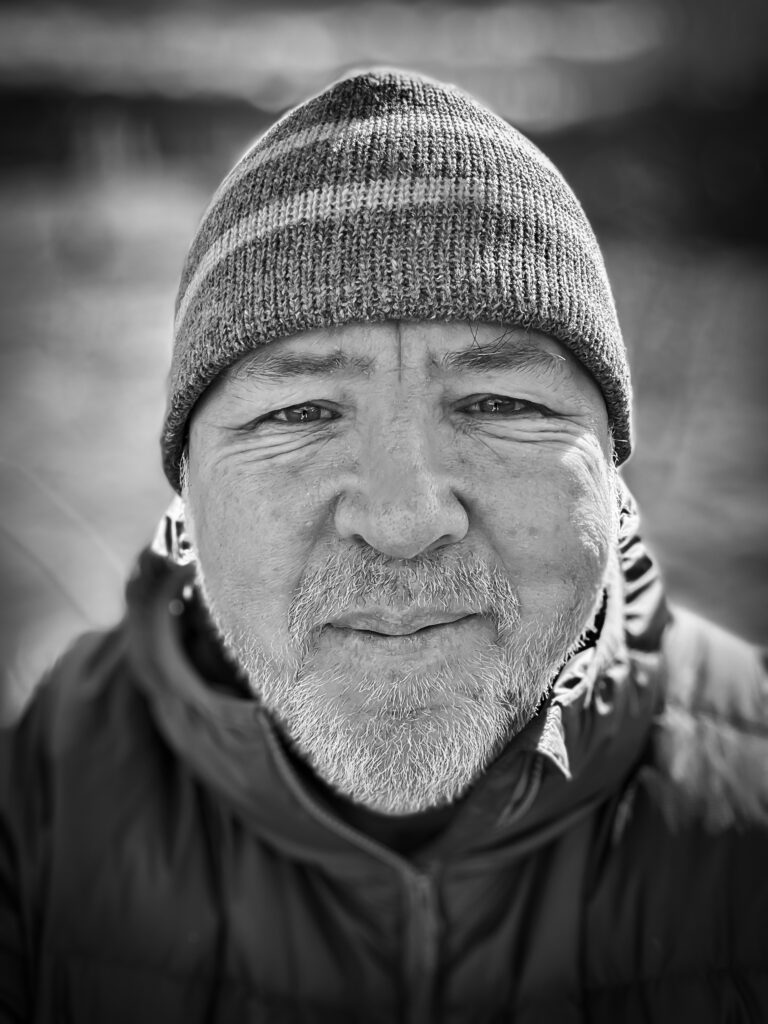
Social media has amplified this movement, and TikTok is leading the charge. One creator making waves is @ian_callaghan—a sobriety coach who’s walked the walk. After 40+ years of drinking, he quit. No AA. No sponsor. No rehab. Just mindset work, meditation, cold water therapy, and radical honesty.
In one week alone (April 4–10, 2025), Ian’s channel exploded:
45,358 views
1,195 profile visits
524 comments
110 new followers
Why? Because his content is real. He doesn’t sugar-coat it. He doesn’t feel shame. He just shows the truth of what sobriety looks like—and how good life can get when you commit.
Scroll his feed and you’ll see raw reflections, cold river dips, straight-talking truths, and a community that’s as real as it gets. No filters. No fluff. Just a man who’s been through it and came out the other side.
And he doesn’t stop at TikTok. Ian runs a thriving Facebook group called Sober Beyond Limits. It’s a free community for anyone, from day one to day 1000, who’s exploring what alcohol-free living could look like. No judgment, just support, inspiration, and practical tools.
Alcohol-free living in the UK isn’t a phase. It’s a new chapter. A culture shift that prioritises wellness, consciousness, and connection. As more people wake up to the truth about alcohol—and what’s possible without it—we’re seeing a tidal wave of clarity, creativity, and freedom rise across the UK.
It’s not about being ‘anti’ anything. It’s about choosing a life that feels better. More honest. More alive. This movement is made of small, courageous decisions. It’s made of people who are brave enough to say: “What if there’s more for me than this?”
If you’re even slightly curious about what that might look like for you, check out Ian’s bestselling guide, Mindset Makeover: Rewire Your Brain to Break Free from Alcohol. No fluff. Just the real tools that helped Ian walk away from 40+ years of drinking—and build something far better.
10 weeks alcohol-free, Ten weeks. Seventy days. 1,680 hours. It’s not just a number—it’s a full-blown transformation. After over 40 years of hammering the booze, I made the call to bin it. Not just for a break, not just to ‘cut back’—but to properly, finally, tell alcohol to f*** off out of my life.
And you know what? Best decision I’ve ever made.
No More Cravings—Because I See Alcohol for What It Is
People bang on about how hard quitting is, about the cravings, the battle of willpower. I braced myself for a fight. But you know what? It never came. The moment I stopped seeing alcohol as something I ‘missed’ and started seeing it for what it is—a numbing agent, a thief of time, energy, and self-respect—it lost all power over me.
Alcohol never relaxed me. It f***ing sedated me. It never helped me ‘unwind’—it just dulled my senses and disconnected me from my own life. Now, I don’t need a drink to ‘take the edge off’ because I removed the thing that was putting me on edge in the first place.
My evenings aren’t planned around booze anymore. No more ‘rewarding’ myself with a pint after a ‘long day.’ Now, I live my evenings. I read books that make me think. I have real, deep conversations without my mind wandering to the next drink. I watch the sunset and see it, feel it. I cook proper meals, ones that fuel my body instead of just filling a void. I am present in my own f***ing life, and it’s the best feeling in the world.
The Physical Payoff: Weight Down, Energy Through the Roof
Physically? The changes are unreal. Over a stone and a half lost. Not from dieting, not from some militant gym routine—just from not poisoning myself and giving a s*** about what I put in my body.
Sleep? I sleep. No more 3 AM wake-ups with my heart pounding like a f***ing drum and my mouth drier than a camel’s arse. No more waking up feeling like I got hit by a truck. I sleep deep. I dream again. I wake up refreshed, not wrecked.
And the energy—I’m a different kind of person. No more dragging myself through the day propped up by caffeine and pure willpower. My body feels lighter, my mind clearer, my motivation through the roof. I walk more. I stretch. I do yoga (yes, yoga—who the f am I?). My body isn’t constantly recovering from self-inflicted damage anymore. It’s thriving.
Since ditching the booze, my creativity has come roaring back. It’s like someone flicked a switch and suddenly, all the s*** I used to love doing has come back to me.
I’m back to painting—acrylic pours, mannequin art, just getting my hands covered in colour and losing myself in the process. It’s therapy, but in the best way.
Photography? I see the world differently. I’m noticing details, light, shadows, textures—things I never clocked when I was fogged up on alcohol.
And cooking. F*** me, cooking has become a whole new experience. As a trained chef, I’ve always loved food, but drinking dulled that passion. Now, I care. I experiment. I use fresh, real ingredients and make food that nourishes me instead of just filling a gap. No more late-night takeaways or eating for the sake of it. Food is fuel now, and I respect my body enough to give it the good stuff.
Here’s the biggest shift: without alcohol, I have to feel my feelings. No numbing, no suppressing, no ‘I’ll deal with it tomorrow’—just raw, unfiltered reality. And f*** me, it’s powerful.
I meditate. I do Reiki. Meditation helps me quiet the noise in my head, keeping me centered instead of spiraling into old thought patterns. Reiki? That’s energy work that helps me reset, a way to keep my mind and body in sync. Both have been game-changers in keeping me focused, balanced, and tuned into who I am, without the haze of alcohol dulling everything down. I use visualization and quantum jumping (yes, proper out-there s***, but it works) to step into the best version of myself. And for the first time, I trust myself. I’m confident. I don’t second-guess my choices. I don’t look for validation in a pint glass.
I’m here. Fully, unapologetically, here.
No Limits, No Looking Back
Ten weeks ago, I didn’t know what life without alcohol would look like. Now 10 weeks alcohol-free later, I can’t imagine going back.
I’m not just sober—I’m free. I’m thriving. I’m creating, growing, healing. And I’m doing it with a clear head, a strong body, and a soul that feels alive.
I’ve redefined fun. Rewritten relaxation. Redefined connection. My relationships are deeper, my conversations richer, my sense of purpose stronger than ever.
So if you’re wondering whether life without alcohol is worth it? Let me tell you: it’s not just good. It’s f***ing incredible.
I’m not looking back. Only forward. Because what I’ve gained—peace, clarity, real f***ing joy—beats any temporary high a drink could ever give me. I wake up knowing exactly who I am, and that’s a feeling I’ll never trade again.
From Quitting Alcohol to Building a Meaningful Life
The sobriety journey isn’t just about quitting alcohol. That’s the easy part. It’s about rebuilding a life that doesn’t need the escape, that doesn’t push you back to the bottle. That’s the real challenge—figuring out how to fill the space that alcohol used to occupy. You have to face your demons without a crutch and learn to function in a world that still expects you to drink. From those brutal first days of sobriety to actually carving out a lifestyle that sticks, the journey is raw, relentless, and life-changing. This is what that path looks like.
The First Few Days: Body in Revolt
The body kicks off its rebellion the moment you stop. Anyone who’s been there knows—the shakes, the sweats, the pure hell of your system trying to reset itself. But every hour that passes is one step further from the poison.
Day One: The Shock Hits
That first 24 hours? Grim. Your body’s scrambling, figuring out how to function without the crutch. Anxiety creeps in, your stomach is a knot, sleep is a joke. If you were a heavy drinker, withdrawal symptoms hit fast—nausea, cold sweats, and that deep, gnawing craving. The body’s flushing out the crap, blood sugar’s leveling, dehydration’s kicking in. It’s rough, but it’s necessary.
Days Two and Three: The Peak of the Storm
This is where things get brutal. Many people relapse at this stage, not because they want to, but because their body and mind are in full rebellion. To push through, some find that deep breathing exercises, staying hydrated, and keeping their hands busy—whether through journaling, walking, or even holding onto a cold bottle of water—help take the edge off cravings. Reaching out to a support group like this one or a trusted friend can also break the mental loop of obsession. Knowing that doesn’t make it easier, but it does remind you that you’re not alone in the fight. If withdrawal is gonna hit hard, it’s now. Sky-high blood pressure, your heart racing, your brain playing tricks. If you’ve gone deep with the drink, this is when DTs (delirium tremens) can kick in—hallucinations, seizures, full-body panic. Some people don’t make it through this without medical help. And if that’s you—get the help. No shame in that. This is war, and you fight however you need to.
Day Four: Light on the Horizon
This is where the tide starts to turn. Alcohol is out of your system. The fog lifts, a bit of clarity creeps in. Your energy shifts—it’s not full-blown recovery, but the body isn’t drowning anymore. Some people start feeling better, others are just exhausted, but one thing’s for sure—you’re on the other side of the worst of it.
Beyond Detox: The Sobriety Journey Really Begins
Quitting booze? That’s just step one. Living sober? That’s the beast. It’s a process, a long haul, a complete rewiring of everything you thought you knew about yourself.
The Abstinence Phase: One Foot in Front of the Other
The first year is about survival. Staying out of situations that drag you back. Learning how to handle cravings without caving and building basic habits—self-honesty, accountability, and most importantly, realizing you’re not the exception. You can’t outthink addiction. You beat it by showing up, every single day, for your own damn life.
Facing the Mind Games: The ‘Maybe I Wasn’t That Bad’ Lie
At some point, the brain starts whispering, “Maybe I wasn’t that bad. Maybe I can handle just one.” That’s the trap. It’s never ‘just one.’ Sobriety isn’t about willpower; it’s about understanding that the life you want doesn’t include the thing that was killing you.
Growth and Maintenance: More Than Just ‘Not Drinking’
Sobriety isn’t the absence of alcohol. It’s the presence of purpose. This is where the real rebuilding happens—relationships, mental health, physical health, self-respect. It stops being about avoiding alcohol and starts being about creating a life where drinking isn’t even appealing.
The Lifestyle Shift: Making Sobriety a Default
You don’t just quit drinking. You replace it—because nature hates a vacuum, and if you don’t fill that space with something meaningful, your old habits will come creeping back. For me, that meant diving into cold water immersion. That first plunge into freezing waves jolted me awake in a way alcohol never could. It became my ritual—my reset button. Others find it in hiking, writing, or rebuilding something with their hands. The key is finding something that makes you feel alive without the poison. Drinking was a way to cope, to escape, to socialize—so what takes its place? That’s the key to real recovery, finding something that gives you what alcohol never could. You rewrite your habits, rebuild your routines, and cut loose anything that kept you stuck.
Ditching the Triggers, Rewriting the Script
You can’t keep the same lifestyle and expect different results. Nightclubs, boozy brunches, toxic friendships—all of it fuels the cycle. Sobriety means creating a life that doesn’t trigger the need to escape.
Small Changes, Big Wins
Massive overnight overhauls don’t stick. But small, consistent changes do. Drinking water instead of reaching for a pint. Going for a run instead of numbing out. These tiny shifts compound, and before you know it, they’re second nature.
The Journey with My 30-Year-Old Caravan: A New Chapter
Lately, I’ve been pouring my energy into something new—fixing up my little 30-year-old caravan, getting it road-ready for some adventures. It’s been a slow process, but damn, is it satisfying. Stripping out the old, making space for something better—it’s a lot like sobriety in a way.
I’ve already booked a weekend trip near Whitesands in West Wales at the end of the month. A dose of Vitamin Sea and Vitamin D, plus my absolute favorite thing—getting into the cold water of nature. There’s something about the ocean, that shock of icy waves against your skin, that makes you feel alive in a way nothing else does. It’s like the ultimate reset button.
This isn’t just about getting away; it’s about embracing a new kind of freedom. The kind where you wake up clear-headed, with no regrets, and actually get to experience life instead of running from it. It’s the ability to truly be present, to make decisions without the haze of alcohol clouding your judgment, and to find joy in the little things—like a sunrise over the ocean, a quiet moment with a good book, or a deep breath of salty air before diving into the waves. Sobriety isn’t about missing out—it’s about finally being present, about chasing moments that actually mean something. And for me, right now, that means hitting the road, sleeping under the stars, and jumping headfirst into the kind of life I used to numb myself from.
The Identity Shift: Who Are You Without the Booze?
This is the big one. For a lot of people, drinking was more than a habit—it was their identity. The party guy. The weekend warrior. The one who always ‘handles their booze.’ So who the hell are you without it?
Redefining Yourself
You start figuring out what actually matters. What makes you feel alive that isn’t tied to a bottle? Maybe it’s fitness. It could be writing. Maybe it’s just being present for your family in a way you never were before. Whatever it is, lean into it.
Finding Your People
Not everyone will get it. Some will question your decision, others might mock it, and a few will even try to drag you back in. The key? Set boundaries, stand firm, and remember—this journey is yours, not theirs. Some people will try to pull you back in. Others will fall away naturally. Let them. Your real people? They’ll respect the change, or they’ll be the ones you meet in the life you’re building.
The Big Picture: The Freedom of Sobriety
At the start, the sobriety journey feels like a punishment—like you’re missing out on nights at the pub, like you’re the odd one out at social events, like you’ve lost your go-to escape when stress or boredom hit. But over time, those feelings fade. You start to realize that what you once thought was freedom was actually a cage, and real freedom is waking up every day without regret, fully in control of your own life. But once you’re on the other side, you see it for what it really is—freedom.
Used to monitor number of Google Analytics server requests when using Google Tag Manager
1 minute
_gid
ID used to identify users for 24 hours after last activity
24 hours
_ga_
ID used to identify users
2 years
_gali
Used by Google Analytics to determine which links on a page are being clicked
30 seconds
_ga
ID used to identify users
2 years
__utmx
Used to determine whether a user is included in an A / B or Multivariate test.
18 months
__utmv
Contains custom information set by the web developer via the _setCustomVar method in Google Analytics. This cookie is updated every time new data is sent to the Google Analytics server.
2 years after last activity
__utmz
Contains information about the traffic source or campaign that directed user to the website. The cookie is set when the GA.js javascript is loaded and updated when data is sent to the Google Anaytics server
6 months after last activity
__utmc
Used only with old Urchin versions of Google Analytics and not with GA.js. Was used to distinguish between new sessions and visits at the end of a session.
End of session (browser)
__utmb
Used to distinguish new sessions and visits. This cookie is set when the GA.js javascript library is loaded and there is no existing __utmb cookie. The cookie is updated every time data is sent to the Google Analytics server.
30 minutes after last activity
__utmt
Used to monitor number of Google Analytics server requests
10 minutes
__utma
ID used to identify users and sessions
2 years after last activity
_gac_
Contains information related to marketing campaigns of the user. These are shared with Google AdWords / Google Ads when the Google Ads and Google Analytics accounts are linked together.