The Hidden Crisis: How Polluted Rivers Are Endangering Our Health and Mental Well-being
Introduction
Rivers have long been symbols of life and purity, flowing through our landscapes as vital arteries that sustain ecosystems, communities, and cultures. However, the rivers that once symbolized health and tranquility are now under threat. Pollution is transforming these lifelines into toxic streams, jeopardizing not just our environment but also our physical and mental well-being. In this post, we’ll delve into the alarming realities of river pollution, explore its impact on our health, and discuss the urgent need for action.
The Alarming State of Our Rivers Pollution
In recent years, our rivers have been subjected to increasing levels of pollution, primarily from agricultural runoff and industrial waste. These pollutants include harmful chemicals, pesticides, herbicides, and bacteria that are often invisible to the naked eye but pose significant risks to those who come into contact with the water.
For example, agricultural activities, particularly industrial-scale farming, have been a major contributor to this crisis. The runoff from farms, especially those with intensive livestock operations and poultry factories, carries with it a cocktail of pollutants, including nitrates, phosphates, and dangerous bacteria like E. coli. These substances not only degrade water quality but also have cascading effects on aquatic life and human health.
One particularly poignant example is the River Wye, which has been severely impacted by agricultural pollution. The once-thriving river is now in a shocking state, with sections of it showing signs of severe ecological distress. The pollution has led to a decline in fish populations, a decrease in water quality, and, in some areas, has made the water unsafe for human contact.
Many of us seek solace in nature, and for some, this means taking a refreshing dip in a local river. However, what was once a healthy and invigorating activity is now fraught with risks. The presence of pollutants like E. coli in the water can lead to serious health issues, ranging from skin irritations to gastrointestinal illnesses.
In the transcript, the speaker mentions their reluctance to enter the river after rainfall, a time when runoff from nearby agricultural fields can carry even more pollutants into the water. The fear of coming into contact with harmful chemicals and bacteria is a stark reminder of how far we’ve allowed our rivers to deteriorate.
Moreover, the degradation of water quality has had a direct impact on public health. In some areas, designated bathing spots have been closed due to high levels of bacteria, posing a serious threat to those who might otherwise use these spaces for recreation. The closure of these sites is not just an inconvenience—it’s a sign of a much deeper problem that requires immediate attention.
The Mental Health Toll
Beyond the physical risks, the pollution of our rivers also takes a toll on mental health. For many, spending time in nature is a crucial part of maintaining mental well-being. The speaker in the video refers to the river as their “therapy room,” a place where they can escape the stresses of everyday life and connect with the natural world. However, the knowledge that the water is polluted—and the visible signs of ecological damage—can create feelings of anxiety, sadness, and helplessness.
Research has shown that spending time in nature can reduce stress, improve mood, and enhance overall mental health. However, when natural spaces are polluted, they can become sources of distress rather than relaxation. The sight of a once-beautiful river now choked with algae or the absence of wildlife that once thrived there can be deeply unsettling, especially for those who have a strong emotional connection to these places.
The Broader Implications of River Pollution
The pollution of our rivers is not an isolated issue; it is a symptom of broader environmental degradation and mismanagement. The lack of stringent regulations and enforcement, coupled with the pressures of industrial agriculture and urban development, has led to a situation where our natural resources are being exploited at an unsustainable rate.
The transcript highlights the contrast between the significant investments made in cleaning up rivers in other parts of the world, such as the Seine in Paris, and the neglect of rivers closer to home. This disparity underscores the need for greater awareness and action at both local and global levels.
What Can Be Done about River Pollution?
The situation is dire, but it is not hopeless. There are steps that can be taken to protect our rivers and restore them to health:
Strengthen Regulations: Governments must enforce stricter regulations on agricultural runoff, industrial waste, and sewage discharges. This includes monitoring water quality more closely and imposing significant penalties on violators.
Promote Sustainable Agriculture: Encouraging farmers to adopt sustainable practices, such as reducing the use of harmful chemicals and implementing better waste management systems, can significantly reduce the amount of pollution entering our rivers.
Raise Public Awareness: Education and awareness campaigns can help the public understand the importance of clean rivers and the role they can play in protecting these vital resources. Community-led initiatives, such as river clean-ups and water quality monitoring, can also make a difference.
Support Conservation Efforts: Supporting organizations that work to protect and restore rivers can have a direct impact on improving water quality. These groups often work on the ground, advocating for better policies and conducting restoration projects.
Conclusion
Our river’s pollution is at a critical juncture. The pollution they face is not just an environmental issue; it’s a public health crisis that affects us all. By taking action now, we can protect these vital waterways for future generations and ensure that they remain safe, clean, and accessible for all. Whether through advocacy, education, or direct action, we all have a role to play in safeguarding our rivers and the health of our communities.
The next time you stand by a river, take a moment to appreciate its beauty—and consider what you can do to help preserve it. The health of our rivers is a reflection of the health of our planet, and ultimately, our own well-being.
Achieve Your Dreams: Innovative Unique Goal Setting and Coaching with Visualization
Are you ready to turn your dreams into reality? Unique goal setting, combined with innovative coaching and powerful visualization techniques, can make a world of difference. In this blog post, we’ll explore unique methods for setting goals, the benefits of coaching, and how to use visualization to supercharge your success using a distinct framework. Let’s dive in!
The Importance of Unique Goal Setting
Goal setting is crucial for personal and professional growth, but to stand out, you need to go beyond the basics. Unique goal setting involves creating personalized, meaningful goals that resonate deeply with your core values and aspirations. Here’s why it’s essential:
Enhanced Clarity: Personalized goals provide a clear path to what truly matters to you, making your journey more focused and directed.
Increased Motivation: When your goals are aligned with your passions and values, your motivation naturally increases.
Better Accountability: Unique, well-defined goals allow for more precise tracking and accountability.
The Role of Coaching in Unique Goal Setting
Coaching is a dynamic process that helps you identify, set, and achieve your unique goals. Coaches offer personalized support, helping you stay committed and overcome obstacles. Here’s how coaching enhances goal setting:
Customized Guidance: Coaches adapt their strategies to fit your specific needs and circumstances, ensuring your goals are both challenging and achievable.
Ongoing Support: Regular sessions with a coach help you stay focused and adjust your plans as needed.
Skill Building: Coaches help you develop essential skills and mindsets, making you more resilient and capable of achieving your goals.
Visualization Techniques for Goal Achievement
Visualization is a powerful tool that involves creating mental images of your success. This technique can significantly enhance your ability to achieve your goals. Here’s how to use visualization effectively:
Develop a Detailed Vision:
Start by clearly defining your goals. What exactly do you want to achieve? How will it feel once you accomplish it?
Write down your goals with as much detail as possible. Instead of a vague goal like “I want to be successful,” specify, “I want to increase my business revenue by 50% within the next year through strategic marketing and customer engagement.”
Daily Visualization Practice:
Set aside a few minutes each day to visualize your goals. Find a quiet space, close your eyes, and imagine yourself achieving your objectives.
Engage all your senses. What do you see, hear, and feel? The more vivid your visualization, the more effective it will be.
Combine with Affirmations:
Use positive affirmations alongside visualization. Repeat empowering statements that reinforce your belief in your ability to succeed. For example, “I am a confident and successful entrepreneur, growing my business with every effort.”
Visualize Overcoming Challenges:
Anticipate obstacles and visualize yourself overcoming them. This prepares your mind to handle setbacks and stay resilient.
Implementing Your Unique Goal Setting and Visualization Plan
To get the most out of your goal-setting and visualization practice, follow these steps using a unique approach:
Identify Key Areas:
Experiences: What unique experiences do you want to have? Define experiences that will bring you joy and fulfilment.
Growth: How do you want to grow? Identify areas where you want to develop new skills, knowledge, or personal attributes.
Contribution: What impact do you want to make? Consider how you want to contribute to others or your community.
Set Clear Goals in Each Area:
Experiences Example: “I want to write a novel within the next year to fulfil my lifelong dream of being an author.”
Growth Example: “I aim to master a new language within the next 18 months to enhance my cultural understanding and communication skills.”
Contribution Example: “I plan to launch a community project that addresses local environmental issues within the next six months.”
Break Down Goals:
Divide larger goals into smaller, manageable tasks. For example, for the novel-writing goal: outline the plot, create character profiles, set a writing schedule, and complete a chapter each month.
Regularly review your progress and adjust your plan as needed. Use journals, apps, or spreadsheets to keep track of your achievements and setbacks.
Seek Support:
Don’t hesitate to seek guidance from a coach or mentor. Their insights and encouragement can be invaluable.
Frequently Asked Questions (FAQ)
Q: How often should I review my goals? A: Review your goals monthly to track progress and make necessary adjustments.
Q: What if I encounter obstacles in achieving my goals? A: Visualize overcoming the obstacles and break down the goal into smaller, more manageable tasks. Seek support from a coach if needed.
Q: How long should I spend on visualization each day? A: Spend at least 5-10 minutes daily visualizing your goals and imagining yourself achieving them.
Q: Can I change my goals once I’ve set them? A: Yes, goals can be adjusted as you progress and as circumstances change. Flexibility is key to maintaining motivation and relevance.
Q: How do I stay motivated if progress is slow? A: Celebrate small victories, visualize your success regularly, and remind yourself of the reasons behind your goals. Coaching can also help keep you motivated.
Conclusion
Unique goal setting, when paired with innovative coaching and powerful visualization techniques, can transform your aspirations into reality. By setting personalized goals, visualizing success, and staying committed, you can unlock your full potential and achieve remarkable growth. Start today by defining your unique goals, visualizing your success, and taking the first step toward your dreams.
My Sobriety Journey: Quitting alcohol was one of the most challenging and rewarding decisions I’ve ever made. Today, I am proud to share that I have been alcohol-free for 28 days. In this post, I’ll take you through my journey, the methods I’ve used to stay on track, and the incredible benefits I’ve experienced. I’ll also include a guided meditation for addiction and alcohol, as well as an FAQ section about the health benefits of being sober for just 28 days.
My Sobriety Journey
The Decision to Quit
Making the decision to quit alcohol wasn’t easy. It took a lot of self-reflection and recognising the negative impacts alcohol had on my life. From deteriorating health to strained relationships, the cons far outweighed the pros. I knew I needed to make a change. The moment I decided to quit was like a light bulb going off in my head. I realised that my life could be so much more fulfilling without alcohol holding me back.
Early Challenges and Breakthroughs
The first few days were tough. Cravings, mood swings, and insomnia were constant battles. I remember feeling on edge and irritable. My body was detoxing, and it wasn’t easy. However, I discovered that incorporating meditation, visualisation, and self-hypnosis into my daily routine made a significant difference. These practices became my anchor, helping me navigate through the stormy early days of sobriety. The support from my family and friends also played a crucial role. Their encouragement kept me going when things got tough.
The Power of Meditation, Visualisation, and Self-Hypnosis
Meditation
Meditation has been a game-changer. It helped me manage stress and anxiety, which are often triggers for alcohol consumption. By setting aside just 10-15 minutes each day for mindfulness, I found myself more centred and less likely to succumb to cravings. Meditation allowed me to observe my thoughts without getting caught up in them. It was a space where I could find peace amidst the chaos.
Visualisation
Visualisation involves imagining a future where I am healthy, happy, and free from addiction. Every morning, I visualise myself living a sober life—feeling vibrant, engaging in activities I love, and maintaining strong relationships. This practice kept me motivated and focused on my goals. I created a vision board filled with images that represented my goals and dreams. Seeing these visual reminders daily reinforced my commitment to sobriety.
Self-Hypnosis
Self-hypnosis helped reprogram my subconscious mind to support my sobriety. Using guided self-hypnosis recordings, I reinforced positive beliefs and attitudes about myself and my journey. This practice played a crucial role in reducing my cravings and boosting my self-confidence. I started to believe in my ability to stay sober and build a better life. The affirmations I used during self-hypnosis sessions were powerful and transformative.
Guided Meditation for Addiction and Alcohol
Meditation can be a powerful tool in overcoming addiction. Below is a simple guided meditation that you can use to support your journey:
Find a Quiet Space: Sit or lie down in a comfortable position.
Close Your Eyes: Take a few deep breaths, inhaling through your nose and exhaling through your mouth.
Focus on Your Breath: Pay attention to the sensation of your breath entering and leaving your body.
Visualise a Calm Place: Imagine a serene place where you feel completely at peace. It could be a beach, a forest, or a mountain top.
Affirmations: Repeat positive affirmations silently or out loud. Examples include “I am in control of my life,” “I am free from addiction,” and “I choose health and happiness.”
Release Negative Thoughts: If any negative thoughts arise, acknowledge them and let them go, returning your focus to your breath.
Stay for 10-15 Minutes: Continue this practice for about 10-15 minutes, then slowly bring your awareness back to the present moment.
Remember, consistency is key. Make this meditation a daily habit to reinforce your commitment to sobriety.
Health Benefits After 28 Days of No Alcohol
Improved Physical Health
Weight Loss: I’ve lost 10 pounds, which has boosted my confidence and energy levels. Losing weight has made everyday activities feel easier and more enjoyable. I feel lighter and more agile, which has encouraged me to stay active and continue making healthy choices.
Better Sleep: My sleep quality has improved dramatically. I wake up feeling refreshed and ready for the day. Alcohol disrupts sleep cycles, but without it, I’ve been able to enjoy deep, restorative sleep. This has improved my overall mood and productivity.
Increased Energy: Without alcohol, my energy levels have soared. I feel more active and engaged in my daily life. I no longer experience the afternoon crashes that used to plague me. My energy remains steady throughout the day, allowing me to accomplish more and enjoy my activities fully.
Enhanced Mental Clarity
Clearer Thinking: My mind feels sharper and more focused. I’m able to think more clearly and make better decisions. Without the brain fog caused by alcohol, I’ve noticed improvements in my memory and cognitive abilities. Tasks that once seemed overwhelming are now manageable.
Reduced Anxiety: Meditation and sobriety have significantly reduced my anxiety levels, making me feel more at peace. I’ve developed healthier coping mechanisms for dealing with stress and anxiety. The constant worry and agitation that alcohol used to exacerbate have lessened significantly.
Financial Savings
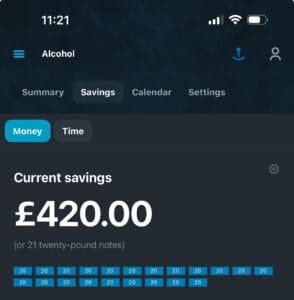
Monetary Savings: In just 28 days, I’ve saved £420.00. It’s incredible to see how much money can be saved by cutting out alcohol. These savings have allowed me to invest in activities and experiences that bring me joy and fulfillment. It’s a tangible reminder of the positive impact sobriety has on all aspects of life.
Frequently Asked Questions (FAQ) About Health Benefits After 28 Days of No Alcohol
Q: How does quitting alcohol improve sleep?
A: Alcohol disrupts your sleep cycle, leading to poor sleep quality. After quitting, your sleep becomes more restful and rejuvenating. Without the interference of alcohol, your body can progress through the natural sleep stages, resulting in deeper and more restorative sleep.
Q: Will I experience weight loss after quitting alcohol?
A: Many people, including myself, experience weight loss after quitting alcohol. This is because alcohol is high in empty calories and can lead to unhealthy eating habits. Without these extra calories, it’s easier to maintain a healthy weight. Additionally, sobriety often leads to better food choices and increased physical activity, further supporting weight loss.
Q: How does sobriety affect mental clarity?
A: Sobriety improves mental clarity by reducing brain fog and enhancing cognitive function. You’ll find yourself thinking more clearly and making better decisions. This improvement in mental clarity can positively impact various aspects of life, from work performance to personal relationships.
Q: What are the financial benefits of quitting alcohol?
A: Quitting alcohol can lead to significant financial savings. You’ll save money on drinks, and you’ll also reduce spending on related costs, such as nights out and health expenses. Over time, these savings can accumulate and be used for more meaningful investments, such as travel, hobbies, or personal development.
Conclusion
My sobriety journey has been transformative. By incorporating meditation, visualisation, and self-hypnosis, I’ve managed to stay on track and experience incredible benefits. If you’re on a similar path or considering it, know that it’s possible and deeply rewarding. Stay committed, use the tools that work for you, and remember that every day of sobriety is a step towards a healthier, happier life.
Thank you for reading, and I hope my story inspires you to take positive steps in your own life. Remember, you’re not alone in this journey, and there are many resources and communities available to support you.
By sharing your journey and the methods that worked for you, you can inspire others to take the first step towards sobriety. This post, optimised for search engines, will help reach a wider audience and positively impact many lives.
Used to monitor number of Google Analytics server requests when using Google Tag Manager
1 minute
_gid
ID used to identify users for 24 hours after last activity
24 hours
_ga_
ID used to identify users
2 years
_gali
Used by Google Analytics to determine which links on a page are being clicked
30 seconds
_ga
ID used to identify users
2 years
__utmx
Used to determine whether a user is included in an A / B or Multivariate test.
18 months
__utmv
Contains custom information set by the web developer via the _setCustomVar method in Google Analytics. This cookie is updated every time new data is sent to the Google Analytics server.
2 years after last activity
__utmz
Contains information about the traffic source or campaign that directed user to the website. The cookie is set when the GA.js javascript is loaded and updated when data is sent to the Google Anaytics server
6 months after last activity
__utmc
Used only with old Urchin versions of Google Analytics and not with GA.js. Was used to distinguish between new sessions and visits at the end of a session.
End of session (browser)
__utmb
Used to distinguish new sessions and visits. This cookie is set when the GA.js javascript library is loaded and there is no existing __utmb cookie. The cookie is updated every time data is sent to the Google Analytics server.
30 minutes after last activity
__utmt
Used to monitor number of Google Analytics server requests
10 minutes
__utma
ID used to identify users and sessions
2 years after last activity
_gac_
Contains information related to marketing campaigns of the user. These are shared with Google AdWords / Google Ads when the Google Ads and Google Analytics accounts are linked together.