Is Everyone ADHD Now? The Shifting Trends in Mental Health Diagnoses
In recent years, it seems that ADHD (Attention Deficit Hyperactivity Disorder) has become the diagnosis du jour. Just a few years back, the spotlight was firmly on Autism Spectrum Disorder (ASD). You couldn’t scroll through social media or chat with a friend without hearing about someone’s experience with being “on the spectrum.” Today, the same conversations seem to revolve around ADHD. So, what’s driving this shift in the mental health landscape?
The Rise of ADHD Awareness
Firstly, it’s important to acknowledge that ADHD is a genuine and often debilitating condition. It affects both children and adults, manifesting through symptoms like inattention, hyperactivity, and impulsiveness. However, the recent surge in ADHD diagnoses and self-diagnoses raises questions about societal trends and medical practices.
One factor contributing to this trend is increased awareness. ADHD has always existed, but our understanding of it has grown significantly. With more information available, people are better equipped to recognize symptoms in themselves and others. Social media platforms and online communities have played a pivotal role in spreading awareness, allowing individuals to share their experiences and symptoms, often leading to self-diagnosis or seeking professional help.
Diagnostic Criteria and the Spectrum of Behaviours
Another reason for the surge in ADHD diagnoses is the broadening of diagnostic criteria. ADHD symptoms can overlap with many other conditions, making it a challenging diagnosis. What was once considered simply “quirky” or “energetic” behaviour may now be seen through the lens of ADHD. This expansion can be both a blessing and a curse. While it means more people can access help and support, it also risks pathologising normal variations in human behaviour.
Historically, ADHD was primarily diagnosed in hyperactive young boys who struggled to sit still and pay attention in school. Today, we understand that ADHD presents differently in different people. Girls and women, who are often underdiagnosed, may exhibit less overt hyperactivity but struggle with inattention and internal restlessness. This evolving understanding has broadened the scope of who might be considered to have ADHD.
The DSM-5 (Diagnostic and Statistical Manual of Mental Disorders, Fifth Edition) outlines the criteria for diagnosing ADHD, which includes a range of symptoms related to inattention and hyperactivity-impulsivity. However, these symptoms must be present in two or more settings (e.g., at home, school, or work) and must interfere with or reduce the quality of social, academic, or occupational functioning. This broader understanding can help capture a more diverse group of individuals who genuinely need support but also risks overdiagnosis if not carefully managed.
From Autism to ADHD: Changing Perceptions
Not long ago, it seemed that everyone was talking about being on the autism spectrum. This trend highlighted the broad and varied nature of ASD, emphasising that it’s a spectrum with a wide range of manifestations. Many individuals found solace in understanding their unique traits through the lens of autism, fostering a sense of community and acceptance.
The shift from a focus on autism to ADHD may reflect changing social and cultural narratives. As our understanding of ADHD evolves, it becomes a more relatable and recognisable diagnosis for many. The lifestyle demands of modern society—constant connectivity, multitasking, and high productivity—can exacerbate symptoms of inattention and hyperactivity, leading more people to identify with ADHD traits.
Moreover, the increase in ADHD diagnoses may also be linked to societal changes and expectations. Modern life often demands multitasking and constant connectivity, which can amplify ADHD symptoms. The pressure to perform and stay focused in an environment filled with distractions can make it easier for individuals to recognise ADHD traits in themselves.
The Role of Social Media and Celebrity Influence
Social media and celebrity culture have a significant impact on mental health trends. Influencers and public figures openly discussing their ADHD diagnoses can lead to greater public interest and self-reflection. While this visibility is crucial for reducing stigma, it also has the potential to create a bandwagon effect, where individuals may identify with ADHD without a thorough professional evaluation.
Platforms like TikTok, Instagram, and YouTube are filled with content creators sharing their experiences with ADHD, providing a relatable narrative that resonates with many. Celebrities like Simone Biles and Justin Timberlake have also publicly discussed their ADHD, contributing to the broader conversation. This visibility can be empowering for those who feel understood and less alone in their struggles. However, it can also lead to an increase in self-diagnosis, which might not always be accurate.
A study published in the Journal of the American Academy of Child & Adolescent Psychiatry noted that increased media coverage and public awareness could lead to a rise in perceived symptoms among the general public, sometimes resulting in self-diagnosis or misdiagnosis.
The Importance of Accurate Diagnosis
While increased awareness and openness about mental health are positive developments, it’s essential to approach self-diagnosis with caution. ADHD, like any mental health condition, requires a comprehensive evaluation by a qualified professional. Misdiagnosis can lead to inappropriate treatment and overlooking other underlying conditions.
Professionals use a range of tools and assessments to diagnose ADHD, including clinical interviews, behavioural assessments, and sometimes neuropsychological testing. These evaluations help differentiate ADHD from other conditions with similar symptoms, such as anxiety, depression, or learning disabilities. Accurate diagnosis ensures that individuals receive appropriate interventions and support tailored to their specific needs.
The Broader Implications of Misdiagnosis
Misdiagnosis can have significant implications. For instance, mistaking anxiety or depression for ADHD can lead to treatment plans that don’t address the root of the problem. Conversely, overlooking ADHD in someone struggling with anxiety or depression might mean they don’t get the full spectrum of support they need.
Moreover, the medication commonly prescribed for ADHD, such as stimulants, can have side effects and may not be appropriate for individuals without ADHD. Misdiagnosing and subsequently medicating the wrong condition can lead to unnecessary side effects and a lack of improvement in the person’s overall well-being.
Moving Forward: A Balanced Perspective
As we navigate these shifting trends, it’s vital to maintain a balanced perspective. Recognising that mental health is complex and multifaceted can help us avoid oversimplifying or sensationalising diagnoses. Whether it’s ADHD, autism, or any other condition, each individual’s experience is unique and deserves careful consideration.
A balanced approach involves recognising the benefits of increased awareness while also advocating for thorough professional assessments. Mental health professionals play a crucial role in distinguishing between different conditions and providing accurate diagnoses and effective treatment plans.
For those who suspect they might have ADHD, seeking a professional evaluation is the best course of action. This process not only provides clarity but also opens the door to appropriate resources and support systems.
Conclusion
The trend of increasing diagnoses reflects broader societal changes, improved awareness, and evolving diagnostic practices. While it’s essential to embrace these developments, we must also ensure that we approach mental health with nuance and care. By doing so, we can better support those who genuinely need help while fostering a more informed and compassionate society.
As we continue to understand more about ADHD and other mental health conditions, it’s crucial to keep the conversation going. Open dialogue, continued research, and accessible mental health services will help create a supportive environment for everyone navigating these challenges. Through awareness and careful consideration, we can support individuals in achieving their best possible mental health and well-being.
Personal development coaching is a transformative process that can significantly enhance both personal and professional growth. It provides individuals with the tools, strategies, and support needed to realize their full potential. In this blog post, we will explore the myriad benefits of personal development coaching and how it can positively impact various aspects of one’s life.
Understanding Personal Development Coaching
What is Personal Development Coaching?
Personal development coaching is a collaborative process between a coach and a client that focuses on self-improvement and achieving personal goals. The coach helps the client identify their strengths, overcome obstacles, and develop a growth mindset. This form of coaching is rooted in positive psychology and aims to empower individuals to lead more fulfilling lives.
How Does Personal Development Coaching Work?
Personal development coaching involves a series of one-on-one sessions where the coach guides the client through self-exploration and goal-setting exercises. These sessions are tailored to the client’s unique needs and objectives, ensuring that the coaching process is both effective and personalized.
The Core Benefits of Personal Development Coaching
1. Enhanced Self-Awareness
One of the primary benefits of personal development coaching is increased self-awareness. Through various assessments and reflective exercises, clients gain a deeper understanding of their values, beliefs, and behaviours. This heightened self-awareness is crucial for making informed decisions and aligning actions with personal values.
2. Improved Goal-Setting and Achievement
Personal development coaches help clients set realistic and attainable goals. By breaking down larger objectives into manageable steps, clients can maintain motivation and track progress more effectively. This structured approach to goal-setting increases the likelihood of success and fosters a sense of accomplishment.
3. Increased Confidence and Self-Esteem
Coaching sessions often focus on identifying and building upon an individual’s strengths. This positive reinforcement helps boost confidence and self-esteem. As clients achieve their goals and overcome challenges, they develop a stronger belief in their abilities, which translates to greater confidence in both personal and professional settings.
4. Enhanced Communication Skills
Effective communication is a vital skill in both personal and professional relationships. Personal development coaching helps individuals improve their communication skills by providing strategies for active listening, assertiveness, and empathy. These improved skills can lead to more meaningful and productive interactions.
5. Better Stress Management and Resilience
Personal development coaching equips individuals with tools and techniques to manage stress more effectively. Through mindfulness practices, time management strategies, and resilience-building exercises, clients learn how to cope with challenges and maintain a positive outlook even in difficult situations.
Professional Growth Through Personal Development Coaching
1. Leadership Development
For those in leadership positions or aspiring to be leaders, personal development coaching can be particularly beneficial. Coaches help individuals develop essential leadership skills such as decision-making, conflict resolution, and team management. This leads to more effective leadership and a positive impact on organizational success.
2. Career Advancement
Personal development coaching can play a significant role in career advancement. Coaches assist clients in identifying career goals, developing professional skills, and creating actionable plans to achieve their aspirations. This guidance can result in promotions, career transitions, and overall job satisfaction.
3. Improved Work-Life Balance
Achieving a healthy work-life balance is a common challenge in today’s fast-paced world. Personal development coaching helps individuals prioritize their time and energy, ensuring that they can fulfill both professional and personal responsibilities without feeling overwhelmed. This balance is essential for long-term well-being and productivity.
The Process of Personal Development Coaching
Initial Assessment
The coaching process typically begins with an initial assessment, where the coach and client discuss the client’s goals, challenges, and expectations. This assessment helps the coach tailor the sessions to the client’s specific needs.
Once the assessment is complete, the coach works with the client to set clear and achievable goals. These goals are broken down into smaller, manageable steps, making it easier for the client to stay focused and motivated.
Action Plan Development
The next step involves developing a detailed action plan. This plan outlines the specific actions the client needs to take to achieve their goals. The coach provides support and guidance throughout this process, ensuring that the client stays on track.
Regular Coaching Sessions
Regular coaching sessions are held to review progress, address challenges, and adjust the action plan as needed. These sessions provide ongoing support and accountability, helping the client stay committed to their personal development journey.
Evaluation and Adjustment
Periodically, the coach and client evaluate the progress made towards the goals. This evaluation helps identify any areas that need adjustment and ensures that the coaching process remains effective and relevant to the client’s evolving needs.
The Role of the Coach
Providing Support and Encouragement
A personal development coach provides unwavering support and encouragement throughout the coaching process. This positive reinforcement helps clients stay motivated and confident in their ability to achieve their goals.
Offering Objective Perspective
Coaches offer an objective perspective, helping clients see situations from different angles. This broader viewpoint can lead to new insights and innovative solutions to challenges.
Holding Clients Accountable
Accountability is a key component of personal development coaching. Coaches help clients stay accountable to their goals by regularly reviewing progress and addressing any obstacles that arise.
Conclusion
Personal development coaching offers a wide range of benefits that can enhance both personal and professional growth. From increased self-awareness and confidence to improved communication skills and career advancement, the advantages of personal development coaching are substantial. By working with a qualified coach, individuals can unlock their full potential and lead more fulfilling lives.
If you’re ready to embark on a journey of self-improvement and achieve your goals, consider investing in personal development coaching. The benefits are far-reaching, and the impact on your life can be truly transformative.
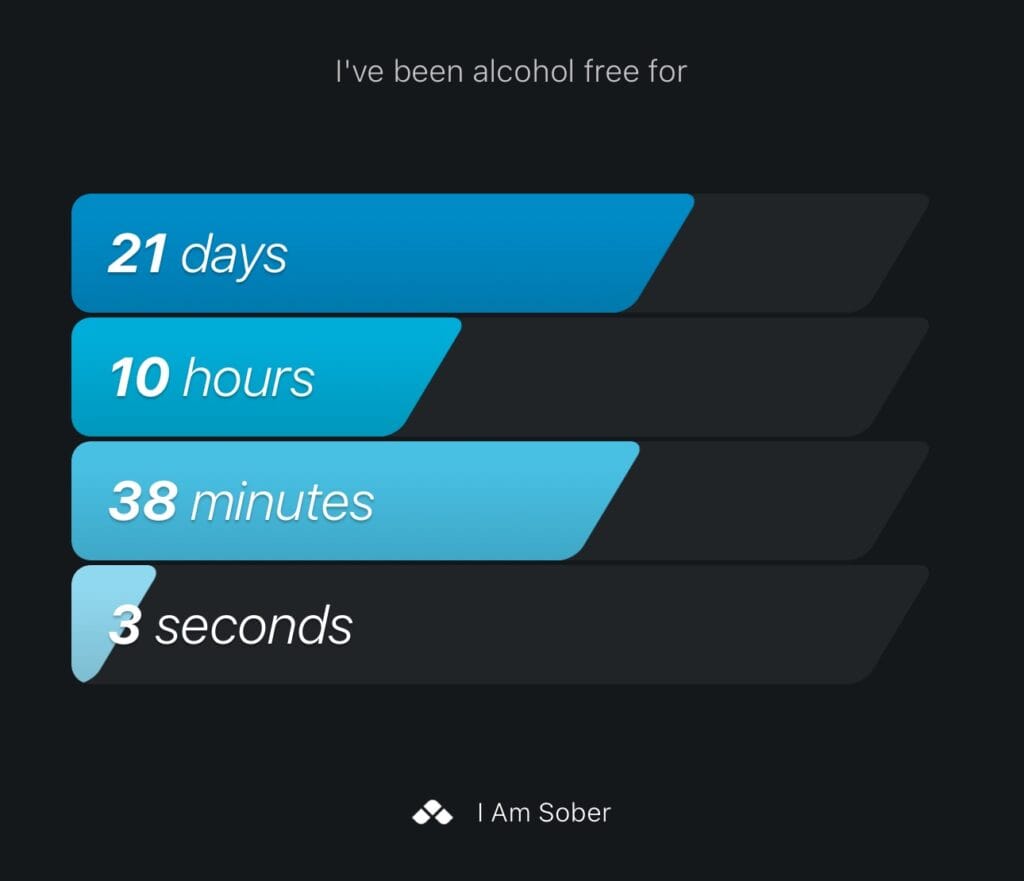
Embarking on a journey of sobriety is both challenging and rewarding. For me, the decision to quit alcohol was driven by a deep desire to improve my physical and mental health. Over the past 21 days, 10 hours, 38 minutes, and 3 seconds, I have experienced significant changes in my life. This post is a reflection on my sobriety journey, highlighting the reasons behind my decision, the improvements in my well-being, and the powerful role of meditation, visualization, and quantum jumping in supporting my commitment.
The decision to stop drinking was not taken lightly. I realized that alcohol was affecting various aspects of my life, from physical health issues to mental and emotional instability. I was determined to reclaim control over my life and health, which led me to embrace sobriety.
Physical Health
Alcohol had taken a toll on my body. I experienced frequent fatigue, poor sleep, and various health issues that were exacerbated by drinking. Since quitting alcohol, my energy levels have increased, I sleep better, and I feel more physically robust. The transformation has been profound and encouraging.
Mental Health
Mentally, alcohol had been a crutch that masked underlying issues such as anxiety and depression. Sobriety has given me the clarity to address these issues head-on. I have found that my mood is more stable, and I am better equipped to handle stress and emotional challenges.
The Role of Meditation, Visualization, and Quantum Jumping
Meditation, visualization, and quantum jumping have been instrumental in my journey to sobriety. These practices have helped me stay focused, manage cravings, and cultivate a positive mindset.
Detailed Guided Quantum Jumping Visualization: “A Sober Future for Ian”
Quantum jumping is a powerful visualization technique that involves mentally travelling to a parallel universe where a different version of yourself exists. This version has already achieved the goals you are working towards—in this case, a sober, healthy, and fulfilled Ian.
Induction
Find a Quiet Space: Sit or lie down in a comfortable position. Ensure you won’t be disturbed for the duration of the exercise. Close your eyes and take a few deep breaths, inhaling through your nose and exhaling through your mouth.
Relax Your Body: Starting from the top of your head, slowly scan down through your body. Notice any areas of tension and consciously relax them. Imagine a wave of relaxation spreading from your head down to your toes.
Breathing: Focus on your breath. With each inhale, imagine breathing in calmness and peace. With each exhale, release any stress or tension. Continue this for a few minutes until you feel deeply relaxed.
Deepener
Visualize a Staircase: Imagine standing at the top of a beautiful staircase. There are ten steps leading down to a door. With each step you take, you feel more relaxed and more deeply immersed in the visualization.
Step 10: Take the first step down, feeling your body relax even more.
Step 9: Another step down, deeper into relaxation.
Step 8: Feel the tension melting away.
Step 7: More relaxed and at ease.
Step 6: Halfway down, sinking deeper.
Step 5: Every muscle is loose and relaxed.
Step 4: Almost at the door, feeling calm.
Step 3: Deeper still, more relaxed.
Step 2: Almost there, completely at peace.
Step 1: Reach the bottom, feeling deeply relaxed.
Approach the Door: Stand in front of the door. Know that on the other side is a portal to a parallel universe where a future, sober version of Ian exists.
The Jump to a Parallel Universe
Open the Door: When you are ready, open the door and step through. Feel a gentle shift as you move into a new reality.
Explore the New Environment: You find yourself in a beautiful, serene place. It could be a lush garden, a tranquil beach, or a peaceful forest. Take a moment to explore your surroundings and feel the peace and positivity of this new world.
Meet Future Ian: In the distance, you see a figure approaching. As they get closer, you realize it is the future, sober version of yourself. This Ian is healthy, happy, and fulfilled.
Interact with Future Ian: Greet Future Ian warmly. Take a moment to observe how they look, how they carry themselves, and the energy they exude. Notice the clarity in their eyes, the strength in their body, and the calmness in their demeanour.
Ask Questions: Engage in a conversation with future Ian. Ask questions about how they achieved sobriety, what challenges they faced, and how they overcame them. Listen carefully to their advice and wisdom.
Receive a Gift: Future Ian hands you a small object, a symbol of strength and commitment. It could be a key, a crystal, or a special token. Accept this gift with gratitude, knowing it represents the power and potential within you.
Returning to the Present
Say Goodbye: Thank future Ian for their guidance and support. Know that you can return to this place and this version of yourself whenever you need inspiration and motivation.
Return Through the Door: When you are ready, walk back to the door and step through it, returning to the staircase.
Climb the Staircase: As you ascend the staircase, bring the feelings of strength, clarity, and commitment with you. With each step, you feel more awake and more present.
Step 1: Start to ascend, bringing back clarity.
Step 2: Feeling stronger and more focused.
Step 3: Each step reinforces your commitment.
Step 4: Returning with new insights.
Step 5: Halfway up, feeling more present.
Step 6: More awake and alert.
Step 7: Almost at the top, carrying the positive energy.
Step 8: Bring back the calmness and peace.
Step 9: Almost there, feeling fully awake.
Step 10: Reach the top, open your eyes, and return to the present moment, feeling empowered and ready to continue your sobriety journey.
The Impact on My Life
Since incorporating meditation, visualization, and quantum jumping into my sobriety journey, I have noticed significant improvements in my overall well-being. These practices have helped me stay focused, manage stress, and maintain a positive outlook on life.
Enhanced Focus and Clarity
Meditation has sharpened my mental clarity and improved my ability to focus on tasks. This has been particularly beneficial in my professional life, where I am now more productive and efficient.
Stress Management
The calming effects of meditation and the motivational power of visualization have helped me manage stress more effectively. I feel more equipped to handle life’s challenges without resorting to alcohol.
Positive Mindset
Visualization has kept me motivated and optimistic about my sobriety journey. By consistently imagining a healthier, happier future, I remain committed to my goals.
FAQ: Sobriety and Mental Wellness
Q: How long does it take to feel the benefits of sobriety? A: While individual experiences vary, many people begin to notice improvements in their physical and mental health within a few weeks of quitting alcohol.
Q: Can meditation help with alcohol cravings? A: Yes, meditation can be very effective in managing cravings by promoting relaxation and reducing stress, which are common triggers for alcohol use.
Q: How often should I practice meditation and visualization? A: Consistency is key. Aim to practice meditation and visualization daily, even if it’s just for a few minutes. Regular practice will yield the best results.
Q: Is it normal to feel emotional during meditation? A: Yes, it is normal to experience a range of emotions during meditation. Allow yourself to feel these emotions without judgment, and they will often pass naturally.
Q: Can anyone practice meditation and visualization? A: Yes, these practices can be adapted to suit individuals of all ages and backgrounds. If you have specific health concerns, consult with a healthcare provider before starting a new routine.
Conclusion
My journey to sobriety has been a transformative experience, and meditation, visualization, and quantum jumping have played a crucial role in my success. By harnessing these powerful tools, I have improved my physical health, stabilized my mental well-being, and cultivated a positive outlook on life.
For anyone considering sobriety or seeking ways to support their journey, I encourage you to explore meditation, visualization, and quantum jumping. These practices offer a pathway to inner peace, strength, and lasting wellness.
This post is dedicated to sharing my experience and the techniques that have helped me. May it inspire and support others on their path to sobriety and wellness.
Used to monitor number of Google Analytics server requests when using Google Tag Manager
1 minute
_gid
ID used to identify users for 24 hours after last activity
24 hours
_ga_
ID used to identify users
2 years
_gali
Used by Google Analytics to determine which links on a page are being clicked
30 seconds
_ga
ID used to identify users
2 years
__utmx
Used to determine whether a user is included in an A / B or Multivariate test.
18 months
__utmv
Contains custom information set by the web developer via the _setCustomVar method in Google Analytics. This cookie is updated every time new data is sent to the Google Analytics server.
2 years after last activity
__utmz
Contains information about the traffic source or campaign that directed user to the website. The cookie is set when the GA.js javascript is loaded and updated when data is sent to the Google Anaytics server
6 months after last activity
__utmc
Used only with old Urchin versions of Google Analytics and not with GA.js. Was used to distinguish between new sessions and visits at the end of a session.
End of session (browser)
__utmb
Used to distinguish new sessions and visits. This cookie is set when the GA.js javascript library is loaded and there is no existing __utmb cookie. The cookie is updated every time data is sent to the Google Analytics server.
30 minutes after last activity
__utmt
Used to monitor number of Google Analytics server requests
10 minutes
__utma
ID used to identify users and sessions
2 years after last activity
_gac_
Contains information related to marketing campaigns of the user. These are shared with Google AdWords / Google Ads when the Google Ads and Google Analytics accounts are linked together.