Sexual health is an important aspect of overall well-being, and the mind plays a crucial role in this area of our lives. Our thoughts, emotions, beliefs, and attitudes can all influence our sexual experiences and relationships. In this blog post, we’ll explore the connection between the mind and sexual health, and offer tips and strategies for cultivating a healthy and satisfying sexual life.
Understanding the Mind-Body Connection
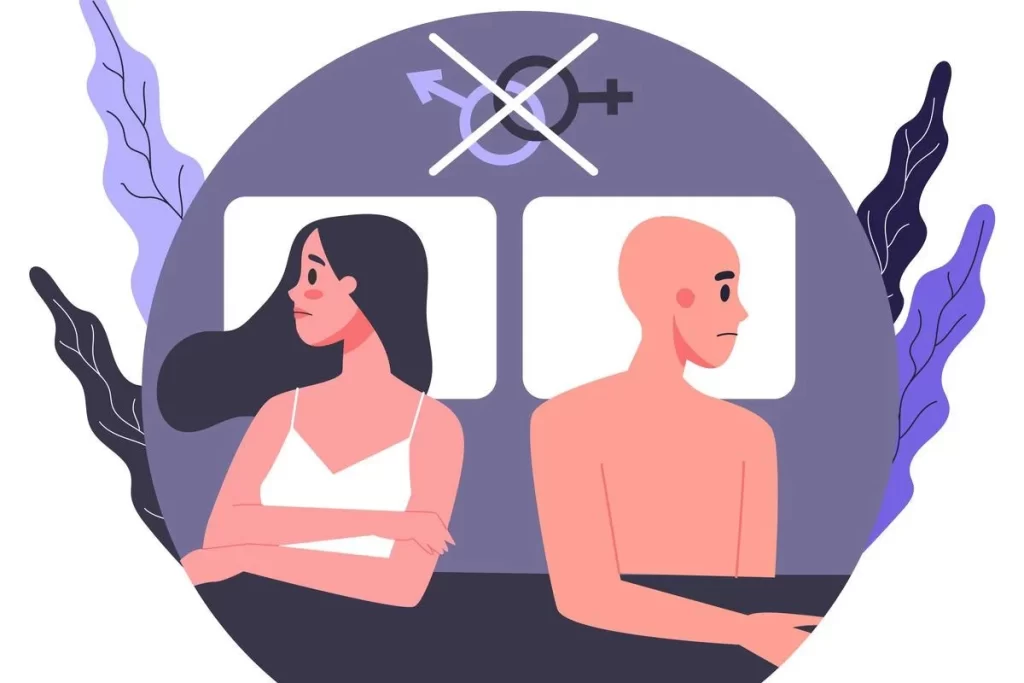
Sexual health is not just about physical function, but also about emotional and psychological well-being. The mind and body are intimately connected, and our mental state can have a significant impact on our sexual response and satisfaction. Stress, anxiety, depression, and other mental health issues can all interfere with sexual desire and performance, while positive emotions like love, intimacy, and joy can enhance them.
Cultivating a Positive Mindset
To promote sexual health and well-being, it’s important to cultivate a positive mindset around sex and sexuality. This means letting go of shame, guilt, and negative beliefs that may be holding us back. It also means embracing our own desires and needs, and communicating them with our partners in an open and honest way.
One powerful tool for cultivating a positive mindset is mindfulness meditation. By practicing mindfulness, we can learn to be more present in the moment, letting go of distractions and negative thoughts that may be interfering with our sexual experiences. Mindfulness can also help us become more aware of our own bodies and sensations, allowing us to fully enjoy the pleasure of sexual intimacy.
Addressing Mental Health Issues
If you’re experiencing mental health issues like anxiety or depression, it’s important to seek professional support and treatment. These issues can significantly impact sexual function and enjoyment, and addressing them can be key to improving sexual health.
There are many different forms of therapy and treatment available for mental health issues, including cognitive behavioral therapy, talk therapy, and medication. It’s important to find the approach that works best for you, and to be open and honest with your healthcare providers about any sexual concerns you may have regarding the mind and sexual health.
Fostering Intimacy and Connection
Finally, one of the most important factors in sexual health is fostering intimacy and connection in our relationships. This means taking the time to build emotional closeness with our partners, and communicating openly and honestly about our desires and needs.
One effective way to foster intimacy and connection is to engage in non-sexual activities together, like taking a walk, cooking a meal, or sharing a hobby. These activities can help us build trust and connection with our partners, creating a strong foundation for sexual intimacy.
In conclusion, the mind plays a crucial role in sexual health, and cultivating a positive mindset and addressing mental health issues can be key to improving sexual experiences and relationships. By fostering intimacy and connection with our partners, and embracing our own desires and needs, we can cultivate a healthy and satisfying sexual life.
Strategies for reframing negative beliefs
Boosting Self-Confidence in Sexual Relationships
Step 1: Identify limiting beliefs and negative self-talk
Think about your self-talk around sexual relationships. Are there any limiting beliefs or negative thoughts that come to mind? Write them down.
Example limiting beliefs/negative thoughts:
“I’m not good enough in bed.”
“I’m too old/fat/ugly to attract a sexual partner.”
“I always mess things up in bed.”
Step 2: Challenge those beliefs and thoughts
Once you’ve identified your limiting beliefs and negative thoughts, it’s time to challenge them. Ask yourself the following questions:
Is this belief true?
Is there any evidence that supports this belief?
Is there any evidence that contradicts this belief?
How does this belief make me feel?
How does it impact my sexual relationships?
Example challenges:
“Is it really true that I’m not good enough in bed? No, I have had positive sexual experiences in the past and can continue to improve.”
“Is it really true that I’m too old/fat/ugly to attract a sexual partner? No, people of all ages and body types can have fulfilling sexual relationships.”
“Is it really true that I always mess things up in bed? No, I have had successful sexual experiences in the past and can learn from any challenges.”
Step 3: Reframe your beliefs and thoughts
Once you’ve challenged your limiting beliefs and negative thoughts, it’s time to reframe them. Use positive and empowering language to create new beliefs and thoughts that support your self-confidence in sexual relationships.
Example reframes:
“I am good enough in bed, and I am always improving and exploring new ways to enjoy sexual experiences.”
“I am attractive and desirable regardless of my age, body type, or appearance.”
“I am capable of having successful sexual experiences and can learn from any challenges that may arise.”
Reducing Performance Anxiety in Sexual Situations
Step 1: Identify anxious thoughts and physical sensations
Think about the anxious thoughts and physical sensations you experience in sexual situations. Write them down.
Example anxious thoughts/physical sensations:
“I’m not going to be able to perform.”
Increased heart rate and sweating
Nervousness and tension
Step 2: Challenge anxious thoughts and physical sensations
Once you’ve identified your anxious thoughts and physical sensations, it’s time to challenge them. Ask yourself the following questions:
Is this thought or physical sensation accurate?
Is there any evidence that supports this thought or physical sensation?
Is there any evidence that contradicts this thought or physical sensation?
How does this thought or physical sensation impact my sexual experiences?
Example challenges:
“Is it really true that I won’t be able to perform? No, I have been able to perform successfully in the past.”
“Is it really true that my heart rate and sweating mean I won’t be able to perform? No, these physical sensations can be a normal response to sexual arousal and don’t necessarily mean I won’t be able to perform.”
“Is it really true that my nervousness and tension will prevent me from performing? No, these feelings can be managed with relaxation techniques and positive self-talk.”
Step 3: Reframe anxious thoughts and physical sensations
Once you’ve challenged your anxious thoughts and physical sensations, it’s time to reframe them. Use positive and empowering language to create new thoughts and physical sensations that support your confidence and relaxation in sexual situations.
Example reframes:
“I am capable of performing and enjoying sexual experiences, and any challenges that arise can be managed with patience and understanding.”
“My heart rate and sweating are a natural response to sexual arousal, and I can use relaxation techniques to manage any physical sensations that may arise.”
“I am relaxed and confident in my ability to perform, and I trust my body to respond to sexual stimuli in a positive and enjoyable way.”
Enhancing Intimacy and Connection in Sexual Relationships
Step 1: Identify barriers to intimacy and connection
Think about any barriers that may be preventing you from feeling fully intimate and connected with your sexual partner. Write them down.
Example barriers:
Difficulty communicating needs and desires
Fear of vulnerability and rejection
Lack of trust or emotional connection with partner
Step 2: Challenge barriers and negative thoughts
Once you’ve identified your barriers and negative thoughts, it’s time to challenge them. Ask yourself the following questions:
Is this barrier or negative thought accurate?
Is there any evidence that supports this barrier or negative thought?
Is there any evidence that contradicts this barrier or negative thought?
How does this barrier or negative thought impact my ability to feel intimate and connected with my partner?
Example challenges:
“Is it really true that I can’t communicate my needs and desires to my partner? No, I can practice effective communication skills and trust that my partner will respond with understanding and care.”
“Is it really true that vulnerability and rejection are inevitable in sexual relationships? No, I can trust that my partner will respect and appreciate my openness and honesty.”
“Is it really true that I can’t develop emotional connection and trust with my partner? No, I can practice building emotional intimacy through shared experiences and open communication.”
Step 3: Reframe barriers and negative thoughts
Once you’ve challenged your barriers and negative thoughts, it’s time to reframe them. Use positive and empowering language to create new beliefs and thoughts that support your ability to feel intimate and connected with your partner.
Example reframes:
“I am capable of communicating my needs and desires with my partner, and I trust that we can work together to create a fulfilling sexual experience.”
“I am open and vulnerable with my partner, and I trust that they will respond with respect and care.”
“I am actively building emotional intimacy and trust with my partner, and I am excited to explore our sexual connection together.”
Remember, NLP scripts are just one tool to help improve your mind and sexual health. It’s important to seek out professional support and advice if you are experiencing ongoing challenges or difficulties in your sexual relationships.
Meditation for Sexual Performance Anxiety: What’s Actually Going On and How to Fix It
Meditation for sexual performance anxiety. If you’ve ended up here, something isn’t working in the bedroom and you already know it’s not physical. The equipment works fine at 3 am when there’s no pressure. But the moment it matters, the moment someone’s actually there, your brain turns the whole thing into a performance review.
That’s not a weakness. That’s not a character flaw. That’s your nervous system doing exactly what it was designed to do, just at the completely wrong moment. And meditation for sexual performance anxiety isn’t some soft, incense-burning suggestion. It’s a direct intervention in the biology of what’s happening to you. Let me explain why.
Your Body Thinks Sex Is a Threat
Your autonomic nervous system runs on two modes. Sympathetic, which is fight or flight, and parasympathetic, which is rest and digest. Here’s the part nobody tells you: arousal, erection, lubrication, all of it is biologically dependent on the parasympathetic state. You cannot get there while your brain thinks you’re in danger.
Performance anxiety tells your brain this is a threat. Adrenaline floods in. Blood diverts away from your genitals toward your major muscle groups. Your body is preparing for battle, not intimacy. You’re not broken. You’re just in the wrong gear, and you can’t shift it by trying harder.
Cortisol Is Killing Your Libido
Chronic performance anxiety means chronic cortisol elevation. High cortisol suppresses testosterone production over time. You’re not just nervous in the moment; you’re chemically biased against sexual function before you even get to the bedroom.
This is why pills don’t fix it. A pill might force a mechanical response, but it doesn’t touch the cortisol, it doesn’t touch the anticipatory dread, it doesn’t touch the pattern your nervous system has locked into. Meditation does, because it’s the most effective natural method for lowering cortisol we have. It’s not relaxation fluff. It’s a manual override for your stress response.
The Spectatoring Problem
Masters and Johnson coined the term spectatoring decades ago and it remains the most accurate description of what kills sexual experience for anxious men. You leave your body and become a third-party observer. You’re watching yourself, judging your hardness, your stamina, your partner’s face for signs of disappointment. You’ve left the room mentally while still being physically present.
Meditation for sexual performance anxiety is the direct antidote to this. It trains you to inhabit your body rather than commentate on it. That’s not a metaphor. It’s a measurable neurological shift.
What Meditation Actually Does to Your Brain
Regular meditation thickens the prefrontal cortex, the part of your brain responsible for emotional regulation and rational thought. A stronger prefrontal cortex can inhibit the amygdala, your brain’s fear alarm. When panic fires during sex, a trained brain can acknowledge it and dismiss it rather than spiral. You develop the ability to notice anxiety without becoming it.
It also increases interoception, your sensitivity to physical sensation. Anxiety numbs you to your body because you’re living in your head. Mindfulness reverses that. When you’re genuinely present in physical sensation, the brain suppresses anxiety naturally. It’s very hard to be in a panic when you’re fully absorbed in what you’re actually feeling.
Anticipatory anxiety, the dread that builds all day before an evening that might involve sex, also responds directly to mindfulness training. The practice pulls you back into the present moment instead of letting you rehearse failure for eight hours straight.
Four Techniques That Actually Work
The Body Scan
Do this daily, not during sex, outside of any sexual context. Build the skill first.
Lie down, close your eyes, take three slow breaths out through the mouth. Start at your toes. Notice sensation without judging it. Move slowly up through the feet, calves, thighs, hips, stomach, chest, arms, head. If you find tension, breathe into it and let the exhale soften it. Finish by feeling the body as a whole for five minutes.
This trains the exact skill you need during intimacy, the ability to shift attention from thought to physical sensation. It’s not complicated. It just requires doing it consistently.
4-7-8 Breathing for Acute Anxiety
Use this in the bathroom before sex, or during foreplay if panic is rising.
Exhale completely through your mouth. Inhale through your nose for a count of four. Hold for seven. Exhale through your mouth for eight. Four cycles.
This forces a physiological shift from sympathetic to parasympathetic. It’s not a mindset trick. It’s a direct intervention in your nervous system state.
Sensate Focus
This is the gold standard in sex therapy and it works because it removes the goal entirely.
Agree with your partner that intercourse is off the table. The only objective is touch. One person lies down while the other touches non-erotic areas, arms, back, legs, focusing on texture and temperature. The receiver focuses only on sensation, not on reciprocating, not on how they look, not on what comes next. Swap after fifteen minutes.
By removing the performance expectation, your brain learns that physical intimacy is safe. The nervous system stops treating it as a threat. Do this repeatedly before reintroducing intercourse as an option.
The Anchor Technique
Use this during sexual activity when intrusive thoughts appear.
Before you start, choose a physical anchor. The sound of your partner’s breathing, the sensation of skin contact, a specific point of warmth or pressure. When your mind drifts into anxiety and it will, acknowledge the thought without fighting it, then deliberately bring your attention back to the anchor. You might do this twenty times in a session. That’s the practice, not a failure.
The Mental Patterns Keeping You Stuck
The broken narrative
You are not broken. Nocturnal erections prove the mechanism works. This is a software problem, not hardware. The story you’re telling yourself that you’re less of a man, that something is fundamentally wrong with you, is a story. It’s not a fact. Treat it like one.
The responsibility trap
Performance anxiety often roots in feeling solely responsible for your partner’s experience. Sex is not a service you provide. Real intimacy involves two people and vulnerability from both. Saying out loud that you’re anxious, genuinely saying it, tends to dissolve the pressure faster than anything else you can do.
Pornography conditioning
High-speed pornography conditions the brain to require extreme stimulation. Real sex doesn’t work like that. If you’re consuming a lot of it, take a break. Not forever, just long enough to resensitise your brain to the subtler cues of an actual person. This isn’t moral advice. It’s neuroscience.
Support Your Nervous System Outside the Bedroom
Meditation doesn’t work in isolation. If you’re sleeping four hours a night, eating processed food, and running on cortisol all day, ten minutes of breathing isn’t going to carry the load alone.
Sleep matters more than most men acknowledge. Chronic sleep deprivation mimics stress, raises cortisol, and suppresses testosterone. If you’re serious about fixing this, sleep is non-negotiable.
Your gut produces the majority of your serotonin. A diet full of processed food drives systemic inflammation and anxiety. Eat real food, the kind that doesn’t have an ingredients list. It’s not complicated.
Exercise burns off excess adrenaline and releases endorphins that directly counteract anxiety. Treat your training as part of the practice, not separate from it.
When to Get Proper Help
If you’ve worked consistently with these approaches for several months and nothing is shifting, see a urologist. Rule out blood flow issues, hormonal imbalances, or diabetes. For the majority of men, particularly under 40, the cause is psychogenic. But rule out the physical first.
A sex therapist trained in mindfulness-based cognitive therapy can be genuinely useful here. Not as a last resort, as a practical tool.
The Bottom Line
Sexual performance anxiety is your nervous system doing the wrong thing at the wrong time. It’s not a verdict on your masculinity, your worth, or your future. It’s a pattern, and patterns can be changed.
The work is daily, not occasional. Ten minutes of body scan practice every morning, 4-7-8 breathing when you need it, sensate focus with your partner to rebuild safety, and the anchor technique when intrusive thoughts show up during intimacy.
You’re not trying to force confidence. You’re training your nervous system to understand that this is safe. That’s a different thing entirely, and it’s achievable.
Start with the body scan tonight. That’s it. Just that.
Creating an attitude of gratitude. In today’s fast-paced world, it’s easy to get caught up in our problems and worries. The actual act of practicing gratitude is a simple but effective way to improve our mental well-being. Gratitude is the act of acknowledging and appreciating the good things in our lives. In this blog post, we’ll explore the benefits of practicing gratitude and provide tips on how to incorporate it into your daily life.
Benefits of practicing gratitude
Boosts mood
When we focus on the good things in our lives, it can help improve our mood and reduce symptoms of depression and anxiety.
Enhances relationships
Expressing gratitude towards others can strengthen our relationships and build a sense of connection and empathy.
Improves sleep
Practicing gratitude has been shown to improve sleep quality, making it easier to fall asleep and stay asleep.
Reduces stress
Focusing on gratitude can shift our attention away from stressors and help us cope with challenging situations.
Tips for practicing gratitude
Keep a gratitude journal
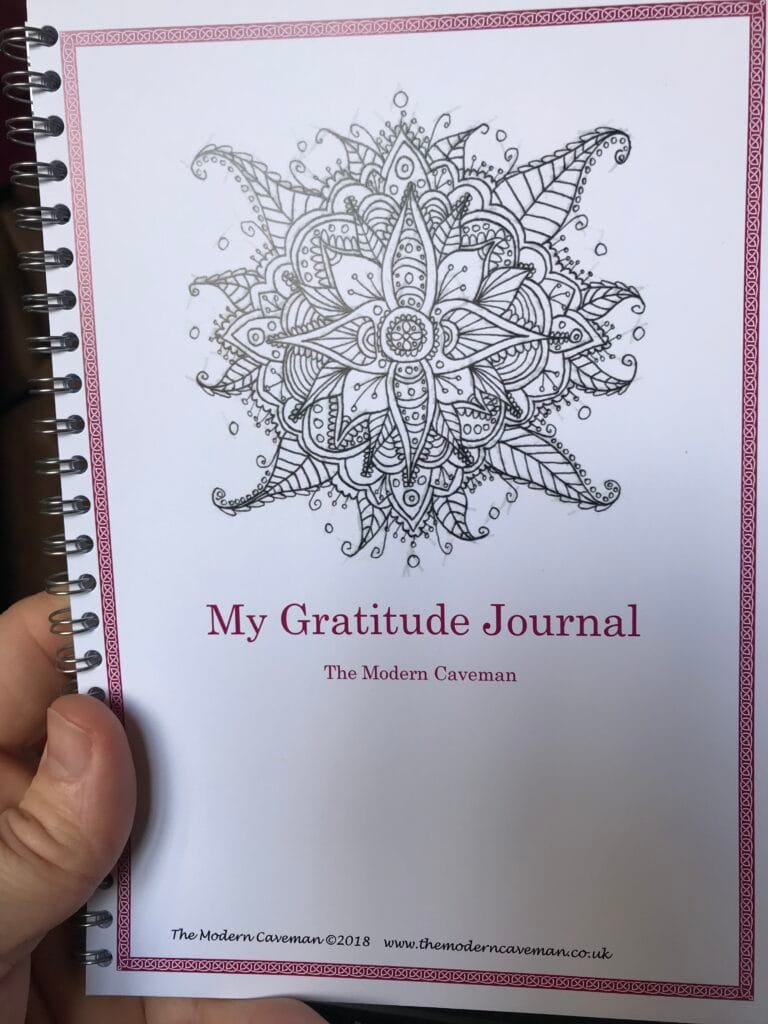
One of the most effective ways to practice gratitude is to keep a gratitude journal. Each day, write down three things you’re grateful for. This can help you focus on the positive things in your life and cultivate a sense of gratitude.
Express gratitude towards others
Take the time to thank the people in your life who have made a positive impact on you. This can be done through a handwritten note, text message, or in person.
Practice mindfulness
Mindfulness is the practice of being present in the moment and non-judgmentally observing our thoughts and feelings. Incorporating mindfulness into your daily routine can help you notice and appreciate the good things in your life.
Use visual reminders
Place reminders of things you’re grateful for around your home or office. This can be a photo, a quote, or an object that represents something you’re thankful for.
Practice gratitude in difficult times
During difficult times, it can be challenging to find things to be grateful for. However, this is when practicing gratitude is the most important. Focus on the small moments of joy or kindness that you experience and acknowledge them.
In conclusion, practicing and creating an attitude of gratitude is a simple but powerful way to improve our mental well-being. By incorporating gratitude into our daily routines, we can cultivate a sense of appreciation and improve our overall outlook on life. So take a moment today to reflect on the good things in your life and express your gratitude towards others.
Used to monitor number of Google Analytics server requests when using Google Tag Manager
1 minute
_gid
ID used to identify users for 24 hours after last activity
24 hours
_ga_
ID used to identify users
2 years
_gali
Used by Google Analytics to determine which links on a page are being clicked
30 seconds
_ga
ID used to identify users
2 years
__utmx
Used to determine whether a user is included in an A / B or Multivariate test.
18 months
__utmv
Contains custom information set by the web developer via the _setCustomVar method in Google Analytics. This cookie is updated every time new data is sent to the Google Analytics server.
2 years after last activity
__utmz
Contains information about the traffic source or campaign that directed user to the website. The cookie is set when the GA.js javascript is loaded and updated when data is sent to the Google Anaytics server
6 months after last activity
__utmc
Used only with old Urchin versions of Google Analytics and not with GA.js. Was used to distinguish between new sessions and visits at the end of a session.
End of session (browser)
__utmb
Used to distinguish new sessions and visits. This cookie is set when the GA.js javascript library is loaded and there is no existing __utmb cookie. The cookie is updated every time data is sent to the Google Analytics server.
30 minutes after last activity
__utmt
Used to monitor number of Google Analytics server requests
10 minutes
__utma
ID used to identify users and sessions
2 years after last activity
_gac_
Contains information related to marketing campaigns of the user. These are shared with Google AdWords / Google Ads when the Google Ads and Google Analytics accounts are linked together.