Disclaimer: This article shares personal experience and insights from a certified NLP Master Practitioner and Personal Development Coach. It is for informational purposes only and is not intended as medical advice. Always consult with a qualified healthcare professional before making any decisions about your health or medication.
The Legal Drug Epidemic They Don’t Want You Talking About
How Ian Callaghan Rewired His Mind After 40 Years of Prescriptions, Pain, and Poison
The biggest drug cartel in the world? It’s not who you think. We’re talking about the silent, pervasive legal drug dependency epidemic that’s affecting millions.
Forget the shadowy gangs and jungle labs. The biggest drug cartel in the world operates in plain sight, much closer to home. It’s legal. It’s meticulously structured. It’s polished, pervasive, and obscenely profitable. And it wears a white coat, often adorned with a friendly smile. This is the insidious face of prescription drug dependency.
This system operates from the pristine counters of high street pharmacies, behind the reassuring desks of your local GP, and deep within the digital systems of your NHS practice. It lives inside brightly branded packaging, behind glossy TV adverts showing happy, vibrant people reclaiming their lives, free from discomfort. It masquerades as genuine medicine. It disguises itself as compassionate care, a helping hand in times of need. But make no mistake, this system, by its very design, isn’t set up for your long-term healing from medication reliance. It’s engineered to keep you hooked, to integrate you into a cycle of perpetual consumption.
Big Pharma has mastered the game with chilling efficiency. Their strategy is simple, yet devastatingly effective: Create the perceived need, then sell the temporary relief. I didn’t understand the intricate mechanics of this at the time, but looking back, with the clarity of hindsight and experience, I can see exactly how I was caught in their self-perpetuating cycle for decades. Their objective isn’t to eradicate your suffering, but to provide just enough comfort to keep you functional, to keep you coming back, never enough to truly set you free from the underlying issues. They don’t sell cures. They sell dependency, a subtle but powerful form of control.
They’ve expertly weaponised the very fabric of modern life against us. We are relentlessly overstimulated by constant digital noise, chronically sleep-deprived from endless demands, emotionally exhausted by the pace of existence, disconnected from the grounding force of nature, bombarded by screens that hijack our attention, comfort-eating our anxieties, and crisis-scrolling through a world on edge. And the prevailing response from this system? Rarely is it root-cause support, genuine holistic healing, or a deep dive into lifestyle changes. Instead, it’s just another prescription. Another tablet. Another layer of numbness, dulling the senses and masking the deeper cries of the body and mind.
The logic is brutally simple, driven by profit. If you get truly better, you stop paying. If you start asking inconvenient questions about alternatives or the long-term effects of legal drug dependency, you become a disruption. If you step outside their carefully constructed loop, you directly threaten their colossal profit model. So the loop must continue, quietly, efficiently, and always under the comforting, yet deceptive, illusion of care.
The Four Horsemen of Legal Dependency: Opioids, Benzos, NSAIDs, Antidepressants
Let me walk you through it, not from a detached textbook, but from the visceral reality of my own life. This is the true story of my battle with legal drug dependency.
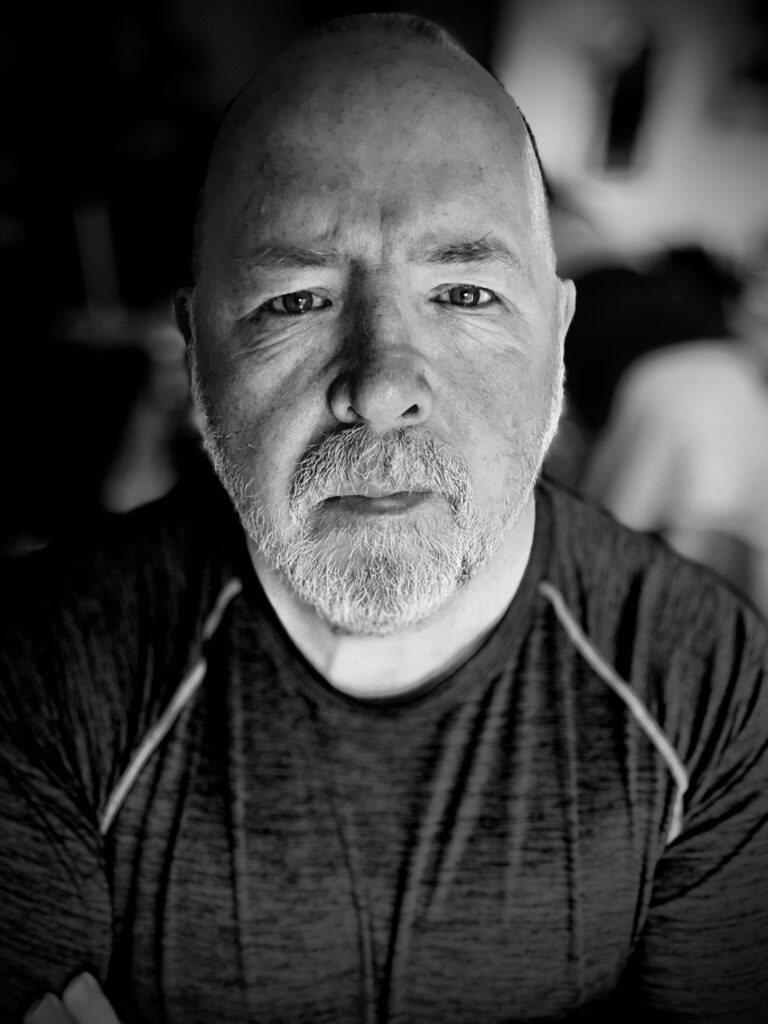
I’m Ian Callaghan. I’ve spent over four decades caught in this system, a lifetime navigating its insidious currents. What I’m about to share isn’t abstract theory — it’s raw, lived experience forged over 40 years of navigating the pharmaceutical maze and its consequences. I’m a certified NLP Master Practitioner, a Personal Development Coach, and hold formal diplomas in Meditation, CBT-based Mindfulness, and Hypnosis. My journey through chronic pain, alcohol addiction, and profound recovery from medication reliance has given me a unique and unfiltered perspective, backed by years of dedicated practice in visualisation and nearly 50 years of consistent cold water exposure – yes, I’m old enough to remember when cold showers were just called showers!
When I served in the Army, the running joke, if you could call it that, was that Brufen (ibuprofen) could cure anything. Headache? Brufen. Muscle tear? Brufen. Smashed back from a gruelling 10-mile tab with a heavy pack? “Take some Brufen and get on with it, soldier.” It was handed out like sweets, a supposed cure for every ache and strain. Pain wasn’t truly treated or understood; it was simply suppressed. We were conditioned to push through, to ignore the body’s signals, not to pause, reflect, or seek genuine healing from dependency on pharmaceuticals. There was no question, just compliance.
My debilitating back pain, for instance, was never properly diagnosed. Not once in all those years. It was simply masked for decades, the symptoms dulled, without ever addressing the underlying structural or physiological issue. And in the years that followed, the prescriptions piled up, a growing monument to my unaddressed suffering. I was given everything under the sun: codeine, then tramadol, then morphine — each more powerful than the last, each promising relief that never truly arrived. The pain never actually left, but I got remarkably better at feeling nothing at all, a dangerous form of adaptation to prescription drug dependency.
To dull the mind alongside the increasingly numb body, benzodiazepines, or benzos, joined the mix. Diazepam, temazepam, lorazepam — drugs designed for short-term, acute anxiety, yet dished out without sufficient warning about their highly addictive nature or the brutal withdrawal. Numbness became my normal state of being, a constant companion. I wasn’t truly living; I was merely existing, sedated, a ghost in my own life.
Then came the inevitable consequence: the crushing depression. The soul-destroying lows. The emotional blackouts, where joy and sorrow alike simply ceased to exist. I was handed sertraline, another branded promise, another quiet failure in my journey. Instead of helping me process or heal, it hollowed me out, creating an emotional void. I didn’t feel better. I didn’t feel at all. I functioned like a zombie, a mere shadow of myself. I couldn’t think, my mind clouded, and I couldn’t genuinely connect with anyone, including the man staring back at me in the mirror.
Eventually, a flicker of defiance ignited, and I took back control. I meticulously, carefully stopped the sertraline and replaced it with 5-HTP, a precursor to serotonin. This wasn’t about swapping one pill for another, but a conscious choice to build my natural dopamine and serotonin pathways, not to rely on synthetic crutches that merely papered over the cracks. I leaned deeply into practices I’ve honed over 12 years: cold water therapy, breathwork, mindful movement, focused meditation, and deep visualisation – leveraging my understanding of NLP and hypnosis to fundamentally shift my internal landscape and nervous system. I began the arduous, yet profoundly rewarding, process of rewiring my mind and body from the inside out, moving beyond legal drug dependency.
I still use codeine occasionally, but now it’s on my terms. I use it rarely, responsibly, and as a specific tool for acute situations, not as a trap I fall into daily. That’s the monumental difference. I’m no longer caught in their loop, no longer a passive recipient of their solutions. I know how to manage my nervous system now, how to navigate the complex terrain of pain, grief, and raw emotion without resorting to sedation or external chemical crutches.
And this is the profound truth that no one in the conventional system tells you. You can reclaim that power. You can take back ownership of your well-being, even from the grips of legal drug dependency.
The True Cost of Legal Drugs: Beyond the Prescription Pad and into Your Life
These drugs, in isolation, aren’t inherently evil. They have a time and a place in acute medical scenarios, offering vital relief and even saving lives. But they’re not neutral either, especially when prescribed long-term or without addressing root causes. The real danger lies not in the compounds themselves, but in the pervasive way they are marketed, prescribed, and normalised within our society, often as the first and only solution to legal drug dependency. They’re sold as comprehensive solutions when all they do is suppress symptoms, quiet discomfort, and keep people from asking deeper questions.
Consider the specifics: Painkillers that don’t kill pain, but merely interrupt inflammation pathways, allowing the underlying issue to fester. Antidepressants that flatten emotion rather than helping individuals process and resolve trauma, leaving them emotionally blunted. Sleeping pills like zopiclone erase consciousness but rob you of the vital, restorative deep rest your brain and body desperately need. Anxiety medications that, when withdrawn, often create a far worse rebound panic and anxiety than the original condition. This isn’t true healing. This is management through sedation, a prolonged state of chemical suppression that fuels medication reliance.
And let’s be brutally clear: dependence is not limited to illicit drugs found on the street. The most socially acceptable substances are often the most dangerous, precisely because we never question them, never scrutinise their long-term impact. We only have to look at how society not only normalises but actively celebrates alcohol, the number one drug in terms of societal harm, advertised relentlessly and defended fiercely despite the widespread destruction it causes to individuals, families, and communities.
It’s easy to spot a crack house, a clear symbol of illicit drug danger. It’s infinitely harder to spot the insidious, cumulative damage done by daily prescriptions handed out in a clean, clinical setting, often with a doctor’s blessing. Especially when those pills are presented as your only lifeline, your only hope for functioning in a demanding world, perpetuating legal drug dependency.
How I Rewired My Life After 40 Years of Dependency and Addiction
If you’re stuck in a seemingly endless cycle of pills, excessive booze, mind-numbing screen time, emotional numbness, and constantly wondering if this diminished existence is just how life has to be, hear this truth: it’s not. You are not broken. You are not weak. You are not failing. You are simply caught in a system that wasn’t designed for your ultimate freedom from pharmaceutical dependency.
I’ve walked through it all, every dark corner. Trauma, burnout, crippling alcohol addiction, chronic, debilitating pain, and the entire pharmacy aisle of prescribed medications. I’ve seen rock bottom from every conceivable angle, felt its cold, hard embrace. And I rebuilt. Not overnight, but with intention and unwavering commitment. I remember one crisp morning after a freezing river dip, sitting shivering on the bank, tears streaming down my face. Not from pain, but from the profound, overwhelming sensation of finally feeling truly alive again, connected to my body and the world. This wasn’t achieved with more medication. It wasn’t through labels and diagnoses that confined me. I rebuilt with radical truth, with fierce, radical ownership of my healing journey, and with practices that systematically brought my shattered nervous system back to life.
I quit drinking after 40 years, a feat many thought impossible. I took absolute control of my healing process, understanding that true recovery comes from within. I created the Sober Beyond Limits method to share precisely what worked for me – a holistic framework focusing on deep nervous system regulation, profound mindset shifts, and powerful natural practices that empower self-leadership. It’s not because I claim to have all the answers for everyone, but because I’ve asked the hard questions, done the arduous work, and emerged on the other side. And I’m still standing, stronger and more alive than ever, free from legal drug dependency.
You can break free. You can rewire your mind, reshape your habits, and recalibrate your nervous system. You can live a life vibrant and full, without the constant need for numbness, endless distraction, or chemical sedation.
Ready to Start Your Journey to Freedom?
If this hits home and you’re ready for change, let’s talk. This is not about selling you another fleeting product or a deceptive magic pill. This is about showing you what’s truly possible when you courageously take your healing and your future into your own capable hands, breaking free from legal drug dependency.
Contact me directly via WhatsApp to chat – no pressure, just a conversation.
Book a free discovery call to explore how my methods can support your unique journey.
Follow me on TikTok @ian_callaghan and Instagram for daily tools, raw truths, and real-life recovery content that cuts through the noise.
Visit www.iancallaghan.co.uk to begin your journey and explore the resources available (don’t forget to explore the bio page for more on my personal story and the principles behind my methods).
This article is a vital part of my mission: to tell the unvarnished truth about legal drug dependency and to share exactly how you can rewire your mind and body through natural recovery and powerful self-leadership. If you’re truly done being sedated, if you’re ready to reclaim your life, I’m here to help you wake up.
The Truth About Boredom after quitting alcohol (It’s Not What You Think)
If you’re feeling a profound sense of boredomafter quitting alcohol, you’re not alone. This is a common, yet often misunderstood, phase. But here’s the truth: it’s not boredom at all. You’ve been chemically trained to expect constant, immediate stimulation from external sources, primarily alcohol. Your brain, particularly its reward pathways, has been conditioned to associate alcohol with a quick hit of dopamine, creating a false sense of engagement and excitement.
I hear this all the time in my coaching sessions: “I drink because I’m bored. There’s nothing else to do.” This sentiment is deeply ingrained, a narrative we tell ourselves to justify a habit.
But that’s not true boredom. True boredom is a state of mild disinterest, a gentle nudge towards seeking new activities. What you’re experiencing is a nervous system hijacked by alcohol for so long that it struggles to sit still, to find contentment, or to generate its internal motivation without its usual hit. This feeling, often mistaken for boredom after quitting alcohol, is your brain recalibrating, a crucial and necessary step in the healing process.
What Happens When You Remove Alcohol | Boredom after quitting alcohol
When you stop drinking, the artificial noise and chemical fog clear. Things get quiet. Still. Slower. The constant hum of alcohol-induced stimulation fades, leaving a void that can initially feel unsettling, even terrifying.
This quiet can feel terrifying to a mind that’s spent decades relying on alcohol to:
Turn the volume down on stress and anxiety: Alcohol became your go-to sedative, muting the overwhelming demands of life and providing a temporary escape from discomfort. Without it, those feelings resurface, demanding attention.
Turn the volume up on excitement and perceived fun: Social gatherings, evenings at home, even mundane tasks were “enhanced” by alcohol, making them seem more vibrant and engaging than they truly were. The absence of this artificial buzz can make everyday life feel dull.
Create a false sense of connection and ease: Alcohol lowers inhibitions, making conversations flow more easily and social interactions feel less awkward. This created a superficial sense of belonging that masked underlying social anxieties or discomfort.
Give you something artificial to “look forward to” at the end of the day: The anticipation of that first drink, the ritual of unwinding, became a central pillar of your daily routine, providing a predictable, albeit damaging, source of pleasure.
This isn’t a sign of failure; it’s your brain and nervous system beginning the crucial process of recalibration after years of chemical interference. It’s the natural consequence of removing a powerful, yet deceptive, crutch. Without the booze? You’re left with… yourself. And for most of us, that’s unfamiliar territory, leading to feelings like “why sobriety feels boring.”
Alcohol Was Doing All the Work (You Were Undertrained)
Let’s call it out: Boredom after quitting alcohol. You weren’t bored. You were undertrained.
Most of us were never taught how to genuinely entertain ourselves without substances. From a young age, we’re often conditioned to seek external validation and stimulation. We weren’t equipped with the internal tools to sit with uncomfortable emotions, to process difficult feelings, or to simply be present. We weren’t taught how to create instead of just consume, how to cultivate hobbies that genuinely fulfil us, or how to regulate our dopamine naturally without pouring poison down our throats. Think about it: when was the last time you truly sat with your thoughts without distraction?
Alcohol was your shortcut to joy, excitement, and relaxation. It provided an immediate, albeit fleeting, solution to discomfort. Now that it’s gone, you have to build those pathways manually. You have to learn to generate your internal spark, to find pleasure in simple things, and to develop healthy coping mechanisms for life’s challenges.
That’s the real work. That’s the rewiring. It’s about retraining your brain after alcohol, building new neural pathways that support a truly fulfilling, substance-free life.
5 Common Phrases Mistaking Withdrawal for Boredom
When people say “I’m bored after quitting alcohol,” they’re often experiencing the natural phases of dopamine reset sobriety. These feelings are temporary and a sign of healing. Here are five common things I hear, and what they truly mean:
“Life just feels flat now.” That’s your baseline coming back online. For years, your brain was accustomed to the exaggerated highs provided by alcohol. Now, as your neurochemistry rebalances, ordinary pleasures might seem muted. This isn’t permanent; it’s your system adjusting to a healthier, more sustainable level of stimulation.
“Nothing excites me anymore.” That’s your dopamine system recalibrating. Alcohol floods your brain with dopamine, creating an artificial sense of reward. Now, your brain is learning to produce and respond to dopamine naturally again. It will come back—but you’ve got to give it time and patience, allowing your brain to rediscover its natural reward mechanisms.
“I don’t know what to do with myself.” Because alcohol is used to fill the space where your purpose, hobbies, and genuine interests should go. It became your default activity, overshadowing opportunities for personal growth and exploration. This feeling is an invitation to rediscover who you are and what truly brings you joy.
“Everything feels pointless.” That’s the existential hangover most of us skipped for years. Alcohol provided a convenient escape from deeper questions about meaning and purpose. Welcome to awareness, a space where you can now consciously explore what truly matters to you and build a life aligned with your values.
“I was more fun when I drank.” Nah, you were just louder, sloppier, and disconnected from reality. True fun is sustainable, authentic, and found in long-term sobriety support. It’s about genuine connection, clear memories, and waking up without regret. The “fun” alcohol offered was often fleeting and came at a high cost.
So What Do You Do Instead? Rebuild From the Ground Up
This is where the transformation happens. This is your opportunity to consciously and intentionally rebuild your life, your mind, and your joy:
Learn to sit in silence: Embrace stillness and mindfulness. Start with just five minutes a day, noticing your breath, observing your thoughts without judgment. This practice builds your capacity for presence and self-awareness, allowing you to find peace within.
Reconnect authentically: Engage with nature, move your body, practice deep breathing, nourish yourself with wholesome food, and foster genuine connections with people who uplift you. These are the true, natural sources of well-being and dopamine.
Retrain your brain: Discover how to generate dopamine the way it was always meant to—naturally. This means engaging in activities that provide intrinsic satisfaction, like learning a new skill, helping others, achieving small goals, or creative expression. Celebrate these small wins to reinforce positive neural pathways.
Rewire your identity: See yourself not as a “recovering addict,” but as someone who powerfully took their life and power back. This shift in perspective is crucial. You are not defined by your past struggles, but by your courage, resilience, and commitment to a healthier future.
Don’t know where to start? You don’t have to do it alone. Support is available, and taking that first step is the bravest thing you can do.
👉 Try my AI Sobriety Coach – available 24/7 with tools, visualisations, meditations, and raw truth that meets you where you are. [Link to AI Sobriety Coach]
🎯 Or level up your mindset with the full Mindset Mastery Bundle—a self-guided toolkit for sobriety, clarity, and transformation. [Link to Mindset Mastery Bundle]
FAQs: “I Think I’m Just Bored Without Alcohol”
Q: How long does this feeling last after quitting alcohol?
A: Typically, a few weeks to a couple of months. The intensity and duration can vary greatly from person to person, depending on the length and severity of alcohol use. Remember, you’re not bored—you’re in a dopamine recovery phase, and your nervous system is re-regulating. This is a normal, temporary part of the process of becoming sober, not boring. Patience is key during this period.
Q: Will I ever feel excited about life again?
A: 100%. Absolutely. But it’ll be real this time, not chemically inflated. As your brain heals and your natural dopamine production returns to healthy levels, you’ll experience a steadier, more grounded joy. The excitement you feel will be authentic, derived from genuine experiences and connections, rather than an artificial high.
Q: What should I do when I feel bored and want to drink?
A: MOVE. Action is often the antidote to temptation. Walk, breathe deeply, write in a journal, message someone sober in your support network, or engage in a quick, distracting activity. Interrupt the loop of craving and change your physical and mental state. This is about actively choosing what to do instead of drinking.
Q: Shouldn’t I just learn moderation instead?
A: If you could consistently and safely moderate, you likely wouldn’t be here reading this. For many, especially those who have developed a dependence, true freedom comes not from attempting a difficult and often unsustainable moderation, but from complete liberation from alcohol’s grip. Embrace the freedom that comes with full sobriety.
Q: Where can I connect with people on the same journey?
A: Community is vital for sustained sobriety. Join us in the Sober Beyond Limits Facebook Group. It’s a space for real talk, no shame, and total support from individuals who understand exactly what you’re going through. You don’t have to navigate this path alone. [Link to Facebook Group]
Final Thought: Boredom after quitting alcohol |You Were Never Boring
Alcohol was just doing all the work, masking your true self and potential.
Now you get to find out who you are underneath all that noise, all those chemical illusions. This journey of self-discovery is profound and deeply rewarding.
That’s not boring. That’s brave. It’s courageous to face discomfort and rebuild.
And it’s the best f**king thing you’ll ever do. It’s the path to genuine freedom, authentic joy, and a life lived on your terms.
If that boredom still lingers, remember—it’s not a lack of interest or a flaw in your character. It’s a lack of nervous system training, a temporary phase as your body and mind adapt. And that’s exactly what we’re here to fix through mindset coaching for addiction recovery, guiding you to a vibrant, sober life.
That’s one of the top questions being asked online today: Are sober people happier? —and I get why. I asked myself many times when I was still stuck in the cycle. Back then, I couldn’t imagine life without alcohol. Because alcohol was life. Or so I thought.
Now, over 20 weeks sober after 40+ years of drinking, I’ve got a very real answer: Yes. Sober people can absolutely be happier. And here are 20 reasons why I’m living proof.
But First, a Bit of My Story
I started drinking when I was 11 years old—in a park before a boys’ club disco in the late ’70s. We nicked our dads’ homebrew or got older kids to buy us cheap continental lager. That was the beginning. By 15, I was in pubs. By 16, I was in nightclubs with a fake ID.
And I didn’t stop for four decades.
I drank through grief, stress, career changes, army life, civilian life, success, failure, depression, and burnout. I never went to rehab. I never did AA. Surrender wasn’t in my DNA—I grew up on a council estate and served as a squaddie. I built armour, not confessions.
But one morning, I just said: “Fk this.”**
And I walked away. Not into a programme—but into a completely different way of thinking, living, and feeling.
Here’s what I’ve learned since then.
20 Reasons I’m Happier Sober
1. I sleep, not blackout.
Real, restorative, clean sleep. No waking up in shame or confusion.
2. I’ve lost over 2.5 stone.
No late-night binges. No poison in my system. Just clean fuel and real hunger cues.
3. My skin looks alive.
No more greyness, bloating, or bags. I look like someone who gives a damn again.
4. I have energy—and it’s not artificial.
No caffeine crashes. No hangover survival. Just clarity.
5. I hear the dawn chorus—and it moves me.
The birds I used to curse now remind me I’m still here, and alive.
6. My liver, cholesterol, and blood sugar are all normal now.
I was prediabetic. My liver enzymes were off. Not anymore.
7. I wake up proud.
Not ashamed. Not guessing. Proud.
8. I go to bed in my bed.
Not the sofa. Not the floor. Not wherever I landed.
9. Cold water and nature are now my therapy.
The river heals what the bottle numbed.
10. I eat like someone who respects their body.
No more takeaway regret. No more eating crap to soak up booze.
11. I laugh with people, not at people.
And I actually remember it the next day.
12. I use my days—I don’t lose them.
Sundays used to be recovery missions. Now they’re filled with purpose.
13. I don’t just cope—I process.
Sobriety gave me tools. Alcohol gave me avoidance.
14. I’m not the joke at the pub anymore.
I’m the one people now come to for answers.
15. Not everyone supports me, and that’s a good thing.
Sobriety triggers the hell out of some people. That’s their work, not mine.
16. My music sounds better.
It hits deeper when your brain’s not numbed out.
17. I don’t apologise for things I don’t remember anymore.
Because now, I remember. All of it.
18. I’m not scared to be alone with my thoughts.
They don’t chase me—they guide me now.
19. I’m not counting the minutes until 5 p.m.
Because “It’s 5 o’clock somewhere” is no longer a joke I live by.
20. I’m building something real.
This blog. My sobriety community. My coaching. My life.
So… Are Sober People Happier?
If you’re still Googling that question late at night, hungover, or wondering if it’s even worth trying, this is your sign.
Yes. Sobriety can make you happier. Not because everything becomes perfect, but because you finally stop pretending.
Final Thoughts: You Don’t Have to Hit Rock Bottom
I never did. There were dark nights. I even planned my exit once or twice. But I never hit a “bottom.” Just a moment of clarity. A decision. A quiet, solid “I’ve had enough.”
And that’s all it takes.
Save This Post
Save this post for the days you ask, “Is it worth it?” Come back. Reread it. Then remind yourself—you’re not giving something up. You’re getting your f*ing life back.
Used to monitor number of Google Analytics server requests when using Google Tag Manager
1 minute
_gid
ID used to identify users for 24 hours after last activity
24 hours
_ga_
ID used to identify users
2 years
_gali
Used by Google Analytics to determine which links on a page are being clicked
30 seconds
_ga
ID used to identify users
2 years
__utmx
Used to determine whether a user is included in an A / B or Multivariate test.
18 months
__utmv
Contains custom information set by the web developer via the _setCustomVar method in Google Analytics. This cookie is updated every time new data is sent to the Google Analytics server.
2 years after last activity
__utmz
Contains information about the traffic source or campaign that directed user to the website. The cookie is set when the GA.js javascript is loaded and updated when data is sent to the Google Anaytics server
6 months after last activity
__utmc
Used only with old Urchin versions of Google Analytics and not with GA.js. Was used to distinguish between new sessions and visits at the end of a session.
End of session (browser)
__utmb
Used to distinguish new sessions and visits. This cookie is set when the GA.js javascript library is loaded and there is no existing __utmb cookie. The cookie is updated every time data is sent to the Google Analytics server.
30 minutes after last activity
__utmt
Used to monitor number of Google Analytics server requests
10 minutes
__utma
ID used to identify users and sessions
2 years after last activity
_gac_
Contains information related to marketing campaigns of the user. These are shared with Google AdWords / Google Ads when the Google Ads and Google Analytics accounts are linked together.