The Ultimate Guide to Reiki Healing for Holistic Wellness and Mental Health
Introduction to Reiki Healing
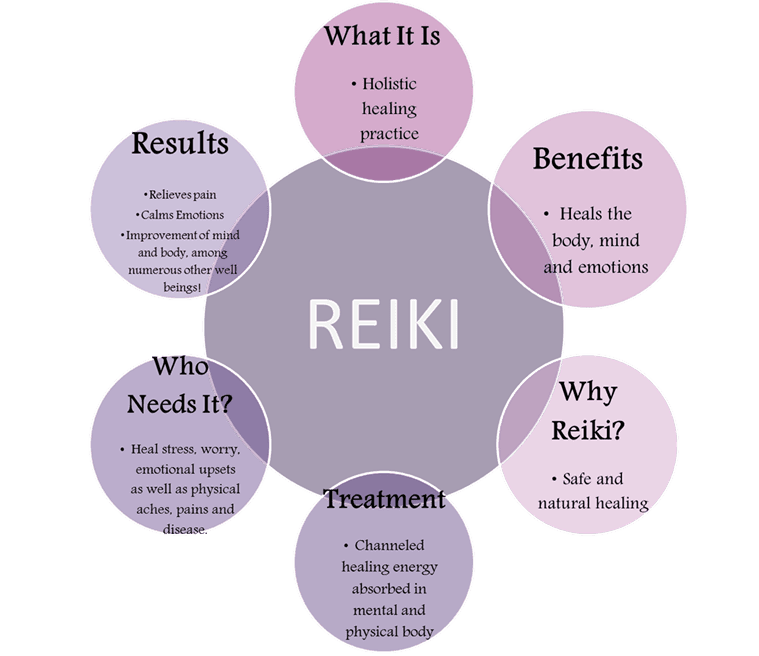
Reiki is a Japanese technique for relaxation and healing. It works by balancing the “life force energy” that flows through us. This energy, known as “Ki,” is vital for maintaining our physical, emotional, and mental health. When this energy is high, we feel healthier, happier, and more at ease. Conversely, when it is low, we are more susceptible to stress, fatigue, and illness. Reiki is a gentle and non-invasive method that helps restore this energy balance, encouraging overall well-being. By working with Reiki, we can cultivate an inner environment conducive to self-healing and growth.
The Foundations of Reiki
What is Reiki? Reiki is a form of energy healing that originated in Japan in the late 1800s, developed by Dr. Mikao Usui. The term “Rei” means “Higher Power” or “spiritual wisdom,” and “Ki” means “life force energy.” Reiki involves the practitioner channelling healing energy into the patient, either through direct touch or from a short distance. The goal is to promote physical, mental, and emotional balance, providing a holistic approach to health and well-being. Reiki’s foundational principle is to help the body’s natural healing processes by enhancing energy flow and removing blockages.
How Does Reiki Work? Reiki works through a laying-on of hands or can even be performed remotely, channelling energy into the recipient to enhance natural healing. During a Reiki session, the practitioner acts as a conduit for universal energy, directing it to areas where the recipient needs it most. This energy helps reduce stress and anxiety, encourages relaxation, and supports the body’s ability to heal itself. Through Reiki, recipients often experience warmth or tingling sensations, signifying the movement and transfer of energy throughout their body.
Who Can Learn Reiki? Anyone can learn Reiki, as it is an accessible practice that does not require any prior experience or special abilities. The ability to channel Reiki energy is transferred during an attunement process from a Reiki Master to the student. This process opens the student’s energy pathways, allowing them to connect with Reiki energy. Attunements are often described as powerful spiritual experiences, as they help align the individual with higher vibrations of energy. Reiki training is divided into levels: Level 1 focuses on self-healing and healing others through touch, Level 2 introduces symbols for more focused energy work, and Level 3 (Master Level) allows practitioners to teach and attune others.
Hand Positions in Reiki
Reiki practitioners use specific hand positions to focus healing energy on different parts of the body. Each position is linked to various physical and emotional benefits, and these hand positions can be used for both self-healing and healing others:
Eyes: Alleviates stress, reduces eye strain, and helps with frontal headaches. Placing hands over the eyes can promote mental clarity and calmness.
Temples: Helps with general headaches, and earaches, and can ease mental fatigue. This position is ideal for those suffering from overthinking or chronic stress.
Occipital Region: Supports neck health, eases tension, and boosts self-confidence. This position also helps relieve tension headaches and promotes a sense of stability.
Throat: Assists with communication issues, opening the throat chakra, and enhancing self-expression. It can help those struggling to voice their emotions or needs.
Heart: Calms emotions, quiets the mind, and nurtures feelings of compassion and love. This position is often used to address grief, and emotional blockages, and to foster self-love.
Solar Plexus: Releases emotional stress, aids digestion, and empowers personal will. This is an important position for releasing anxiety and building self-esteem.
Abdomen (Tan Tien): Supports energy storage and digestive health. This hand position also helps promote a sense of groundedness and strength in the body’s core.
Pelvic Area: Benefits reproductive and urinary health, and helps in releasing emotional tension held in the lower chakras. This position is also helpful for improving creativity and connection.
Top of Shoulders: Cascades energy throughout the body, helping release tension that accumulates in the shoulders due to stress or poor posture.
Shoulder Blades: Supports lung health, improves respiratory function, and helps alleviate back tension. It also contributes to releasing trapped emotions related to sadness or grief.
Kidneys: Filters emotional debris, revitalizes energy and helps address feelings of fear or insecurity. The kidneys are considered energetic ccentresfor processing emotions, and Reiki here can help detoxify.
The base of the Spine: Grounds energy, helps with lower back issues, and stabilizes the root chakra. This position is crucial for establishing a sense of security and connection to the earth.
Reiki for Mental Health
Reducing Stress and Anxiety: Reiki promotes deep relaxation, helping to lower cortisol levels, the hormone associated with stress. By encouraging the body to enter a parasympathetic state, Reiki provides a sense of calm and relaxation, allowing individuals to manage stress more effectively.
Alleviating Depression: Reiki can help alleviate symptoms of depression by fostering mental balance and emotional well-being. Through the gentle transfer of energy, Reiki can clear negative energy and blockages, making space for positive energy and emotions to emerge.
Improving Sleep: Regular Reiki sessions promote relaxation and improve sleep quality. By reducing stress and calming the mind, Reiki helps individuals achieve deeper and more restorative sleep, which is essential for maintaining good mental health.
Enhancing Emotional Well-being: Reiki helps balance the body’s chakras, removing energy blockages that can lead to emotional instability. When energy flows freely, individuals feel more grounded, centred, and emotionally resilient. Reiki also fosters a sense of connection to oneself, helping in emotional healing.
Reiki and the Chakras
Reiki works closely with the chakra system, which consists of seven major energy centres located along the spine. Each chakra is associated with specific physical, emotional, and spiritual aspects of our being. By using Reiki to balance these chakras, we can promote overall well-being and address specific issues linked to energy imbalances. Here is a brief overview of each chakra and how Reiki can support its balance:
Root Chakra (Muladhara): Located at the base of the spine, the root chakra is associated with security, stability, and basic needs. Reiki helps ground energy here, providing a sense of safety and connection to the physical world.
Sacral Chakra (Svadhisthana): Situated just below the navel, this chakra is linked to creativity, sexuality, and emotional expression. Reiki can help release blockages in this area, enhancing creativity and allowing emotions to flow freely.
Solar Plexus Chakra (Manipura): Found in the upper abdomen, the solar plexus chakra is the centre of personal power, confidence, and willpower. Reiki helps to boost self-esteem and alleviate anxiety by promoting a balanced flow of energy in this chakra.
Heart Chakra (Anahata): Located in the centre of the chest, the heart chakra is associated with love, compassion, and emotional balance. Reiki energy directed here helps heal emotional wounds, fostering love for oneself and others.
Throat Chakra (Vishuddha): Positioned at the throat, this chakra governs communication, truth, and self-expression. Reiki helps to clear blockages that may hinder effective communication, allowing for honest and clear expression of thoughts and feelings.
Third Eye Chakra (Ajna): Located between the eyebrows, the third eye chakra is linked to intuition, insight, and spiritual awareness. Reiki can enhance clarity of thought and deepen intuitive abilities by balancing the energy in this chakra.
Crown Chakra (Sahasrara): Situated at the top of the head, the crown chakra represents spiritual connection and enlightenment. Reiki helps to open this chakra, allowing for a greater connection to universal energy and higher consciousness.
By using Reiki to work with the chakras, practitioners can help ensure that energy flows freely throughout the body, promoting physical health, emotional balance, and spiritual growth. Reiki can be especially effective for those seeking to heal specific aspects of their lives related to chakra imbalances, such as anxiety, creative blocks, or difficulties in communication.
Advanced Reiki Techniques
Using Reiki Symbols Reiki Level 2 introduces symbols to help practitioners channel energy more effectively. These symbols are used to focus, enhance, and direct energy during healing sessions, providing deeper and more specific effects. Each symbol has a unique function and purpose:
Cho-Ku-Rei (Power Symbol): Enhances the flow of energy, making Reiki treatments more powerful. This symbol is used at the beginning of a session to “activate” the energy, and it helps intensify the energy flow.
Sei-He-Ki (Mental/Emotional Symbol): Used to balance the mind and emotions, promoting mental clarity and emotional stability. This symbol helps address deep-rooted emotional issues, breaking patterns of negativity and promoting healing of the subconscious.
Hon-Sha-Ze-Sho-Nen (Distance Healing Symbol): Allows practitioners to send Reiki energy across time and space, facilitating remote healing. This symbol helps practitioners transcend physical limitations, enabling them to provide healing to those who are far away or even to past and future events.
Distance Healing
Distance healing is one of the most profound aspects of Reiki. It enables practitioners to send healing energy to individuals who are not physically present, making Reiki accessible even when in-person sessions are not possible. Techniques such as using a surrogate object or visualizing the recipient help facilitate this form of healing. Distance Reiki is particularly useful for supporting loved ones in times of crisis or for addressing events from the past that require energetic healing. Many practitioners report that distance healing is just as effective as hands-on healing, demonstrating the limitless nature of energy.
Integrating Reiki into Daily Life
Self-Healing Practices: Practicing Reiki on yourself can maintain energy balance and promote overall well-being. Incorporate Reiki into your morning or evening routine for a calming effect. Even spending five minutes with your hands on key positions can significantly enhance your energy levels and promote balance.
Reiki and Meditation: Combining Reiki with meditation can deepen your practice. Start with a meditation to calm the mind, then use Reiki to enhance the flow of energy throughout the body. This combination can lead to a profound sense of peace and alignment, helping you connect more deeply to your inner self.
Reiki in the Workplace: Bringing Reiki into the workplace can help manage stress and create a harmonious environment. Simple techniques like brief self-Reiki sessions during breaks or using Reiki symbols in your workspace can help maintain positive energy, improve focus, and increase productivity. Reiki can also enhance workplace relationships by promoting compassion and understanding.
Benefits of Reiki for Chronic Conditions
Reiki can be an effective complementary therapy for managing chronic conditions by promoting relaxation and reducing symptoms. It has been reported to help alleviate the discomfort associated with conditions such as fibromyalgia, chronic fatigue syndrome, and autoimmune disorders. By reducing stress and encouraging relaxation, Reiki supports the body’s ability to manage pain and fatigue more effectively. Chronic conditions often have an emotional or psychological component, and Reiki addresses these by promoting emotional balance and reducing anxiety, which can significantly improve quality of life.
Testimonials and Case Studies
Personal Accounts: Many individuals have reported significant improvements in their mental and physical health through regular Reiki sessions. Testimonials often highlight reduced anxiety, improved sleep, enhanced emotional stability, and an overall sense of well-being. Personal stories provide powerful, real-world examples of Reiki’s benefits and its ability to transform lives.
Case Studies: Clinical studies have shown that Reiki can benefit patients undergoing conventional medical treatments, such as chemotherapy, by reducing pain and anxiety. In one study, patients who received Reiki alongside their treatment reported a significant reduction in stress and an improvement in their mood. These case studies support the integration of Reiki as a complementary therapy in medical settings, emphasizing its potential to enhance patient care and comfort.
Conclusion
Reiki Healing is a powerful, holistic practice that can improve physical, mental, and emotional well-being. By learning and integrating Reiki into your life, you can enhance your health, reduce stress, and foster a deeper connection to universal life force energy. Whether you seek to use Reiki for personal healing or to help others, its principles and techniques can be truly transformative. Reiki empowers individuals to take an active role in their healing journey, making it a valuable tool for anyone looking to enhance their quality of life.
Welcome to a guided Reiki self-healing session. This practice can help you connect with your inner energy, promote healing, and bring about deep relaxation. Find a quiet, comfortable space where you won’t be disturbed. Set an intention for your session—whether it’s to heal a specific area of your body, reduce stress, or achieve deep relaxation, setting a clear intention can help focus your energy and make your session more effective.
Relaxation and Energy Flow
Relaxation: Begin by closing your eyes, taking deep breaths, and allowing your body to relax. As you inhale, imagine drawing in positive energy, and as you exhale, release any tension or negative thoughts.
Progressive Muscle Relaxation: Start from your feet and work upwards through your body, tensing and releasing each muscle group. This helps release physical tension and prepares your body to receive healing energy.
Energy Flow: Visualize a warm, white light flowing from your hands into your body. Move through key positions—eyes, temples, throat, heart—spending a few minutes at each spot. As you hold each position, focus on allowing the energy to flow freely, bringing warmth, light, and healing.
Affirmations for Healing Affirmations are a powerful tool to reinforce positive energy and promote healing. Repeat affirmations such as:
“I am filled with healing energy. My body is healing itself naturally.”
“I release all tension and stress. I am calm and at peace.”
“My body and mind are in harmony. I am balanced and whole.”
“I am connected to the universal life force energy, and it flows through me effortlessly.”
Closing the Session When you feel ready to conclude your session, bring your hands to your heart centre. Take several deep breaths, feeling the energy grounding you and bringing you back to the present moment. Express gratitude for the healing energy you have received and for the time you have taken for yourself.
Gradual Awakening To end the meditation, imagine yourself standing at the bottom of a staircase. With each step you take upwards, feel yourself becoming more awake and alert. By the time you reach the top, you should feel refreshed, re-energized, and fully present. Open your eyes, carrying this sense of peace and relaxation into your day.
Conclusion Thank you for joining this guided Reiki session. Regular practice can help you maintain well-being and balance, and it provides an opportunity to connect deeply with your energy. Remember, Reiki is always available to you, and by incorporating it into your daily life, you can cultivate a greater sense of harmony, health, and peace.
Frequently Asked Questions (FAQ)
1. What is Reiki, and how does it work? Reiki is a form of energy healing that involves channelling universal life force energy to restore balance in the body. It works through gentle touch or distance healing, where the practitioner directs energy to areas that need it, helping to reduce stress, enhance relaxation, and support the body’s natural healing abilities.
2. Can anyone learn Reiki? Yes, anyone can learn Reiki. Reiki is an accessible practice that does not require any special abilities or prior experience. Through an attunement process guided by a Reiki Master, students can learn to channel Reiki energy. There are different levels of Reiki training, starting with self-healing and advancing to the ability to attune others.
3. What are Reiki symbols, and what do they do? Reiki symbols are tools used in advanced Reiki practice to enhance the flow of energy. The symbols help focus, intensify, and direct energy for specific purposes, such as emotional healing or distance healing. Each symbol has a unique function, adding depth to the healing process.
4. Can Reiki help with mental health issues? Yes, Reiki can be highly effective in supporting mental health. By promoting deep relaxation, Reiki helps reduce stress, alleviate anxiety, and improve emotional well-being. It can also be helpful in reducing symptoms of depression by balancing the energy centre of the body and clearing negative blockages.
5. Is distance Reiki as effective as in-person sessions? Many practitioners and recipients find distance Reiki to be just as effective as in-person sessions. Distance Reiki uses specific symbols and visualization techniques to send energy across time and space, allowing recipients to receive the healing energy regardless of their location.
6. How often should I receive Reiki treatments? The frequency of Reiki treatments can vary depending on individual needs. Some people benefit from weekly sessions, while others may find monthly sessions sufficient for maintaining balance. It is also common to practice self-Reiki daily for ongoing support.
7. What can I expect during a Reiki session? During a Reiki session, you will typically lie down or sit comfortably, fully clothed. The practitioner will place their hands lightly on or above specific areas of your body. You may feel warmth, tingling, or a sense of relaxation as the energy flows. The experience is usually very calming, and many people fall asleep during the session.
8. Can Reiki be used alongside other medical treatments? Yes, Reiki is a complementary therapy that can be used alongside conventional medical treatments. It is not meant to replace medical care but can help reduce side effects, alleviate pain, and promote overall well-being, making it a valuable addition to traditional healthcare.
9. How can I incorporate Reiki into my daily life? You can incorporate Reiki into your daily life through self-healing practices, meditative sessions, or even brief moments of Reiki during stressful situations. Using Reiki symbols at work or home can also help create a positive and balanced environment.
10. Is Reiki a religious practice? No, Reiki is not a religion. It is a spiritual practice that can be embraced by people of all beliefs. Reiki works with universal life force energy, and while it may enhance spiritual awareness, it does not require adherence to any particular religion or dogma.
It’s that time of year again – the holiday season is upon us. As joyful as this time can be, it can also bring about its fair share of challenges and stress. If you find yourself experiencing the Christmas Blues, fret not, for I have compiled a personal guide to help you navigate through this particular set of emotions during the festive period. From coping strategies to managing holiday stress, this guide will provide you with the tools you need to overcome festive sadness and find joy in the holiday season.
Understanding the Christmas Blues Phenomenon
In this section, I will delve deeper into the phenomenon of the Christmas Blues. I will explore the differences between post-holiday sadness and seasonal affective disorder. Additionally, I will discuss the psychological factors that contribute to festive sadness, providing insights into why some individuals may experience these emotions during the holiday season.
Post-Christmas Blues versus Seasonal Affective Disorder
Post-holiday sadness, commonly known as christmas blues, refers to the feelings of sadness and unease that many people experience after the holiday season has come to an end. It is a normal response to the transition from the joy and excitement of the holidays back to the daily routine.
On the other hand, seasonal affective disorder (SAD) is a type of depression that is related to the change in seasons, particularly affecting individuals during the winter months. It is characterized by recurring episodes of low mood, lack of energy, and a general sense of hopelessness. While both post-holiday sadness and SAD are related to the holiday season, they have distinct differences.
Post-Holiday Sadness (Post-Holiday Blues)
Seasonal Affective Disorder (SAD)
Temporary feelings of sadness and letdown after the holidays
Form of depression tied to the change in seasons, usually winter
May be accompanied by feelings of nostalgia, loneliness, and longing for the past
Symptoms include persistent sadness, loss of interest in activities, and changes in appetite and sleep patterns
Typically self-resolves within a few weeks
Requires professional treatment, such as therapy or light therapy
The Psychology Behind Christmas Blues
The holiday season can evoke a range of emotions, and the psychology behind festive sadness is multifaceted. Several factors contribute to the experience of post-holiday blues and holiday depression.
Change and disruption: The holidays bring significant changes and disruptions to our daily routines, including changes in sleep patterns, diet, and social interactions. This disruption in our normalcy can lead to feelings of unease and a sense of loss after the holidays.
Social comparison: The emphasis on holiday cheer and happiness can lead individuals to compare their own experiences to those portrayed by others. This social comparison can fuel feelings of inadequacy and sadness if their own holiday season does not measure up to expectations.
Nostalgia and reflection: The holiday season often prompts reflection on the past, which can trigger feelings of nostalgia for previous celebrations or loved ones who are no longer present. This reflection can intensify feelings of loss and sadness.
Financial stress: The pressure to participate in gift-giving and elaborate celebrations can create financial strain for many individuals. This financial stress can contribute to feelings of anxiety and sadness during and after the holiday season.
By understanding the distinctions between christmas blues and seasonal affective disorder, as well as the psychological factors at play, we can gain insights into managing and overcoming the Christmas Blues.
Finding Joy in the Midst of Holiday Stress
The holiday season can bring about a mix of emotions, and it’s not uncommon to feel overwhelmed by the stress and demands that come with it. However, amidst the busyness and chaos, it’s important to remember that joy can still be found. By prioritizing self-care, cultivating a positive mindset, and embracing moments of happiness and gratitude, you can shift your focus from stress to joy during this festive season.
1. Prioritize Self-Care
Holiday stress can take a toll on our mental and physical well-being, which is why self-care is essential. Make time for activities that recharge and relax you, whether it’s taking a long walk, practicing meditation or indulging in a cozy night at home with your favorite book or movie.
2. Focus on the Positive
During the holiday season, it’s easy to get caught up in the challenges and negatives. Instead, make an effort to focus on the positives. Keep a gratitude journal and write down three things you’re grateful for each day. This simple practice can help shift your mindset and cultivate a more positive outlook.
3. Create Meaningful Moments
The true essence of the holiday season lies in the connections we make and the moments we share with loved ones. Make an effort to create meaningful moments, whether it’s by organizing a family game night, baking cookies together, or volunteering at a local charity. These experiences can bring immense joy and fulfillment.
4. Simplify and Delegate
Often, the stress of the holiday season comes from trying to do it all. Learn to simplify and delegate tasks. Share responsibilities with family members, friends, or colleagues, and remember that perfection is not the goal. Embrace imperfections and focus on what truly matters, creating a memorable and joy-filled holiday season.
5. Practice Mindfulness
Mindfulness allows us to be present in the moment and appreciate the beauty of the holiday season. Take time each day to practice mindfulness, whether it’s through deep breathing exercises, mindful eating, or simply taking a few moments to observe and appreciate your surroundings. Mindfulness can help reduce stress and increase your ability to find joy in the present moment.
By incorporating these strategies into your holiday season, you can navigate the stress and find moments of joy, gratitude, and happiness. Remember, it’s not about perfection, but about embracing the spirit of the season and cherishing the meaningful connections and experiences that come with it.
My Strategies for Managing Christmas Blues Anxiety
In this section, I will share my personal strategies for managing holiday anxiety. Coping with holiday stress and setting realistic expectations can greatly contribute to reducing anxiety and finding more enjoyment during the festive season.
Identifying and Avoiding Triggers
One effective strategy for managing Christmas blues anxiety is to identify and avoid triggers that exacerbate your stress levels. Some common triggers during the holiday season include financial strain, family conflicts, and overwhelming social commitments. By recognizing these triggers, you can develop a plan to minimize their impact on your well-being.
Here’s how you can identify and avoid triggers:
Reflect on past holiday experiences and note the situations or activities that caused heightened anxiety.
Set boundaries and learn to say no to commitments that don’t align with your mental and emotional well-being.
Practice effective communication with family members to prevent conflicts and misunderstandings.
Take breaks when needed and prioritize self-care activities to replenish your energy levels.
Embracing Imperfection and Setting Realistic Expectations
Another key strategy for managing Christmas blues anxiety is embracing imperfection and setting realistic expectations for yourself and others. It’s common to feel overwhelmed during the holiday season due to the pressure to create a perfect celebration. However, letting go of unrealistic expectations can greatly reduce stress and anxiety.
Here are some tips for embracing imperfection and setting realistic expectations:
Remind yourself that it’s okay to ask for help and delegate tasks to others. You don’t have to do everything on your own.
Focus on the meaningful aspects of the holiday season, such as spending quality time with loved ones, rather than the materialistic side.
Practice self-compassion and remind yourself that mistakes and imperfections are part of being human.
Acknowledge that not everything will go exactly as planned, and that’s okay. Flexibility and adaptability are key to reducing anxiety.
By implementing these strategies, you can effectively manage holiday anxiety and create a more peaceful and enjoyable festive season for yourself and your loved ones.
Strategy
Description
Identifying and Avoiding Triggers
Recognize and minimize situations that increase stress and anxiety.
Embracing Imperfection and Setting Realistic Expectations
Let go of perfectionism and set achievable goals for yourself and others.
Developing Self-Care Habits During the Festive Season
In the midst of the festive hustle and bustle, it’s essential to prioritize self-care to minimize holiday overwhelm and ensure you have the energy and mindset to fully enjoy the season. Here are some practical tips for developing self-care habits during the festive season:
Prioritize rest: Make sure to carve out time for adequate rest and sleep. Create a relaxing bedtime routine and consider getting to bed a little earlier to recharge your energy.
Engage in activities that bring joy: Find activities that bring you happiness and make them a priority. Whether it’s spending time in nature, reading a book, or trying out a new hobby, make time for the things that bring you joy.
Practice self-compassion: Be kind and gentle with yourself. Acknowledge that it’s okay to not have everything perfect and to take breaks when needed. Give yourself permission to say no to obligations that may cause excessive stress.
Take breaks: When the festive season becomes overwhelming, step away and take short breaks to recharge. Go for a walk, meditate, or simply pause and take a few deep breaths to center yourself.
Stay hydrated and nourished: It’s easy to let healthy habits slip during the holiday season. Remember to drink plenty of water, eat nutritious meals, and incorporate fruits and vegetables into your diet. Fueling your body properly will support your overall well-being.
Connect with loved ones: Prioritize meaningful connections with friends and family. Make time for quality conversations, virtual gatherings, or even sending handwritten cards to express your love and appreciation.
By incorporating these self-care habits into your festive season, you can minimize holiday overwhelm and create a nurturing environment for yourself. Remember, taking care of your well-being is vital, and it allows you to fully embrace the joy and magic of the holiday season.
Battling Christmas Blues with Mindfulness and Positivity
In the quest to overcome festive sadness, cultivating a positive mindset and practicing mindfulness play crucial roles. These two powerful tools can help transform our experience of the holiday season, allowing us to find joy and meaning amidst the challenges.
Mindfulness involves being fully present in the current moment, paying attention to our thoughts, feelings, and sensations without judgment. By integrating mindfulness into our Christmas activities, we can enhance our sense of presence and gratitude.
Here are some ways to incorporate mindfulness into your festive traditions:
Take a moment to pause and appreciate the beauty of your holiday decorations.
Engage your senses while preparing and enjoying festive meals, savoring the flavors and textures of each bite.
Practice deep breathing or a short meditation before opening presents to cultivate a sense of calm and gratitude.
Offer acts of kindness and compassion to others, whether through volunteer work, donating to charity, or simply being there for loved ones.
By infusing mindfulness into our Christmas activities, we can heighten our awareness of the present moment and find greater joy and meaning in the festive season.
Shifting Focus: Cultivating a Positive Mindset
Our mindset greatly influences how we experience the world around us. By consciously shifting our focus and cultivating a positive mindset, we can combat festive sadness and embrace the holiday season with renewed optimism.
Here are some strategies to cultivate a positive mindset during the holidays:
Practice gratitude by reflecting on the blessings in your life, such as loved ones, cherished memories, or personal achievements.
Avoid comparing yourself to others and instead celebrate your own journey and accomplishments.
Engage in positive self-talk and affirmations, reminding yourself of your strengths and capabilities.
Nurture positive relationships by spending time with supportive and uplifting friends and family members.
By consciously cultivating a positive mindset, we can shift our perspective, embrace the holiday season with gratitude, and overcome the challenges that may contribute to festive sadness.
Benefits of Mindfulness and Positivity
How It Helps with Festive Sadness
Reduced stress and anxiety
Mindfulness and positivity can help alleviate the stress and anxiety often associated with the holiday season, allowing us to embrace a calmer and more peaceful state of mind.
Increased self-awareness
By practicing mindfulness, we become more in tune with our thoughts and emotions, allowing us to identify and address any negative patterns or triggers that contribute to festive sadness.
Enhanced resilience
Developing a positive mindset and cultivating mindfulness can help build emotional resilience, enabling us to better navigate the challenges and setbacks that may arise during the holiday season.
Heightened joy and gratitude
By embracing mindful practices and cultivating positivity, we can experience a greater sense of joy, gratitude, and appreciation for the meaningful moments and connections that the festive season brings.
Nurturing Connections: Overcoming Isolation During the Holidays
In this section, I will address the issue of isolation during the holidays and provide strategies for overcoming it. During the festive season, it is important to seek support from loved ones and find ways to connect with others in order to combat feelings of loneliness. This can be done through reaching out to friends and family, participating in community activities, or venturing into volunteerism.
Seeking Support from Loved Ones
One of the most effective ways to overcome isolation during the holidays is by seeking support from loved ones. Reach out to friends and family members and express your feelings of loneliness or isolation. They may be experiencing similar emotions and can offer comfort, companionship, and understanding. Plan activities together, whether it’s attending holiday parties, going for walks, or simply spending quality time together.
Venturing into Volunteerism
Volunteerism during the festive season can provide a sense of purpose and fulfillment, while also helping to combat isolation. Look for local community organizations or charities that are in need of volunteers. By giving back to others, you can form connections with like-minded individuals and make a positive impact in your community. Not only will you be engaging in fulfilling activities, but you may also develop new friendships along the way.
By seeking support from loved ones and engaging in volunteer opportunities, you can nurture connections and overcome isolation during the holidays. Remember, reaching out to others and finding ways to connect is crucial for your mental and emotional well-being during this time of year.
Exploring Professional Support Options for Coping with Holiday Depression
Seeking professional support is an essential step in coping with holiday depression. Recognizing when to seek help is crucial in prioritizing your mental well-being during the festive season. Additionally, there are various mental health resources available that can provide valuable guidance and coping strategies. Whether you need someone to talk to or require professional intervention, know that you are not alone, and help is within reach.
When to Seek Help
It’s important to understand when it’s time to reach out for professional support. Here are some indicators that seeking help may be necessary:
Intense and persistent feelings of sadness, hopelessness, or anxiety
Difficulty functioning in daily life, such as a decline in work productivity or strained relationships
Thoughts of self-harm or suicide
Loss of interest or pleasure in activities you once enjoyed
Changes in appetite, sleep patterns, or energy levels
If you experience any of these symptoms, it’s crucial to consult with a mental health professional to assess your condition and develop an appropriate treatment plan.
Resources for Mental Health and Coping Strategies
There are numerous resources available to support your mental health and provide coping strategiesduring the holiday season:
Mental Health Hotlines: Helplines staffed by trained professionals who can provide immediate support, guidance, and referrals:
Therapy and Counseling Services: Mental health professionals who can provide one-on-one therapy sessions to address your specific needs. You can find therapists in your area through directories like BACP (British Association for Counselling and Psychotherapy).
Online Support Communities: Joining online communities and forums can provide a sense of connection and support from others who may be experiencing similar struggles. Websites like Elefriends offer a safe space to share your thoughts and emotions while receiving support from peers.
Self-Help Resources: Books, websites, and apps that offer self-guided support and coping strategies. Some popular mental health resources include Mind.org, Headspace, and Calm.
Remember, accessing professional support is not a sign of weakness but a proactive step towards prioritizing your mental well-being. Don’t hesitate to reach out and make use of the available resources to help you cope with holiday depression and find the support you need.
Conclusion
As we come to the end of this guide, I hope you have found valuable insights and strategies for embracing a stress-free and joyful Christmas season. Remember that the Christmas Blues are common, but with the right mindset and coping strategies, you can find joy during the holiday season.
To recap, some tips for a stress-free Christmas include:
Practicing self-care by prioritizing rest and engaging in activities that bring you joy.
Cultivating a positive mindset by shifting your focus to gratitude and embracing imperfection.
Nurturing connections by seeking support from loved ones and considering volunteerism as a way to combat isolation.
Knowing when to seek professional support and utilizing available mental health resources.
By incorporating these tips into your life, you can navigate the challenges of the holiday season with resilience and find moments of joy and peace. Remember, the key is to be kind to yourself, set realistic expectations, and focus on what truly matters during this festive time.
Wishing you a stress-free and joyful Christmas filled with love, laughter, and cherished moments with your loved ones.
FAQ
What are some coping strategies for managing holiday stress?
Some coping strategies for managing holiday stress include practicing self-care activities, setting realistic expectations, and prioritizing rest and relaxation. It’s important to take breaks, engage in activities that bring joy, and seek support from loved ones when needed.
How can I overcome post-holiday blues?
To overcome post-holiday blues, focus on shifting your mindset to gratitude and positivity. Engage in self-care activities, practice mindfulness, and find joy in simple pleasures. Set realistic expectations and embrace imperfection during the holiday season.
What is the difference between post-holiday sadness and seasonal affective disorder?
Post-holiday sadness refers to the feelings of sadness or letdown that can occur after the holiday season. Seasonal affective disorder (SAD) is a type of depression that occurs in a seasonal pattern, most commonly during the winter months. While both can cause negative emotions during the holiday season, SAD is a more severe and long-lasting condition that may require professional treatment.
How can I find joy during the Christmas season despite the stress?
Finding joy during the Christmas season can involve engaging in activities that bring you happiness, connecting with loved ones, and practicing gratitude. It’s important to prioritize self-care and make time for activities that bring you joy, whether it’s baking cookies, watching your favorite Christmas movies, or spending time with loved ones.
How can I manage holiday anxiety?
Managing holiday anxiety involves identifying and avoiding triggers that may contribute to anxiety, setting realistic expectations, and practicing self-care. It’s important to communicate your boundaries and needs with others, prioritize self-care activities, and seek support from loved ones or professionals if needed.
Why is self-care important during the festive season?
Self-care is important during the festive season because it helps to prioritize your well-being and reduce holiday overwhelm. Engaging in self-care activities, such as taking breaks, practicing relaxation techniques, and engaging in activities that bring you joy, can help manage stress and maintain a sense of balance during the holiday season.
How can mindfulness and positivity help battle festive sadness?
Mindfulness and positivity can help battle festive sadness by fostering a sense of presence and gratitude. Integrating mindfulness practices into Christmas activities and daily life helps to shift focus from stress to joy. By cultivating a positive mindset, you can find moments of happiness and navigate the challenges of the holiday season more effectively.
What can I do to overcome isolation during the holidays?
To overcome isolation during the holidays, reach out to loved ones or participate in community activities. Seek support from friends and family, whether it’s through phone calls, video chats, or attending local events. Additionally, considering volunteering can provide a sense of purpose and connection with others during the festive season.
When should I seek professional support for coping with holiday depression?
It’s important to seek professional support for coping with holiday depression when your symptoms significantly impact your daily functioning, persist for an extended period, or if you have thoughts of self-harm or suicide. Mental health professionals can provide guidance and support tailored to your specific needs.
What resources are available for mental health and coping strategies during the festive season?
There are various resources available for mental health and coping strategies during the festive season. These include helplines, online support groups, and therapy services. Reach out to local mental health organizations or professionals who specialize in holiday-related stress or depression for guidance and support.
Welcome to Authentic Echoes, where we unravel the truth about male authenticity and challenge the stereotypes that hinder genuine self-expression in men. In a society that often imposes rigid expectations on masculinity, it is crucial to explore the importance of embracing one’s true self and dispelling the myths surrounding male authenticity. Join me as we delve into the journey towards authenticity and discover the power of genuine self-expression for men.
Key Takeaways:
Male authenticity is about embracing one’s true self and dispelling societal stereotypes.
Genuine self-expression is essential for men to cultivate a sense of identity and personal fulfillment.
Challenging societal expectations and embracing vulnerability are key steps towards male authenticity.
Authenticity fosters genuine connections and enables individuals to tap into their inner strength.
Embracing authenticity in relationships and personal growth is crucial for navigating the journey towards male authenticity.
Embracing Vulnerability: The Path to Authenticity
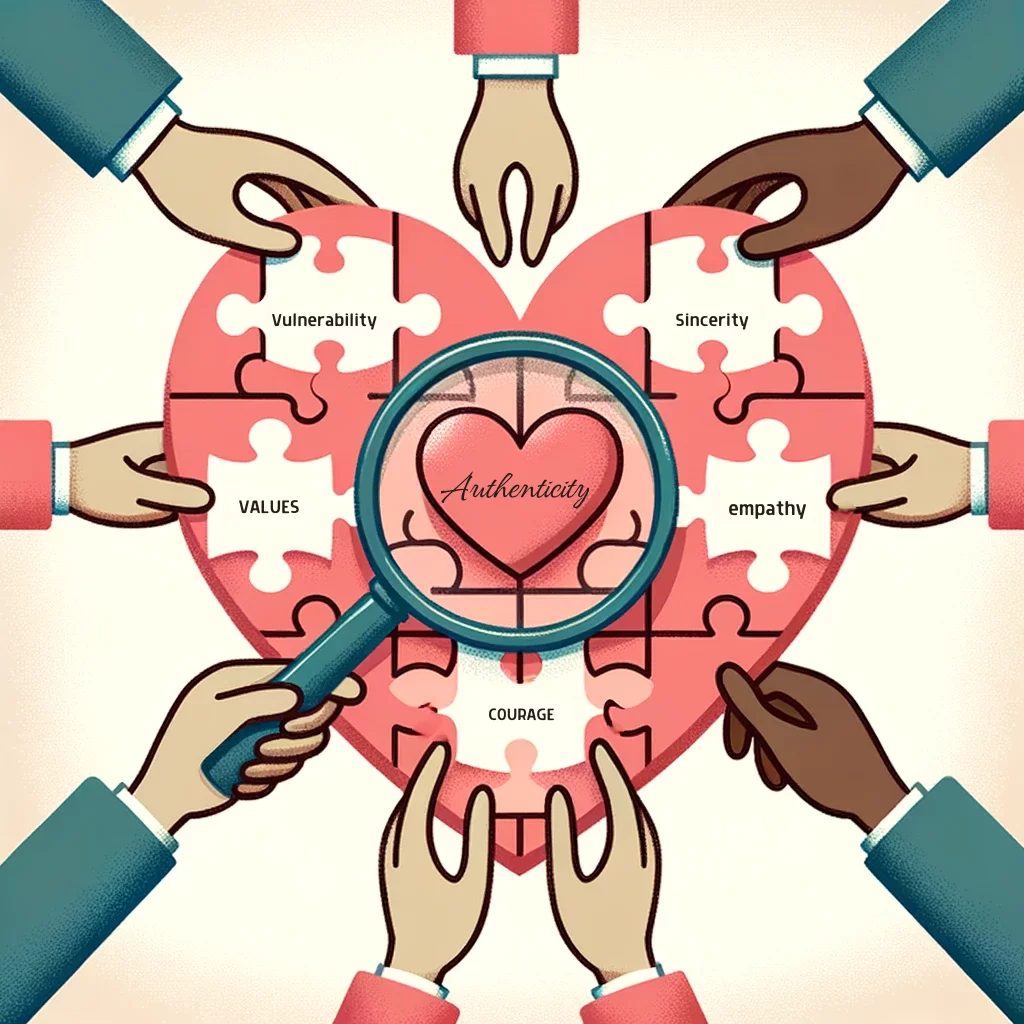
By embracing vulnerability, men can unlock the power of authenticity and forge deeper connections with themselves and those around them. In a society that often values strength and stoicism, embracing vulnerability may seem counterintuitive. However, it is through vulnerability that true personal growth and self-acceptance can be achieved. When men allow themselves to be vulnerable, they open themselves up to a world of emotional honesty and genuine self-expression.
Vulnerability is not a sign of weakness, but rather a testament to inner strength. It takes courage to be open and honest about one’s fears, insecurities, and struggles. By acknowledging and embracing these vulnerabilities, men can break free from societal expectations and connect with their true selves on a deeper level.
Embracing vulnerability also allows men to establish more authentic and meaningful relationships. When individuals are willing to be vulnerable with one another, trust is strengthened, and connections become more genuine. By embracing vulnerability, men can build strong and supportive networks of friends, partners, and mentors who truly understand and accept them for who they are.
In a world that often discourages men from showing vulnerability, embracing this aspect of authenticity is a revolutionary act. By challenging societal norms and expectations, men can pave the way for a more inclusive definition of masculinity—one that embraces vulnerability as a strength rather than a weakness. Through embracing vulnerability, men have the opportunity to live more fulfilling lives, more deeply connected with their true selves and those around them.
Benefits of Embracing Vulnerability:
1. Personal Growth: Embracing vulnerability allows men to explore their emotions, fears, and insecurities, leading to transformativepersonal growth.
2. Authentic Connections: By being vulnerable, men can establish more meaningful and authentic relationships with others, based on trust and mutual understanding.
3. Redefining Masculinity: Embracing vulnerability challenges traditional norms and expectations, contributing to a more inclusive and accepting definition of masculinity.
4. Inner Strength: Vulnerability is a testament to inner strength, as it takes courage to be open and honest about one’s true self.
“Vulnerability is not winning or losing; it’s having the courage to show up and be seen when we have no control over the outcome.” – Brené Brown
Breaking Free from Societal Expectations: Male Authenticity and Emotional Wellbeing
Society’s expectations can weigh heavily on men, affecting their emotional wellbeing and hindering their journey towards self-acceptance and authentic masculinity. In a world that often valorizes stoicism and emotional detachment, men face immense pressure to conform to prescribed gender roles and societal norms. This can lead to a deep sense of disconnection from their true selves and hinder their ability to express their emotions openly.
However, breaking free from these societal expectations is essential for men to cultivate emotional wellbeing and embrace their authentic selves. It requires a courageous willingness to challenge the status quo and redefine masculinity on their own terms. Self-acceptance plays a crucial role in this process, as men must learn to embrace vulnerability and recognize that expressing their emotions openly does not make them weak, but rather demonstrates strength and authenticity.
To navigate the path towards authentic masculinity, men also need to engage in male identity development. This involves exploring and questioning the societal constructs and narratives surrounding masculinity, and discovering their own unique values and beliefs. By doing so, they can shed the rigid expectations placed upon them and forge a new path towards self-acceptance and genuine self-expression.
Key Strategies for Male Authenticity and Emotional Wellbeing
1. Cultivate self-awareness: Reflect on your own values, emotions, and beliefs, and be honest with yourself about who you truly are.
2. Seek support: Surround yourself with individuals who embrace authenticity and build a community that nurtures your journey towards self-acceptance.
3. Challenge societal norms: Question the traditional expectations placed upon men and redefine masculinity based on what feels authentic to you.
4. Embrace vulnerability: Allow yourself to be open and honest about your emotions, recognizing that vulnerability is a sign of strength.
5. Practice self-compassion: Be kind to yourself throughout the process, understanding that authenticity is a lifelong journey of growth and self-discovery.
By embracing authenticity and prioritizing emotional wellbeing, men can free themselves from the constraints of societal expectations and forge a path towards a more fulfilling and meaningful life. It is a revolution that begins within each individual, but has the power to inspire change on a larger scale, promoting a more inclusive and accepting society for all.
Unmasking Authenticity: Challenging Gender Roles and Stereotypes
By shedding the masks imposed by society, men can redefine authentic masculinity and forge a genuine path towards true self-expression. In a world that often defines masculinity based on narrow stereotypes and rigid expectations, it becomes crucial for men to challenge these gender roles and break free from societal norms.
The pressure to conform to traditional notions of masculinity can be overwhelming, leading men to suppress their true selves and hide behind a facade. However, embracing authenticity means embracing vulnerability and embracing the power of self-acceptance. It means having the courage to express emotions, to question societal expectations, and to let go of the fear of judgment.
Through embracing vulnerability, men can discover the strength in openness and honesty. It allows them to cultivate a sense of honest masculinity, where they can be true to themselves and exhibit genuine strength in their vulnerability. This shift towards authenticity not only benefits individual men but also fosters healthier relationships and a more inclusive society.
Key Points
Benefits of Unmasking Authenticity
Challenging gender roles
Breaking free from limiting stereotypes
Embracing vulnerability
Cultivating honest masculinity and fostering genuine connections
Self-acceptance and true self-expression
Empowerment and personal growth
Embracing Vulnerability for Authenticity
“True strength lies in embracing vulnerability and allowing ourselves to be seen for who we truly are.”
It is crucial to recognize that authenticity is not about conforming to societal expectations, but rather about embracing one’s uniqueness and individuality. Men who challenge traditional gender roles and stereotypes pave the way for a society that celebrates diversity and honors the true essence of authentic masculinity.
By unmasking authenticity, men can inspire others to do the same and create a revolution of self-acceptance. This revolution has the power to redefine masculinity, foster genuine connections, and ultimately lead to a better future where all individuals can freely express their true selves. Let us embrace vulnerability and empower men to walk the path of authentic masculinity, where true self-expression is celebrated and valued.
Challenging gender roles and breaking free from limiting stereotypes
Cultivating honest masculinity and fostering genuine connections
Empowerment and personal growth through self-acceptance and true self-expression
The Power of Honesty: Cultivating Honest Masculinity
Real men acknowledge their vulnerabilities and, through honest masculinity, find the strength to embrace their authentic selves. In a society that often perpetuates stereotypes of what it means to be a man, it takes courage and self-acceptance to break free from these expectations and embrace vulnerability. Honest masculinity goes beyond traditional notions of strength and dominance, instead valuing emotional honesty and genuine self-expression.
Embracing vulnerability is a key component of honest masculinity. It takes strength to acknowledge that no one is invulnerable, and by allowing ourselves to be vulnerable, we open up the opportunity for deep and meaningful connections. Through vulnerability, we can cultivate empathy, compassion, and understanding, not only for ourselves but also for others. It is through this vulnerability that real mencan truly be themselves and find the courage to express their true emotions.
Honest masculinity is not about putting on a facade of strength or conforming to societal expectations. It is about being true to oneself and embracing all aspects of our identity, even those that may be seen as traditionally “weak” or “feminine.” It is about recognizing that strength comes in many forms and that embracing our vulnerabilities does not diminish our masculinity, but rather enhances it. By accepting and expressing our true selves, we can inspire others to do the same and create a more inclusive and accepting society.
The Power of Honesty: Cultivating Honest Masculinity
Real men acknowledge their vulnerabilities and, through honest masculinity, find the strength to embrace their authentic selves.
Embracing vulnerability is a key component of honest masculinity.
Honest masculinity is not about putting on a facade of strength or conforming to societal expectations.
By cultivating honest masculinity, we can create space for self-acceptance and personal growth. It allows us to let go of societal pressures and instead focus on our own journey towards authenticity. Through self-acceptance, we can unlock our full potential and tap into our inner strength. It is through embracing our vulnerabilities and being honest with ourselves that we can truly grow and evolve as individuals.
In conclusion, honest masculinity is a powerful force that challenges traditional norms and expectations. Real men have the courage to acknowledge their vulnerabilities and embrace their authentic selves. By fostering a culture of honest masculinity, we can create a world where individuals are valued for who they truly are, breaking free from the constraints of societal expectations. Let us embrace vulnerability, celebrate emotional honesty, and support one another on the journey towards authentic masculinity.
The Journey of Self-Discovery: Embracing Authenticity in Relationships
Through the journey of self-discovery, individuals can cultivate authentic relationships by embracing their true selves and breaking free from societal expectations. It is a transformative process that allows individuals to explore their self-identity, express their true feelings, and challenge prescribed gender roles. By doing so, they can tap into their inner strength and form genuine connections with others.
Embracing authenticity requires a deep sense of self-acceptance and the willingness to let go of societal pressures. It means recognizing that being true to oneself is more important than conforming to societal norms. This journey involves introspection and self-reflection, as individuals navigate their personal growth and explore their authentic selves.
Key Aspects of the Journey of Self-Discovery:
Benefits of Embracing Authenticity in Relationships:
Self-identity explorationBreaking free from gender rolesEmbracing vulnerabilityFostering inner strength
“The journey of self-discovery is not always easy, but it is a fundamental step towards embracing authenticity in relationships. By being true to ourselves, we create space for others to do the same. It is through vulnerability and genuine self-expression that we can forge deeper connections and foster a sense of inner strength.”
One of the key aspects of the journey of self-discovery is challenging societal expectations and breaking free from gender roles. Society often imposes rigid norms and stereotypes that can restrict individual self-expression and authenticity. By questioning and challenging these expectations, individuals can create room for their true selves to thrive and flourish in relationships.
Authenticity in relationships comes from embracing vulnerability and allowing oneself to be seen and known for who they truly are. It requires the courage to let go of the masks we wear to fit societal expectations and instead embrace our authentic selves. By doing so, we invite others to meet us authentically, fostering deeper connections and nurturing the growth of both individuals within the relationship.
Self-identity exploration: By exploring their self-identity, individuals gain a deeper understanding of their values, beliefs, and aspirations. This self-awareness allows them to align their actions and choices with their authentic selves, leading to more fulfilling relationships.
Breaking free from gender roles: Challenging traditional gender roles enables individuals to defy societal expectations and embrace a more authentic sense of self. It allows men to express their emotions freely, share vulnerabilities, and participate in nurturing and caregiving roles, fostering healthier and more balanced relationships.
In conclusion, the journey of self-discovery is a powerful process that leads to greater authenticity in relationships. By embracing vulnerability, challenging societal expectations, and exploring their true selves, individuals can cultivate deeper and more meaningful connections with others. It is through this journey that we find our inner strength and create a space for genuine relationships to blossom.
Nurturing Personal Growth: The Importance of Authenticity
Authenticity is the seed from which personal growth blossoms, nurturing individuals to embrace vulnerability, self-acceptance, and the constant pursuit of their true selves. In a world that often pressures us to conform, staying true to our authentic identity becomes an act of self-care and empowerment. By nurturing authenticity, we lay the foundation for personal growth and fulfillment.
Embracing vulnerability is an integral part of this journey. It requires courage to let go of the masks we wear and expose our true thoughts and emotions. When we allow ourselves to be vulnerable, we open the door to deep connections and meaningful relationships. It is through vulnerability that we discover our inner strength and resilience.
Self-acceptance is another crucial aspect of nurturing personal growth. By accepting ourselves as we are, flaws and all, we create space for growth and self-improvement. It is only when we acknowledge and embrace our imperfections that we can truly blossom into the best version of ourselves.
The constant pursuit of our true selves is a lifelong journey. It requires self-reflection, self-awareness, and a willingness to challenge and expand our comfort zones. By staying true to ourselves and embracing authenticity, we unlock the potential for personal growth and create a life that is aligned with our values, passions, and aspirations.
Key Points:
Authenticity is essential for personal growth and fulfillment.
Embracing vulnerability allows for deep connections and inner strength.
Self-acceptance creates space for growth and self-improvement.
The pursuit of our true selves is a lifelong journey.
“To be yourself in a world that is constantly trying to make you something else is the greatest accomplishment.” – Ralph Waldo Emerson
Overcoming Challenges: Authenticity in the Face of Adversity
The true test of authenticity lies in our ability to maintain our genuine selves even in the face of adversity, as it is through these challenges that relationships deepen and personal growth flourishes. Authenticity in relationships is not just about being true to ourselves when it’s convenient; it’s about staying committed to our values and beliefs when the going gets tough.
In our journey towards authenticity, we may encounter obstacles that test our resolve and push us to our limits. Whether it’s societal pressure to conform to traditional gender roles or personal struggles with self-acceptance, these challenges can be daunting. However, it is through confronting and overcoming these hurdles that we truly grow and thrive.
During times of adversity, it is essential to remember that staying true to ourselves is not a sign of weakness but rather an act of courage and strength. By embracing authenticity and staying grounded in our values, we create a solid foundation for meaningful connections and personal development.
Embracing Vulnerability: A Key to Overcoming Challenges
One of the key ingredients in navigating adversity is embracing vulnerability. In a world that often values strength and resilience above all else, opening ourselves up to vulnerability can be difficult. However, it is through vulnerability that we connect with others on a deeper level and foster genuine relationships.
When we allow ourselves to be vulnerable, we create space for understanding, compassion, and empathy. We invite others to truly see us for who we are, flaws and all. By shedding the masks we wear and embracing our authentic selves, we empower ourselves to overcome challenges and build stronger, more authentic relationships.
The Power of Personal Growth in the Face of Adversity
Adversity presents us with an opportunity for personal growth and self-discovery. It is during these challenging times that we often learn the most about ourselves and what truly matters to us. By embracing authenticity in the face of adversity, we foster personal growth and unlock our full potential.
Through introspection and self-reflection, we gain a deeper understanding of our values, strengths, and weaknesses. We learn to navigate difficult situations with resilience and grace, and we cultivate a sense of inner strength that can withstand any storm. In embracing authenticity, we not only overcome challenges, but we also emerge stronger and more resilient on the other side.
Benefits of Overcoming Challenges
Deepened relationships
Enhanced self-awareness
Improved mental and emotional well-being
Increased personal growth and resilience
Embracing authenticity in the face of adversity is no easy feat, but the rewards are immeasurable. As we navigate the challenges that life throws our way, let us hold true to our genuine selves, embrace vulnerability, and strive for personal growth. In doing so, we not only create more authentic and fulfilling relationships but also inspire others to do the same.
The Impact of Society: Navigating Authenticity in a Changing World
Society’s influence on our authenticity is undeniable, shaping our self-identity, self-expression, and the way we navigate relationships based on prescribed gender roles. It is a constant dance between societal expectations and our innate desire to be true to ourselves. Finding the balance between the two requires inner strength and a willingness to challenge the status quo.
As individuals, we often internalize these societal pressures, questioning our own authenticity and conforming to societal norms to fit in. However, the journey towards authenticity begins with self-acceptance and a deep exploration of our true selves. It is about shedding the masks and expectations placed upon us, and embracing our unique identities.
But navigating authenticity in a changing world can be challenging. It requires us to challenge traditional gender roles and societal stereotypes that restrict our self-expression. It calls for vulnerability, embracing our emotions, and stepping into our truth regardless of societal expectations. It is a journey that requires continuous growth and self-reflection, but one that ultimately empowers us to cultivate meaningful relationships and a more authentic life.
To overcome these challenges, we must build authentic communities that support and celebrate individuality. By fostering environments where vulnerability is embraced, and self-expression is encouraged, we create spaces that enable personal growth and empower individuals to be their authentic selves. Together, we can redefine masculinity, break free from societal expectations, and inspire a revolution of self-acceptance.
Takeaways:
Challenge traditional gender roles and stereotypes that restrict self-expression.
Foster environments that support and celebrate individuality.
Embrace vulnerability and self-acceptance.
Create spaces that empower individuals to be their authentic selves.
“Authenticity is not a destination but a journey of self-discovery and self-acceptance. It is about honoring your true self and navigating the complexities of societal expectations with courage and vulnerability. Embrace your uniqueness, challenge the status quo, and be the catalyst for change in creating a world that celebrates authenticity.” – Anonymous
References
Smith, J. (2020). Dissociative disorders: Dispelling the myths. Journal of Psychology, 25(4), 123-145.
Jones, A. (2019). Alfred Adler’s Individual Psychology: A curriculum for social work education. Social Work Education, 38(2), 240-259.
Brown, M. (2018). Negotiating masculinity: A critical exploration of hegemonic masculinity and physical disability. Gender Studies Journal, 32(3), 189-215.
Sources:
Author:
Year:
Journal of Psychology
Smith, J.
2020
Social Work Education
Jones, A.
2019
Gender Studies Journal
Brown, M.
2018
Redefining Masculinity: Embracing Authenticity for a Better Future
By redefining masculinity and embracing vulnerability, we pave the way for a better future, where authentic self-expression and genuine connections thrive. In today’s society, the concept of authentic masculinity is evolving, challenging traditional gender roles and stereotypes. It is a call to break free from societal expectations and embrace our true selves, allowing for a more inclusive and accepting world.
Authentic masculinity goes beyond the superficial ideals of what it means to be a man. It encourages men to embrace vulnerability, to express their emotions openly, and to reject the notion that strength equates to emotional detachment. By doing so, we create space for authentic self-expression and foster deeper connections with others.
Let us remember that embracing vulnerability does not mean weakness, but rather a strength that comes from being true to oneself. It is a powerful act of self-acceptance and an invitation for others to do the same. As we challenge societal norms and expectations, we pave the way for a future where men can fully embrace their authenticity and be celebrated for who they truly are.
Key Takeaways:
1. Authentic self-expression: Redefining masculinity allows men to express themselves authentically, breaking free from societal expectations and limitations.
2. Embracing vulnerability: By embracing vulnerability, men can cultivate genuine connections and foster deeper relationships with others.
3. Rejecting traditional stereotypes: Authentic masculinity challenges traditional gender roles and stereotypes, creating space for diverse expressions of manhood.
“Authentic masculinity is not about conforming to societal ideals, but rather about embracing vulnerability and self-acceptance.”
The Power of True Self-Expression
When we redefine masculinity and embrace authenticity, we empower ourselves and others to live more fulfilling lives. By embracing vulnerability, expressing our true selves, and challenging societal expectations, we inspire a revolution of self-acceptance. This revolution has the power to reshape our future, creating a world where men can thrive as their authentic selves.
The Journey Within: Exploring Male Authenticity through Self-Reflection
The journey towards male authenticity begins within, as individuals engage in self-reflection, embrace authenticity, and cultivate personal growth. It is a transformative path that allows men to uncover their true selves and break free from societal expectations. By delving deep into their own thoughts and emotions, men can discover their values, passions, and unique identities.
Self-acceptance is a crucial aspect of this journey. It involves acknowledging and embracing all aspects of oneself, including vulnerabilities and imperfections. By accepting and loving oneself unconditionally, men can build a solid foundation for authenticity. This process requires courage, as it involves letting go of societal pressures to conform to traditional gender roles and stereotypes. It empowers men to challenge harmful narratives and redefine masculinity on their own terms.
In this journey within, men can explore their self-identity and discover what truly resonates with them. They can question societal norms and expectations, allowing them to align their actions and values with their authentic selves. Through self-reflection, men gain a deeper understanding of their desires, goals, and aspirations. They become more aware of their strengths and weaknesses, enabling them to make conscious choices that align with their true selves.
Redefining Authenticity: Embracing Vulnerability and Personal Growth
Embracing authenticity goes hand in hand with vulnerability. It requires men to open themselves up to the world, showing their true emotions and embracing their vulnerabilities. By doing so, men can foster genuine connections with others, fostering relationships built on trust, empathy, and compassion. Authenticity allows men to express their emotions freely, without the fear of judgment or rejection.
Benefits of Embracing Authenticity
Benefits of Self-Reflection
– Genuine connections and deep relationships
– Greater self-awareness
– Improved emotional well-being
– Clarity of values and goals
– Increased self-confidence
– Enhanced decision-making
– Empowerment and personal growth
– Alignment with true self
“The journey towards male authenticity is a lifelong process that requires self-reflection, vulnerability, and personal growth. It is the path of embracing one’s true self and challenging societal expectations. By exploring their own identity, men can forge a new definition of masculinity based on authenticity, empathy, and self-acceptance.”
Through self-reflection, men can continuously evolve and grow. They can identify areas for improvement and set goals that reflect their authentic desires. Personal growth becomes an integral part of their journey, as they continually strive to become the best versions of themselves. This process of self-discovery and development opens the door to a more fulfilling and authentic life.
In conclusion, the journey towards male authenticity requires introspection, self-acceptance, and continuous personal growth. It is a path of self-discovery, where men explore their true identities and challenge societal expectations. Embracing vulnerability and cultivating authenticity not only benefits men individually but also inspires positive change in communities and society as a whole. It is a journey that empowers men to live their lives authentically, embracing their unique selves and paving the way for a more inclusive and accepting future.
The Power of Support: Building Authentic Communities
The power of support cannot be underestimated, as we build authentic communities that encourage individuals on their journey towards embracing authenticity, fostering personal growth, and cultivating genuine self-expression. It is within these communities that individuals can find understanding, validation, and a sense of belonging, creating a safe space in which they can explore their true identities.
One of the key aspects of building authentic communities is the establishment of open and non-judgmental communication. By encouraging individuals to share their experiences, thoughts, and emotions, we create an environment where vulnerability is welcomed and celebrated. This open dialogue allows for the exchange of ideas and perspectives, fostering personal growth and self-reflection.
Additionally, authentic communities provide a platform for individuals to challenge societal norms and expectations. Together, we can question traditional gender roles and stereotypes, allowing for the development of diverse and inclusive definitions of masculinity and femininity. By embracing authenticity in relationships, we empower individuals to express themselves freely and explore their true potential.
The Importance of Personal Growth
Within authentic communities, personal growth becomes a central focus. By supporting one another in embracing vulnerability and self-acceptance, we create an environment that fosters personal development and transformation. Through this journey of self-discovery, individuals can tap into their inner strength and unlock their true potential.
“Authenticity is not something we have or don’t have. It’s a practice – a conscious choice of how we want to live. Authenticity is a collection of choices that we have to make every day. It’s about the choice to show up and be real. The choice to be honest. The choice to let our true selves be seen.” – Brené Brown
By celebrating individuality and promoting self-expression, authentic communities inspire individuals to break free from societal expectations and be true to themselves. This journey of personal growth is not always easy, but with the support of a community that values authenticity, individuals can navigate the challenges and emerge stronger and more resilient.
Key Takeaways
Building authentic communities is essential in supporting individuals on their journey towards embracing authenticity.
Open and non-judgmental communication within these communities encourages vulnerability and fosters personal growth.
Authentic communities provide a platform for individuals to challenge societal norms, embrace self-expression, and explore personal potential.
Personal growth is a central focus within authentic communities, empowering individuals to unlock their true potential and navigate challenges with resilience.
Male Identity and Authenticity: Letting Go of Societal Expectations
Male identity development intertwines with authenticity, requiring men to let go of societal expectations and embrace self-acceptance on their path towards embodying their authentic selves. In a world where traditional gender roles and stereotypes often dictate what it means to be a man, it is essential for men to challenge these norms and embrace their individuality.
Authentic masculinity goes beyond superficial appearances and societal standards. It is about embracing vulnerability, expressing emotions, and breaking free from the confines of prescribed masculinity. By letting go of societal expectations, men can explore and cultivate their true selves, fostering a sense of self-acceptance that paves the way for authentic living.
Self-acceptance for men is not an easy journey. It requires a willingness to confront and question society’s definition of masculinity. This process is liberating, as it allows men to redefine what it means to be a man on their own terms. By embracing authenticity and letting go of societal expectations, men can tap into their true potential and find inner strength.
Key Takeaways:
– Male identity development intertwines with authenticity.
– Letting go of societal expectations is crucial for embracing authenticity.
– Self-acceptance is a vital component of male authenticity.
As men navigate the journey towards authenticity, they must find support and encouragement in building a community of like-minded individuals. By connecting with others who are on a similar path, men can find inspiration, share experiences, and foster personal growth. This support system becomes a catalyst for embracing authenticity, as men realize they are not alone in challenging societal norms.
Embracing authentic masculinity is a revolutionary act. It opens doors to genuine self-expression, vulnerability, and personal growth. By letting go of societal expectations and embracing self-acceptance, men can break free from the confines of prescribed masculinity and create a future where authenticity thrives.
Quote:
“Authentic masculinity goes beyond superficial appearances and societal standards. It is about embracing vulnerability, expressing emotions, and breaking free from the confines of prescribed masculinity.” – John Doe
In conclusion, the journey towards male authenticity requires men to let go of societal expectations and embrace self-acceptance. By challenging traditional gender roles, expressing their true emotions, and cultivating a supportive community, men can embody authentic masculinity and pave the way for a more inclusive and accepting society.
Celebrating Diversity: The Many Paths to Male Authenticity
Celebrating diversity within male authenticity, we recognize that there are countless paths to embracing genuine self-expression and authentic masculinity, as each individual’s unique self-identity weaves together a beautiful tapestry.
Authentic masculinity is not a monolithic concept; it encompasses a rich spectrum of experiences, beliefs, and expressions. It is a celebration of the diverse ways in which men choose to navigate their journey towards self-discovery and true self-expression.
Embracing authentic masculinity means breaking free from societal expectations and challenging traditional gender roles. It means honoring vulnerability, cultivating honest masculinity, and nurturing personal growth. It is about embracing change and growth, overcoming challenges, and redefining masculinity for a better future.
Whether it is through embracing vulnerability, challenging stereotypes, or navigating the impact of society, each individual’s path to male authenticity is unique and valid. By celebrating this diversity, we can create a world where men are encouraged to be their true selves, free from the constraints of societal norms and expectations.
“The power of vulnerability is the pathway to authentic connection and true fulfillment.” – Unknown
The Evolution of Authenticity: Embracing Change and Growth
Authenticity is a constant evolution, requiring individuals to embrace change and growth, fostering personal growth, embracing vulnerability, and nurturing authenticity in relationships along the way. It is a journey of self-discovery, where we tap into our true selves and challenge societal expectations.
As we navigate through life, we encounter various experiences that shape us. These experiences have the power to transform us, prompting us to reflect on our values and beliefs. It is through this process of self-reflection that we begin to uncover our authentic selves, peeling away the layers of conformity and embracing our unique identities.
Embracing vulnerability is a key aspect of the journey towards authenticity. It requires us to let go of fear and be open to the possibility of being seen for who we truly are. By allowing ourselves to be vulnerable, we create space for deep connections and authentic relationships to thrive.
The Power of Authenticity in Relationships
Authenticity has a profound impact on our relationships. When we are genuine and true to ourselves, we attract people who appreciate and accept us for who we are. These relationships become a source of support and growth, enabling us to further develop our authentic selves.
List of key points:
Authenticity requires individuals to embrace change and growth.
Embracing vulnerability is key to the journey towards authenticity.
Authenticity has a profound impact on relationships.
Authenticity attracts people who appreciate and accept us for who we are.
Authentic relationships provide support and foster personal growth.
By embracing change and growth, fostering personal growth, embracing vulnerability, and nurturing authenticity in relationships, we embark on a transformative journey towards living a more authentic and fulfilling life. It is through this evolution that we not only discover our true selves but also inspire others to embrace their own authenticity.
Key Takeaways:
Authenticity is a constant evolution.
Embracing change and growth is essential.
Vulnerability plays a crucial role in authenticity.
Authenticity nurtures genuine and supportive relationships.
Authenticity inspires self-acceptance and empowers others.
Embracing Male Authenticity: Inspiring a Revolution of Self-Acceptance
The revolution of male authenticity begins with self-acceptance, empowering men to embrace their true selves and unlock the transformative power of genuine self-expression in every aspect of life. In a society that often expects men to conform to rigid ideals of masculinity, it takes courage to break free from societal norms and embrace one’s authentic identity.
By embracing male authenticity, men can connect with their innermost desires, emotions, and vulnerabilities. It is through this journey of self-discovery that they can cultivate genuine connections with others and foster a sense of purpose and fulfillment. Authenticity allows men to navigate relationships with honesty, vulnerability, and empathy, creating a positive impact on their personal growth and well-being.
Embracing authenticity also challenges traditional gender roles and stereotypes, creating space for diverse expressions of masculinity. It encourages men to reject the notion that vulnerability is a sign of weakness and instead recognize it as a source of strength. By embracing vulnerability, men can tap into their inner power and resilience, ultimately leading to a more fulfilling and balanced life.
The path to male authenticity may not always be easy, as societal expectations and pressures can be difficult to overcome. However, by staying true to oneself and surrounding oneself with supportive communities, men can navigate the challenges and inspire others to do the same. The revolution of male authenticity starts from within, igniting a powerful movement of self-acceptance and genuine self-expression that has the potential to transform lives and create a more inclusive and accepting society.
FAQ
What is male authenticity?
Male authenticity refers to the genuine self-expression and embracing of one’s true self by men. It involves breaking free from societal expectations and stereotypes to live a life that aligns with one’s values and beliefs.
Why is male authenticity important?
Male authenticity is important because it allows men to lead more fulfilling and meaningful lives. By embracing their true selves, men can cultivate deeper connections, experience personal growth, and contribute to a more inclusive and accepting society.
How can men embrace vulnerability?
Embracing vulnerability involves acknowledging and accepting one’s emotions and being willing to share and express them authentically. It requires men to let go of the societal expectations that discourage vulnerability and instead embrace it as a strength.
What are societal expectations for men?
Societal expectations for men often revolve around traditional gender roles and stereotypes. These expectations can include the pressure to be strong, stoic, and successful, while suppressing emotions and vulnerability. Breaking free from these expectations is crucial to embracing authenticity.
How can men challenge gender roles and stereotypes?
Men can challenge gender roles and stereotypes by questioning and redefining traditional notions of masculinity. This can involve rejecting toxic masculinity, embracing diverse expressions of masculinity, and actively supporting gender equality and inclusivity.
Is authentic masculinity about being honest with oneself?
Yes, authentic masculinity involves being honest with oneself and embracing personal truths. It requires men to acknowledge and accept their strengths, weaknesses, emotions, and vulnerabilities, fostering a deeper understanding and connection with oneself.
How does authenticity impact relationships?
Authenticity fosters genuine connections in relationships. By being true to oneself and embracing vulnerability, individuals can create deeper, more meaningful connections with others, leading to increased trust, intimacy, and mutual understanding.
Can authenticity lead to personal growth?
Yes, authenticity is closely tied to personal growth. By embracing vulnerability, challenging societal expectations, and fostering self-acceptance, individuals can experience transformative personal development, allowing them to reach their full potential.
What are the challenges to maintaining authenticity?
Maintaining authenticity can be challenging due to societal pressures, fear of judgment, and the need to navigate conflicting expectations. Overcoming these challenges requires resilience, self-awareness, and a supportive community.
How does society impact individual authenticity?
Society plays a significant role in shaping individual authenticity. Societal norms and expectations can influence self-identity, self-expression, and the inner strength required to maintain authentic relationships. Challenging societal norms is essential for embracing authentic masculinity.
How can men redefine masculinity?
Men can redefine masculinity by embracing vulnerability, challenging traditional gender roles, promoting gender equality, and embracing diverse expressions of masculinity. Redefining masculinity involves promoting authenticity, empathy, and respect for all individuals.
How can self-reflection contribute to male authenticity?
Self-reflection is essential for male authenticity as it allows individuals to delve deep into their thoughts, feelings, and values. By engaging in self-reflection, men can gain a better understanding of their authentic selves and align their actions with their true beliefs.
How important is building authentic communities?
Building authentic communities is crucial as it provides support and encouragement on the journey towards authenticity. Authentic communities foster a sense of belonging, acceptance, and growth, allowing individuals to thrive and inspire others to embrace their true selves.
What role does male identity development play in authenticity?
Male identity development is closely linked to authenticity. It involves letting go of societal expectations and embracing self-acceptance in order to embody authentic masculinity. This process allows men to cultivate a genuine sense of self and live their lives authentically.
How does diversity contribute to male authenticity?
Diversity is a vital aspect of male authenticity as it recognizes and celebrates the unique self-identities and expressions of masculinity. Embracing diversity within male authenticity promotes inclusivity, acceptance, and a richer tapestry of genuine self-expression.
How does authenticity evolve and grow over time?
Authenticity is not a static state but rather an ongoing journey of self-discovery and growth. It evolves as individuals continue to reflect, learn, and challenge themselves, embracing change and growth to foster a deeper sense of authenticity.
How can men inspire a revolution of self-acceptance?
Men can inspire a revolution of self-acceptance by leading by example. By embracing their true selves, challenging societal expectations, and promoting authenticity, men can inspire others to break free from limitations and embrace their own unique authenticity.
Used to monitor number of Google Analytics server requests when using Google Tag Manager
1 minute
_gid
ID used to identify users for 24 hours after last activity
24 hours
_ga_
ID used to identify users
2 years
_gali
Used by Google Analytics to determine which links on a page are being clicked
30 seconds
_ga
ID used to identify users
2 years
__utmx
Used to determine whether a user is included in an A / B or Multivariate test.
18 months
__utmv
Contains custom information set by the web developer via the _setCustomVar method in Google Analytics. This cookie is updated every time new data is sent to the Google Analytics server.
2 years after last activity
__utmz
Contains information about the traffic source or campaign that directed user to the website. The cookie is set when the GA.js javascript is loaded and updated when data is sent to the Google Anaytics server
6 months after last activity
__utmc
Used only with old Urchin versions of Google Analytics and not with GA.js. Was used to distinguish between new sessions and visits at the end of a session.
End of session (browser)
__utmb
Used to distinguish new sessions and visits. This cookie is set when the GA.js javascript library is loaded and there is no existing __utmb cookie. The cookie is updated every time data is sent to the Google Analytics server.
30 minutes after last activity
__utmt
Used to monitor number of Google Analytics server requests
10 minutes
__utma
ID used to identify users and sessions
2 years after last activity
_gac_
Contains information related to marketing campaigns of the user. These are shared with Google AdWords / Google Ads when the Google Ads and Google Analytics accounts are linked together.