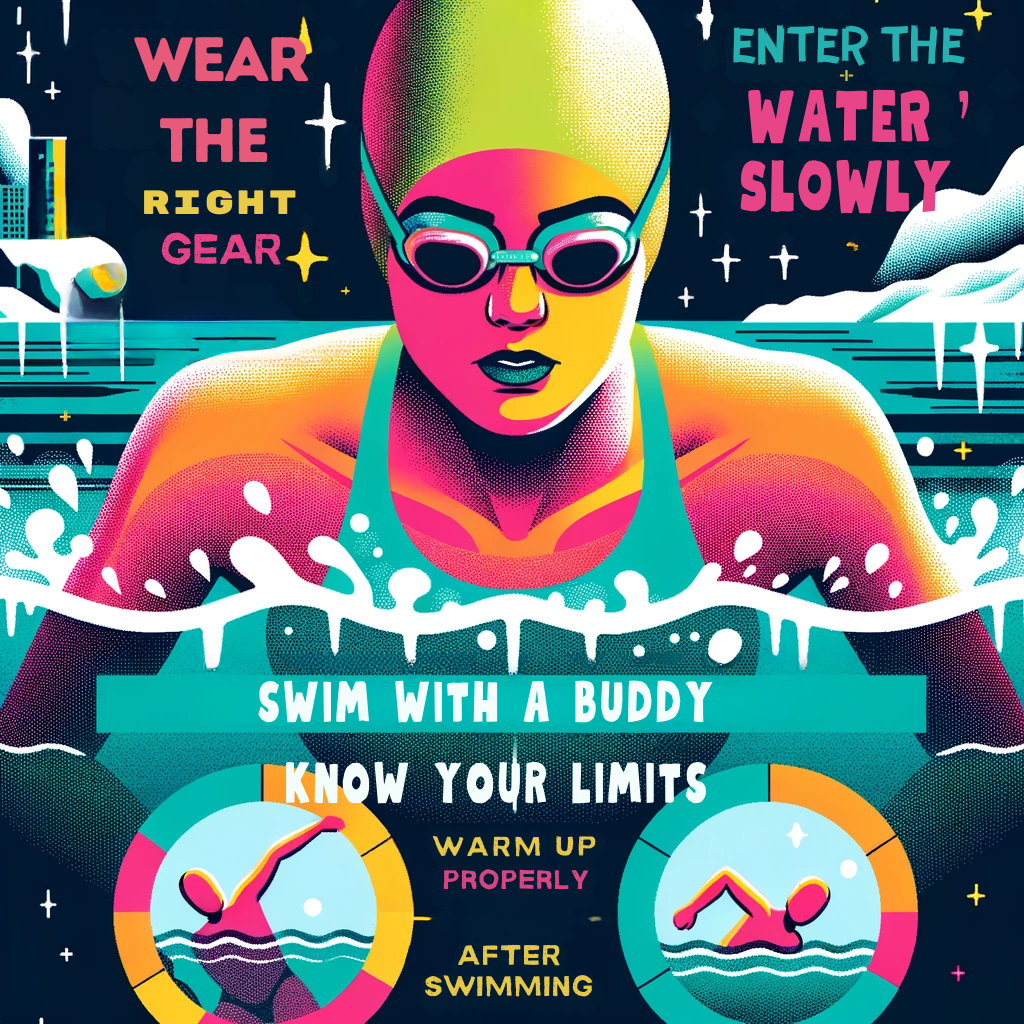
Cold Water Swimming Safety: Expert Tips for the Winter Season
Cold water swimming safety, in the winter open water swimming can be dangerous but exhilarating. As the temperature drops, it’s important to take precautions to ensure safety. Here are some expert tips for cold water swimming:
Key Takeaways
Acclimatize gradually by swimming in colder waters as the temperature drops.
Only swim in safe areas and never swim alone.
Wear appropriate gear such as swimming hats, neoprene gloves, booties, and a wetsuit if desired.
Avoid diving or jumping into cold water to prevent cold water shock.
Decrease the amount of time spent in the water as temperatures drop.
The Risks of Cold Water Swimming
Cold water swimming poses certain risks and dangers that swimmers need to be aware of. As the temperature drops, the body’s natural response to cold water is to experience cold shock, which can lead to involuntary gasping, hyperventilation, and in extreme cases, cardiac arrest. Additionally, cold water can cause a rapid decrease in body temperature, leading to hypothermia. Other risks include muscle cramps, reduced dexterity, and impaired judgment.
One of the main dangers of cold water swimming is cold water shock. When the body is suddenly immersed in cold water, the shock can cause a reflex gasp, leading to the inhalation of water and the potential for drowning. It is vital to acclimatize gradually by swimming in colder water as the temperature drops, allowing the body to adapt to the lower temperatures.
Another risk is hypothermia, which occurs when the body loses heat faster than it can produce it. This can result in shivering, confusion, and difficulty moving. Swimmers should be mindful of the water temperature and the duration of their swim, ensuring they have adequate protection such as wetsuits or neoprene accessories to maintain body heat.
Precautions for Cold Water Swimming
To minimize the risks of cold water swimming, it is essential to take certain precautions. Always swim in safe areas where there are lifeguards present and never swim alone. Swimming with a buddy not only enhances safety but also provides support and assistance if needed. It is advisable to wear appropriate gear, including swimming hats, neoprene gloves, booties, and a wetsuit if desired, to protect the body from the cold water and maintain body temperature.
Furthermore, avoid diving or jumping into cold water as the sudden immersion can trigger cold shock. Instead, enter the water gradually, allowing the body to adjust to the temperature. Additionally, decrease the amount of time spent in the water as temperatures drop, as prolonged exposure can increase the risk of hypothermia. After swimming, resist the temptation of a hot shower and opt for warm clothes to prevent rapid cooling of the body.
While there are risks associated with cold water swimming, it is important to note that this activity can also have potential mental and physical health benefits. Cold water swimming is known to improve circulation, boost the immune system, increase endorphin release, and enhance mood. However, it is vital to prioritize safety and take appropriate precautions to ensure a safe and enjoyable cold water swimming experience.
Recommended Precautions:
Swim in safe areas with lifeguards.Always swim with a buddy.Wear appropriate gear to protect against the cold.Enter the water gradually to acclimatize.Decrease swim duration as temperatures drop.Avoid diving or jumping into cold water.Wear warm clothes after swimming.
Choosing a Safe Swimming Location
When engaging in cold water swimming, it is crucial to select a safe and suitable swimming location. Here are some guidelines to ensure your safety:
Choose designated swimming areas or beaches where lifeguards are present. They can provide assistance in case of an emergency.
Research the location beforehand to familiarize yourself with any hazards, such as currents, underwater obstacles, or sudden depth changes.
Check water quality reports to ensure the swimming spot is free from pollutants or harmful bacteria.
Additionally, take into consideration the following factors when choosing a safe swimming location:
Visibility: Opt for clear water that allows you to see underwater and be aware of your surroundings.
Accessibility: Make sure there are safe entry and exit points, such as sandy beaches or gradual slopes.
Proximity to help: Choose a location that is close to emergency services or a first aid station.
Example of a Quote:
“Selecting a safe swimming location is paramount for cold water swimmers. It not only ensures your personal safety but also allows you to fully enjoy the experience without unnecessary risks.” – Cold Water Swimming Association
Table: Essential Safety Considerations for Choosing a Swimming Location
Factor
Importance
Designated area with lifeguards
High
No hazardous obstacles
High
Good water quality
High
Clear visibility
Moderate
Easy access and exit
Moderate
Proximity to emergency services
Moderate
Remember, choosing a safe swimming location is the first step in ensuring a pleasurable and secure cold water swimming experience.
Checking Weather Forecasts and Tide Times
Before heading out for a cold water swim, it is essential to check the weather forecasts and tide times for a safe swimming experience. The changing conditions of the water and surroundings can pose risks, so being well-informed is crucial. Here are some guidelines to follow:
1. Weather Forecasts: Check local weather forecasts to ensure you are aware of any potential storms, strong winds, or extreme temperatures. This information will help you determine whether it is safe to swim and if you need to adjust your plans accordingly.
2. Tide Times: Understanding tide times is crucial, especially if you are swimming in coastal areas. Low tides can expose hazards such as rocks, reefs, or strong currents, while high tides can make it difficult to exit the water safely. Plan your swim around low tide or when conditions are calmest to minimize risks.
Remember, weather and tide conditions can change rapidly, so it’s important to check for updates and make informed decisions about your cold water swim. By staying aware of the forecast and tide times, you can ensure a safer and more enjoyable experience.
Key Points
Guidelines
Weather Forecasts
Check local weather forecasts for storms, strong winds, or extreme temperatures.
Tide Times
Understand tide times to avoid hazards and ensure safe swimming conditions.
Stay Informed
Keep checking for updates as conditions can change rapidly.
Swimming with a Buddy
To enhance safety during cold water swimming, it is advisable to always swim with a buddy. Having a swimming companion not only adds to the fun but also provides an extra layer of security. In case of any emergency, your buddy can offer immediate assistance or call for help. It’s essential to choose a buddy who is experienced and comfortable with cold water swimming, ensuring mutual support and vigilance.
When swimming with a buddy, it’s crucial to establish clear communication and agree on a plan beforehand. Discuss your swimming route, signals, and any specific safety measures to follow. Regularly check in with each other to ensure everyone is feeling okay and remain aware of each other’s whereabouts throughout the swim.
Swimming with a buddy not only enhances safety but also adds to the overall enjoyment of the cold water swimming experience. It provides peace of mind knowing that someone has your back, making your swim more relaxed and enjoyable.
Remember, swimming with a buddy doesn’t mean you have to swim side by side at all times. You can swim within a safe distance of each other, ensuring that you are still in each other’s line of sight. This allows you to enjoy the solitude of the water while having the reassurance of a companion nearby.
Tips for Swimming with a Buddy:
Choose a buddy who is experienced and comfortable with cold water swimming.
Establish clear communication and agree on a plan before starting the swim.
Regularly check in with each other and remain aware of each other’s whereabouts.
Swim within a safe distance of each other, ensuring visibility and easy access for assistance if needed.
Essential Gear for Swimming with a Buddy:
Swimming trunks/costume
Goggles
Silicone hats
Neoprene gloves
Booties
Hat
Wetsuit
Tow float
Changing robe
Towel
Flip flops/Crocs
Woolly gloves
Woolly hat
Layers of warm clothing
Flask
Cake
Swimming with a buddy not only enhances safety but also adds to the overall enjoyment of the cold water swimming experience. It provides peace of mind knowing that someone has your back, making your swim more relaxed and enjoyable. So, grab a friend and embark on your cold water swimming adventure, staying safe and having a fantastic time together!
Keeping Extremities Warm
To prevent cold-related injuries, it is essential to keep extremities warm while engaging in cold water swimming. When the body is exposed to cold temperatures, blood vessels constrict, reducing blood flow to the extremities. This can lead to numbness, tingling, and even frostbite. Here are some tips for keeping your extremities warm and protected during cold water swims:
Double up on swim caps: Wearing two swim caps can help insulate and protect your head from heat loss. Look for a neoprene cap as the outer layer for added insulation.
Invest in neoprene accessories: Neoprene gloves and booties are essential for keeping your hands and feet warm in cold water. These accessories provide insulation and help retain body heat, ensuring your extremities stay protected.
Layer up with hats: In addition to your swim cap, consider wearing a woolly hat on top to provide extra warmth for your head. This will help reduce heat loss and keep you comfortable during your swim.
“To ensure maximum warmth, it’s important to choose the right gear for cold water swimming. From swimming trunks/costume, goggles, silicone hats, and neoprene gloves and booties, to wetsuits, tow floats, and changing robes, having the right equipment is crucial for cold water safety.”
Remember, cold water swimming can be exhilarating, but safety should always be a priority. By following these precautions and keeping your extremities warm, you can enjoy the benefits of cold water swimming while minimizing the risk of cold-related injuries. Stay safe, have fun, and embrace the invigorating experience of swimming in colder waters!
Essential Gear for Cold Water Swimming
Swimming Trunks/Costume
Goggles
Silicone Hats
Neoprene Gloves
Booties
Hat
Wetsuit
Tow Float
Changing Robe
Towel
Flip Flops/Crocs
Woolly Gloves
Woolly Hat
Layers of Warm Clothing
Flask
Cake
Entering the Water Slowly
When starting a cold water swim, it is vital to enter the water slowly to allow your body to adjust to the cold temperatures. Sudden exposure to cold water can lead to cold water shock, which can be dangerous. By entering the water gradually, you give your body the time it needs to acclimate and avoid potential risks.
How to Stay Safe While Cold Water Swimming
The first step is to check the water temperature and ensure it is suitable for swimming. A water temperature below 15 degrees Celsius can be challenging for most swimmers, especially beginners. It’s crucial to know your limits and listen to your body.
Before getting in, splash some water on your face and neck to start the acclimatization process.
Slowly wade into the water up to your waist, allowing your body to adjust to the cold sensation.
Take deep breaths and focus on your breathing to help calm any initial shock to your system.
If you start to feel uncomfortable or experience numbness, exit the water immediately.
Remember to never push yourself too hard or stay in the water for too long, especially if you start feeling cold or fatigued.
“Entering the water slowly is essential for cold water swimming. It allows your body to adapt and helps prevent the risk of cold water shock. Take your time, listen to your body, and always prioritize your safety.”
By following these precautions and entering the water slowly, you can have a safer and more enjoyable cold water swimming experience. Always remember to swim with a buddy, wear appropriate gear, and be mindful of your limits. Cold water swimming can be a thrilling and invigorating activity, but safety should always come first.
Using a Tow Float for Visibility and Flotation Aid
Incorporating a tow float into your cold water swimming routine can provide increased visibility and serve as a flotation aid. A tow float is a brightly colored inflatable device that is attached to a swimmer by a waist belt, trailing behind them in the water. It not only makes you more visible to other water users but also offers additional buoyancy and can support you if you need a moment to rest.
When swimming in cold water, it’s essential to prioritize safety. A tow float can help ensure that you are seen by boats and other swimmers, reducing the risk of accidents. The bright color and size of the float make it easy for others to spot you in choppy or crowded waters. Additionally, the float can act as a flotation aid, providing reassurance and support if you feel fatigued or need a break during your swim.
Using a tow float is also a great way to carry essentials such as a small waterproof bag for a phone, keys, or a snack. This eliminates the need for a bulky backpack or leaving your valuables unattended on the shore. You can simply attach your belongings to the float and keep them with you while you swim.
Remember, when choosing a tow float, opt for one that is strong, durable, and highly visible. Look for features like dual air chambers for added safety and a secure waist belt that will keep the float comfortably in place while you swim. By investing in this essential piece of cold water swimming equipment, you can enhance your safety and enjoy your winter swims with peace of mind.
Tow Float Recommendations:
Product
Features
Price
Float Pro Inflatable Swim Buoy
Bright color, dual air chambers, adjustable belt
£19.99
Aqua Sphere Swim Buoy
High visibility, lightweight, dry bag compartment
£24.99
OverBoard Pro-Vis Floating Dry Bag
Durable, waterproof dry bag, reflective strips
£29.99
Remember to always consult a professional before engaging in any cold water swimming activity. Safety should be your top priority.
Knowing Your Limits
Understanding your own abilities and limits is crucial for a safe and enjoyable cold water swimming experience. While it can be tempting to push yourself to the extreme, it’s important to stay within your comfort zone and listen to your body. Here are some tips to help you navigate your limits when swimming in cold water:
Start slow: Begin by gradually introducing yourself to colder waters as the temperature drops. This will allow your body to acclimatize and adapt to the cold.
Know your swimming ability: Be honest with yourself about your swimming skills. If you’re a beginner, stick to shallower waters and avoid strong currents or rough conditions.
Be mindful of the temperature: Pay attention to the water temperature and how it affects your body. As the water gets colder, consider shortening your swim duration to prevent hypothermia.
Listen to your body: If you start feeling fatigued, lightheaded, or experience any discomfort, it’s essential to stop swimming and warm up immediately.
Remember, pushing yourself beyond your limits can lead to dangerous situations. Always prioritize your safety and enjoy the cold water swimming experience responsibly.
Gear
Purpose
Swimming hats
Help retain body heat and protect the head from cold water
Neoprene gloves
Keep hands warm and provide better grip in the water
Booties
Protect feet from cold water and provide insulation
Wetsuit
Offers thermal protection and buoyancy in colder water
By being aware of your limits and taking the necessary precautions, you can safely enjoy the exhilarating experience of cold water swimming. Remember to always stay vigilant and prioritize your safety above all else.
Acclimatizing Gradually
Gradually acclimatizing to the cold water temperatures can enhance your swimming experience and provide potential health benefits. When transitioning from warmer water to colder temperatures, it’s important to allow your body time to adjust. Start by dipping your feet and gradually progress to swimming in colder waters as the temperature drops. This gradual process allows your body to adapt to the cold, reducing the risk of cold water shock and potential health complications.
During the acclimatization process, make sure to monitor how your body responds to the cold water. Pay attention to any signs of discomfort or numbness. If you start to feel excessively cold or experience symptoms such as shivering or fatigue, it may be a sign that you need to exit the water and warm up.
To help with acclimatizing gradually, consider wearing appropriate gear such as swimming hats, neoprene gloves, and booties. Double swim caps and neoprene accessories can help keep your extremities warm, allowing you to stay in the water for longer periods.
Benefits of Acclimatizing Gradually
Acclimatizing gradually to cold water swimming not only reduces the risk of cold water shock but also offers potential health benefits. Cold water swimming has been associated with improved circulation, increased alertness, and enhanced mood. The exposure to cold water triggers the release of endorphins, providing a natural ‘high’ and leaving you feeling invigorated and refreshed. Furthermore, cold water swimming is believed to boost the immune system, promote mental clarity, and even improve sleep quality.
“Cold water swimming has been associated with improved circulation, increased alertness, and enhanced mood.”
Remember, the key to acclimatizing gradually is to listen to your body and take it at your own pace. Start slow, stay safe, and enjoy the many benefits that cold water swimming can offer.
Warming Up Properly After Swimming
After completing a cold water swim, it is crucial to warm up properly to avoid the potential risks of afterdrop. This occurs when the body’s core temperature drops rapidly after leaving the water, causing shivering, dizziness, and even hypothermia. To prevent these adverse effects, follow these guidelines for a safe and effective warm-up:
Get out of wet clothes: Remove your swimming gear and change into dry clothes immediately. Wet clothes can further lower your body temperature, so it’s essential to get out of them as soon as possible.
Wrap up in warm layers: Put on multiple layers of warm clothing to insulate your body and trap the heat. Opt for wool or fleece garments, as they provide excellent insulation even when damp.
Sip on warm fluids: Drink warm liquids such as herbal tea, hot water with lemon, or a warm sports drink to replenish hydration and raise your body temperature. Avoid caffeine and alcohol as they can hinder the warming process.
Move and stretch: Engage in light exercises and stretches to promote blood circulation and warm up your muscles. Focus on gentle movements that target major muscle groups, gradually increasing the intensity as you warm up.
Remember, the aim of warming up is to raise your body temperature gradually and safely. Rushing this process can lead to discomfort and potential health risks. Take your time, listen to your body, and ensure that you feel adequately warm before exposing yourself to cold temperatures again.
Recommended Warm-Up Gear
Reason
Synthetic base layers
Helps wick moisture away from the skin, keeping you dry and warm
Insulating jacket
Provides an extra layer of warmth and insulation
Warm hat and gloves
Protects extremities that are susceptible to heat loss
Thermal socks
Keep your feet warm and comfortable
Hot water bottle
Provides additional warmth when placed on targeted areas such as the lower back or chest
Once you’ve completed a proper warm-up, you’ll be able to continue enjoying the many exhilarating benefits of cold water swimming. Remember to always prioritize your safety and well-being by following cold water swimming safety guidelines and being aware of the risks associated with this invigorating activity.
Cold Water Swimming Gear
Having the right gear is essential for staying safe and comfortable during cold water swimming. When embarking on this exhilarating activity in the winter, it’s important to protect yourself from the elements and potential risks. Here are some gear recommendations to consider:
Swimming Trunks/Costume: Choose a snug-fitting pair of trunks or a costume that allows for freedom of movement.
Goggles: Invest in a quality pair of goggles to protect your eyes from the cold water and improve visibility.
Silicone Hats: Keep your head warm and reduce heat loss with a silicone hat that provides insulation.
Neoprene Gloves and Booties: These accessories provide added insulation to protect your hands and feet from the cold water.
Wetsuit: Consider wearing a wetsuit for additional warmth and buoyancy during longer swims in colder temperatures.
Other gear to consider includes a tow float for improved visibility and as a flotation aid, a changing robe or towel to dry off and warm up after swimming, flip flops or Crocs for easy and comfortable walking on wet surfaces, woolly gloves and a hat to keep extremities warm, layers of warm clothing to wear after swimming, and a flask to enjoy a hot drink during your cold water adventure.
Equipping yourself with the right gear will not only enhance your safety but also ensure that you have a comfortable and enjoyable cold water swimming experience.
Cold Water Swimming Health Benefits
In addition to the safety precautions, cold water swimming can provide various mental and physical health benefits. The invigorating experience of swimming in cold water can have a positive impact on overall well-being. Here are some potential health benefits of cold water swimming:
Boosts circulation: The shock of cold water can cause blood vessels to constrict, helping to improve circulation throughout the body. This can enhance cardiovascular health and promote better blood flow to muscles and organs.
Strengthens the immune system: Cold water exposure has been linked to an increase in white blood cell count, which can strengthen the immune system and improve its ability to fight off infections and diseases.
Enhances mental well-being: Swimming in cold water releases endorphins, which are natural mood boosters. The experience can reduce stress, increase feelings of happiness, and improve mental clarity.
Improves resilience: Cold water swimming challenges the body’s resilience and can help build mental and physical resilience over time. It can enhance the body’s ability to adapt to different stressors and improve overall endurance.
It’s important to note that cold water swimming may not be suitable for everyone, and individuals should consult a healthcare professional before engaging in this activity, especially if they have pre-existing medical conditions or are not accustomed to cold temperatures. Additionally, it’s crucial to practice cold water swimming safely and responsibly by following the recommended guidelines and precautions.
Cold Water Swimming Gear
When engaging in cold water swimming, it’s essential to have the right gear to ensure comfort and safety. Here is a list of recommended gear for cold water swimming:
Essential Gear
Optional Gear
Swimming trunks/costume
Goggles
Silicone hats
Neoprene gloves
Booties
Hat
Wetsuit
Remember, the gear you choose should provide adequate insulation and protection against the cold water temperature. It’s important to find a balance between staying warm and maintaining freedom of movement while swimming.
Overall, cold water swimming can offer a range of health benefits, both physical and mental. By taking the necessary precautions and ensuring you have the right gear, you can enjoy the invigorating experience of cold water swimming while reaping its potential rewards.
Recommended Gear for Cold Water Swimming
To ensure safety and comfort during cold water swimming, it is advisable to have the right gear. Here are some essential items that can enhance your cold water swimming experience:
Swimming Trunks/Costume: Choose a well-fitted, quick-drying pair of swimming trunks or a costume.
Goggles: Protect your eyes from water irritation and enhance visibility with a pair of high-quality goggles.
Silicone Hats: Keep your head warm and reduce heat loss with a snug-fitting silicone swimming hat.
Neoprene Gloves and Booties: Protect your hands and feet from the cold water with neoprene gloves and booties. These accessories provide insulation and enhance grip.
Wetsuit:
Thickness
Temperature Range
3mm
10-15°C (50-59°F)
4/3mm
7-12°C (45-54°F)
5/3mm
4-10°C (39-50°F)
Choose a wetsuit that suits the water temperature you’ll be swimming in.
Ensure a snug fit to provide maximum insulation.
Consider a wetsuit with reinforced knee and elbow areas for durability.
Tow Float: Improve visibility to other swimmers and provide a flotation aid by using a brightly colored tow float.
Changing Robe: Maintain privacy and warm up quickly with a changing robe. These robes are designed to provide coverage while allowing you to change out of wet clothing.
Towel: Bring a quick-drying and absorbent towel to dry off after your swim.
Flip Flops/Crocs: Protect your feet on the beach or by the water with comfortable and waterproof footwear.
Woolly Gloves and Hat: Keep your extremities warm with woolly gloves and a hat. These accessories provide extra insulation in colder temperatures.
Layers of Warm Clothing: Dress in layers of warm clothing to retain body heat after your swim. Opt for thermals, fleeces, and waterproof outer layers.
Flask: Bring a thermos flask filled with a hot drink to warm up from the inside after your swim.
Cake: Indulge in a post-swim treat by packing a slice of cake or a snack to enjoy on the beach. Reward yourself for braving the cold water!Remember, the right gear can make a significant difference in your cold water swimming experience. Stay safe, stay warm, and enjoy the invigorating rewards that cold water swimming has to offer.
Essential Gear
Additional Accessories
Swimming Trunks/Costume
Goggles
Silicone Hats
Changing Robe
Neoprene Gloves and Booties
Towel
Flip Flops/Crocs
Woolly Gloves and Hat
Layers of Warm Clothing
Flask
Cake
Conclusion
Practicing cold water swimming safety is crucial for a secure and exhilarating swimming experience in the winter season. As the temperature drops, it’s important to take precautions to ensure your safety. Here are some expert tips that can help you enjoy the thrill of cold water swimming while minimizing the risks.
Firstly, acclimatizing gradually to the cold water is essential. Start by swimming in colder waters as the temperature drops, allowing your body to adjust to the lower temperatures. This gradual approach can help prevent cold water shock and other potential dangers.
Secondly, always swim in safe areas and never swim alone. Choose locations that are known for their safety, such as designated swimming spots with lifeguards present. Swimming with a buddy is also advisable, as it provides an extra layer of security and support.
Wearing appropriate gear is equally important. Consider wearing swimming hats, neoprene gloves, booties, and even a wetsuit if desired. These items can help keep your body warm and protected from the cold water, ensuring a more comfortable and enjoyable swimming experience.
Remember to enter the water slowly to allow your body to acclimate to the cold temperatures. This gradual approach is key to avoid sudden shocks to your system. Additionally, using a tow float not only improves your visibility in the water but also serves as a flotation aid, enhancing your safety while swimming in cold water.
After your swim, avoid hot showers that can cause a sudden drop in body temperature. Instead, wrap up in warm clothes to maintain your body’s heat. It’s worth mentioning that cold water swimming has potential benefits for mental and physical health. Many enthusiasts find it invigorating and stress-relieving, contributing to a sense of well-being.
In conclusion, by following these expert tips and taking necessary precautions, you can enjoy the exhilaration of cold water swimming during the winter season while ensuring your safety. Remember to acclimatize gradually, swim in safe areas, wear appropriate gear, and take measures to keep warm before and after your swim. Stay safe and make the most of this unique and thrilling experience!
FAQ
What are some expert tips for cold water swimming safety in the winter season?
Acclimatize gradually, swim in safe areas with a buddy, wear appropriate gear, avoid diving or jumping into cold water, decrease time in the water as temperatures drop, and properly warm up after swimming.
What are the risks of cold water swimming?
Cold water swimming can pose dangers such as cold water shock, hypothermia, and increased risk of heart attack.
How do I choose a safe swimming location for cold water swimming?
Choose areas with lifeguards, clear waters, and minimal currents or undertows. Avoid swimming in unfamiliar or untested locations.
Why is it important to check weather forecasts and tide times before cold water swimming?
Weather conditions and tides can impact water temperature, currents, and safety. It is essential to be aware of these factors to ensure a safe swimming experience.
Why should I swim with a buddy when engaging in cold water swimming?
Having a swimming companion provides an extra layer of safety in case of emergencies or difficulties in the water.
How can I keep my extremities warm during cold water swimming?
Double swim caps and neoprene accessories can help insulate and protect your extremities from the cold water.
Why is it important to enter the water slowly when cold water swimming?
Entering the water slowly allows your body to gradually acclimate to the cold temperatures, reducing the risk of cold water shock.
What are the benefits of using a tow float during cold water swimming?
Tow floats provide increased visibility in the water and can also serve as a flotation aid, enhancing safety during cold water swims.
How can I know and respect my limits while cold water swimming?
Listen to your body and be aware of signs of fatigue, hypothermia, or distress. Do not push yourself beyond your capabilities.
How can I acclimatize gradually to cold water swimming?
Start swimming in colder waters as the temperature drops to allow your body to adjust to the lower temperatures over time.
How should I properly warm up after a cold water swim?
Instead of hot showers, wrap up in warm clothes and drink warm fluids to gradually raise your body temperature.
What gear is recommended for cold water swimming?
Recommended gear includes swimming trunks/costume, goggles, silicone hats, neoprene gloves, booties, hat, wetsuit, tow float, changing robe, towel, flip flops/Crocs, woolly gloves, woolly hat, layers of warm clothing, flask, and cake.
What are the potential mental and physical health benefits of cold water swimming?
Cold water swimming has been associated with improved mood, increased energy, enhanced circulation, and strengthened immune system.
What are some recommended gear for cold water swimming?
Recommended gear includes swimming trunks/costume, goggles, silicone hats, neoprene gloves, booties, hat, wetsuit, tow float, changing robe, towel, flip flops/Crocs, woolly gloves, woolly hat, layers of warm clothing, flask, and cake.
Welcome to the extraordinary journey into the uncharted realms of selfcare, where I will be your guide to discovering transformative practices that can enhance your mental health and well-being. Hidden deep in the Amazon rainforest, archaeologist Dr. Amelia Collins discovered a stone tablet that revealed the secrets of Elysium, a forgotten civilization. Driven by curiosity, Dr. Collins assembled a diverse team of experts to embark on an extraordinary expedition into the mysterious world of Elysium. As they delved deeper, they encountered astonishing technological advancements and architectural wonders. However, they also faced betrayal and temptation, threatening the unity of their expedition. Eventually, they uncovered the ultimate truth about Elysium, a civilization that possessed knowledge capable of revolutionizing the world. Returning from their journey, they fought to share their discoveries with the world, navigating a web of conspiracy and pursuing justice. The revelations of Elysium sparked global interest and ignited a spirit of exploration and scientific inquiry. This newfound knowledge reshaped humanity’s understanding of history, science, and spirituality.
Key Takeaways:
Self-care is crucial for enhancing mental health and overall well-being.
Engaging in transformative practices can lead to personal growth and self-improvement.
Crafting a personalized routine is essential for holistic wellness.
Mindfulness and self-love are powerful tools for reducing stress and nurturing personal development.
Activities and habits play a significant role in promoting well-being and stress management.
The Essence of Self-Care
At the core of self-care lies the essence of nurturing oneself through mindful practices, and a collection of practical tips that can elevate your well-being. Just like the explorers of Elysium, we too can embark on a transformative journey into uncharted realms, discovering the power of self-care.
Self-care is not merely indulgence; it is a fundamental practice that promotes mental health and overall well-being. By embracing mindfulness, we can cultivate present moment awareness and find solace in the chaos of everyday life. Mindfulness allows us to connect with our thoughts, emotions, and sensations, thereby enhancing our ability to navigate challenges with grace and resilience.
Self-love serves as the cornerstone of self-care. It involves accepting and appreciating ourselves for who we are, unconditionally. When we practice self-love, we become better equipped to handle setbacks, overcome obstacles, and build healthy relationships. It is a transformative process that fosters personal growth and empowers us to create a life filled with purpose and fulfillment.
Self-Care Tips
Carve out time for yourself each dayEngage in activities that bring you joyPrioritize rest and relaxationNourish your body with nutritious foodPractice gratitude and self-reflection
“Self-care is not selfish. It is essential for your well-being and the well-being of those around you.” – Unknown
By embracing the essence of self-care, we can embark on a transformative journey towards holistic wellness. Just as Dr. Collins and her team unraveled the mysteries of Elysium, we too can unlock the potential within ourselves to revolutionize our lives and create meaningful routines.
Crafting Your Personal Self-Care Routine
Delve into the art of routines and discover the array of activities and habits that can foster a profound sense of holistic wellness in your daily life. Just as the explorers of Elysium discovered hidden knowledge, you too can embark on a journey of self-discovery and uncover practices that nourish your mind, body, and soul.
Creating a Self-Care Plan
A personal routine is a personalized roadmap to well-being, tailored to your unique needs and preferences. Begin by identifying activities that bring you joy, peace, and relaxation. Whether it’s taking a leisurely stroll in nature, practising yoga, or indulging in a favourite hobby, the key is to prioritize activities that rejuvenate and recharge you.
Take inspiration from the wisdom of Elysium and incorporate habits into your routine. Nurture your mind with daily meditation or journaling sessions, allowing space for reflection and self-expression. Cultivate a healthy lifestyle by prioritizing nutritious meals, quality sleep, and regular exercise. Remember, this is an ongoing process that requires dedication and intentionality.
Exploring Self-Care Activities
Embrace the vast possibilities of self-care activities that can elevate your well-being. Create a bucket list of experiences that ignite your passion and make time for them regularly. It could be as simple as enjoying a captivating book, treating yourself to a spa day, or immersing yourself in creative pursuits such as painting or playing music.
Elysium taught us that self-care extends beyond the individual. Engage in acts of kindness and compassion towards others, fostering connections and deepening your sense of purpose. Volunteering for a cause close to your heart or lending a helping hand to a friend in need can bring immense joy and fulfillment.
Self-Care Activities
Benefit
Practicing gratitude
Cultivates positivity and enhances well-being
Engaging in regular exercise
Boosts physical and mental health
Indulging in a relaxing bath
Promotes relaxation and stress relief
Trying new hobbies
Expands creativity and fosters personal growth
Embrace this opportunity to curate your own personal routine, incorporating habits and activities that resonate with your soul. By doing so, you pave the way for a fulfilling and balanced life, just as the explorers of Elysium unlocked the secrets of a forgotten civilization.
Mindfulness: Cultivating Present Moment Awareness
Discover the transformative power of mindfulness as we delve into the practice of cultivating present moment awareness and its profound impact on stress management. Mindfulness is the art of fully immersing oneself in the present moment, without judgment or attachment to thoughts or external distractions. It offers a sanctuary of stillness amidst the chaos of everyday life, allowing us to cultivate a deeper connection with ourselves and the world around us.
Through the practice of mindfulness, we learn to tap into our inner wisdom and gain a greater understanding of our thoughts, emotions, and physical sensations. It enables us to observe our experiences with curiosity and compassion, rather than getting caught up in the whirlwind of our own minds. By bringing our attention to the present moment, we become more attuned to the richness and beauty that exists in every breath, every sensation, and every interaction.
In the words of renowned mindfulness teacher Jon Kabat-Zinn, “Mindfulness means paying attention in a particular way: on purpose, in the present moment, and non-judgmentally.” It is an invitation to embrace the fullness of life, both its joys and its challenges, with open-hearted acceptance. Through consistent practice, mindfulness becomes a way of life, a lens through which we navigate the world with clarity and compassion.
The Benefits of Mindfulness for Stress Management
Reduces anxiety and stress
Improves focus and concentration
Enhances emotional resilience
Promotes better sleep
Increases self-awareness and self-compassion
Studies have shown that regular mindfulness practice can actually rewire our brains, enhancing our ability to respond to stressors with greater calmness and equanimity. It allows us to step back from automatic reactions and cultivate a sense of inner peace even in the midst of chaos. Through mindfulness, we can learn to harness the power of the present moment and transform our relationship with stress, enabling us to live with greater ease and well-being.
Techniques for Cultivating Mindfulness
Benefits
Mindful breathing
Calms the nervous system and promotes relaxation
Body scan meditation
Increases body awareness and reduces physical tension
Mindful walking
Connects us with nature and grounds us in the present moment
Loving-kindness meditation
Fosters feelings of compassion and connection with others
“Mindfulness isn’t difficult, we just need to remember to do it.” – Sharon Salzberg
Incorporating mindfulness into our daily lives can be as simple as taking a few moments to pause and pay attention to our breath, or as profound as engaging in a formal meditation practice. Whatever form it takes, cultivating present moment awareness through mindfulness can be a powerful tool for managing stress, nurturing well-being, and living a more awakened life.
Nurturing Self-Love: The Key to Personal Growth
Embark on a journey of self-discovery as we explore the profound impact of self-love on personal growth and the transformative possibilities it holds.
In a world that often emphasizes external validation, it is crucial to redirect our focus inward and cultivate a deep sense of self-love. This powerful practice fuels personal growth and serves as the foundation for building a fulfilling and authentic life.
When we prioritize self-love, we unlock the potential for significant growth and transformation. By embracing and accepting ourselves fully, we create a nurturing environment that fosters self-improvement and empowers us to reach our highest potential. It is through self-love that we gain the confidence to pursue our passions, overcome obstacles, and manifest our dreams.
As we embark on this journey of self-discovery, let us remember that self-love is a continuous practice. It requires patience, compassion, and a genuine commitment to our well-being. By prioritizing self-care, setting healthy boundaries, and engaging in positive self-talk, we nourish our souls and cultivate a deep sense of love and acceptance for who we are.
Self-Love Practices
Benefits
Practicing gratitude
Enhances positivity and appreciation for life
Mindfulness meditation
Develops self-awareness and reduces stress
Engaging in regular self-care activities
Promotes overall well-being and emotional balance
Cultivating a supportive social network
Encourages connection and fosters personal growth
Self-love is not a destination but a lifelong journey. It requires us to prioritize our well-being, embrace our imperfections, and celebrate our unique qualities. As we nurture self-love, we create a solid foundation for personal growth, enabling us to navigate life’s challenges with resilience and grace.
Embrace the Power of Self-Love
As we delve deeper into the realms of self-love, let us remember that it is not selfish or indulgent. Rather, it is a vital component of personal growth and holistic well-being. By loving ourselves unconditionally, we empower ourselves to create a life filled with purpose, joy, and authentic connections.
Cultivate self-compassion.
Practice forgiveness, both towards ourselves and others.
Nurture our physical, emotional, and spiritual well-being.
Set healthy boundaries and prioritize our needs.
Through these practices, we unlock the transformative potential of self-love, paving the way for personal growth, self-improvement, and a life of fulfillment.
Embarking on the journey of self-discovery requires courage, vulnerability, and an unwavering commitment to ourselves. As we embrace self-love, we open the door to endless possibilities, nurturing personal growth and creating a life of authenticity and purpose.
Self-Love Quotes
“Self-love is the source of all other loves.” – Pierre Corneille
“Self-love, my liege, is not so vile a sin as self-neglecting.” – William Shakespeare
“Your task is not to seek for love, but merely to seek and find all the barriers within yourself that you have built against it.” – Rumi
The Healing Power of Self-Care Activities
Immerse yourself in the healing power of diverse self-care activities that elevate well-being and provide effective tools for managing stress in your daily life. Just as Dr. Collins and her team unravelled the secrets of Elysium, you too can embark on a transformative journey to discover the hidden treasures of self-care. Whether it’s indulging in a rejuvenating spa day, reconnecting with nature through mindful hiking, or expressing yourself creatively through art therapy, there are endless possibilities for activities that can nurture your mind, body, and soul.
“Self-care is not a luxury, it is a necessity,” said Dr. Amelia Collins. “In Elysium, we witnessed the power of self-care to restore balance and promote well-being.”
To guide you on your quest for self-care, I have compiled a list of activities to ignite your imagination and ignite the healing power within you:
1. Mindful Meditation: Experience the profound benefits of mindfulness by setting aside a few minutes each day to meditate. Find a quiet space, close your eyes, and focus on your breath, allowing thoughts to come and go without judgment.
2. Journaling: Explore your innermost thoughts and emotions through the art of journaling. Grab a pen and paper and let your thoughts flow freely. This practice can help you gain clarity, reduce stress, and promote self-reflection.
3. Self-Compassion: Treat yourself with kindness and compassion. Practice personal compassion by acknowledging your worthiness, embracing your imperfections, and offering yourself the same love and care you would give to a dear friend.
4. Physical Exercise: Engage in activities that get you moving and boost your endorphins. Whether it’s a brisk walk, dancing to your favourite tunes, or trying out a new fitness class, physical exercise is a powerful activity that improves both your physical and mental well-being.
5. Disconnecting from Technology: Take a break from the digital world and disconnect from your devices. Spend time engaging in activities that bring you joy, such as reading a book, taking a bubble bath, or having a heart-to-heart conversation with a loved one.
Remember, self-care is a personal journey, and it’s important to tailor your activities to suit your individual needs and preferences. By incorporating these self-care practices into your daily routine, you can unlock the transformative power of self-care and embrace a life of holistic wellness.
The healing power of self-care activities is boundless. Just as the ancient civilization of Elysium held the key to wisdom that revolutionized the world, your journey into self-care can unlock a world of well-being, stress management, and personal growth. So, take the first step, explore the uncharted realms of self-care, and experience the tremendous benefits it can bring to your life.
Cultivating Self-Care Habits for Sustainable Well-Being
Dive into the realm of cultivating personally created habits that nurture sustainable well-being, while exploring a plethora of creative ideas to embrace self-care in your daily routine. Just like Dr. Collins and her team embarked on an extraordinary journey to uncover the secrets of Elysium, you too can embark on a transformative journey towards a healthier and happier life. By prioritizing self-care, you can unlock the potential within yourself and revolutionize your world.
One way to cultivate self-care habits is by creating a personalized routine. Start by exploring a variety of activities and incorporate them into your daily life. This could include activities such as journaling, practising mindfulness, taking regular breaks, exercising, or indulging in hobbies that bring you joy. By dedicating time to these activities, you can nourish your mind, body, and soul, leading to a greater sense of well-being.
To further enhance your self-care journey, consider embracing the power of self-love. Cultivating self-love involves practicing kindness and compassion towards yourself, embracing your strengths and imperfections, setting boundaries, and prioritizing your own needs. Remember, self-love is not selfish – it is an essential element for personal growth and development.
As you explore different self-care ideas, it is important to find activities and habits that resonate with you. What works for one person may not work for another, so don’t be afraid to experiment and find what brings you the most joy and relaxation. Whether it’s enjoying a cup of tea, reading a book, practicing yoga, or simply taking a walk in nature, the key is to find activities that replenish your energy and promote a sense of well-being.
Self-Care Activities
Benefits
Practicing mindfulness
Reduces stress and anxiety
Engaging in physical exercise
Improves overall health and boosts mood
Taking time for solitude
Restores inner peace and promotes self-reflection
Nurturing social connections
Fosters a sense of belonging and support
In conclusion, the journey of self-care is like uncovering the hidden treasures of Elysium. It requires dedication, exploration, and a willingness to prioritize your own well-being. By cultivating self-care habits and embracing a variety of creative ideas, you can nurture sustainable well-being and embark on a transformative journey towards a healthier, happier, and more fulfilling life.
Embracing Holistic Wellness through Self-Care Practices
Embrace a holistic approach to wellness by integrating personal practices that encompass all dimensions of your well-being and unlock the profound benefits they offer. Just as the ancient civilization of Elysium revolutionized the world with their knowledge, you too have the power to transform your life through self-care.
Start by nurturing your physical well-being through regular exercise, nourishing your body with wholesome foods, and getting ample rest and sleep. Take time to connect with nature, inhaling the fresh air and feeling the earth beneath your feet. Remember, your body is a temple, and caring for it is the first step towards holistic wellness.
Not only should you prioritize your physical health, but also your mental and emotional well-being. Incorporate mindfulness practices into your daily routine, such as meditation or deep breathing exercises. Cultivate self-compassion and self-love, acknowledging that you are worthy of compassion and kindness. Engage in activities that bring you joy and allow yourself to pursue hobbies and passions that ignite your soul.
Lastly, don’t forget the importance of nurturing your spiritual well-being. Connect with your inner self through practices such as journaling, prayer, or gratitude exercises. Seek out moments of stillness and reflection, allowing yourself to tap into a higher consciousness and experience a sense of inner peace.
Meditation, deep breathing exercises, self-compassion
Emotional
Engaging in activities that bring joy, pursuing hobbies and passions
Spiritual
Journaling, prayer, gratitude exercises
Creating a self-care routine that addresses all these dimensions of well-being will not only enhance your overall health but also foster a sense of balance and harmony in your life. Just as Dr. Collins and her team left no stone unturned in their exploration of Elysium, leave no aspect of your well-being untouched in your pursuit of holistic wellness.
Unleashing the Power of Self-Care Strategies
Unlock the potential of personal strategies as we delve into their ability to nourish well-being and fuel personal development, ultimately leading to transformative growth. Just as Dr. Collins and her team unearthed the hidden treasures of Elysium, we too can embark on a journey of discovery and uncover the invaluable benefits of self-care.
Picture yourself immersed in a serene sanctuary, enveloped by the gentle embrace of personal practices. It is here that we find solace, rejuvenation, and a sanctuary for our souls. By cultivating a self-care routine tailored to our individual needs, we can create a harmonious balance between our mind, body, and spirit.
Self-Care Strategies
Well-being
Personal Development
1. Practice mindfulness
✓
✓
2. Engage in regular exercise
✓
✓
3. Prioritize quality sleep
✓
✓
4. Cultivate meaningful connections
✓
✓
5. Nurture your passions and hobbies
✓
✓
Self-care is not selfish, but rather a profound act of self-love that lays the foundation for personal growth. As we prioritize our well-being, we awaken the dormant potential within us, enabling us to flourish in every aspect of our lives.
By integrating self-care strategies into our daily lives, we can unlock a world of possibilities. They strengthen our resilience, enhance our self-awareness, and empower us to navigate the challenges that lie ahead. Remember, self-care is not a luxury; it is an essential ingredient for living a fulfilling and meaningful life.
Embrace the Power of Self-Care
As we venture deeper into the uncharted realms of self-care, let us embrace its transformative power. Discover the strategies that resonate with you, create a self-care routine that nurtures your well-being, and embark on a journey of personal development. Allow self-care to unlock the infinite possibilities that await you on the path to self-discovery.
The Journey Towards Self-Discovery
Embark on a deeply personal journey towards self-discovery and growth, guided by the practice of self-care, and witness the transformative power it holds. Just as Dr. Amelia Collins and her team embarked on a captivating expedition into the uncharted realms of Elysium, you too can embark on a quest to unravel the mysteries of your own being.
Similar to the ancient civilization of Elysium, where technological advancements and architectural wonders awaited discovery, your journey towards self-discovery will unveil the hidden treasures within yourself. As you delve deeper into the depths of your soul, you’ll encounter astonishing revelations and realize the vast potential that lies within.
But be prepared, for the journey towards self-discovery is not without its challenges. Like Dr. Collins and her team, you may face betrayal and temptation, threatening to derail your progress. However, staying true to the path of self-care will empower you to overcome these obstacles and maintain the unity of your own expedition.
Key Takeaways
Embark on a personal journey of self-discovery.
Unleash the hidden treasures within yourself.
Stay true to the path of self-care to overcome challenges.
Witness the transformative power of self-care.
“The only journey is the one within.” – Rainer Maria Rilke
As you navigate the web of self-care conspiracy, remember the wisdom of Dr. Collins and her team. Share your newfound knowledge and experiences with others, revolutionizing the world one person at a time. Just as Elysium reshaped humanity’s understanding of history, science, and spirituality, your personal journey of self-discovery has the potential to transform your own life and the lives of those around you.
Embrace the spirit of exploration and scientific inquiry within yourself. Let the practice of self-care guide you towards personal growth, improvement, and an unwavering belief in your own potential. As you embark on this transformative journey, remember that the power to shape your destiny lies in your hands.
Exploring the Nexus of Science and Spirituality
Traverse the captivating nexus of science and spirituality, exploring their profound influence on personal growth and the adoption of transformative self-care practices. In the realm of personal development, science and spirituality intertwine, offering unique insights and pathways towards holistic well-being. Science, with its rigorous methodologies and evidence-based approaches, provides us with a deeper understanding of the complexities of our physical and mental selves. Meanwhile, spirituality, with its emphasis on connecting to something greater than ourselves, guides us towards inner peace, purpose, and a sense of interconnectedness.
As we delve into the nexus of science and spirituality, we begin to realize that they are not mutually exclusive, but rather complementary forces that can enhance our personal growth journey. Scientific research reveals the impact of mindfulness, meditation, and other spiritual practices on our well-being. Studies show that these practices can reduce stress, improve mental clarity, and cultivate resilience, ultimately leading to enhanced overall well-being.
Acknowledging the significance of this nexus allows us to embrace a holistic approach to self-care. By integrating both scientific findings and spiritual practices into our self-care routines, we can create a harmonious balance that nurtures our mind, body, and soul. Whether it’s practicing gratitude, engaging in mindful movement, or finding solace in nature, we can tap into the transformative power of self-care practices that are rooted in both science and spirituality. This integration not only enriches our personal growth but also allows us to cultivate a deeper connection with ourselves and the world around us.
Key Takeaways
1. Science and spirituality complement each other in the realm of personal growth and self-care.
2. Scientific research supports the effectiveness of spiritual practices in promoting well-being.
3. Embracing the nexus of science and spirituality enables us to adopt transformative self-care practices that nurture holistic well-being.
Revolutionizing the World with Self-Care Wisdom
Witness the transformative impact of self-care wisdom as it transforms the world, nurturing well-being, fueling personal development, and inspiring the creation of profound self-care routines. Just like the ancient civilization of Elysium, self-care holds secrets that can revolutionize our lives and reshape our understanding of holistic wellness. By embracing the power of self-care practices, we unlock a world of possibilities that enhance our mental, emotional, and physical well-being.
Self-care wisdom encompasses a wide range of activities and habits that prioritize our personal growth and nourish our souls. It can be as simple as taking a break from the chaos of daily life to engage in mindful activities like meditation or journaling. These practices provide us with an opportunity to cultivate self-awareness, tap into our inner wisdom, and gain a deeper understanding of our desires and needs.
Creating a self-care routine that resonates with our individuality is an art form that requires experimentation and self-discovery. Just like the archaeological team did in their quest for the truth of Elysium, we must be open to exploring new experiences and uncovering hidden treasures within ourselves. This journey towards self-care enlightenment allows us to find solace, balance, and joy as we navigate the ups and downs of life.
Self-Care Activities
Benefits
1. Meditation
Enhances mindfulness and reduces stress.
2. Exercise
Boosts energy, improves mood, and promotes physical fitness.
3. Journaling
Fosters self-reflection, emotional release, and personal growth.
4. Spa treatm\ents
Relieves tension, rejuvenates the body, and promotes relaxation.
Embarking on our own personal journey towards self-care is a transformative act that not only benefits us individually but also has a ripple effect on the world around us. When we prioritize our well-being and cultivate self-love, we become beacons of light, inspiring others to embrace their own self-care journeys. In this way, the wisdom of self-care has the potential to create a collective shift towards a more compassionate, balanced, and harmonious world.
Embrace the Wisdom of Elysium
Like Dr. Amelia Collins and her team, we have the power to revolutionize our lives and uncover the hidden gems of self-care wisdom. By taking the time to nurture our well-being, we embark on a journey of personal growth, self-discovery, and transformation. Let us follow in the footsteps of the ancient civilization of Elysium and embrace the profound impact of self-care wisdom, for it has the potential to reshape our world and bring about a brighter future.
Navigating the Web of Self-Care Conspiracy
Embark on a journey to navigate the intricate web of self-care conspiracy, while safeguarding your well-being and personal growth in the face of external influences. Just like Dr. Amelia Collins and her team ventured into the uncharted realms of Elysium, exploring the secrets of a forgotten civilization, we too must venture into the depths of self-care to uncover its true essence. But along the way, we may encounter challenges that seek to divert us from our path.
As we navigate this web of self-care conspiracy, it is crucial to maintain a strong sense of well-being. Prioritize self-care practices that nourish your mind, body, and soul. Whether it’s engaging in activities that bring you joy, practicing mindfulness to center yourself, or fostering self-love through affirmations and gratitude, your well-being should remain at the forefront.
Personal growth is another crucial aspect to safeguard amidst the influences of the self-care web. Embrace opportunities for self-improvement, challenge yourself to step outside of your comfort zone, and seek knowledge and wisdom from trusted sources. By empowering yourself with personal growth, you can better distinguish between genuine self-care practices and those influenced by the conspiracy.
Unmasking the Hidden Truths
Within the intricate web of self-care conspiracy, it’s important to stay vigilant and discerning. Just as Dr. Collins and her team had to uncover the ultimate truth about Elysium, we too must delve deep and unmask the hidden truths within the self-care realm. Seek out reputable sources, research different perspectives, and question the validity of claims. This way, you can make informed decisions about which self-care practices align with your values and truly contribute to your well-being and personal growth.
In the face of external influences, remember that self-care is ultimately about nurturing your own well-being and personal growth. By staying true to yourself and navigating the web of self-care conspiracy with discernment, you can discover the practices and strategies that truly resonate with you and lead you towards a fulfilling and balanced life.
Key Takeaways:
Embark on a journey to navigate the intricate web of self-care conspiracy, safeguarding your well-being and personal growth.
Prioritize self-care practices that nourish your well-being and foster personal growth.
Stay vigilant and discerning, unmasking hidden truths within the self-care realm.
Seek reputable sources and question the validity of claims to make informed decisions.
Stay true to yourself and discover self-care practices that align with your values and contribute to your overall fulfillment.
Conclusion
As we conclude this transformative journey into the uncharted realms of self-care, let us reflect on the profound impact it has on our mental health, overall wellness, and endless possibilities for personal growth. Just like Dr. Amelia Collins and her team of explorers embarked on a quest to uncover the secrets of Elysium, we too have embarked on a quest to discover the depths of self-care and its potential to revolutionize our lives.
Hidden within the depths of our own beings, self-care holds the power to nurture our mental well-being, providing us with the strength and resilience to navigate life’s challenges. It is not merely an indulgence or a fleeting trend, but rather a fundamental practice that enables us to cultivate self-love and mindfulness, paving the way for a more balanced and fulfilling existence.
By crafting a personalized routine, we can embrace the healing power of self-care activities and cultivate self-care habits that promote sustainable well-being. Through practices like mindfulness, we can develop present moment awareness, managing stress and enhancing our overall sense of peace and contentment.
Nurturing self-love becomes the key to unlocking our true potential for personal growth. By fostering a deep compassion for ourselves, we open up avenues for exploration and self-improvement, propelling us towards a journey of self-discovery and unlocking the nexus between science and spirituality.
FAQ
What is self-care?
It is the practice of taking deliberate actions to prioritize and nurture one’s physical, emotional, and mental well-being.
Why is self-care important for mental health?
Self-care is crucial for mental health as it helps to reduce stress, improve resilience, and promote overall well-being and balance in our lives.
How can I start practicing?
Starting to practice can be as simple as carving out time for activities that bring you joy and relaxation, setting boundaries, and prioritizing your needs.
What are some self-care activities I can incorporate into my routine?
Some self-care activities you can try include taking walks in nature, practicing mindfulness or meditation, journaling, reading, practicing hobbies, or pampering yourself with a relaxing bath.
How can mindfulness benefit my well-being?
Mindfulness can benefit your well-being by helping you cultivate present moment awareness, reduce stress, enhance focus and clarity, and promote a sense of calm and balance in your life.
How does self-love contribute to personal growth?
Self-love is a foundational aspect of personal growth as it involves accepting and embracing yourself, setting healthy boundaries, and fostering a positive relationship with yourself, leading to increased self-confidence and resilience.
How can self-care activities help with stress management?
Engaging in these activities can help with stress management by providing moments of relaxation and rejuvenation, allowing you to recharge and build resilience to better cope with daily stressors.
How can I establish sustainable Personal habits?
To establish sustainable self-care habits, start by identifying activities that truly nourish you, prioritize self-care in your schedule, create a routine, and be consistent in practicing self-care regularly.
What does it mean to embrace holistic wellness through self-care?
Embracing holistic wellness involves addressing all aspects of your well-being, including physical, emotional, mental, and spiritual health, and seeking balance and harmony in each area.
What are some powerful strategies I can implement?
Some powerful strategies include setting boundaries, practising self-compassion, cultivating gratitude, nurturing social connections, and engaging in activities that bring you joy and fulfilment.
How does self-care contribute to personal development and growth?
It contributes to personal development and growth by helping you prioritize your needs, develop self-awareness, build resilience, and invest in your overall well-being, which in turn empowers you to reach your full potential.
How do science and spirituality intersect in the context of self-care?
Science and spirituality intersect by acknowledging the interconnectedness of mind, body, and spirit, and recognizing the importance of integrating evidence-based practices with spiritual beliefs and practices for holistic well-being.
What impact can self-care wisdom have on the world?
Self-care wisdom has the potential to revolutionize the world by fostering well-being, promoting personal development and growth, and inspiring the creation of meaningful routines on a global scale.
How do I navigate the web of self-care conspiracy?
Navigating the web of self-care conspiracy requires staying informed, critically evaluating information and trends, prioritizing your well-being over external influences, and seeking guidance from trusted sources.
Unlock Peace with Meditation and Breathwork: Your Guide
Welcome to the transformative world of meditation and breathwork. In this guide, I will take you on a journey to discover the power of cultivating inner peace, vitality, and better stress management through these practices.
Key Takeaways:
Meditation and breathwork are ancient practices that promote relaxation, focus, and inner peace.
There are various types of meditation, including mindfulness, spiritual meditation, guided meditation, and visualization.
Create a dedicated meditation space and choose a technique that aligns with your goals and needs.
Establish a consistent meditation schedule to make it a regular part of your daily routine.
Practice patience and self-compassion throughout your meditation journey.
Stay present and grounded by focusing on your breath during meditation.
Calming meditation offers numerous benefits, such as reduced stress levels, improved sleep quality, and enhanced cognitive function.
Overcoming challenges in calming meditation involves acknowledging distractions, managing expectations, and practicing consistency.
The Aura Health App can enhance your meditation experience with personalized recommendations and guidance.
Understanding Meditation and Breathwork
Before we dive into the techniques and strategies of meditation and breathwork, let’s first understand what they are and why they are so important for our well-being. Meditation is a practice that has been around for centuries, used to create a state of inner peace and fulfillment. It involves the use of techniques and strategies that help to bring the mind and body into a state of relaxation and focus. Breathwork, on the other hand, focuses specifically on the power of the breath to calm the mind, reduce stress, and promote overall well-being.
Both meditation and breathwork provide an opportunity to connect with ourselves on a deeper level, to quiet the mind and find a sense of calm in the midst of our busy lives. They offer us a chance to pause, to tune in to our inner world and cultivate a greater sense of self-awareness. By practicing meditation and breathwork regularly, we can learn to manage stress more effectively, improve our focus and concentration, and enhance our overall mental and emotional well-being.
Through meditation, we can train our minds to become more present and focused, allowing us to let go of worries about the past or future and fully engage with the present moment. Breathwork, on the other hand, can help us regulate our breath and activate the body’s relaxation response, leading to a reduction in stress and anxiety. Both practices work in harmony to help us cultivate a deeper sense of peace and serenity.
Benefits of Meditation
Benefits of Breathwork
– Stress reduction
– Enhanced relaxation
– Improved focus and concentration
– Calming the mind
– Emotional well-being
– Increased self-awareness
– Better sleep quality
– Improved respiratory function
– Increased self-compassion
– Alleviation of anxiety and stress
“Meditation is not a means of escape from reality but a way of addressing it more squarely.” – John Yates
Now that we understand the fundamentals of meditation and breathwork, let’s explore the different types of meditation and how they can be incorporated into our daily lives. Stay tuned for the next section where we will explore various meditation techniques and find the perfect one for you.
Exploring Different Types of Meditation
There is no one-size-fits-all approach to meditation. Let’s explore the different types of meditation and find the one that resonates with you.
1. Mindfulness Meditation: This type of meditation involves focusing your attention on the present moment. You become aware of your thoughts, sensations, and emotions without judgment. It cultivates a sense of calm and acceptance, allowing you to observe your mind without getting caught up in its fluctuations.
2. Spiritual Meditation:Spiritual meditation is practiced to connect with something greater than yourself, whether it’s a higher power, the universe, or your own inner wisdom. It involves exploring existential questions, seeking guidance, and finding a deeper sense of purpose and meaning in life.
3. Guided Meditation:Guided meditation involves listening to a pre-recorded or live guide who leads you through a series of visualizations and prompts. It can be helpful for beginners or those who prefer a structured approach to meditation. Guided meditations often focus on relaxation, stress relief, self-compassion, gratitude, or specific intentions.
4. Visualization:Visualization meditation involves using your imagination to create vivid mental images. You can visualize yourself in a peaceful natural setting, visualizing your goals and aspirations, or visualizing healing and positive affirmations. This type of meditation can enhance focus, motivation, and create a sense of inner calm.
Type of Meditation
Description
Mindfulness Meditation
Focusing on the present moment without judgment
Spiritual Meditation
Connecting with something greater than yourself
Guided Meditation
Following a guide through visualizations and prompts
Visualization
Creating mental images to enhance focus and calm
Remember, the key to finding the right type of meditation for you is to explore and experiment. Each type offers unique benefits and approaches to achieving inner peace and well-being. Try different techniques and see which resonates with you the most. Whether it’s mindfulness, spiritual meditation, guided meditation, or visualization, embracing a regular meditation practice can lead to profound transformations in your life.
Creating Your Meditation Space
To fully immerse yourself in the practice of meditation, it’s essential to create a peaceful and inviting space where you can truly connect with yourself. Your meditation space should be a sanctuary that allows you to escape the distractions of everyday life and find inner calm.
Start by choosing a location in your home that is quiet and free from disturbances. This could be a spare room, a corner of your bedroom, or even a cozy spot in your living room. Clear out any clutter and create a clean and calming environment.
Incorporate elements that promote relaxation and serenity. Use soft lighting, such as candles or dimmed lamps, to create a soothing ambiance. Add cushions, blankets, or a comfortable meditation chair to support your posture and make your space inviting. Consider including natural elements, such as plants or a small indoor fountain, to connect with nature and enhance the peaceful atmosphere.
Personalize your meditation space with meaningful objects or decorations. This could be a small altar with items that inspire you or evoke a sense of tranquility. Display photographs, affirmations, or quotes that resonate with you and remind you of your intention to find inner peace.
Table 1: Items to Include in Your Meditation Space
Item
Description
Cushions or Meditation Chair
Provide comfort and support for your posture during meditation.
Soft Lighting
Create a relaxing ambiance with candles or dimmed lamps.
Natural Elements
Add plants or a small indoor fountain to connect with nature.
Meaningful Objects
Include items that inspire you and evoke a sense of tranquility.
By dedicating a space solely for meditation, you signal to your mind and body that it’s time to let go and focus inward. This intentional act of creating a meditation space sets the tone for your practice and enhances your overall experience of peace and mindfulness.
Choosing the Right Meditation Technique
With so many meditation techniques to choose from, it’s important to find the one that resonates with you and supports your desired outcomes. Whether you are seeking mindfulness, guided meditation, or breath awareness, each technique offers its own unique benefits and approaches to achieving inner peace. Take some time to explore different methods and discover which one suits you best.
Mindfulness: This popular meditation technique involves bringing your attention to the present moment, observing your thoughts and sensations without judgment. It cultivates a sense of awareness and acceptance, allowing you to fully experience the present. Mindfulness meditation is particularly effective in reducing stress, enhancing self-awareness, and improving mental clarity.
Guided Meditation: If you prefer a more structured approach, guided meditation can be a great option. This technique involves listening to a recorded meditation session or following a meditation app that provides step-by-step guidance. Guided meditation is beneficial for those who find it challenging to quiet their mind or prefer external support for focus and relaxation.
Breath Awareness:Breath awareness meditation focuses on observing and controlling your breath. By directing your attention to the rhythm and sensations of breathing, you can anchor yourself in the present moment and cultivate a sense of calmness. This technique is helpful for grounding yourself, reducing anxiety, and enhancing overall relaxation.
Table: Comparison of Meditation and Breathwork Techniques
Technique
Benefits
Approach
Mindfulness
Stress reduction, self-awareness, mental clarity
Observing thoughts and sensations without judgment
Guided Meditation
Focus, relaxation, structured practice
Following recorded instructions or meditation app
Breath Awareness
Grounding, anxiety reduction, relaxation
Observing and controlling the breath
Remember, there is no right or wrong technique when it comes to meditation. It’s a personal journey, and what works for one person may not work for another. So, experiment with different techniques and find the one that resonates with you the most. The key is to be consistent and practice regularly, allowing yourself the time and space to nurture your inner peace.
Establishing a Meditation and Breathwork Schedule
Consistency is key when it comes to meditation. Let’s explore how to establish a meditation schedule that suits your lifestyle and allows you to experience its full benefits.
Creating a regular meditation practice requires finding a time and place that work for you. Consider your daily routine and identify pockets of time where you can dedicate a few minutes to meditation. It could be early in the morning before the rest of the world wakes up or in the evening before bed. Experiment with different times to see what feels most natural and sustainable for you.
Once you’ve decided on a time, create a dedicated meditation space. This can be a corner of your room, a cozy nook, or a peaceful outdoor spot. Make sure it’s a space where you feel calm and can minimize distractions. You can enhance the ambiance with soft lighting, candles, or soothing music.
To stay accountable to your meditation practice, consider setting a reminder on your phone or using a meditation app that will send you notifications. Treat your meditation schedule as a non-negotiable appointment with yourself, just like any other important commitment in your life.
Meditation Schedule Tips:
Choose a consistent time: Find a time of day that works best for you and stick to it.
Create a peaceful space: Designate a specific area in your home for meditation, free from distractions.
Use reminders: Set up reminders on your phone or use a meditation app to keep you on track.
Start small: Begin with just a few minutes of meditation and gradually increase the duration as you become more comfortable.
Be flexible: If unforeseen circumstances arise, don’t get discouraged. Adapt your schedule when necessary but make sure to maintain consistency.
Remember, establishing a meditation schedule is a personal journey. It may take time to find the right routine that aligns with your lifestyle, but the benefits of a consistent practice are worth the effort. By carving out dedicated time for meditation, you’ll create space for relaxation, clarity, and inner peace.
Being Patient and Kind to Yourself
It’s natural to encounter challenges and distractions during meditation, but being patient and kind to yourself is crucial in navigating through them. The journey of meditation is a personal one, and everyone experiences it differently. Some days may be more difficult than others, but remember that the practice is about progress, not perfection.
One helpful approach is to treat yourself with kindness and compassion, just as you would with a close friend. Acknowledge any thoughts or distractions that arise during meditation, without judgment, and gently guide your focus back to your breath or chosen technique.
There may be moments of frustration or impatience, but remember that meditation is a lifelong practice. It’s okay to have days when the mind feels busy or restless. Embrace these moments as opportunities for growth and self-discovery. Allow yourself the space to learn from them and let go of any expectations.
Embracing the Journey
As you continue your meditation journey, remember that each session is a chance to develop mindfulness, relaxation techniques, and stress relief. Be present and fully engaged during your practice, but also cultivate a sense of curiosity and exploration. Approach each session with an open mind, allowing yourself to discover new insights and experiences.
Remember, there is no “right” or “wrong” way to Meditation and Breathwork. It’s a personal journey of self-discovery and growth. Embrace the process, and let go of any judgments or preconceived notions about what your meditation practice should look like.
By being patient and kind to yourself, you will create a nurturing and supportive environment for your meditation practice to flourish. Embrace the challenges, cultivate self-compassion, and unlock the true potential of meditation to find inner peace and well-being.
Benefits of Being Patient and Kind to Yourself
Ways to Cultivate Patience and Kindness
Reduced stress levelsImproved emotional well-beingIncreased self-acceptanceEnhanced focus and concentrationImproved resilience
Practice self-compassionChallenge negative self-talkSet realistic expectationsCelebrate small winsSeek support from a meditation group or community
Staying Present with Breath Awareness
One of the fundamental elements of meditation is breath awareness. Let’s delve into the power of conscious breathing and its role in cultivating mindfulness.
Conscious breathing involves paying deliberate attention to your breath, observing its rhythm and flow. By focusing on the breath, you anchor yourself to the present moment, allowing your mind to let go of distractions and find stillness. This practice is central to cultivating mindfulness, as it helps you cultivate awareness of your thoughts and emotions without judgment or attachment.
During meditation, consciously guiding your breath can have a profound impact on your overall experience. By engaging in deep, slow breaths, you activate the body’s relaxation response, promoting a sense of calm and reducing stress. The breath becomes a powerful tool to ground yourself in the present, enabling you to let go of worries and anxieties.
To incorporate breath awareness into your meditation practice, begin by finding a comfortable seated position. Close your eyes and take a moment to tune into your breath. Notice the sensation of the air entering and leaving your nostrils. Observe the rise and fall of your abdomen with each breath. If your mind wanders, gently bring your attention back to your breath, using it as an anchor to the present moment.
In conclusion, conscious breathing is an essential component of mindfulness meditation. By focusing on your breath, you cultivate a deep sense of presence and enhance your overall meditation experience. Embrace the power of conscious breathing and unlock the transformative benefits of mindfulness meditation.
Understanding the Benefits of Calming Meditation
Calming meditation offers a wealth of benefits for our overall well-being, helping us find tranquility amidst the chaos of everyday life. By practicing calming meditation, we can experience a deep sense of peace and relaxation, ultimately leading to improved mental and physical health.
One of the primary benefits of calming meditation is its ability to reduce stress levels. When we engage in this practice, we activate the body’s relaxation response, which counteracts the harmful effects of chronic stress. This can lead to a decrease in anxiety and an overall improvement in our mood and well-being.
In addition to stress relief, calming meditation can also improve our sleep quality. By quieting the mind and letting go of racing thoughts, we create an environment conducive to restful sleep. This can result in better sleep patterns, increased energy levels, and improved overall cognitive function.
Furthermore, calming meditation has been found to have a positive impact on our focus and concentration. By training our mind to stay present and grounded in the here and now, we can enhance our ability to pay attention and stay focused on tasks at hand. This can be especially beneficial for those who struggle with distractions or have demanding work or study environments.
Remember, the benefits of calming meditation are vast and varied. From reducing anxiety and depression to enhancing focus and cognitive function, this practice is a powerful tool for cultivating inner peace and well-being. So, why not begin your meditation journey today and unlock the true potential of calming meditation?
Overcoming Challenges in Calming Meditation and Breathwork
Though calming meditation can be a transformative practice, it’s not without its challenges. Let’s explore ways to overcome these obstacles and fully embrace the practice.
One common challenge in calming meditation is dealing with distractions. It’s natural for the mind to wander, especially when you’re first starting out. To overcome this, acknowledge the presence of distractions without judgment, and gently bring your focus back to your breath or the visualization you’re using. It may take time and practice, but with patience, you can train your mind to become more focused and present during meditation.
Another challenge is managing expectations. It’s important to approach calming meditation with an open mind and without any preconceived notions of how it should be. Release any expectations and simply allow yourself to be present in the moment. Remember, meditation is a personal practice, and it’s okay if your experience differs from others. Embrace the uniqueness of your journey and stay curious about what you discover.
Consistency can also be a challenge when it comes to calming meditation. It’s easy to let other priorities take precedence and neglect your meditation practice. To address this, choose a specific time each day that works best for you and make it a non-negotiable part of your routine. Treat it as you would any other important commitment in your life. By establishing a regular meditation schedule, you create a structure that supports your ongoing practice.
Common Challenges in Calming Meditation
Ways to Overcome
Dealing with distractions
Acknowledge distractions without judgment and refocus on breath or visualization
Managing expectations
Approach meditation with an open mind, release expectations, and embrace the uniqueness of your journey
Practicing consistency
Select a specific time each day and make meditation a non-negotiable part of your routine
Remember, the key to overcoming these challenges is patience and a gentle approach. Be kind to yourself throughout your meditation journey and celebrate even the small victories. With perseverance and a willingness to learn and grow, you can fully embrace calming meditation and experience its profound benefits.
Enhancing Meditation and Breathwork with the Aura Health App
To take your meditation practice to new heights, consider incorporating the Aura Health App into your journey for personalized support and inspiration. This innovative app is designed to provide you with a range of guided meditation exercises, mindfulness techniques, and stress relief strategies that are tailored to your specific needs and goals.
The Aura Health App offers a variety of features to enhance your meditation experience. With a vast library of guided meditations, you can explore different themes and styles to find the ones that resonate with you the most. Whether you want to focus on relaxation, stress relief, or improved sleep, there is a guided meditation exercise that suits your needs.
Additionally, the app provides mindfulness exercises to help you develop your present moment awareness and cultivate a sense of calm and clarity. These exercises can be easily integrated into your daily routine, allowing you to bring mindfulness into every aspect of your life.
The Aura Health App also offers personalized recommendations and reminders to help you stay consistent with your meditation practice. It tracks your progress and provides insights into your meditation journey, allowing you to see your growth and development over time. With the app’s support and guidance, you can cultivate a regular meditation routine and experience the transformative power of mindfulness and breath awareness.
Unlock Peace and Well-Being with the Aura Health App
In conclusion, incorporating the Aura Health App into your meditation practice can take you on a journey towards inner peace, self-discovery, and well-being. Whether you are a beginner or an experienced meditator, this app offers the tools and resources you need to deepen your practice and unlock the true potential of meditation.
Benefits of the Aura Health App
Features
Personalized guided meditation exercises
–
Mindfulness techniques for present moment awareness
–
Stress relief strategies
–
Progress tracking and insights
–
Reminders and personalized recommendations
–
Embarking on Your Meditation Journey
You are now equipped with the knowledge and tools to begin your meditation journey. Embrace the transformative power of meditation and unlock the true peace within you. Meditation is a powerful practice that has been used for centuries to promote inner peace, reduce stress, and enhance overall well-being. By incorporating mindfulness, breathwork, and relaxation techniques into your daily routine, you can cultivate a sense of calm and balance in your life.
Creating a dedicated space for meditation is essential. Find a quiet area in your home where you can relax without distractions. Decorate it with items that promote serenity, such as candles, cushions, or plants. This space will become your sanctuary, a place where you can disconnect from the outside world and connect with your inner self.
Choosing the right meditation technique is also crucial. There are various approaches to meditation, including mindfulness, guided meditation, and breath awareness. Explore different techniques and see which one resonates with you the most. Remember, there is no right or wrong way to meditate. It’s a personal journey, and what matters is finding a technique that suits your needs and brings you peace.
Consistency is key when it comes to meditation. Establish a meditation schedule that works for you and stick to it. Whether it’s five minutes in the morning or a longer session before bed, make it a daily habit. Over time, you’ll notice the benefits of regular practice, such as increased focus, reduced stress, and a greater sense of well-being.
Meditation Tips
Benefits
Challenges
Find a quiet space
Reduced stress
Dealing with distractions
Choose a meditation technique
Improved focus
Managing expectations
Establish a regular schedule
Enhanced well-being
Practicing consistency
Remember, Meditation and Breathwork is a journey, and it’s normal to face challenges along the way. If you find yourself getting distracted or struggling to quiet your mind, be patient and gentle with yourself. Release any expectations and judgments, and simply observe your thoughts without getting caught up in them. With time and practice, you will strengthen your meditation skills and experience the profound benefits it can bring to your life.
Embrace the transformative power of meditation
As you embark on your meditation journey, embrace the transformative power it holds. Allow yourself to release stress, find inner peace, and cultivate a deeper connection with yourself and the world around you. Through consistent practice, you will unlock the true potential of meditation and discover the profound benefits it has to offer. Now, take a deep breath, find your inner stillness, and let the journey begin.
Conclusion
Meditation and breathwork hold the key to unlocking inner peace, vitality, and better stress management. By embracing these practices, you can embark on a transformative journey of self-discovery and well-being.
Meditation, a practice that has been around for centuries, offers a way to cultivate a state of inner peace and fulfillment. Through various techniques and strategies, meditation helps bring the mind and body into a state of relaxation and focus. Whether you choose mindfulness, spiritual meditation, guided meditation, or visualization, the benefits are abundant.
Creating a dedicated space for meditation, choosing the right technique, and establishing a consistent schedule are all important steps in cultivating a regular meditation practice. However, it is equally important to be patient and kind to yourself throughout your meditation journey. Remember to focus on your breath, using it as an anchor to stay present and grounded in the moment.
One powerful form of meditation is calming meditation, which allows you to tap into your inner stillness and find peace within yourself. This practice helps detach from the external world, increases self-awareness, and provides solace and rejuvenation. Calming meditation offers numerous benefits, including stress reduction, improved sleep quality, enhanced immune function, reduced anxiety and depression, improved focus and concentration, and better cognitive function.
To prepare for calming meditation, create a calm and peaceful environment with minimal distractions. Find a time that works best for you, free from interruptions. During the practice, focus on your breath and utilize visualization techniques to envision a serene scene or image that brings you tranquility. While challenges in calming meditation may arise, such as distractions or inconsistency, remember to acknowledge their presence, refocus on your breath or visualization, release expectations, and approach the practice with an open and curious mind.
For an enhanced meditation experience, consider incorporating the Aura Health App into your journey. This app provides personalized recommendations and guidance, helping you deepen your meditation practice and discover the true potential of inner peace and well-being.
So why wait? Start your meditation journey today. Unlock the power of meditation and breathwork to find inner peace, vitality, and better stress management. Embrace these practices and embark on a journey of self-discovery and well-being.
FAQ
What is meditation?
Meditation is a practice that involves techniques and strategies to bring the mind and body into a state of relaxation and focus, fostering inner peace and fulfillment.
What are the different types of Meditation and Breathwork?
There are various types of meditation, including mindfulness, spiritual meditation, guided meditation, and visualization, each with its own unique approach to achieving inner peace.
How do I start meditating?
To start meditating, create a dedicated space, choose a meditation technique that suits your goals and needs, and set a meditation schedule. Be patient and kind to yourself during your meditation journey, and focus on your breath to stay present and in the moment.
What are the benefits of calming meditation?
Calming meditation has many benefits, including reducing stress levels, improving sleep quality, enhancing immune function, reducing anxiety and depression, improving focus and concentration, and promoting overall cognitive function.
How do I overcome challenges in calming meditation?
Common challenges in calming meditation include dealing with distractions, managing expectations, and practicing consistency. Overcoming these challenges requires acknowledging their presence, bringing the focus back to the breath or visualization, releasing expectations, and approaching the practice with openness and curiosity.
How can the Aura Health App enhance my meditation experience?
The Aura Health App provides personalized recommendations and guidance to enhance your meditation experience. It offers guided meditation exercises, mindfulness practices, and stress relief techniques tailored to your needs.
How can Meditation and Breathwork help me find inner peace and well-being?
Embarking on a meditation journey unlocks the true potential of inner peace and well-being. By fostering relaxation, mindfulness, and stress relief, meditation allows you to tap into your inner stillness, find solace, and rejuvenate your mind and body.
Used to monitor number of Google Analytics server requests when using Google Tag Manager
1 minute
_gid
ID used to identify users for 24 hours after last activity
24 hours
_ga_
ID used to identify users
2 years
_gali
Used by Google Analytics to determine which links on a page are being clicked
30 seconds
_ga
ID used to identify users
2 years
__utmx
Used to determine whether a user is included in an A / B or Multivariate test.
18 months
__utmv
Contains custom information set by the web developer via the _setCustomVar method in Google Analytics. This cookie is updated every time new data is sent to the Google Analytics server.
2 years after last activity
__utmz
Contains information about the traffic source or campaign that directed user to the website. The cookie is set when the GA.js javascript is loaded and updated when data is sent to the Google Anaytics server
6 months after last activity
__utmc
Used only with old Urchin versions of Google Analytics and not with GA.js. Was used to distinguish between new sessions and visits at the end of a session.
End of session (browser)
__utmb
Used to distinguish new sessions and visits. This cookie is set when the GA.js javascript library is loaded and there is no existing __utmb cookie. The cookie is updated every time data is sent to the Google Analytics server.
30 minutes after last activity
__utmt
Used to monitor number of Google Analytics server requests
10 minutes
__utma
ID used to identify users and sessions
2 years after last activity
_gac_
Contains information related to marketing campaigns of the user. These are shared with Google AdWords / Google Ads when the Google Ads and Google Analytics accounts are linked together.