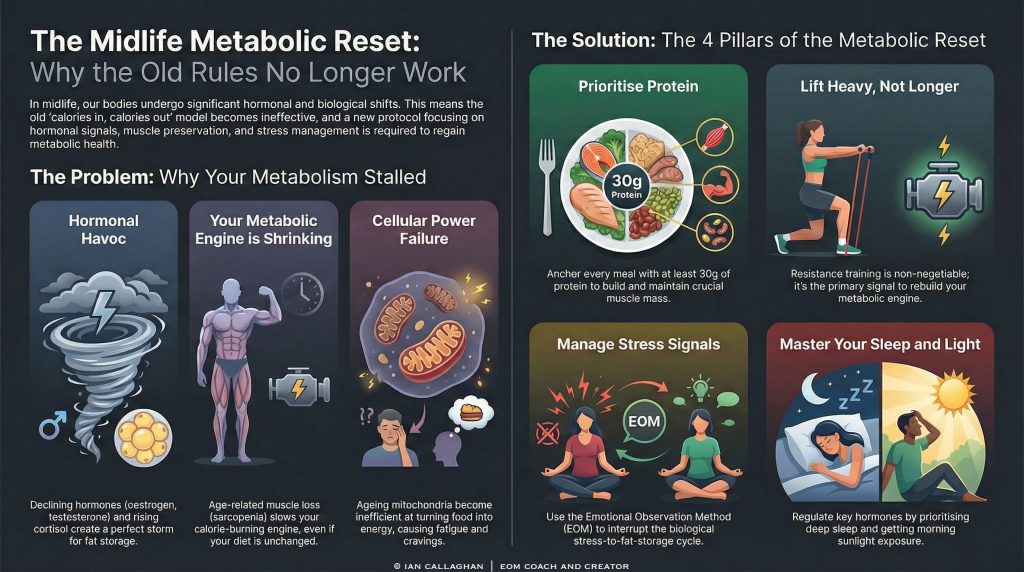
You are doing everything right. You are eating the same foods that kept you lean in your thirties. You are running the same routes, attending the same spin classes, and managing a workload that would crush a younger professional. Yet, the scales are creeping upward, your energy is plummeting, and the fat accumulating around your midsection seems resistant to every intervention.
This is not a failure of willpower. It is a physiological shift.
The “calories in, calories out” model that served you for decades has become obsolete. In midlife, the hormonal landscape shifts so drastically that your body begins to interpret the same inputs differently. Stress is no longer just stress; it is a signal to store visceral fat. A skipped meal is no longer a calorie deficit; it is a metabolic emergency signal.
To navigate this, we require a comprehensive Midlife Metabolic Reset Protocol. This is not a diet. It is a systemic recalibration of your biology, your nutrition, and your emotional relationship with stress.
This guide will provide a deep, granular analysis of why your metabolic engine has stalled and, more importantly, the precise mechanisms required to restart it. We will explore the critical role of the Emotional Observation Method (EOM), the necessity of muscle-centric medicine, and the nutritional nuances required to combat insulin resistance.
The Biological Reality: Why the Rules Changed
Before implementing the Midlife Metabolic Reset Protocol, one must understand the biological terrain. The frustration many feel arises from applying “Growth Phase” tactics (what worked at 25) to a “Preservation Phase” body (what is happening at 45+).
1. The Hormonal Cascade
Midlife is characterised by the decline of anabolic (building) hormones and the dominance of catabolic (breaking down) stress hormones.
Estrogen and Progesterone: For women, the decline of estrogen is metabolic dynamite. Estrogen is insulin-sensitising. As it wanes, the body becomes more insulin resistant, meaning it struggles to process carbohydrates effectively, shuttling them into fat storage rather than muscle energy. Furthermore, the drop in progesterone impacts sleep quality and increases anxiety, creating a vicious cycle of fatigue.
Testosterone: In both men and women, free testosterone levels drop. This hormone is essential for muscle protein synthesis and fat oxidation. Lower levels make it harder to build muscle and easier to accumulate adipose tissue.
Insulin: This is the master switch. After decades of carbohydrate consumption and stress, cellular receptors often become less sensitive to insulin. This condition, insulin resistance, means your pancreas must pump out massive amounts of insulin to lower blood sugar. Since insulin is a fat-storage hormone, high circulating levels make fat burning biologically impossible.
Cortisol: The stress hormone. In midlife, the “cortisol steal” phenomenon occurs. Because the body prioritises survival, it will steal precursor hormones to manufacture cortisol, leaving you with even lower levels of sex hormones. Chronically elevated cortisol specifically targets the abdominal area for fat storage because visceral fat has four times more cortisol receptors than subcutaneous fat.
2. Sarcopenia: The Silent Engine Killer
Metabolism is not a static number; it is largely dictated by your lean muscle mass. Muscle is a metabolically expensive tissue. It requires significant energy just to exist.
Starting in our 30s, but accelerating rapidly in our 40s and 50s, we experience sarcopenia—the involuntary loss of skeletal muscle mass. If you are not actively intervening with heavy resistance training, you are losing the very engine that burns calories. Most people do not gain fat because they are eating more; they gain fat because their engine has shrunk, but their fuel intake has remained constant.
3. Mitochondrial Efficiency
Inside every cell are mitochondria, the power plants that convert food into energy (ATP). As we age, mitochondrial density decreases and function becomes less efficient. This results in “metabolic inflexibility.” A healthy metabolism can switch easily between burning glucose and burning fat. A rigid, aged metabolism struggles to switch, leaving you tired (unable to access fat for fuel) and hungry (craving sugar for quick energy).
The Emotional Observation Method (EOM)
Most metabolic protocols fail because they ignore the operating system driving the machine: the human mind. You cannot fix a biological issue if the psychological triggers remain unaddressed. This is where the Emotional Observation Method (EOM) becomes critical.
EOM vs. The Emotional Operating System
It is vital to distinguish between the two:
The Emotional Operating System: This is your internal wiring—the subconscious patterns, trauma responses, and ingrained habits that dictate how you react to stress. In midlife, this system is often overloaded.
The Emotional Observation Method (EOM): This is the tool we use to interact with and regulate that system.
Why EOM Matters for Metabolism
When you encounter a stressor—a difficult email, a family conflict, a traffic jam—your emotional operating system often triggers a “fight or flight” response. This dumps glucose into the bloodstream for energy. If you do not physically fight or flee, that glucose is reabsorbed and stored as visceral fat.
The Emotional Observation Method creates a wedge between the stimulus and the response.
How to Practice EOM
Recognise the Shift: You feel the physical sensation of stress (tight chest, shallow breath, urge to snack).
Observe, Don’t Engage: Instead of saying “I am angry,” you say, “I am experiencing anger.” This linguistic shift moves you from the emotional centre of the brain to the prefrontal cortex (the analytical centre).
The Metabolic Pause: By observing the emotion rather than becoming it, you lower the sympathetic nervous system arousal. This prevents the cortisol spike.
Action: You choose a response that aligns with your Midlife Metabolic Reset Protocol, rather than a reaction that sabotages it.
Without EOM, you will likely fall victim to “stress eating,” which is actually a biological search for dopamine to counteract cortisol. EOM stops the cycle at the source.
Nutrition: The Fuel Recalibration
In the Midlife Metabolic Reset Protocol, we do not count calories; we count chemical signals. Food provides information to your cells. We need to send signals of safety and repair, not scarcity and stress.
1. Protein Anchoring
The most critical macronutrient for midlife is protein. Due to a phenomenon called “anabolic resistance,” an older body requires more protein to stimulate the same amount of muscle growth as a younger body.
The Protocol: You must consume a minimum of 30 grams of high-quality protein at every meal.
The Science: This reaches the “leucine threshold” required to trigger Muscle Protein Synthesis (MPS). If you eat 15g of protein, you get the calories, but you do not trigger the repair mechanism. You must hit the threshold.
Sources: Lean beef, poultry, fish, eggs, and high-quality plant isolates.
2. Carbohydrate Periodisation
We are not eliminating carbohydrates, but we are earning them. Given the insulin resistance common in this demographic, carbohydrates should be viewed as high-octane fuel to be used only when the engine is running hot.
Timing: Consume the majority of your carbohydrates after exercise. This is when your muscles act like a sponge, soaking up glucose for glycogen replenishment without requiring massive insulin spikes.
Type: Focus on fibrous, complex carbohydrates (cruciferous vegetables, berries, legumes) that have a blunted glycemic response.
The “Naked Carb” Ban: Never eat carbohydrates alone. Always pair them with protein, fat, or fibre to flatten the glucose curve.
3. Fats for Hormonal Health
Low-fat diets are disastrous for midlife. Steroid hormones (testosterone, estrogen, cortisol) are made from cholesterol. If you starve your body of healthy fats, you starve your hormonal production.
As we age, our thirst mechanism blunts. We become dehydrated without realising it. Furthermore, if you lower carbohydrates, your kidneys excrete more electrolytes.
Protocol: Aim for 3 litres of water daily, supplemented with magnesium, potassium, and sodium. Magnesium is particularly vital for cortisol regulation and sleep quality.
Movement: Building the Metabolic Armour
If nutrition is the fuel, movement is the architecture. The standard advice of “move more” is insufficient. We need specific stimuli to counteract sarcopenia and hormonal decline.
1. Resistance Training: The Non-Negotiable
You cannot cardio your way out of a midlife metabolic slowdown. Excessive steady-state cardio (long runs) can actually increase cortisol, exacerbating muscle loss and belly fat retention.
The Goal: Hypertrophy (muscle growth) and Strength.
Frequency: 3 to 4 sessions per week.
Intensity: You must lift heavy enough to reach momentary muscular failure or close to it. This mechanical tension is the signal your body needs to keep muscle tissue.
Focus: Compound movements (squats, deadlifts, presses, rows) that recruit maximum muscle fibres.
2. NEAT (Non-Exercise Activity Thermogenesis)
While gym sessions build the engine, NEAT burns the fuel. This refers to all movement that isn’t sleeping or structured exercise—walking, typing, cleaning, fidgeting.
The Midlife Drop: We tend to become more sedentary as we advance in our careers.
The Protocol: Aim for 8,000 to 10,000 steps daily. This keeps lipoprotein lipase (an enzyme that breaks down fat) active. Sitting for prolonged periods shuts this enzyme off.
3. High-Intensity Interval Training (HIIT) – Use With Caution
HIIT is effective for mitochondrial biogenesis (creating new mitochondria), but it is very taxing on the central nervous system.
Dosage: Maximum 1-2 sessions per week.
Ratio: Short bursts of maximum effort (20 seconds) followed by long recovery (2 minutes). We want power output, not exhaustion.
You cannot reset your metabolism if you are sleeping poorly. Sleep is when the “glymphatic system” cleans the brain of toxins and when growth hormone is released to repair tissue.
1. The Cortisol-Melatonin Axis
Cortisol and melatonin are antagonists. When one is high, the other is low. In a healthy cycle, cortisol peaks in the morning (waking you up) and bottoms out at night. In midlife, this often inverts—you are tired in the morning and wired at night.
2. Light Hygiene
Morning: View natural sunlight within 30 minutes of waking. This sets the circadian clock and triggers the morning cortisol pulse, which sets you up for better sleep 16 hours later.
Evening: Block blue light (screens, LEDs) two hours before bed. Blue light suppresses melatonin production, tricking your body into thinking it is noon.
3. The Glycemic Impact of Sleep Loss
A single night of partial sleep deprivation can induce a temporary state of pre-diabetes. Your cells become insulin resistant, and your hunger hormone (ghrelin) spikes while your satiety hormone (leptin) crashes. This is why you crave carbohydrates after a bad night’s sleep. Prioritising sleep is a metabolic intervention.
The 4-Phase Midlife Metabolic Reset Protocol
Implementing all these changes at once can be overwhelming and trigger the very stress response we are trying to avoid. We break the protocol down into four distinct phases.
Phase 1: The inflammatory Detox (Weeks 1-2)
Goal: Lower systemic inflammation and stabilise blood sugar.
Nutrition: Eliminate alcohol, added sugars, and processed grains entirely. Focus on whole foods.
Movement: Focus strictly on walking (NEAT) and mobility work. No high-intensity training yet. Allow the body to lower cortisol.
Lifestyle: Implement a strict 10:00 PM bedtime.
EOM Focus: Begin logging emotional triggers for food cravings.
Phase 2: The Metabolic Wake-Up (Weeks 3-6)
Goal: Introduce insulin-sensitising habits and muscle stimulation.
Nutrition: Introduce “Time Restricted Feeding” (12-14 hour fasting window). Start hitting the 30g protein threshold at every meal.
Movement: Introduce Resistance Training (2 days/week). Focus on form and neural activation.
Supplementation: Start Magnesium Glycinate and Vitamin D3 (after testing levels).
Phase 3: The Engine Build (Weeks 7-12)
Goal: Maximal muscle growth and metabolic flexibility.
Nutrition: Carbohydrate cycling. Eat carbs only on training days.
Movement: Increase Resistance Training to 3-4 days/week. heavy lifting. Add 1 HIIT session.
EOM Focus: Use EOM to manage the stress of increased physical demand. Ensure recovery is prioritised.
Phase 4: Maintenance and Optimisation (Ongoing)
Goal: Sustainable lifestyle integration.
The 80/20 Rule: 80% adherence to the protocol allows for 20% flexibility.
Monitoring: Use biofeedback (energy levels, sleep quality, waist-to-height ratio) rather than just the scale to measure success.
Troubleshooting the Reset: Why You Might Stall
Even with a robust Midlife Metabolic Reset Protocol, plateaus occur. Here are the common culprits and how to address them.
1. Under-eating Protein
Many people think they are eating “high protein” when they are actually eating high fat. A handful of nuts is a fat source, not a protein source. Track your protein intake for a week. If you are not hitting 1.6g to 2.2g per kg of body weight, you are under-fuelled for adaptation.
2. “Hidden” Stress
You might be eating perfectly and training hard, but if you are chronically anxious about politics, finances, or family, your cortisol remains high. Your body cannot distinguish between a famine and a deadline. This is where mastering the Emotional Observation Method is the dealbreaker. You must actively downregulate your nervous system through breathwork, meditation, or simply spending time in nature.
3. Alcohol: The Metabolic Brake
In midlife, alcohol metabolism changes. The liver prioritises breaking down ethanol over everything else. This halts fat burning completely. Furthermore, alcohol increases estrogen (worsening dominance) and decreases testosterone. Even “moderate” drinking can derail a metabolic reset. During the initial 12 weeks, total abstinence is recommended.
4. Gut Health Dysbiosis
Years of antibiotic use, stress, and poor diet can alter the gut microbiome. Certain bacteria (Firmicutes) are better at extracting calories from food than others. If your gut is inflamed, you are absorbing fewer nutrients and generating systemic inflammation. Including fermented foods (sauerkraut, kimchi, kefir) and prebiotic fibres is essential.
Advanced Strategies: Supplements and Biohacks
While whole foods and movement are the foundation, certain supplements can act as catalysts for the Midlife Metabolic Reset Protocol.
Creatine Monohydrate: Not just for bodybuilders. It improves cellular hydration, supports ATP production (energy), and improves cognitive function. It is essential for preserving muscle in midlife.
Berberine: Often called “nature’s Metformin.” It activates AMPK, an enzyme that regulates metabolism, helping to lower blood glucose and improve insulin sensitivity.
Adaptogens (Ashwagandha/Rhodiola): These herbs help the adrenal system manage the stress response, potentially lowering cortisol levels.
Cold Exposure: Cold plunges or cold showers can stimulate Brown Adipose Tissue (BAT). Unlike white fat (storage), brown fat generates heat and burns calories. It also improves insulin sensitivity.
Case Study: The “Busy Executive” Pivot
To illustrate the power of this protocol, consider the case of “Sarah,” a 48-year-old marketing director.
The Profile:
Symptoms: Gained 15lbs in two years despite no diet change. Waking up at 3 AM. Afternoon energy crash. “Brain fog.”
Current Routine: Coffee for breakfast, salad for lunch, heavy pasta dinner with wine. 45 minutes of spinning 3x a week.
The Diagnosis: Severe cortisol dysregulation, insulin resistance, and protein malnutrition.
The Intervention:
Diet: We removed the morning coffee on an empty stomach (which spikes cortisol) and replaced it with a savoury high-protein breakfast (eggs and salmon). Wine was removed for 30 days. Dinner carbs were swapped for roasted vegetables.
Movement: We cancelled the spin class. It was just creating more stress. Replaced with heavy weight lifting 3x a week and daily 20-minute walks after dinner (to lower post-meal blood sugar).
Mindset: Sarah used the Emotional Observation Method to identify that her 3 PM sugar craving was actually boredom and decision fatigue, not hunger. She replaced the snack with a 5-minute breathing break.
The Result: In 12 weeks, Sarah lost 12lbs of fat (specifically from the waist), but more importantly, her sleep stabilised, and her brain fog vanished. She ate more food but changed the chemical signal of that food.
Conclusion: Reclaiming Your Metabolic Sovereignty
The narrative that midlife inevitably leads to decline, weight gain, and fatigue is false. It is common, but it is not normal. It is a symptom of a mismatch between our modern environment and our changing biology.
The Midlife Metabolic Reset Protocol is an invitation to stop fighting your body. Stop trying to starve it into submission with 1,200-calorie diets. Stop trying to punish it with excessive cardio. Instead, listen to the signals.
You must realise that your body is currently in a state of high alert. It is trying to protect you by storing energy and downregulating expensive processes like muscle building. To change the outcome, you must change the input. You must convince your body that it is safe, well-fuelled, and strong.
By integrating the Emotional Observation Method to manage stress, prioritising protein to build the engine, and lifting heavy things to demand adaptation, you can not only halt the slide—you can reverse it. You can enter your 50s and 60s with more metabolic flexibility, energy, and strength than you had in your 30s.
It requires precision. It requires consistency. But the biology is clear: you have the capacity to reset. The protocol is in your hands; the execution is up to you.
Frequently Asked Questions (FAQ)
Q: Can I follow this protocol if I am on Hormone Replacement Therapy (HRT)? A: Absolutely. In fact, HRT often works synergistically with this protocol. HRT can help mitigate some of the hormonal valleys (like low estrogen), making the muscle-building and insulin-sensitising aspects of the protocol even more effective. However, HRT is not a magic bullet; the nutrition and movement pillars remain essential.
Q: How long does it take to see results? A: Metabolic healing is slower than crash dieting. You may not see a drop on the scale for the first 3-4 weeks as your body repairs inflammation and builds muscle tissue (which is denser than fat). However, energy levels and sleep usually improve within 10 days. Visceral fat reduction typically becomes noticeable around week 6-8.
Q: Do I really need to give up cardio? A: You do not need to give it up entirely, but you must re-prioritise. If you have 5 hours a week to exercise, 3-4 of them should be resistance training. Cardio should be used for heart health and recovery, not as the primary driver of fat loss. Walking is the best form of cardio for this protocol as it does not spike cortisol.
Q: Is Intermittent Fasting required? A: No, but Time Restricted Feeding (TRF) is recommended. A simple 12-hour window (e.g., finish dinner by 7 PM, breakfast at 7 AM) gives your digestive system a break and allows for cellular cleanup (autophagy) without the stress of prolonged fasting, which can sometimes backfire in women by spiking cortisol.
Q: What if I am vegan? A: The protocol is harder but possible. You must be extremely diligent about protein intake. You will likely need to supplement with pea or rice protein isolates to hit the 30g per meal threshold without consuming excessive carbohydrates. You must also supplement B12, iron, and potentially creatine.
Q: How does EOM differ from meditation? A: Meditation is a practice often done in a quiet, dedicated space. EOM (Emotional Observation Method) is a real-time tactical tool used in the “heat of battle.” It is applied the moment you feel stress or a craving. It is active engagement with the emotional operating system, whereas meditation is often passive observation or clearing of the mind.
Q: Why is “Midlife” defined as a metabolic shift rather than an age? A: Chronological age differs from biological age. Some individuals experience perimenopausal symptoms or testosterone drops in their late 30s; others in their early 50s. The protocol applies whenever you notice the classic signs: unexplainable weight gain, fatigue, and reduced stress resilience.
Your Second Brain: Five Surprising Ways Your Gut Dictates Your Mood
Introduction: The Unseen Architect of Your Mood
If you have ever felt persistently low, anxious, or just mentally foggy, you have likely sought the answer within the confines of your own head. We instinctively treat our mental and emotional states as purely psychological phenomena, governed by the complex wiring of our brains. We might blame stress, lack of sleep, or life circumstances, assuming the solution lies in therapy or a change of scenery. This perspective, however, misses a fundamental and powerful truth about human biology.
The real answer to these feelings often lies not in the head, but in a place we rarely associate with our emotions: the gut. Decades of mounting scientific evidence have revealed that the gastrointestinal tract is far more than a simple digestive tube. It houses a complex neural network so vast and influential that it has earned the nickname the “second brain.” This enteric nervous system is in constant, direct communication with our primary brain, creating a profound gut-brain connection that shapes our thoughts, feelings, and overall mental resilience.
This article will pull back the curtain on this unseen architect of your mood. Based on the latest understanding of nutritional neuroscience, we will explore five surprising and powerful ways your gut health dictates your mental and emotional state. By understanding these mechanisms, you can begin to see your plate not just as a source of energy, but as the most powerful tool you have for reclaiming your mind.
——————————————————————————–
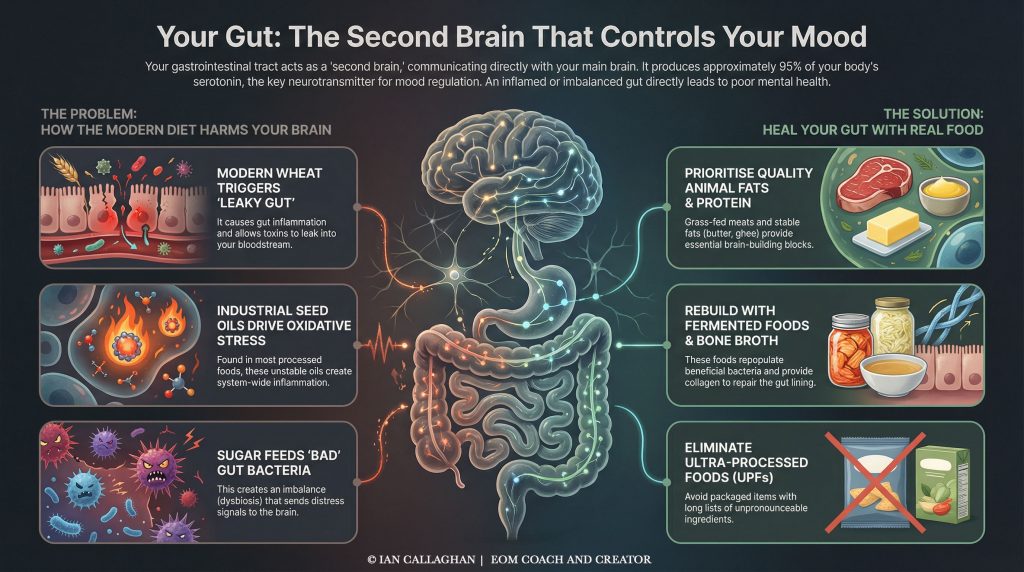
1. The Happiness Heist: Why 95% of Your Mood Is Manufactured in Your Gut
When we talk about mood, the first chemical that comes to mind is often serotonin. Popularly known as the “happy chemical,” serotonin is the neurotransmitter responsible for regulating feelings of well-being, calmness, and emotional stability. It is the target of many common antidepressant medications, which are designed to increase its availability in the brain. But what if the brain is not the main place where serotonin is made?
The science is unequivocal: the vast majority of your body’s serotonin is produced in your gut. The enteric nervous system, the intricate web of neurons lining your gastrointestinal tract, serves as the body’s primary manufacturing hub for this critical neurotransmitter. In fact, approximately 95 per cent of the body’s serotonin is produced in the gut, not the brain. This single statistic fundamentally reframes our entire understanding of mental health. It shifts the epicentre of mood regulation from a psychological issue to a gastrointestinal one.
This connection is not abstract; it is physical. The gut and brain are directly linked by the vagus nerve, a vast bidirectional “information superhighway.” This nerve acts as a fibre-optic cable, constantly relaying information about the state of the gut directly to the brain. When the gut is inflamed, irritated, or in a state of dysbiosis, the vagus nerve transmits a ceaseless stream of distress signals upwards. The brain receives this data and interprets it as a systemic crisis, resulting in feelings of anxiety, low mood, and fatigue. An inflamed gut, therefore, directly and unavoidably creates an inflamed and poorly functioning brain.
To understand this dependency, consider the “metropolitan power grid” analogy. Think of your mood as the lights of a bustling city (your brain). For the lights to shine brightly and consistently, they need a reliable supply of electricity. While the lights are in the city, the massive power plant that generates 95% of the electricity (serotonin) is located far away in the industrial district (your gut). If that power plant is poorly maintained, damaged by “corrosive spills” (inflammatory foods), or lacks the necessary fuel (amino acids) from quality protein, the city will inevitably experience a blackout. Your mood darkens not because the wiring in the city is faulty, but because the source of its power has been cut off. Healing your mind, therefore, must begin with repairing the power plant.
——————————————————————————–
2. The Gluten Glitch: How Modern Wheat Opens the Floodgates to Your Brain
For many people, the idea that a piece of toast could be linked to anxiety or depression seems far-fetched. Yet, the connection between modern wheat consumption and mental health is becoming increasingly clear, and the mechanism is rooted in a single, disruptive protein: zonulin. The wheat we consume today is not the same as the ancestral grain our great-grandparents ate. It is a modern, hybridised crop, engineered for high yields and high gluten content. This modification has come at a significant biological cost.
These modern wheat varieties contain high levels of specific proteins that trigger the release of zonulin in the gut. Zonulin is a protein that acts as a master regulator for the “tight junctions” of your intestinal lining. These junctions are microscopic gateways between the cells of your gut wall, designed to remain tightly sealed to keep the contents of your digestive system contained while allowing only fully digested nutrients to pass through into the bloodstream.
When zonulin is released in excess, it acts like a key that unlocks these gateways, causing the tight junctions to open. This creates a condition known as intestinal permeability, or “leaky gut.” When the gut lining is breached in this way, undigested food particles, bacterial toxins, and other inflammatory molecules can “leak” directly from your intestines into your bloodstream. Your immune system, correctly identifying these particles as foreign invaders, launches a full-scale attack, resulting in systemic inflammation that travels throughout your entire body.
This is where the connection to mental health becomes direct and alarming. This wave of systemic inflammation is capable of crossing the highly selective blood-brain barrier, the protective membrane that shields the brain from pathogens and toxins. When inflammatory molecules breach this barrier, they trigger an “immune assault” on the brain itself, leading to a state of neuro-inflammation. The most common and immediate symptom is “brain fog”—that familiar feeling of mental slowness, confusion, and an inability to concentrate. Crucially, this state of chronic brain inflammation also sabotages the delicate biochemical environment required for mood regulation, contributing to the decline of serotonin production and further destabilising your emotional state. This is not a psychological failing; it is a physiological state of brain inflammation.
“Many people who cut out wheat find that their ‘brain fog’ lifts within days. It is not magic; it is simply the cessation of an immune assault on your own system.”
The “high-security fence” analogy helps to illustrate this process perfectly. Imagine your intestinal lining is a high-security fence designed to protect a city, letting in only authorised supply trucks. Zonulin acts like a faulty remote control that is being constantly pressed, accidentally leaving the security gates wide open. With the gates breached, intruders (toxins and undigested food) rush into the city, causing the security team (the immune system) to go into a frantic, city-wide state of high alert. This chaos eventually reaches the city’s “headquarters” (the brain), clouding its ability to process information and disrupting the production of its most vital resource: serotonin.
——————————————————————————–
3. The Seed Oil Sabotage: Are “Healthy” Vegetable Oils Destroying Your Brain Fuel?
For decades, we have been told to replace traditional animal fats like butter and tallow with “heart-healthy” vegetable oils. Walk down any supermarket aisle, and you will find products proudly advertising that they are made with rapeseed, sunflower, soybean, or corn oil. These industrial lubricants masquerading as food are ubiquitous, found in everything from crisps and biscuits to salad dressings and ready meals. Yet, these oils, often marketed as a cornerstone of a healthy diet, may be one of the most destructive components of the modern food environment, particularly for your gut and brain.
The core problem lies in their chemical structure. Industrial seed oils are composed of highly unstable polyunsaturated fatty acids (PUFAs). Unlike stable saturated fats from animal sources, PUFAs oxidise (go rancid) very easily when exposed to heat, light, or oxygen. The industrial process of extracting these oils involves high heat and chemical solvents, meaning they are often already oxidised before they even reach the bottle. When you consume these products, you are ingesting rancid, inflammatory oils that drive significant oxidative stress in the gut lining from the moment they pass your lips.
This constant state of inflammation has a devastating consequence for your microbiome: it sabotages its ability to produce essential compounds your brain needs to thrive. A healthy gut microbiome ferments dietary fibre into short-chain fatty acids (SCFAs), and the most important of these for brain health is butyrate. This is not a minor detail; the brain requires butyrate to function correctly. It is a critical fuel source that supports cognitive function, neuronal health, and mental clarity. When the gut is chronically inflamed by seed oils, the beneficial bacteria responsible for producing butyrate are suppressed. Production grinds to a halt, effectively starving the brain of one of its most vital fuels and leading directly to impaired cognitive function.
“If there is one thing you take away from my forty years of experience, let it be this: ditch the seed oils. Rapeseed oil, sunflower oil, soybean oil, and corn oil are industrial lubricants masquerading as food.”
The “high-performance computer” analogy helps clarify the danger. Think of your brain as a sophisticated, high-performance computer and the fats you eat as its internal hardware components. Stable, traditional animal fats are like high-quality, manufacturer-approved gold circuits that keep the system running cool, fast, and efficiently. Industrial seed oils, in contrast, are like corroded, overheating scrap parts. When you build your computer with these faulty components, the internal temperature rises (inflammation), the power supply (butyrate and serotonin) becomes erratic, and the entire system begins to lag, glitch, and eventually crash. To restore performance, you must stop installing the scrap parts and start using the high-quality hardware your system was designed for.
——————————————————————————–
4. The Sugar Trap: How Sweets Feed the “Bad Guys” in Your Gut
Sugar and refined carbohydrates are well-known for their negative effects on metabolic health, but their impact on mental well-being is just as profound and operates through a direct assault on the gut microbiome. The delicate ecosystem of trillions of bacteria in your gut is highly competitive. Different species have different dietary preferences, and what you choose to eat determines which groups thrive and which are suppressed.
Sugar is the preferred fuel source for pathogenic bacteria and yeasts, such as Candida. When your diet is high in sugar and refined carbohydrates, you are selectively feeding these “bad guys,” allowing them to multiply rapidly. As their populations explode, they begin to crowd out the beneficial bacteria—the species responsible for protecting the gut lining, synthesising essential vitamins, and producing the neurotransmitters that regulate your mood. This hostile takeover creates a state of imbalance known as dysbiosis.
A gut in a state of dysbiosis is not a silent problem. This imbalanced microbial community sends a constant stream of “distress signals” up to the brain via the vagus nerve. The brain interprets this incoming data as a sign that something is critically wrong in the body’s core operating system. Clinically, this chronic state of alarm can manifest as persistent feelings of anxiety and depression. Your mind is, in effect, accurately reflecting the biological chaos occurring in your gut.
This disruption also directly impacts your brain’s chemical balance. A healthy microbiome is essential for maintaining what can be called the “biochemistry of happiness.” The beneficial bacteria crowded out by sugar are the very ones that play a crucial role in the production of serotonin. A gut dominated by pathogenic species simply cannot sustain the biochemical environment needed for stable mood and motivation. You are, quite literally, starving the good bacteria that manufacture your happiness while feeding the bad bacteria that create feelings of distress.
The “sensitive organic garden” analogy effectively captures this dynamic. Imagine your microbiome as a meticulously tended organic garden, designed to produce a rich harvest of nutrients for the “headquarters” (the brain). Sugar and seed oils act like ‘corrosive chemical runoff’ that continuously floods the garden. This toxic runoff poisons the soil (the gut environment) and selectively kills off the beneficial plants while allowing aggressive weeds (pathogenic bacteria) to take over. Once the soil is contaminated and the beneficial plants are gone, the garden can no longer produce its intended “harvest” of butyrate and serotonin, leaving the headquarters undersupplied and malfunctioning.
——————————————————————————–
5. The Ancient Solution: Using “Biological Sealant” to Repair Your Gut-Brain Connection
After understanding the relentless assault of the modern diet on our gut lining and microbiome, the path to healing may seem daunting. However, the solution is not found in a futuristic drug but in an ancient, traditional food that our ancestors understood intuitively. Within the Paleo framework, which emphasises biologically appropriate foods for human health, bone broth stands out as the “ultimate gut-healing superfood.”
Its power lies in its unique concentration of reparative nutrients, chief among them collagen, glycine, and especially glutamine. While all are beneficial, glutamine plays a particularly critical role in gut repair. It serves as the primary fuel source for the enterocytes—the cells that make up the lining of your gut. By providing these cells with their preferred energy, you empower them to regenerate, maintain their integrity, and perform the essential repair work needed to undo the damage caused by years of inflammatory foods.
Crucially, bone broth serves as the direct antidote to the problems detailed earlier. Its rich supply of glutamine and collagen provides the exact building blocks needed to “seal the tight junctions” of the gut lining. This act directly reverses the damage caused by the wheat-induced zonulin release described in section two, patching the holes in the gut’s protective barrier. By repairing the physical integrity of the gut, bone broth stops the leakage of undigested food and toxins into the bloodstream, halting the primary driver of systemic inflammation.
This act of sealing the gut has profound downstream benefits for the brain. Halting the source of systemic inflammation prevents inflammatory molecules from crossing the blood-brain barrier. This helps to clear the persistent brain fog that plagues so many and reduces the neuroinflammation that contributes to mood instability. Furthermore, a healed gut provides a stable, healthy environment where beneficial bacteria can once again thrive. With the pathogenic “weeds” cleared and the integrity of the gut wall restored, the microbiome can get back to its most important job: manufacturing the 95% of your body’s serotonin required for a calm and resilient mind.
The “meticulously woven filter” analogy provides a clear picture of this healing process. Think of your gut lining as a fine, meticulously woven filter designed to keep debris out of your body’s “bloodstream plumbing” while allowing pure nutrients to pass through. Corrosive chemicals like sugar and wheat effectively burn holes in this filter, allowing waste and contaminants to pollute the entire system. Bone broth acts as a “high-grade liquid sealant.” It delivers the specific “patching material” (glutamine and collagen) needed to expertly mend those holes, restoring the filter to perfect working order and ensuring that the “headquarters” (the brain) receives a clean, unpolluted supply of fuel.
——————————————————————————–
Take Control of Your Plate to Reclaim Your Mind
The evidence is clear and compelling: your mental well-being is not an isolated phenomenon that occurs exclusively between your ears. It is deeply and inextricably rooted in the health of your gastrointestinal system. The modern diet, with its reliance on inflammatory wheat, toxic seed oils, and microbiome-disrupting sugar, has declared war on our gut, and our minds are suffering the collateral damage. We have been led to believe that feelings of anxiety, depression, and brain fog are personal failings, when they are often the predictable biological consequences of poisoning our “second brain.”
But this understanding is not a cause for despair; it is a source of immense empowerment. Healing is not only possible but also profoundly straightforward. The solution does not lie in a complex prescription, but in a return to the simple, nourishing principles of our ancestral past. By systematically removing the primary antagonists—wheat, seed oils, and sugar—and actively nourishing the gut with real, nutrient-dense foods like those found in a Paleo framework, you can reverse the damage.
When you prioritise stable animal fats, quality animal protein, and gut-healing superfoods like bone broth, you do more than just improve your physical health. You are providing your body with the raw materials it needs to extinguish the fires of inflammation, seal the protective barrier of your gut, and cultivate a thriving internal ecosystem. You are creating the conditions necessary for your own biology to produce the very biochemistry of happiness. The connection between what is on your plate and what is in your mind is the most powerful tool you have. What could your next meal do for your mental health?
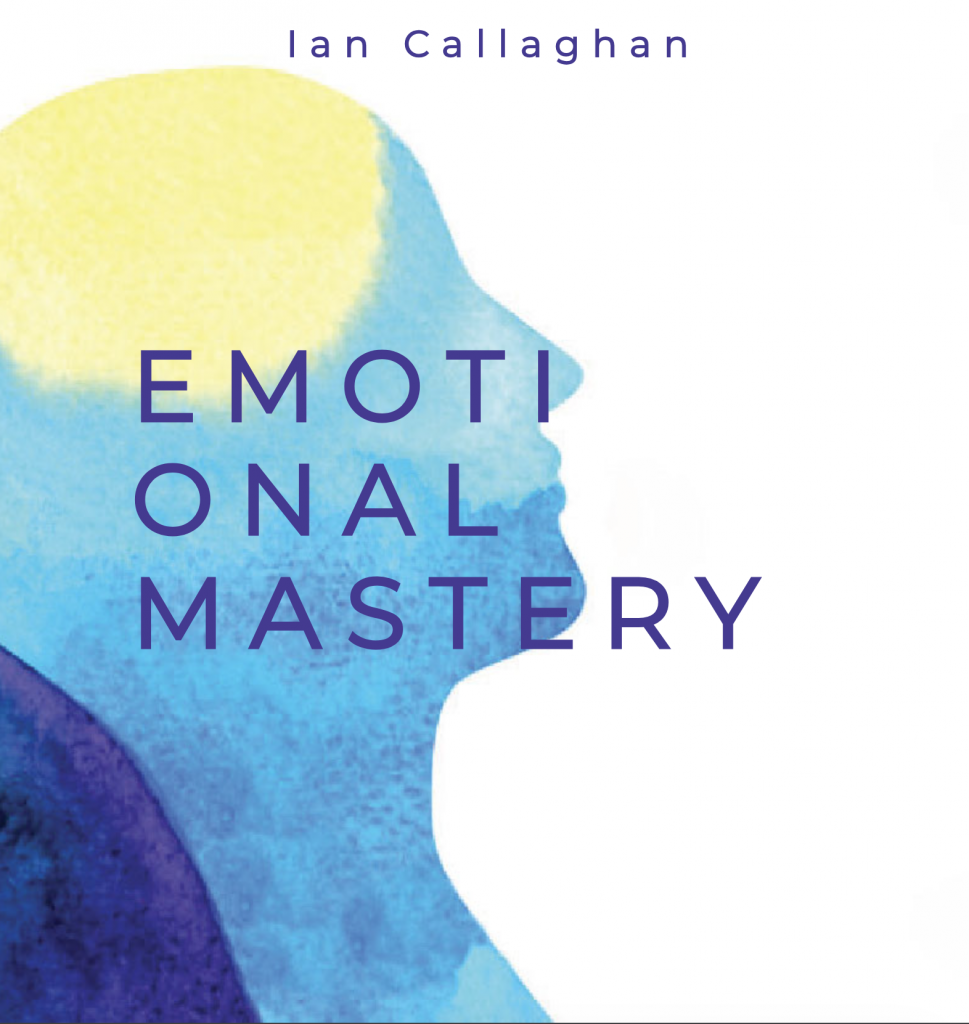
The Emotional Mastery book is a practical manual for understanding and regulating the human nervous system using the Emotional Operating System framework.
Instead of analysing emotions or retelling your past, the Emotional Mastery book teaches you how to read emotional states as system feedback, identify overload, and restore stability under pressure.
No labels. No therapy-speak. No endless healing loops. Just a clear, operational approach to emotional regulation that actually holds when life applies load.
Semaglutide (Ozempic) and Alcohol: Is This Quick Fix a Dangerous Trap?
Let’s talk about Ozempic and Alcohol. Ozempic, a drug that’s become a household name, is plastered all over social media. Initially, it was for Type 2 diabetes, a vital medication for millions. Now, it’s being hailed by some as a miracle weight loss solution, even a potential shortcut to cutting back on booze. The conversation has shifted from medical necessity to cultural trend, driven by relentless TikTok testimonials and celebrity endorsements that promise effortless transformation. But for me, and for many others who’ve walked the long, hard road of real change—the journey of building inner resilience and self-awareness—this perceived “game changer” feels less like a miracle and more like a dangerous gamble with profound ethical and psychological costs.
The internet is awash with sensational headlines: “Ozempic curbs alcohol cravings,” “Semaglutide for addiction,” “Ozempic weight loss breakthrough.” Sounds incredibly tempting, doesn’t it? A pill, or a weekly injection, designed to chemically silence the “food noise” or the relentless urge for a drink, bypassing the struggle entirely. But what’s the real cost of this apparent ease? How does the body and mind cope when dependence shifts from a substance to a sophisticated pharmaceutical intervention? And crucially, what happens when the fancy designer drug runs out, or worse, stops working, leaving the user with all their original issues and a sense of learned helplessness?
The Ozempic Hype: What’s Really Going On?
Ozempic, which uses the active ingredient semaglutide, works by mimicking a naturally occurring gut hormone called Glucagon-like peptide-1 (GLP-1). This hormone acts on multiple systems: it tells your brain you’re full, slows down gastric emptying (which literally makes you feel satisfied for longer), and helps regulate blood sugar. For people with Type 2 diabetes, where GLP-1 pathways are often impaired, it is truly a lifeline medication essential for managing a life-threatening chronic condition. For others, it’s become an off-label ticket to rapid, seemingly effortless weight loss.
Here’s the kicker that has captivated the recovery community: some users spontaneously report that Ozempic also dampens cravings for alcohol, nicotine, and even obsessive behaviours like gambling or shopping. Studies are actively looking into this phenomenon, suggesting that semaglutide might act on the brain’s mesolimbic pathway—the reward system. By subtly dialling down the immense dopamine hit you get from addictive behaviours, the drug makes the reward feel less rewarding. For someone desperate to quit drinking, that sounds like a dream come true: a chemical crutch that removes the sheer force of desire.
The Illusion of Sobriety: A Chemical Bypass, Not a Cure
But let’s be blunt: real sobriety, genuine, lasting recovery, is not about simply removing the desire for a drug. It is a fundamental process of changing your entire relationship with the substance, addressing the underlying trauma or pain that fueled the addiction, and painstakingly building emotional resilience. When a drug suppresses the craving, it prevents the user from developing the skills needed to navigate triggers, manage stress without numbing, or cope with uncomfortable feelings. This isn’t a shortcut; it’s a bypass. And while a bypass can temporarily skirt traffic, when you eventually hit the open road again, you are unprepared for the speed and obstacles. A bypass avoids the necessary work of building a sober identity, and these detours often lead to dead ends.
Can You Actually Drink Alcohol While Taking Ozempic?
People also ask: Is it safe to drink alcohol with Ozempic?
The official line is that there is no direct, chemical interaction between Ozempic (semaglutide) and ethanol. You won’t find a black-and-white warning prohibiting the combination. However, that lack of a direct prohibition absolutely does not mean it’s a free pass. Both Ozempic and alcohol impose a significant strain on the gastrointestinal system and blood sugar regulation, and when combined, these effects are often amplified dramatically. Both can cause or exacerbate nausea, vomiting, stomach upset, and gastric reflux. Moreover, both alcohol and semaglutide have the potential to cause low blood sugar (hypoglycemia), especially if you are taking other diabetes medications like insulin or sulfonylureas. Mixing them can exponentially increase the risk of a severe hypoglycemic episode. Imagine battling the debilitating Ozempic-induced nausea and vomiting with a crushing hangover on top—it is certainly not a recipe for a successful, healthy lifestyle.
Amplified Health Risks: Pancreatitis and Organ Damage
Beyond the immediate discomfort, heavy or long-term alcohol use while on Ozempic could significantly increase your risk of serious, even life-threatening, complications. The most prominent concern is pancreatitis, which is acute inflammation of the pancreas. GLP-1 analogues have been associated with an increased risk of pancreatitis in some patients, and excessive alcohol consumption is one of the leading causes of the condition. Combining these two factors is like stacking two major risks on top of each other. Pancreatitis is marked by severe, debilitating abdominal pain that often radiates to the back, and it requires immediate medical attention. Furthermore, consistent alcohol consumption actively works against your goals in two ways: it delivers empty calories, halting weight loss progress, and it increases the risk of acute kidney injury, a risk already mentioned in relation to semaglutide. It’s the definition of a counterproductive regimen: taking two steps forward chemically, only to take three steps back behaviorally.
The Elephant in the Room: Shortages and Ethics
Here’s where the topic moves from personal health choices to a profound societal and ethical dilemma. Ozempic is fundamentally a diabetes drug, a necessary tool for millions of people managing a serious metabolic disorder. Its active ingredient, semaglutide, is approved for weight loss under the brand name Wegovy, which uses a higher dose. But because Wegovy has been chronically in short supply, and Ozempic is often cheaper or more readily covered by insurance due to its primary indication, many people are getting Ozempic prescribed off-label solely for cosmetic or general weight loss.
People also ask: Why is there an Ozempic shortage for diabetics?
This overwhelming surge in off-label use, fueled by media hype and consumer demand, has created a significant and devastating global shortage. This shortage makes it incredibly difficult for actual Type 2 diabetes patients to consistently get the medication they need to manage their life-threatening, often life-altering, condition. We are talking about real people whose health is genuinely at risk—struggling to get essential, maintenance medication because of a trend. That’s not merely unfortunate; it is, quite frankly, an ethical catastrophe that demands critical reflection. It highlights a dangerous societal obsession with quick fixes for weight, often prioritised at the expense of those truly in clinical need. Are we, as a society, prioritising cosmetic desires over genuine medical necessity? The situation certainly feels like a dark reflection of our healthcare priorities.
The Dark Side of the Quick Fix: Compounding Pharmacies
The pressure created by the official shortage has pushed consumers toward compounding pharmacies. These pharmacies legally create customised versions of drugs, but because compounded semaglutide is not the FDA-approved product, there are no guarantees regarding its sterility, quality, or true dosage. Users often rely on this unregulated, cheaper alternative to maintain their weight loss, exposing themselves to unknown risks and further muddying the waters of ethical prescription practices. This desperate rush for an easy solution, even if sourced dubiously, underscores the illusion of the quick fix as a trap.
The Long Road: What Happens When You Stop?
So, let’s assume you’ve used Ozempic successfully to drop some weight, or perhaps curb your impulsive drinking habits. What’s the maintenance plan? This isn’t a drug you take for a few months and then declare victory. Sustained weight loss and maintaining any reduction in cravings requires continuous use because the drug is managing a physiological response, not curing the underlying condition.
People also ask: What happens when you stop Ozempic?
The moment the medication is discontinued, the pharmacological effects reverse. It’s important to clarify that this is typically not a “withdrawal” in the traditional sense of chemical dependence and physical pain. Instead, it is a return to your original baseline metabolism and neurochemistry. Appetite and cravings typically return, often “with a vengeance,” because the brain’s suppressed reward pathways reawaken, and the physical mechanisms that slow digestion normalise. Studies show that most people regain about two-thirds of the weight they lost within a year of stopping the medication. For diabetics, blood sugar levels will likely spike back to pre-treatment levels.
The Psychological Fallout of the Rebound
This physiological rebound carries a massive psychological toll. This isn’t a magic wand; it’s a powerful crutch that, once removed, leaves you right back where you started, if not worse off. The user hasn’t built the internal tools to cope with food noise or drinking triggers. The weight regain often results in crushing shame, a sense of personal failure, and learned helplessness, reinforcing the initial belief that they cannot achieve sustainable change without pharmaceutical assistance. You haven’t addressed the root causes of your overeating or your reliance on alcohol—you’ve only chemically paused the symptoms.
The Unseen Scars: Mental Health and Long-Term Risks
Beyond the physical, there’s a growing and deeply concerning conversation about the mental health impacts associated with GLP-1 analogues. Some users report what has been informally dubbed “Ozempic personality,” experiencing increased anxiety, depression, anhedonia (a lack of pleasure in things they once enjoyed), or general emotional numbness. While comprehensive long-term research is ongoing, these anecdotal reports are a serious concern. Recovery from addiction, or even just building a healthier relationship with food, requires learning how to tolerate and process difficult emotions. Imagine trading one numbing agent (alcohol or overeating) for another (emotional blunting from a drug). That’s not recovery or healing; that’s merely swapping one type of prison for another, arguably a more sophisticated one.
People also ask: What are the long-term side effects of Ozempic?
And what about the long game? While many initial side effects are mild and temporary (like the GI issues), there are serious long-term risks that cannot be dismissed. These include pancreatitis, gallbladder problems (requiring surgical removal), acute kidney injury, and a prominent “boxed warning” from the FDA about a potential increased risk of thyroid C-cell tumours (seen in rodent studies). We simply do not have enough long-term data on widespread off-label use spanning decades to understand the full picture of risks in the general population. Are we truly willing to gamble with our pancreatic and thyroid health for a quick reduction in appetite? The rush to market and the subsequent off-label frenzy mean that we are, in effect, conducting an uncontrolled, massive public health experiment.
The Real Game Changer: Hard Work, Not Shortcuts
The fundamental truth about genuine, sustainable change, whether it’s managing weight or achieving sobriety, is that it is incredibly difficult. It requires consistent, mindful effort, radical self-awareness, the courage to confront uncomfortable truths about ourselves, and the deliberate construction of new coping mechanisms. It’s about building new neural pathways, rewiring your brain through conscious, repetitive effort, not just chemically suppressing a symptom.
If you are genuinely looking for a permanent way out of the cycle of drinking or unhealthy eating, understand that the real transformation comes from within. It comes from doing the difficult, honest work that a drug cannot do for you. This involves understanding your triggers, processing your emotions safely, and building a rich, meaningful life where alcohol or compulsive eating no longer serves a necessary, functional purpose.
Ozempic might offer a temporary pause, a moment of reduced desire that provides breathing room, but it doesn’t teach you how to live well. It doesn’t heal the underlying wounds or instil the vital coping skills needed for a lifetime. It is a pharmaceutical intervention, not a personal evolution.
Don’t fall for the illusion of the easy way out. The real “game changer” is you, committing to the uncomfortable, powerful journey of genuine, self-directed change. This starts with seeking therapeutic support, embracing mindful eating practices, and engaging with communities that value sustained growth over temporary relief.
We invite you to share your experience: What are your thoughts on these ‘quick fixes’ for deep-rooted problems, and what has worked for you in the long run?
Rewiring The Mind: The Identity Shift That Changes Everything (Digital Manual)
Stop chasing symptoms. Fix the machine.Rewiring The Mind is not a memoir—it is a mechanic’s manual for your brain. Written by Ian Callaghan (Army Veteran, 45-year drinker), this guide combines Stoic Philosophy, Evolutionary Biology, and Nervous System Regulation to help you break the loop of anxiety, drinking, and survival mode. You don’t need more willpower. You need a new identity. (Instant PDF Download)
Used to monitor number of Google Analytics server requests when using Google Tag Manager
1 minute
_gid
ID used to identify users for 24 hours after last activity
24 hours
_ga_
ID used to identify users
2 years
_gali
Used by Google Analytics to determine which links on a page are being clicked
30 seconds
_ga
ID used to identify users
2 years
__utmx
Used to determine whether a user is included in an A / B or Multivariate test.
18 months
__utmv
Contains custom information set by the web developer via the _setCustomVar method in Google Analytics. This cookie is updated every time new data is sent to the Google Analytics server.
2 years after last activity
__utmz
Contains information about the traffic source or campaign that directed user to the website. The cookie is set when the GA.js javascript is loaded and updated when data is sent to the Google Anaytics server
6 months after last activity
__utmc
Used only with old Urchin versions of Google Analytics and not with GA.js. Was used to distinguish between new sessions and visits at the end of a session.
End of session (browser)
__utmb
Used to distinguish new sessions and visits. This cookie is set when the GA.js javascript library is loaded and there is no existing __utmb cookie. The cookie is updated every time data is sent to the Google Analytics server.
30 minutes after last activity
__utmt
Used to monitor number of Google Analytics server requests
10 minutes
__utma
ID used to identify users and sessions
2 years after last activity
_gac_
Contains information related to marketing campaigns of the user. These are shared with Google AdWords / Google Ads when the Google Ads and Google Analytics accounts are linked together.