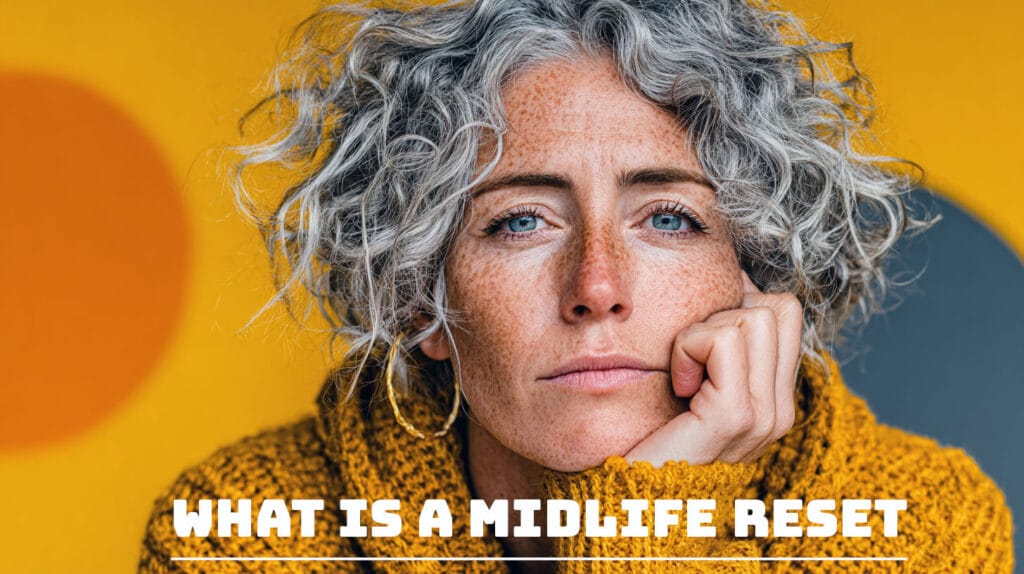
What is a midlife reset? You’ve probably heard the term "midlife crisis" a thousand times. It’s a punchline for jokes about sports cars and bad haircuts, but the reality is that the midlife experience for many people is far more subtle and insidious. It’s a quiet feeling of being stuck, a gnawing sense of dissatisfaction, or a general feeling that you’re just going through the motions. This might look like endless doomscrolling, reaching for another drink on a Tuesday, or a constant state of low-grade anxiety.
This is where a midlife reset comes in.
It’s a powerful and intentional act of rebuilding your life from the ground up, moving from a place of simply existing to one of truly living. This isn’t a quick fix or a dramatic, reckless act; it’s a calm, conscious decision to stop drifting and start steering your own ship.
What Is a Midlife Reset, Exactly?
A midlife reset is a deliberate and structured process of taking stock of your life and making fundamental changes to your habits, mindset, and physical well-being. It's for anyone who feels stuck, numb, or trapped in cycles they can't break—be it with booze, food, constant scrolling, or lying to themselves. It's for those who know they have more to give but don't know where to start.
[cite_start]A midlife reset is about what happens after the numbing stops and the masks come off. It's about facing the raw, uncomfortable truth that your life has drifted so far from who you wanted to be. The reset is your chance to stop being sick of existing and start living instead.[cite_end] The process is a profound act of courage that begins with a simple, brutal realisation: if you don’t change everything, you could lose everything. It’s the moment you look in the mirror and finally see the truth—a person living with the lid still on, wasting the time they have left. A reset is about choosing to face that reality head-on, no more excuses, no more bullshitting yourself.
What Does a Midlife Reset Involve?
A midlife reset isn't a single, isolated event, but a holistic framework for change. It starts with a "brutal self-assessment" to identify what's holding you back, and focuses on four core pillars to rebuild your foundations:
Mind: Your mind can be your greatest ally or your biggest saboteur. It's been running on autopilot for years, programmed by limiting beliefs, emotional baggage, and negative self-talk that whispers, "You'll fail again," or "You're too old for this." The Mind pillar is about actively rewriting that faulty code. You create mental clarity with tools like journaling to empty the mental backpack of worries, meditation to train your brain to create space between thought and reaction, and visualisation to build a mental blueprint for success.
Move: Your body was made to move, and this pillar is about reclaiming that ability. Movement is not a punishment but a way to build resilience, energy, and strength. It’s a core component of your health that helps you to manage stress, release tension, and reduce inflammation. A reset involves consistent, purposeful movement that helps you feel capable again—from a daily brisk walk to a simple bodyweight strength session.
Eat: This is about fuelling your body with real, whole foods instead of processed rubbish. It means breaking the cycle of emotional eating, where you use food for comfort or distraction. Food is powerful information for your body, and this pillar teaches you to use it as medicine. By prioritising nutrient-dense foods like oily fish, dark leafy greens, and bone broth, you can support your gut health, which has a direct link to your mental clarity and mood.
Sleep: Your rest is not a luxury; it's a non-negotiable biological necessity. It's the time when your body repairs damaged cells, consolidates memories, and detoxifies your brain. When you're not sleeping properly, every other area of your life suffers, leading to increased cravings, irritability, and brain fog. A reset involves building a solid evening routine—such as a digital sunset—and creating an environment that supports deep, restorative sleep.
While both can occur in the same age range, a midlife crisis and a midlife reset are fundamentally different in their approach and outcome. The crisis is a desperate reaction, while the reset is an intentional act.
Midlife Crisis: This is a desperate reaction, driven by panic and a frantic search for external validation. It often leads to impulsive and destructive behaviour—like buying a sports car, a reckless career change, or self-sabotaging personal choices—that attempts to escape a life you don't want.
Midlife Reset: This is a proactive, inward-focused journey. It is about waking up and confronting yourself with honesty and courage. It is not an escape from reality but a journey into authenticity. A reset leads to a calmer, more centred, and more fulfilled life. It's driven by a quiet but powerful desire for personal growth and a deeper sense of purpose.
Engaging in a midlife reset can lead to profound and lasting benefits that go far beyond just "not feeling stuck." By the end of your journey, you can expect to:
Improve Mental Health: The practices of journaling, meditation, and facing your emotions can dissolve anxiety, sharpen your clarity, and forge a stronger sense of self. When you learn to sit with discomfort instead of running, you build the inner confidence to handle whatever life throws at you with an unwavering calm.
Build Lasting Resilience: Resilience is not a trait you're born with; it's a muscle you build. By facing challenges and setbacks head-on, you build the inner strength to handle future obstacles without resorting to old, destructive coping mechanisms. Every time you get back on track after a stumble, you reinforce your ability to bounce back stronger.
Feel More Energetic: Proper nutrition, consistent movement, and restorative sleep will give you the energy you need to live life to its fullest and pursue new passions. You'll stop feeling sluggish and start feeling vibrant. The midday crash becomes a thing of the past as you learn to fuel your body with respect.
Create a Life You Don't Need to Escape: The ultimate goal of a reset is to build a life so damn good that you don’t need to numb or escape from it. It's about finding peace, purpose, and a sense of pride in the person you've become. This means feeling present in conversations, finding joy in small moments, and feeling an inner calm that no external substance can ever match.
If you're ready to stop lying to yourself, if you’re sick of just existing instead of living, and if you’re done with the bullshit and want a life you don’t need to escape from, then this is for you.
To learn more about how you can begin your own midlife reset journey, get the Midlife Reset book today. You'll find a detailed, no-nonsense 30-day plan that provides the exact framework and tools you need to reclaim your life.
Right, listen up. If you're anything like I used to be – stuck in the grind, feeling like your body’s falling apart, and constantly bombarded by adverts for "miracle cures" – then this is for you. We're talking about the big pharma and multinational bollocks on collagen, the endless parade of peptides, hydrolysed blah blah shit that just feeds their profit margins. You know the ones. They promise you youth in a scoop, glowing skin, pain-free joints, all for the low, low price of your dwindling bank balance. Well, I’m here to tell you to ditch that shite. Your body doesn't need their lab-engineered, over-processed nonsense. What your body will actually use is something far more ancient, far more potent, and frankly, far cheaper: proper, homemade bone broth. This isn't just a trend; it's my secret weapon for internal healing, the bedrock of my midlife reset, alongside my fermented foods.
I spent over a decade in the British Army. Discipline, resilience, pushing through the pain – that was my life. But even the toughest soldier has to deal with the wear and tear. Fast forward a few decades, and after 45 years of drinking, I finally kicked the booze eight months ago. That was a brutal, mind-bending, body-shaking journey. When you strip away a lifetime of bad habits, you quickly realise just how much internal damage you’ve done. My gut was a warzone, my joints ached like a bastard, and my skin looked like I’d spent a decade sleeping in a skip. I needed to rebuild, and I needed something real. Something that wasn't just another expensive placebo. That's when I properly re-engaged with the power of bone broth.
The Truth About Collagen: Why Their Pills Are a Piss-Take
Let’s get one thing straight: collagen is vital. It’s the most abundant protein in your body, the glue that holds your skin, bones, muscles, tendons, and ligaments together. As you get older, your body produces less of it, and what it does produce isn't as good. That's why you get aches, wrinkles, and that general feeling of being a bit… well, creaky.
Now, these big companies want you to believe their hydrolysed collagen peptides are the answer. They'll tell you they're "bioavailable" – meaning your body can absorb them easily. And to be fair, studies do show that hydrolysed collagen peptides can have a good absorption rate. They break down the large collagen proteins into smaller peptides that your gut can handle.
But here’s the kicker: when you take a collagen supplement, you're getting a concentrated dose of just collagen. Often, it's been through a chemical process to extract it. Where's the rest of the good stuff? Where are the synergistic nutrients that help your body actually use that collagen and rebuild itself holistically? They're usually not there, unless the supplement is fortified with other things.
And let's not even start on the price. You're paying a premium for highly processed animal by-products, often with added sugars, artificial sweeteners, or synthetic flavourings to make them palatable. It’s a racket, pure and simple.
Bone Broth: The Original, Unadulterated Powerhouse
Forget the fancy powders. Bone broth is where it’s at. This isn't some new fad; people have been making and consuming bone broth for centuries for its health benefits. It's a slow-cooked elixir made from animal bones and connective tissues, simmering for hours to extract everything good from them.
What Makes Bone Broth So Fucking Potent?
Whole-Food Collagen & Gelatin: When you simmer bones, the collagen breaks down into gelatin, which is packed with amino acids like glycine, proline, and glutamine. These aren't just isolated peptides; they come as part of a whole-food matrix that your body recognises and uses efficiently. Gelatin is particularly good for protecting and healing the gut lining.
Gut Health Hero: This is massive. My gut was shot after years of booze. Bone broth, particularly its gelatin, glutamine, and collagen, helps maintain the integrity of your intestinal wall. It can reduce inflammation and may even help prevent and heal "leaky gut," a common issue that messes with your whole system. A healthy gut means better nutrient absorption, which impacts everything from your skin to your mood.
Joint Repair and Support: The collagen and other compounds in bone broth, like glucosamine and chondroitin, are excellent for your joints. They provide the building blocks your body needs to repair cartilage and reduce inflammation, which can alleviate pain and stiffness. After years of military life and then just generally battering my body, this was a godsend.
Skin, Hair, and Nails: Want glowing skin, strong hair, and nails? Bone broth can help. It provides the collagen and amino acids necessary for skin elasticity and hydration, helping to reduce wrinkles and improve overall skin health. When your internal systems are working right, it shows on the outside.
Minerals and Electrolytes: Unlike most collagen supplements, bone broth is rich in essential minerals like calcium, magnesium, potassium, phosphorus, and sodium. These are vital for nerve and muscle function, hydration, and overall cellular health.
Less Processed, More Natural: Bone broth is made through a natural, slow cooking process. Collagen supplements, on the other hand, often involve industrial processing, demineralisation, chemical solutions, and enzymatic hydrolysis. Which sounds more natural to you?
My Approach: Make Your Own Damn Bone Broth!
You don't need a PhD to make bone broth. You need bones, water, and time. And maybe a splash of apple cider vinegar to help extract those minerals.
How I Do It (No-Nonsense Guide):
Get Good Bones: Don't skimp. Get grass-fed beef bones (marrow, knuckle, oxtail are great) or organic chicken carcasses from a reputable butcher. These are richer in nutrients.
Roast 'Em (Optional but Recommended): A quick roast in the oven (20-30 mins at 200°C / 400°F) gives it a deeper, richer flavour.
Into the Pot: Throw them in a massive stockpot or a slow cooker. Add enough filtered water to cover them completely.
The Acid Kick: A couple of tablespoons of apple cider vinegar (the cloudy stuff with the "mother") helps draw out the minerals and collagen.
Veggies (Optional but Good): A roughly chopped onion, a couple of carrots, and some celery. Don't worry about peeling; just wash them.
Seasoning: A bay leaf, a few peppercorns. No need for salt yet, you can add that to taste later.
Simmer, Simmer, Simmer: This is the key. Bring it to a boil, then reduce to a very low simmer. For chicken, 12-24 hours. For beef, 24-48 hours. The longer, the better, for maximum nutrient extraction. Keep an eye on the water level and top up if needed.
Strain and Store: Once it’s done, let it cool a bit, then strain out all the solids. You should be left with a rich, golden, gelatinous liquid. That jelly-like consistency when it's cold? That's the good stuff – the collagen and gelatin working their magic.
Store It: I pour it into jars or containers and keep it in the fridge for up to a week, or freeze it in portions.
Integrating Bone Broth and Fermented Foods
This is where the real internal healing happens. I drink a mug of warm bone broth every morning, sometimes with a pinch of sea salt. It’s incredibly soothing and sets my gut up for the day.
But it’s not just broth. Fermented foods are non-negotiable for gut health. Sauerkraut, kimchi, kefir – these are packed with beneficial bacteria that re-colonise your gut, working in tandem with the healing properties of the broth. Think of the broth as repairing the walls of your house, and the fermented foods as bringing in the new, healthy occupants.
Stop Falling for the Marketing Bullshit
Your body is an incredible machine, capable of immense healing, but you've got to give it the right fuel. Don’t let these corporations convince you that you need their expensive, processed, half-arsed solutions. They're selling you a dream, while real, foundational health is right there, accessible and affordable.
If you're ready to really take control of your health, to strip away the rubbish and build a stronger, more resilient you, then start with bone broth. It's not a miracle cure; it's just damn good, honest nutrition that works.
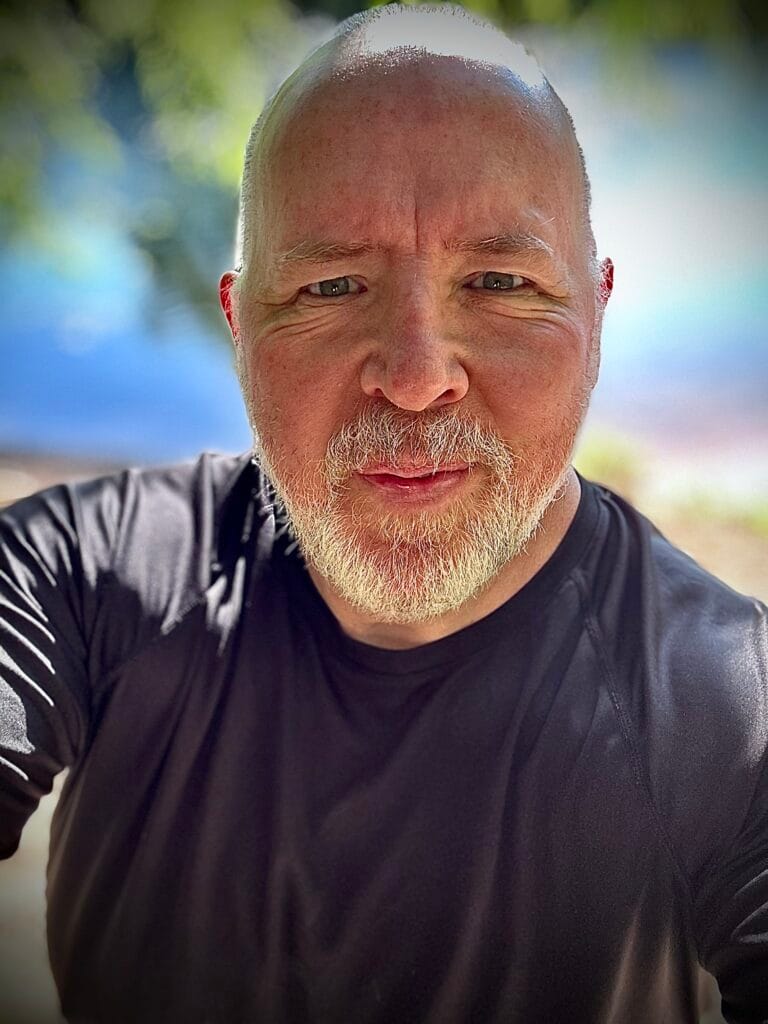
I used to think a midlife reset had to be dramatic. A crisis, a blown-up marriage, a quit-your-job-to-move-to-Bali moment. That’s what we see in the films, isn't it? The grand, chaotic gesture that forces change. My life was never like that. For 57 years, it was a slow, steady build. The kind of life where you tick the boxes, hit the milestones, and tell yourself you’re doing just fine. And for the most part, I was. But somewhere in the quiet spaces between the ticking of the clock and the milestones, a different kind of feeling was settling in. A profound, bone-deep weariness that wasn't about being tired after a long day, but about being tired of being tired. This wasn’t a crisis; it was a quiet, suffocating burnout.
For 45 of those years, alcohol was a constant companion. Not a problem, not in the classic sense. There was no "rock bottom" moment, no lost job, no ruined family. It was just there. A glass of wine, or two, or three, to unwind. A celebratory drink. A social lubricant. It was a comfortable habit, a quiet partner that I believed was helping me manage the stress and the slow burn of life. It was so deeply woven into the fabric of my days that I couldn't imagine my life without it. Then, at 57, something shifted. Not because of a disaster, but because of a simple, quiet question that surfaced one morning, “Is this all there is?”
That question was the catalyst. It was a simple flicker of curiosity that turned into a flame. It was the beginning of my midlife reset, a journey that started not with a bang, but with a whisper. I’ve now been alcohol-free for eight months, and what I’ve discovered is that the real secret to success midlife reset isn't a grand gesture; it's a series of small, intentional acts. It's about choosing to build a new foundation, brick by brick, using tools that were within my reach all along: meditation, visualisation, and the simple, profound power of my own breath.
This isn’t just my story. It’s a guide for anyone who feels that quiet burnout, that sense of a life on autopilot. It’s for those who want to change, not because they have to, but because they know they deserve more. I'm going to share the exact tools I use daily, my non-negotiables, and give you the scripts to start your own journey. My goal is to show you that. overcoming burnout in 40s Or the 50s isn't about radical change, but about mindful transformation.
The Subtle Burnout, The Ticking Clock You Don't Hear
Before I decided to go alcohol-free and embrace my midlife transformationI wasn’t aware of how deeply burned out I was. The word “burnout” often brings to mind a high-powered executive working 80-hour weeks. But my experience was different. My burnout was a slow, insidious erosion of my spirit. I was going through the motions. I was a professional, a partner, a friend; I was fulfilling all my roles, but I wasn't present.
The signs were subtle. I was constantly tired, even after a full night's sleep. My creativity had flatlined. My patience was thin. Little things would irritate me, and I felt a general sense of disconnection from everything and everyone, including myself. Life felt muted, like watching a film in black and white when I knew it should be in vibrant colour. My go-to solution for this vague sense of unease was always the same: a glass of wine, or two, or three. It wasn't about getting drunk; it was about pouring myself a moment of "off," a small ritual to signal the end of the day. For 45 years, this was my routine. It was a perfectly acceptable way to live. Or so I thought.
But the truth is, the alcohol wasn't a solution; it was a distraction. It was a way to numb the feeling of being on autopilot, to push the quiet questions further down. It was a temporary escape from the feeling that something was missing, that I was a passenger in my own life. What I was unknowingly experiencing was midlife burnout. It was a quiet crisis, a common feeling for many people in their 40s and 50s. It’s the feeling of being tired of being tired, and it’s a powerful signal that it's time for a change.
I look back now and see it so clearly. The drinking wasn't my problem; it was a symptom of a deeper issue. The issue was that I had lost my connection to myself. I had outsourced my peace and happiness to a substance and a series of habits that were slowly draining the life out of me. The first step to my reset wasn't about stopping a behaviour, it was about listening to that quiet question and deciding, finally, to answer it.
The Decision to Unplug, My No-Rock-Bottom Reset
When people hear I’ve been alcohol-free for eight months, they often ask, "What was your rock bottom?" And my answer always surprises them. There wasn't one. I didn't lose my job, my family didn’t stage an intervention, and I never had a dramatic public failure. My "rock bottom" was a quiet, internal one. It was the moment I looked at my reflection and didn't recognise the person staring back, not physically, but in their eyes, which had lost their spark.
That’s when I decided that my midlife reset would be different. It wouldn't be a reactionary act born from desperation. It would be a proactive choice born from a desire for more. I was 57, and I felt like I had a second chance to build a life not just for others, but for me. The idea of an alcohol-free journey was daunting, but the idea of living the next 20 years the same way I had lived the last 20 was terrifying.
So, I made a deal with myself. No grand pronouncements, no public declarations. Just a simple, private commitment, a 30-day challenge. The first few weeks were surprisingly easy, and yet, profoundly difficult. I wasn't fighting cravings, I was fighting habits. I was fighting the ritual of the evening glass, the social awkwardness of not drinking, and the space in my schedule where that habit used to live.
In that space, I found something unexpected, quiet. For the first time in years, the noise in my head began to subside. It was in this quiet that I discovered my new "non-negotiables", the foundational practices that would become my new daily rituals. These weren’t just hobbies; they were lifelines. Meditation for midlife stress, visualisation, and breathwork became the tools I used to navigate my new reality. They were the key to unlocking the midlife transformation I knew it was possible.
I've learned that a reset isn't about a destination. It's about a continuous journey of self-discovery and growth. It's about consciously choosing to build building resilience midlife and finding purpose after 40 one day at a time. It’s about building a fortress of inner strength so that when life inevitably throws its challenges at you, you're no longer reaching for a quick fix, but for your own inner resources.
Of all the midlife reset tools I have discovered on this journey, none have been as powerful and immediate as breathwork. We breathe every second of every day without thought, but conscious, intentional breathing is a different beast entirely. It’s a direct link to your nervous system. By controlling your breath, you can calm a racing mind, reduce stress, and bring yourself back to the present moment. For me, it's the first line of defence against anxiety and the feeling of overwhelm.
My favourite technique, and the one I practise daily, is a simple 4,2,6 breathwork pattern. It’s easy to remember and incredibly effective. The numbers represent the count for each phase: inhaling, holding, and exhaling. The longer exhale is key. It activates your parasympathetic nervous system, the physiological 'rest and digest' switch that tells your body it’s safe to relax.
A Guided 4,2,6 Breathwork Script
Find a comfortable position, either sitting or lying down. Gently close your eyes or soften your gaze.
Preparation: Take a moment to simply notice your natural breath. Don't try to change it, just observe. Notice the rise and fall of your chest and belly. Feel the air as it enters and leaves your nostrils.
Inhale (Count of 4): On your next breath in, inhale slowly and deeply through your nose for a count of four. Feel your belly expand, followed by your chest. Think, 1... 2... 3... 4....
Hold (Count of 2): Gently hold your breath at the top for a count of two. 1... 2....
Exhale (Count of 6): Now, exhale slowly through your mouth with a soft whooshing sound for a count of six. Let all the air go. Feel your body soften and release any tension. 1... 2... 3... 4... 5... 6....
Repeat: Continue this cycle for 5-10 minutes. Inhale for four, holding for two, and exhaling for six. Focus on the count and the physical sensations of your breath. If your mind wanders, gently guide it back to the rhythm of your breath.
Completion: When you’re ready to finish, simply let your breath return to its natural rhythm. Take a moment to notice how you feel. Do you feel calmer? More centred?
This simple practice has become a powerful tool for me. It’s my instant reset button. It is a fundamental part of my midlife self-care routine.
After breathwork, the next layer of my non-negotiables is meditation and visualisation. People often confuse the two, but they serve different, complementary purposes. Meditation is about observing and accepting the present moment, while visualisation is about creating and manifesting the future. Together, they are a powerful combination for rewiring your brain and building the life you want.
I used to think meditation was about silencing my mind, and I would get frustrated when I couldn’t stop my thoughts. I now understand that meditation for midlife stress isn't about having a blank mind or stopping your thoughts; it's about learning to observe them without judgment. It’s like watching clouds pass in the sky. You see them, you acknowledge them, and you let them float on by. This practice has given me a sense of peace I never thought possible.
Visualisation, on the other hand, is an active practice. It’s about creating a clear mental picture of your future. It's not magic, it's a form of mental rehearsal. It's about training your brain to see the possibilities and feel the emotions of a future you want to create. This is how I began to see myself as a person who was alcohol-free, purposeful, and resilient. I didn't just hope for it, I visualised it.
Visualisation is a deeply personal process, but a guided script can help you get started. This script is based on what I do every morning. It’s designed to help you release the past and step into a new, more vibrant future. Find a quiet, comfortable space where you won't be disturbed.
Step 1: Ground Yourself
Sit or lie down in a comfortable position. Gently close your eyes. Begin with the 4,2,6 breathwork. Take three full cycles, inhale for 4, hold for 2, exhale for 6. Feel the calm settle over you. Now, imagine a warm, gentle light entering the top of your head, like soft sunlight. This light begins to travel down through your body, relaxing every muscle it touches. Feel it move through your face, your neck, your shoulders, down your arms and into your fingertips. It moves through your chest, your abdomen, and down your hips and legs, all the way to the tips of your toes. You are completely relaxed, grounded, and at peace.
Step 2: Releasing the Past
In your mind's eye, imagine you are standing on a calm, quiet beach. The sun is setting, casting a beautiful orange and pink glow across the water. In front of you is the vast ocean, and behind you is a dense forest. In your hand, you hold a small, smooth stone, which represents everything you are ready to let go of: the burnout, the old habits, the feeling of being stuck, the fatigue. Take a moment to infuse all those feelings into the stone, feel its weight, its heaviness.
Now, with a deep breath in, raise your arm and with a long, slow breath out, throw the stone as far as you can into the ocean. Watch it arc through the air, glinting in the last light of the sun, and plop into the water. As it sinks, you feel a profound sense of lightness. The past is now behind you. The weight is gone.
Step 3: Stepping into the Future
Turn around and face the forest. As you look into the trees, you notice a path, bathed in a soft, ethereal light. This path is your new journey. It's your midlife reset path. Take a step onto the path. Feel the ground beneath your feet. As you walk, notice how you feel: lighter, more energetic, full of a sense of purpose.
You can now see a clear stream running alongside the path. This stream is pure, clean energy. Bend down and cup your hands, drinking from it. Feel the cool, clear water revitalise you from the inside out. This is the energy of a new life, a life of sobriety and vitality. As you stand up, you feel a new sense of strength and clarity.
Step 4: The Vision of Your New Self
Walk a little further down the path until you come to a beautiful clearing. In the centre of this clearing, there is a mirror. This mirror is a portal to your future. Look into it and see the person you are becoming. See yourself with a vibrant, inner glow. Your eyes are bright and full of life. You are smiling genuinely. In this vision, you are not just surviving, you are thriving.
Feel the joy of this person. What are you doing? Are you laughing with friends? Are you engaging in a new hobby? Are you working on a project that lights you up? Feel the gratitude for this future. See yourself finding joy without alcohol midlife, see yourself with a clear mind and a full heart. This is not a distant dream; it is your reality waiting to be lived.
Step 5, Returning to the Present
Take one last look at your future self in the mirror. Internalise that feeling of peace and purpose. Now, bring your awareness back to your body, back to the room where you are sitting or lying. Wiggle your fingers and toes. Take one last deep, cleansing breath. And when you are ready, gently open your eyes. You are now grounded and connected, ready to carry this feeling with you throughout your day.
This visualisation, combined with my daily breathwork, has been a game-changer. It has helped me find purpose after 40 truly embrace my age. It's not about turning back the clock; it's about setting a new one.
A Final Thought on Authenticity and the Journey Forward
My midlife reset has been a quiet, profound unfolding. It hasn’t been a flawless, upward trajectory. There have been moments of doubt, moments where the old habits called out to me. But each time, I’ve returned to my non-negotiables. I’ve leaned on the power of my breath to calm my mind and the clarity of my visualisation to remember my purpose.
What I've learned, and what I want you to know, is that your journey doesn't have to look like anyone else's. You don't need a rock bottom to start. You need a quiet moment of honesty and the courage to take one small, intentional step. This isn't about being perfect. It's about being present. It's about choosing to live your life intentionally, rather than by chance. The tools of breathwork, meditation, and visualisation are yours to claim. They are free, always available, and incredibly powerful.
You are 57, 67, 47 or even 37; it doesn't matter. What matters is right now. Are you ready to stop being tired of being tired? Are you ready to begin your reset? If so, I invite you to start with just five minutes of quiet. Five minutes of breathwork. Five minutes of vision. It's the most loving, powerful thing you can do for yourself. This is your life. And it’s ready to be reset.
This article is for informational purposes only and does not constitute medical advice. Please consult with a healthcare professional before making any significant changes to your lifestyle or health routine.
Used to monitor number of Google Analytics server requests when using Google Tag Manager
1 minute
_gid
ID used to identify users for 24 hours after last activity
24 hours
_ga_
ID used to identify users
2 years
_gali
Used by Google Analytics to determine which links on a page are being clicked
30 seconds
_ga
ID used to identify users
2 years
__utmx
Used to determine whether a user is included in an A / B or Multivariate test.
18 months
__utmv
Contains custom information set by the web developer via the _setCustomVar method in Google Analytics. This cookie is updated every time new data is sent to the Google Analytics server.
2 years after last activity
__utmz
Contains information about the traffic source or campaign that directed user to the website. The cookie is set when the GA.js javascript is loaded and updated when data is sent to the Google Anaytics server
6 months after last activity
__utmc
Used only with old Urchin versions of Google Analytics and not with GA.js. Was used to distinguish between new sessions and visits at the end of a session.
End of session (browser)
__utmb
Used to distinguish new sessions and visits. This cookie is set when the GA.js javascript library is loaded and there is no existing __utmb cookie. The cookie is updated every time data is sent to the Google Analytics server.
30 minutes after last activity
__utmt
Used to monitor number of Google Analytics server requests
10 minutes
__utma
ID used to identify users and sessions
2 years after last activity
_gac_
Contains information related to marketing campaigns of the user. These are shared with Google AdWords / Google Ads when the Google Ads and Google Analytics accounts are linked together.