Reiki For Sobriety And Recovery: A Powerful Tool For Healing & Transformation
Reiki For Sobriety And Recovery: A Powerful Tool For Healing & Transformation. Seven weeks alcohol-free. It feels like a milestone—one built not just on willpower, but on a deep, daily commitment to healing. In recovery, every milestone matters, reminding us how far we’ve come and reinforcing the commitment to continue forward. Sobriety isn’t just about removing alcohol; it’s about filling that space with something greater, something nourishing. For me, that has been Reiki self-healing, meditation, and visualization. These practices have become my anchor, guiding me through the emotional waves of recovery and into a place of peace, clarity, and strength.
When I quit drinking, I knew I needed more than just abstinence—I needed a way to actively heal my body, mind, and spirit. Through daily Reiki and mindful visualization, I’ve experienced firsthand the transformative power of energy healing in recovery. As a certified Reiki Master, I have not only deepened my healing journey but have also helped others access the power of Reiki for their transformation. This post is a reflection on how Reiki has supported my journey, the shifts I’ve experienced, and how these practices can help others on the path to sobriety.
The Power of Reiki in Recovery
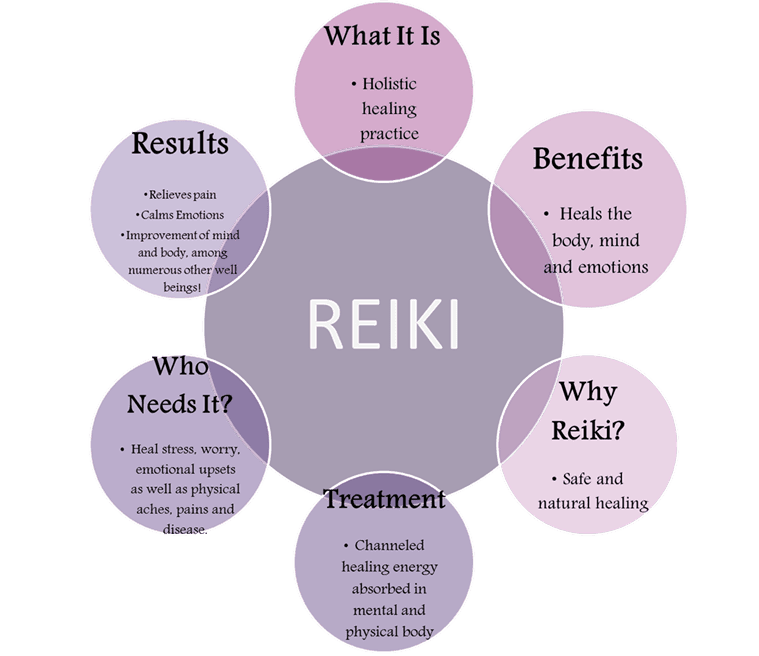
Reiki is an ancient energy healing practice that works on balancing the body’s energy centres. Originating in Japan, Reiki is based on the concept that a universal life force energy flows through all living beings. This energy can become blocked due to stress, emotional trauma, or physical illness, leading to imbalances in the body and mind. Through gentle touch or even distant healing techniques, Reiki practitioners channel this energy to help remove blockages, restore harmony, and promote self-healing. The practice is deeply meditative and is known for its ability to induce a profound state of relaxation, allowing the body’s natural healing processes to activate. For those in recovery, it offers a powerful tool to regulate emotions, reduce cravings, and restore inner balance. Addiction, at its core, is often an attempt to self-soothe. Alcohol numbs, distracts, and suppresses—but Reiki does the opposite. It brings emotions to the surface, allowing for deep healing and self-compassion.
One of the biggest challenges in early sobriety is learning to sit with discomfort rather than running from it. Reiki has helped me do just that. By channelling healing energy into my body through self-practice, I’ve been able to calm my nervous system, release stored trauma, and cultivate a profound sense of inner peace. Reiki works by stimulating the parasympathetic nervous system, which helps shift the body out of a fight-or-flight state and into a mode of deep relaxation and healing. When trauma is stored in the body, it can manifest as tension, pain, or emotional blockages. Reiki helps dissolve these blockages by promoting energy flow, encouraging the release of stagnant emotions, and restoring a natural state of balance and well-being.
As I continued my Reiki journey, I discovered that energy healing goes beyond just emotional regulation—it also affects physical well-being. Many people who quit drinking struggle with withdrawal symptoms, fatigue, and disrupted sleep. Reiki has been a vital tool in my ability to rebalance and realign, easing physical discomfort while reinforcing my commitment to an alcohol-free life.
My Daily Reiki Self-Healing Practice
Every morning, before the world wakes up, I dedicate time to Reiki self-healing. Here’s how I structure my practice:
Creating a Sacred Space – I begin by finding a quiet place, lighting a candle, and setting an intention for healing.
Hand Placements – Using the traditional Reiki hand positions, I start at my crown and work my way down through my chakras, focusing on areas where I feel tension or emotional stagnation.
Breathing & Presence – Slow, deep breaths accompany the process, allowing me to fully connect with the energy flow.
Affirmations – I repeat affirmations such as “I am healing,”“I release what no longer serves me,” and “I am at peace with my journey.”
Ending with Gratitude – Before closing the session, I take a moment to express gratitude for my body, my progress, and the healing energy that surrounds me.
I also incorporate Reiki into my evening routine to help ground and relax me before sleep. While my morning Reiki practice energizes and prepares me for the day ahead, my evening sessions focus on deep relaxation and release. The morning sessions help me set clear intentions and align my energy for productivity, whereas the evening sessions allow me to unwind, reflect, and clear any lingering emotional or physical tension from the day. This dual approach ensures that I remain balanced and centred throughout my sobriety journey. This practice allows me to reflect on the day, release any negativity, and set an intention for deep, restorative rest. Over time, I’ve found that this combination of morning and evening Reiki has improved my sleep quality, which in turn has boosted my overall well-being.
In addition to Reiki, I incorporate meditation and visualization into my daily routine. These practices help me rewire my subconscious mind, reinforcing the reality of a strong, sober, and thriving version of myself.
Quantum Jump Visualization
One of the most powerful techniques I use is quantum jump meditation, a visualization practice that helps shift consciousness to an alternate version of oneself—one that embodies the desired reality. This method allows me to mentally and energetically align with my future self, reinforcing my commitment to a healthier, alcohol-free life. Every morning, I visualize myself at 58—four stone lighter, healthier, pain-free, and completely free from alcohol. I see this version of myself living with energy and purpose, and I embody that feeling in the present moment. This practice isn’t just about imagination; it’s about aligning my mind and body with the future I am actively creating.
For someone just beginning their sobriety journey, a quantum jump visualization can be a powerful tool.
Induction
Close your eyes and take a few deep, slow breaths. Inhale deeply through your nose, feel your lungs expand, and exhale gently through your mouth, releasing any tension. With each breath, allow yourself to sink deeper into relaxation. Feel the weight of your body resting comfortably as if you are becoming lighter with each exhale. Now, imagine a warm, gentle light surrounding you, filling you with a sense of peace and safety.
Deepener
As you continue to breathe, visualize yourself stepping into a vast, serene space—a quiet, open field bathed in golden sunlight or a tranquil shoreline with waves softly lapping at the sand. This is your space of transformation, a place where change is possible. Feel the ground beneath your feet, solid and stable, reminding you that you are supported on this journey. With every breath, you go deeper into a state of awareness, connecting with your highest potential.
The Jump
Now, picture a shimmering portal or doorway in front of you, glowing with radiant energy. This doorway leads to the version of you that has fully embraced sobriety—strong, healthy, and free. When you’re ready, take a deep breath and step through the portal. Instantly, you are immersed in a new reality, a version of yourself living your best sober life.
See yourself waking up feeling refreshed, your mind clear and focused. You move through the day with confidence and ease, making empowered choices that align with your highest self. You feel strong, your body vibrant and full of energy. Notice the people around you—supportive, kind, and aligned with your journey. Experience the deep joy and peace that comes with knowing you are in control of your life.
Now, allow this feeling to settle deep into your being. Absorb the energy of this future self. Know that this version of you already exists, and with every choice you make, you are stepping closer to them.
Returning
Slowly, begin to bring awareness back to your breath. Feel your body resting comfortably where you are. Wiggle your fingers and toes, gently bringing yourself back to the present moment. As you open your eyes, carry the strength, resilience, and clarity of your future self with you throughout your day. With each breath, reinforce the belief that this transformation is already happening.
I’ve noticed a profound shift in my mindset and energy since incorporating visualization into my daily practice. Sobriety has become more than just avoiding alcohol—it has become an opportunity to design and manifest the life I truly want.
How Meditation Supports Recovery
Reduces Anxiety & Cravings – Meditation helps regulate emotions and quiets the mental noise that often leads to relapse.
Enhances Self-Awareness – By tuning in daily, I’ve become more attuned to my triggers, making it easier to navigate them.
Strengthens Mind-Body Connection – Sobriety is about reconnecting with ourselves, and meditation deepens that bond.
Looking back over the past seven weeks, the transformation is undeniable. Here are some of the most profound changes I’ve experienced:
Clearer Mind, Deeper Clarity – Alcohol fogs the mind; sobriety sharpens it. My thoughts are clearer, and I feel more in control of my emotions.
Physical Healing & Energy Restoration – Without alcohol depleting my system, I’ve felt a significant increase in energy. Reiki and meditation have amplified this, helping me feel lighter and more in tune with my body.
Emotional Resilience – Sobriety has forced me to sit with emotions I once suppressed with alcohol. Reiki and meditation have given me the tools to process these feelings rather than escape them.
A Profound Sense of Purpose – Every day, I wake up with a deeper sense of purpose, knowing that my journey is not just about quitting alcohol—it’s about creating a life that no longer needs it.
Encouragement & Next Steps
If you’re on your sobriety journey, I want you to know this: Healing is possible, and you don’t have to do it alone. Whether you choose Reiki, meditation, visualization, or another mindful practice, the key is to find what resonates with you. Sobriety isn’t just about breaking free from alcohol—it’s about rediscovering your true self and stepping into the life you deserve.
I invite you to join me in the Sober Beyond Limits community, where we explore holistic healing, mindful sobriety, and the power of self-transformation. Let’s walk this path together—one conscious, healing step at a time.
Final Thoughts
Reiki has been a game-changer in my recovery journey. I remember a pivotal moment in my early sobriety when I was struggling with intense cravings and emotional turmoil. Instead of reaching for a drink, I placed my hands over my heart and began channelling Reiki energy. Almost immediately, I felt a deep sense of calm wash over me, as if the tension and anxiety were melting away. That was the moment I truly understood the power of Reiki—not just as a tool for relaxation, but as a profound healing force that could support me in overcoming the emotional roots of addiction. It’s more than just a practice; it’s a way of living—one that fosters self-love, emotional stability, and spiritual growth. As a Reiki Master, I’ve witnessed how this healing practice can support others on their journey as well. If you’re interested in learning more about Reiki, or if you’d like to experience a Reiki session for yourself, I’d love to connect with you.
Reach out to me today to explore how Reiki can support your healing and transformation.
Here’s to sobriety, self-discovery, and the power of healing energy. ✨
Right. You’ve fallen off the wagon. Maybe it was just one drink, one line, or a full-blown bender. Maybe you woke up feeling like a train wreck, or maybe you barely remember what the hell happened. Either way, you’re here, which means part of you still gives a damn. Good. Let’s talk about what happens next.
Here’s the deal: falling off the wagon doesn’t erase your progress. It’s a detour, not a dead end. The only way you truly fail is if you decide to stay down. So, let’s get back in the fight.
1. Stop Beating Yourself Up
Shame is a sneaky bastard. It will convince you that you’re weak, that you’ll never get it right, that you may as well keep drinking or using because you’ve already screwed up. That’s a lie.
Instead of wallowing in guilt, shift your mindset:
You had a slip. So what? That doesn’t mean you’re starting from zero.
You’re still the person who fought to get sober in the first place.
One mistake doesn’t undo all the hard work you’ve done.
What matters is what you do now—not what you did last night.
2. What Triggered This?
Relapse doesn’t just “happen.” There’s always something that sets the stage. Look back and figure out what went wrong.
Stress and emotions – Were you anxious, lonely, pissed off, or feeling invincible?
Bad company – Were you around people who made it easier to say yes than no?
No game plan – Did you go in thinking you could “handle it” without a strategy?
Neglecting self-care – Have you been running on empty, skipping meals, ignoring your routines?
Identifying the trigger isn’t about beating yourself up—it’s about learning how to dodge the next bullet.
3. Cut the Spiral Before It Wrecks You
A relapse doesn’t have to turn into a full-blown disaster. What you do right now determines whether this is a single stumble or a complete wipeout.
Here’s what to do immediately:
Tell someone – Reach out to a friend, sponsor, or anyone who keeps it real with you. Isolation fuels relapse.
Get back into routine – Go to a meeting, hit the gym, do whatever kept you grounded before.
Throw out whatever’s left – Don’t let tonight turn into another tomorrow.
Hydrate, eat, and sleep – Your body is taking a beating. Treat it like something you care about.
4. Change the Story You’re Telling Yourself
The biggest threat isn’t the relapse—it’s the bullshit story your brain will try to sell you afterwards.
“Maybe I can handle just one…” Nope. You’ve already proven that’s not true.
“I’m too far gone now.” That’s crap. You’ve come too far to throw it all away.
“I always screw this up.” Wrong. You’ve had victories before, and you’ll have them again.
Write down how you felt during and after. Be brutally honest. This is your evidence for the next time your brain tries to rewrite history.
5. Build a Stronger Plan for Next Time
A relapse doesn’t mean your strategy sucks—it means something was missing. Fill in the gaps:
Know your triggers and avoid them like the plague.
Have an escape plan when cravings hit—call someone, leave the situation, or go for a run.
Find better coping mechanisms – Meditation, working out, art—whatever keeps your hands and mind busy.
Surround yourself with the right people – Cut ties with anyone who makes sobriety harder.
For more structured guidance, check out Sober Beyond Limits—because winging it clearly isn’t the best strategy.
6. Forget Perfection—Focus on Progress
Sobriety isn’t about never messing up. It’s about bouncing back faster and learning every damn time.
Stack up the wins – Even if today is rough, keep adding small victories.
Track what works – Journaling, therapy, or even voice memos can help you spot patterns.
Celebrate milestones – Whether it’s one day or one month, acknowledge every step forward.
And if you need extra support, join the Sober Beyond Limits Facebook Group—because trying to do this alone is just making it harder than it needs to be.
7. Your Setback Doesn’t Define You
Slipping up doesn’t mean you’re a failure. Falling off the wagon is part of the process for many. It means you’re human. And humans screw up.
What matters is this:
You get back up.
You learn from it.
You keep moving forward.
The past doesn’t define you—the choices you make now do.
Frequently Asked Questions (FAQ) – Real Talk About Recovery if you’ve fallen off the wagon
Q: Does relapsing mean I have to start over?
A: Hell no. You still have all the knowledge and progress you built before. Get back on track and keep going.
Q: How can I prevent future relapses?
A: Identify your triggers, have an emergency plan, and surround yourself with people who actually support your sobriety.
Q: How do I get my confidence back after a relapse?
A: Focus on the next right decision. Confidence comes from action, not overthinking.
Useful Links for Support if you’ve fallen off the wagon.
Here are some solid resources to keep you on track:
The True Cost of Alcohol Addiction: A Father’s Story of Love, Loss, and Redemption 🍂💔🥃
The Price of Addiction: More Than Just Money 💸
The True Cost of Alcohol Addiction isn’t just financial—it’s relationships, time, self-respect, and the very moments that make life worth living. I know this firsthand. Alcohol wrapped its fingers around my life, slowly tightening its grip until I could hardly breathe. The cost wasn’t just in the money I spent on bottles—it was in the missed birthdays, the broken trust, and the distance it created between me and my daughter, Ffion.
For years, I numbed the pain, convinced myself that I was fine, that I could handle it. But the reality? Every drink was another brick in the wall between me and the person I loved the most. It wasn’t just my body paying the price—it was my soul, my mind, and the people who counted on me. I lost parts of myself I can never get back, and the worst part? I didn’t even realize it was happening at the time.
The Hidden Costs of Alcohol Dependence 🧩
The financial burden of alcohol addiction is obvious—weekly bar tabs, and bottles that drained my pockets faster than I could refill them. But that’s the smallest cost in the grand scheme of things. The true cost of alcohol addiction is what it takes from you beyond your wallet.
Time: The nights lost to blackouts, the mornings lost to hangovers, the years spent chasing a temporary high while life passed by.
Relationships: The people who stop calling, the love that fades, the children who learn to associate you with absence rather than presence.
Health: The slow deterioration—high blood pressure, liver damage, the mental fog that clouds every decision. The moments where you wonder if you’ve already gone too far to turn back.
Self-Worth: The slow erosion of who you are, the loss of confidence, the feeling of helplessness that keeps you trapped in the cycle.
Alcohol convinces you that you need it, that it helps you cope, but in reality, it’s the thing creating the very problems you’re trying to escape. I remember thinking a drink would calm my anxiety after a stressful day, only to find myself waking up feeling even worse, the weight of my problems doubled by regret and a pounding headache. The temporary escape became a cage, one I built around myself with every sip.
The Moment of Reckoning: Breaking the Cycle 🚨
For me, the wake-up call wasn’t a single dramatic event. It was a series of little heartbreaks—Ffion’s disappointment when I smelled of booze, the missed calls that turned into months of silence, and the realization that I had become someone I swore I never would. Seven weeks ago, I put the bottle down. It hasn’t been easy, but every morning I wake up with a little more clarity, and a little more hope.
I used to think alcohol was my escape, my way of handling life’s struggles. What I didn’t realize was that it was making everything worse. Every drink was another barrier between me and the life I wanted to live. I started to wonder how much more I could lose before there was nothing left of me.
Sobriety is more than just quitting drinking—it’s relearning how to live. It’s rediscovering the little joys that alcohol stole from me. The sound of laughter that isn’t forced. The weight of genuine connection. The possibility of rebuilding what was broken.
The Ripple Effect of Sobriety 🌊
When I stopped drinking, I thought the hardest part would be resisting the temptation to go back. I was wrong. The hardest part is facing everything that alcohol allowed me to ignore—the broken promises, the missed moments, the pain I buried under every drink. It meant confronting the loneliness I had numbed for years, the friendships that faded because I was too consumed by my struggles and the self-respect I had long abandoned. Each day of sobriety forces me to see it all clearly, and while it hurts, it’s also the only way forward. The apologies that need to be said. The shame that needs to be worked through. The deep loneliness that lingers after years of pushing people away.
But something incredible happens when you stay sober—you start to feel again. And yes, that means feeling the guilt, the sadness, the weight of past mistakes, but it also means feeling hope. Feeling possibility. Feeling alive.
The longer I stay sober, the more I realize that addiction is never really about alcohol. It was about me running from pain, from fear, from responsibility. The real work isn’t in staying away from the drink—it’s in rebuilding myself from the ground up.
Healing and Redemption: One Day at a Time 🌱🛤️🔥
Change is brutal, but regret is worse. Every day without alcohol is a step toward being the father she can be proud of. I don’t know if our relationship will ever be what it was, but I do know this—I won’t stop trying. My love for her stretches beyond galaxies, beyond the boundaries of time and pain. To the edge of the multiverse and back. No matter the silence, no matter the space between us, it is there. It always will be.
If you’re reading this and you’re caught in the grip of addiction, know this: you are not alone. The cost of alcohol addiction is steep, but the price of reclaiming your life is worth every ounce of effort. Healing is not linear, but in connection, in shared experiences, we find solace and strength to keep moving forward. Whether it’s through therapy, support groups, or simply having honest conversations with those who understand, seeking help is the first step toward lasting change. No one overcomes addiction alone—leaning on others can make all the difference in staying on the path to recovery.
To Those Who Understand This Journey | The True Cost of Alcohol Addiction 🤝💭💙
To those who love someone fighting addiction—don’t give up on them, but don’t let them drag you down either. Boundaries are love too. You cannot save someone who isn’t ready to be saved, but you can love them from a distance until they are.
Sobriety is a long road, and sometimes it feels impossible. But I promise you this: it is worth it.
To the edge of the multiverse and back, love endures—just as my journey to sobriety does. Every step forward is proof that healing is possible, that redemption is real, and that love, even when tested, remains unbreakable.
I love you. No, you. No more. And then silence, the hush before sleep, before the weight of dreams presses down.
A pillow, a cushion—soft landing places for the thoughts we share in whispers. A French bed, a B&B, a night in Carcassonne, where castles hold secrets, just like the stories I tell you before sleep.
South of France, farther still, zooming out, my love grows wider. France, Europe, Northern Hemisphere— no matter how far, my voice will find you.
Earth spins us forward, the solar system aligns, and the Milky Way cradles us in a soft, star-lit lullaby. Beyond this galaxy, beyond this universe, even in the Local Group, the Virgo Supercluster, Laniakea, the Local Observable Universe— my love remains.
And if the multiverse exists, then in every version of existence, I am still your father, you are still my daughter, and we are always saying— I love you. No, you. No more. 🚀💖🌌
Used to monitor number of Google Analytics server requests when using Google Tag Manager
1 minute
_gid
ID used to identify users for 24 hours after last activity
24 hours
_ga_
ID used to identify users
2 years
_gali
Used by Google Analytics to determine which links on a page are being clicked
30 seconds
_ga
ID used to identify users
2 years
__utmx
Used to determine whether a user is included in an A / B or Multivariate test.
18 months
__utmv
Contains custom information set by the web developer via the _setCustomVar method in Google Analytics. This cookie is updated every time new data is sent to the Google Analytics server.
2 years after last activity
__utmz
Contains information about the traffic source or campaign that directed user to the website. The cookie is set when the GA.js javascript is loaded and updated when data is sent to the Google Anaytics server
6 months after last activity
__utmc
Used only with old Urchin versions of Google Analytics and not with GA.js. Was used to distinguish between new sessions and visits at the end of a session.
End of session (browser)
__utmb
Used to distinguish new sessions and visits. This cookie is set when the GA.js javascript library is loaded and there is no existing __utmb cookie. The cookie is updated every time data is sent to the Google Analytics server.
30 minutes after last activity
__utmt
Used to monitor number of Google Analytics server requests
10 minutes
__utma
ID used to identify users and sessions
2 years after last activity
_gac_
Contains information related to marketing campaigns of the user. These are shared with Google AdWords / Google Ads when the Google Ads and Google Analytics accounts are linked together.