What It Is, What It Isn’t, and Does It Actually Work?
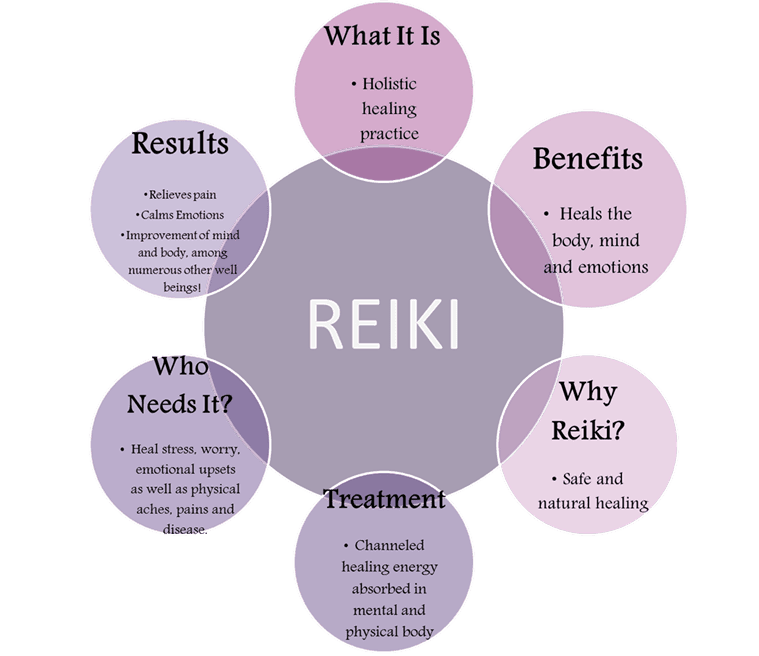
Reiki Healing Explained. Reiki healing is a Japanese relaxation and stress-reduction practice that aims to support the body’s natural ability to regulate itself. It is particularly useful for people living with chronic stress, burnout, emotional overload, recovery from addiction, or a nervous system that never seems to fully switch off. Reiki is gentle, non-invasive, and commonly used alongside conventional approaches, not as a replacement for medical or psychological treatment.
For many people arriving here, interest in Reiki does not come from curiosity alone. It often appears when stress has become constant, sleep is disrupted, emotions feel harder to manage, or the nervous system feels permanently switched on. Reiki tends to attract people who already sense that their system needs calming rather than fixing.
One question comes up more than any other:
Is Reiki real?
The honest answer depends on what you expect it to do.
Reiki does not diagnose illness. It does not cure disease. It is not a medical intervention. It does not bypass the body’s biology or override psychological processes. What it does reliably do for many people is help the nervous system downshift out of chronic stress and into a calmer, more regulated state. From there, people often report clearer thinking, emotional release, deeper rest, improved sleep quality, and a greater sense of internal stability.
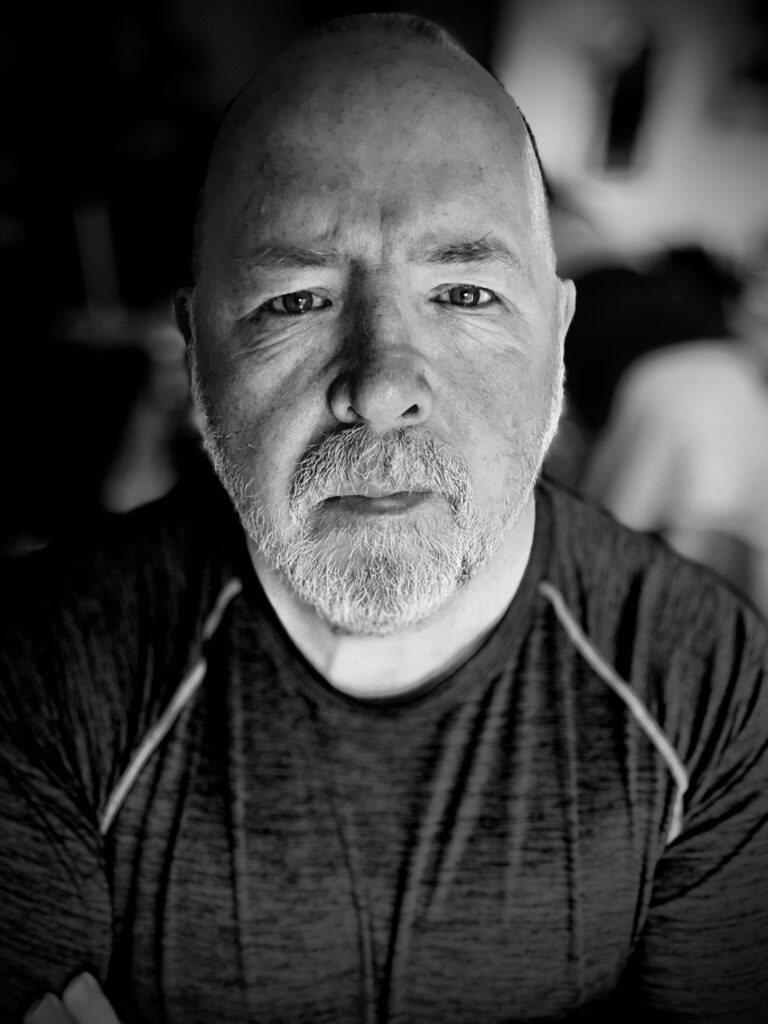
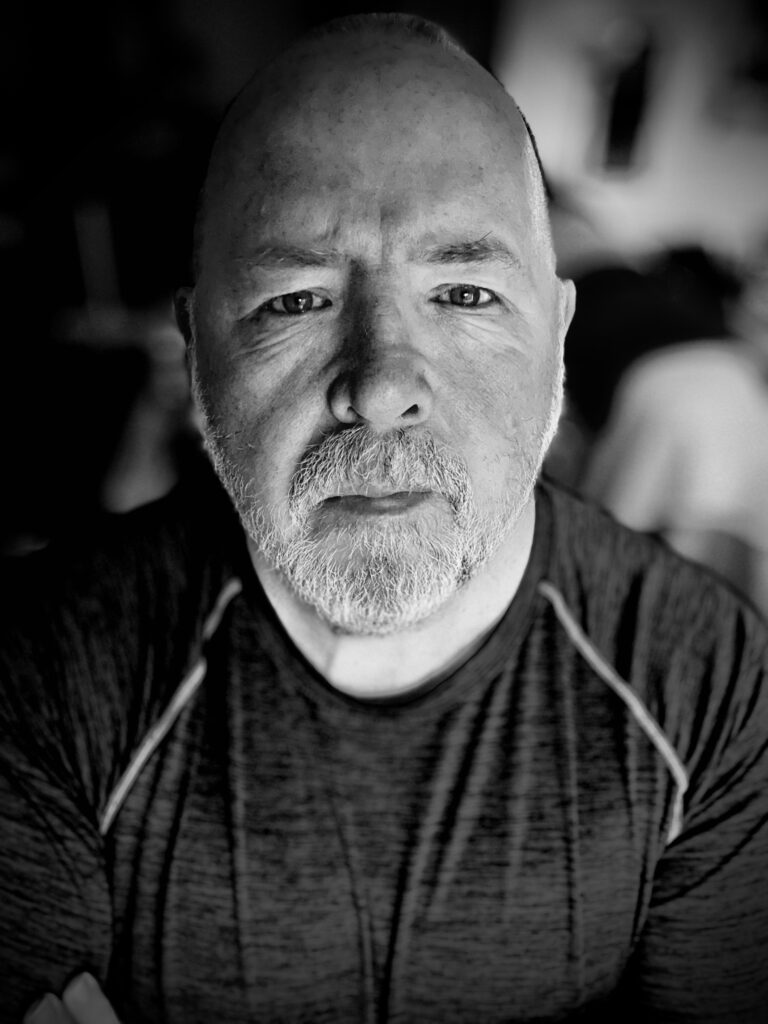
I have been a Reiki Master for over 10 years. I use Reiki daily in my own life, with coaching clients, and alongside practices such as meditation, breathwork, and cold water immersion. I came to Reiki not through belief, but through necessity. What follows is a grounded explanation of what Reiki is, how it is commonly experienced, where the science currently sits, and where its limits are.
What Is Reiki Healing?
Before going further, it helps to be clear about what Reiki actually is.
Reiki is a Japanese practice developed in the early 20th century by Mikao Usui. It emerged from a blend of traditional Japanese healing concepts and meditative practice rather than from a medical model.
The word Reiki is commonly translated as:
Rei – universal or broader awareness
Ki – life force, vital energy, or animating force
Different cultures use different language for this concept. Some call it energy, others refer to it in terms of awareness, regulation, or coherence. Regardless of terminology, Reiki is not something that is done to you. It is a practice designed to support the conditions in which your system can settle and rebalance.
In practice, Reiki involves a practitioner placing their hands lightly on, or just above, the body while the recipient rests fully clothed. There is no manipulation, pressure, stretching, or physical adjustment involved.
The aim is simple and understated: to support relaxation and balance so the body can move out of a stress response and into a state where repair, digestion, emotional processing, and nervous system regulation are more accessible.
How Reiki Works (Explained Simply)
Reiki does not force change, push energy, release trauma on demand, or attempt to control outcomes. Instead, it works by creating the conditions in which the nervous system can safely let go and move out of chronic stress patterns.
A typical session looks like this:
You lie down or sit comfortably, fully clothed
The practitioner places their hands lightly on or just above different areas of the body
There is no effort, concentration, or participation required from you
Many people notice warmth, tingling, heaviness, slowed breathing, emotional release, or a deep sense of calm
From a physiological perspective, many people appear to move into a parasympathetic state. This is the branch of the nervous system associated with rest, digestion, immune response, and recovery. When the system is no longer stuck in fight-or-flight or freeze, the body has more capacity to regulate itself.
This helps explain why Reiki is often experienced as calming rather than stimulating, and why people frequently report feeling lighter, clearer, or more grounded afterwards. For some, the effect is subtle. For others, it can be profound. Both are normal.
Distance Reiki and Remote Sessions
I primarily offer distance Reiki sessions. In-person Reiki is available only if you are local to South Wales.
Distance Reiki often raises scepticism, especially for those who associate healing with physical touch. This reaction is understandable and worth addressing clearly.
Does Distance Reiki Work?
Many people report experiences during distance Reiki sessions that are similar to in-person sessions. This becomes easier to understand when you recognise that Reiki does not rely on physical manipulation. The practice centres on attention, intention, and nervous system state rather than location.
In a distance session:
The recipient rests in a quiet, comfortable space
The practitioner works with focused awareness and intention
People often report sensations such as warmth, tingling, emotional release, a sense of being held, or deep calm
Distance Reiki is commonly chosen by people who:
Are not local or live abroad
Are unwell, fatigued, or recovering from illness
Prefer to receive support in their own environment
Are experiencing emotional overload or burnout
Many clients find distance sessions easier to relax into, simply because they are already in familiar surroundings.
Is Reiki Backed by Science?
Reiki has also found its way into some clinical and hospice-adjacent settings, particularly where the focus is comfort, relaxation, and quality of life rather than cure. In the UK and internationally, Reiki and similar hands-on relaxation practices have been offered in hospice care, cancer support centres, and hospital wellbeing programmes as a complementary option to help patients manage stress, pain perception, and emotional distress.
Research into Reiki is still limited and ongoing, and it is important not to overstate the evidence. However, some small-scale studies and clinical observations suggest that Reiki may help reduce perceived stress, anxiety, pain, and fatigue, particularly when used alongside conventional care.
There is also growing interest in how Reiki may support heart rate variability, a marker often associated with nervous system flexibility and resilience. Improvements in HRV are generally linked with better stress tolerance and recovery capacity.
These findings are not definitive. What they do offer is a plausible explanation for why many people subjectively report feeling calmer, more settled, and less overwhelmed after sessions.
Reiki is best understood as a complementary practice. It supports regulation and relaxation. It does not replace medical care, therapy, or evidence-based treatment, and it should never be positioned as such.
My Experience as a Reiki Master
I did not come to Reiki looking for a belief system or a spiritual identity. It entered my life at a time when cognitive approaches alone were no longer enough. I needed tools that worked at the level of the nervous system, not just the thinking mind.
Over the years, I have used Reiki to support:
Chronic pain and physical tension
Emotional processing and regulation
Meditation and visualisation practices
Cold water immersion and stress adaptation
Sobriety and long-term nervous system stability
I have seen people experience deep relaxation for the first time in years. I have seen emotional release happen quietly, without analysis or storytelling. I have also seen Reiki help people reconnect with their body in a way that feels safe rather than overwhelming.
For me, Reiki is not about fixing what is broken. It is about remembering what calm, balance, and internal safety feel like.
What Can Reiki Help With?
People commonly seek Reiki support for a wide range of experiences, including:
Ongoing stress and anxiety
Emotional overwhelm, grief, or burnout
Chronic tension, pain, or fatigue
Sleep difficulties and restlessness
Nervous system dysregulation
Addiction recovery and emotional stabilisation
A persistent sense of disconnection from themselves
Experiences vary from person to person, and Reiki is not a guaranteed solution. It is a supportive practice that tends to work best when combined with self-awareness, realistic expectations, and other appropriate forms of care.
Reiki and Sobriety
In sobriety and recovery work, many people struggle not with motivation, but with regulation. Years of substance use often train the nervous system to rely on external numbing or stimulation to feel safe.
Reiki can be supportive in this context because it helps calm the system without forcing insight, confrontation, or emotional processing. It does not replace recovery work, but it can make that work easier to sustain by reducing internal noise, agitation, and overwhelm.
Reiki is a Japanese relaxation and stress-reduction practice that supports the body’s natural ability to regulate itself. It is gentle, non-invasive, and complementary to other forms of care.
Is Reiki safe?
Yes. Reiki is generally considered safe for all ages. It does not involve manipulation, force, or physical adjustment and can be used alongside medical or therapeutic treatment.
How many sessions do I need?
Some people notice changes after one session, while others benefit from regular sessions over time. This depends on individual circumstances, goals, and how the nervous system responds.
Can Reiki help with addiction or emotional trauma?
Reiki may support nervous system regulation and emotional settling, which can be helpful alongside structured recovery or therapeutic work.
Does distance Reiki work as well as in-person Reiki?
Many people report similar experiences with distance Reiki. Because the practice focuses on awareness and nervous system state rather than touch, location appears to matter less than the ability to relax and receive.
Who is Reiki not suitable for?
Reiki should not be used as a substitute for medical or psychological treatment. Anyone with serious physical or mental health conditions should view Reiki as complementary rather than primary care.
Ready to Experience Reiki?
No belief system is required, and there is nothing you need to prepare or get right. You do not need to know how to relax, visualise, or do anything other than allow yourself some uninterrupted time.
If you are looking for support with stress, emotional overload, recovery, or nervous system regulation, Reiki may be a useful addition to your toolkit.
I primarily offer distance Reiki sessions, with limited in-person availability for those local to South Wales.
If you’ve ever typed “how dangerous are alcohol withdrawals when you stop drinking” into Google at 2 am, sweaty, scared, and half-drunk, I see you.
This post is for you.
I’m Ian. I drank dependently for over 40 years, not casually or socially. I was the guy who functioned just enough to look okay on the outside while drinking myself numb behind closed doors. I didn’t quit in rehab. I didn’t white-knuckle it through AA. I quit with raw self-honesty, practical tools, and a decision that the life I was barely surviving had to end.
I was terrified of withdrawals. Not because I’d had them, but because of what I thought they would be. Because of the stories. The Reddit threads. The scare tactics. And that fear? It kept me locked in for years. It kept the bottle in my hand long after I wanted to stop.
So let’s cut through the fear, the myths, and the bullshit. Because you deserve the truth – and a real shot at freedom.
What Are Alcohol Withdrawals, Really?
Alcohol withdrawals happen when your brain has become chemically dependent on booze to function “normally.” Alcohol suppresses the nervous system. Your brain compensates by working harder to stay alert and responsive. So when you suddenly take alcohol away, your brain and body scramble to rebalance.
That’s when the symptoms show up.
But here’s what most people don’t realise:
Only about 5–10% of long-term, heavy drinkers are at risk of serious withdrawal complications like seizures or heart issues.
If you’re someone who’s drinking daily but not pouring litres of spirits down your neck, take a breath, you’re likely not in the extreme danger zone. That means your symptoms will probably be:
Anxiety
Shaking
Sweats
Fatigue
Restless sleep
Mood swings
Brain fog
Yes, it can be uncomfortable. But life-threatening? For most, no.
The scariest part often isn’t the symptoms. It’s the stories we tell ourselves about them.
The Bigger Danger: Fear Itself
Let’s get brutally honest:
Alcohol itself makes you afraid to stop drinking.
It hijacks your GABA and glutamate systems, the parts of your brain that manage calm, rest, and rational thinking. And when those are out of whack? You feel panic. You feel dread. You feel like quitting will kill you.
The anxiety you’re feeling? The voice that says, “You’ll die if you stop”? That’s not the truth. That’s withdrawal-fuelled paranoia. That’s the poison talking.
It’s not just about the alcohol being in your bloodstream, it’s about the chemical chaos it causes in your nervous system.
The Loop That Keeps You Drinking
Here’s the brutal cycle I lived:
Drink to calm the anxiety.
Wake up anxious.
Panic about withdrawals.
Drink again to avoid them.
Increase the damage.
And round and round you go.
The longer you drink to avoid withdrawals, the worse your risk gets.
Fear isn’t keeping you safe. It’s keeping you stuck. And the longer it controls your decisions, the harder it becomes to see a way out, but that way still exists.
What Most People Get Wrong
Most people who are terrified of alcohol withdrawal symptoms have never even experienced them.
They’re scared of a story, not a reality.
It’s like standing on a kerb, terrified to cross the street. But the longer you stand there, the more tired, dizzy, and drunk you get… and eventually, you stumble into traffic anyway.
You’re scared of withdrawal. But it’s the drinking that’s doing the damage.
What You Can Do Instead (And Why You’ll Be Okay)
If you want to stop drinking but feel paralysed by the fear of withdrawals, here’s the truth on how dangerous alcohol withdrawals are when you stop drinking:
It’s manageable. Especially when you’re prepared.
Physical strategies:
Taper slowly. Don’t go cold turkey if you’re a heavy daily drinker.
Use the Single Shot Method or a similar structured tapering approach.
Hydrate like mad. Add electrolytes. Sip slowly throughout the day.
Load up on B vitamins, magnesium, and quality whole food.
Take short walks. Let your body move, it helps reset your nervous system.
To nourish my body and hydrate it like my life depended on it
To breathe, stretch, walk, write, and feel
To quit the fear story and start the healing one
Now? I’ve helped others through the same.
Not by preaching. Not by programs. But by meeting them in the mess and walking out with them.
Final Thoughts: You’re Not Powerless | How dangerous are alcohol withdrawals when you stop drinking?
You’re not weak. You’re not broken. You’re not beyond help.
You’re just stuck in a story that alcohol wrote for you.
But you can rewrite it.
Don’t let fear keep you drinking. Don’t let myths about withdrawals stop you from getting free.
You don’t need to hit rock bottom. You just need to start climbing.
And you don’t have to do it alone.
With over a decade in the wellness space and 40+ years of lived experience with alcohol, I know what it takes to break free. Want support, tools, and a sober path that doesn’t shame you into submission? Visit iancallaghan.co.uk and download my free guide to get started.
❓ Frequently Asked Questions About Alcohol Withdrawal
What are the first signs of alcohol withdrawal?
The first signs can appear as soon as 6–12 hours after your last drink. Common symptoms include anxiety, hand tremors, sweating, nausea, headache, insomnia, and an increased heart rate.
Can alcohol withdrawal be dangerous?
Yes. While many people experience mild symptoms, alcohol withdrawal can be life-threatening in severe cases. Delirium tremens (DTS), seizures, and cardiac complications can occur without medical support.
How long do alcohol withdrawal symptoms last?
Withdrawal symptoms typically peak between 24–72 hours after your last drink. However, some symptoms like sleep issues, anxiety, or mood swings can persist for weeks (known as post-acute withdrawal syndrome or PAWS).
Should I stop drinking alcohol cold turkey?
If you’ve been drinking heavily or for a long time, stopping suddenly can be risky. It’s highly recommended to seek medical advice before quitting, especially if you’ve experienced withdrawal symptoms before.
Do I need to go to rehab to stop drinking safely?
Not necessarily. Some people manage to stop at home with proper support and a tapering plan, while others benefit from medical detox or rehab. The key is knowing your risk level and having a safety net in place.
Can alcohol withdrawal cause seizures?
Yes. Seizures are one of the most severe symptoms and often occur within the first 48 hours. This is why medical supervision is crucial for anyone at risk of severe withdrawal.
What is delirium tremens (DTS)?
DTS is a severe form of alcohol withdrawal involving confusion, agitation, hallucinations, fever, and seizures. It’s a medical emergency that requires immediate hospital treatment.
What can help ease withdrawal symptoms?
Hydration, proper nutrition, rest, medical supervision, and support from professionals or loved ones all play a role. Some also benefit from medications prescribed during detox to ease symptoms safely.
🛠️ How to Stop Drinking Alcohol Safely (Without Ending Up in Danger)
Step 1: Assess Your Risk Honestly
If you’ve been drinking daily, binge drinking on weekends, or drinking for years, you’re at risk of withdrawal symptoms. Before quitting, ask:
Do I feel sick or shaky without alcohol?
Have I had withdrawal symptoms before? If the answer is yes, don’t go it alone.
Step 2: Seek Medical Advice
Contact your GP or a detox specialist. Many people try to tough it out solo — that’s when things go sideways. A quick consult can help you assess:
If you need inpatient detox
Whether tapering off is safer than going cold turkey
If medications can help
Step 3: Create a Safe Environment
Clear the house of alcohol. Let someone you trust know what you’re doing. Plan to take time off work if needed. Have:
Fluids and food are ready
A quiet, safe place to rest
Emergency contacts on hand
Step 4: Taper If Recommended
Cold turkey isn’t always the best path, especially if you’re a heavy drinker. Slowly reducing alcohol over several days or weeks, under guidance, can lower your risk of seizures or DTS.
Step 5: Hydrate and Nourish Your Body
Withdrawal depletes your body. Stay hydrated, eat clean meals with protein and complex carbs, and take electrolytes if needed. Avoid sugar and caffeine early on.
Step 6: Track Your Symptoms
Keep a journal of how you’re feeling physically and emotionally. If you experience:
Hallucinations
Seizures
Confusion
Irregular heart rate
Call emergency services immediately.
Step 7: Get Ongoing Support
Quitting is just the first step. Healing happens in community, not isolation. Whether it’s therapy, coaching, or peer groups, find your people. You don’t need to do this alone.
How to support someone struggling with alcohol addiction. Let’s get real for a second.
Addiction isn’t some lifestyle choice. It’s not just “drinking too much.” It’s years of pain numbed out by something that was sold to us as normal, social, even sexy — and now it’s running the show.
I spent over 40 years drinking. Pints, bottles, the lot. I wasn’t on street corners with a paper bag. I was functioning. Working. Laughing. Dying inside. You wouldn’t have known — that’s the fucked-up part. Alcohol lets you mask it so well, people don’t notice you’re drowning until you’re gasping for air.
And the help that often gets offered? It’s not helpful at all. It’s judgment dressed as concern. It’s “tough love.” It’s ultimatums. It’s control. And if you’ve ever been on the receiving end of that while trying to hold your shit together, you’ll know — it doesn’t pull you out. It makes you dive deeper.
Tough Love Doesn’t Work — It Just Hurts More
They say you’ve got to hit rock bottom. That tough love will “wake them up.” Cut them off. Let them suffer. That’ll fix it.
Bullshit.
If someone’s in the middle of an addiction spiral, they’re already carrying shame, guilt, fear, and a ton of emotional pain they’ve buried for years. You think adding more pressure helps?
What we hear is: “You’re broken.” What we feel is: “You’re not worth loving unless you’re sober.” So we drink harder. We push everyone away. We sink even lower, thinking, Maybe they’re right.
Tough love might make you feel like you’re doing something, but if they’re not ready, it’s just another reason to stay stuck.
This isn’t heroin. You can’t just lock yourself away in a room and wait it out. You walk into a supermarket and there’s an entire f*cking aisle dedicated to relapse. You turn on the telly and every second ad is about beer, prosecco, gin, and happy hour.
People trying to get clean from alcohol have to navigate a society that constantly tells them they’re boring, broken, or missing out if they don’t drink.
So yeah, it’s hard.
That’s why the “just stop” advice is useless. We’re dealing with a socially acceptable drug that’s everywhere, and a culture that romanticises it at every turn.
So, How Do You Help Someone You Love?
Here’s the truth: You don’t do it with control. You do it with compassion. You don’t scream instructions from the shoreline. You wade into the water, and you sit with them until they’re ready to swim.
You say things like:
“I’m here if you want to talk.”
“I don’t have all the answers, but I’m not going anywhere.”
“I’m scared. I don’t want to lose you.”
You meet them in the pain. Not above it.
You don’t try to fix them — you remind them they’re still someone worth saving.
Because you can’t shame someone sober. But you can love them there.
If you want to support someone who’s trying to quit, you need to understand this:
They can’t heal in the same environment that broke them.
That means:
They might need to stop going to the pub.
They might need to cut off old mates who still drink hard.
They might need new routines, new places, new circles.
And you? You might need to step into that discomfort, too. Maybe that means drinking less around them. Maybe it means doing different things together. Maybe it means being a little uncomfortable so they can survive.
It’s not forever. It’s just long enough for them to get strong.
The Hard Truth: They Have to Want It — But They Need You Close
You can’t do the work for them. But don’t let that stop you from being there.
Sometimes the most powerful thing you can say isn’t “You need help.” It’s this:
“I love you. I see you slipping. And I’m scared I’m going to lose you. I want more time with the real you — the one that’s still under there, under all this shit.”
That lands. That connects. That opens a door instead of slamming it shut.
And If You’re The One Struggling — You’re Not Alone
I didn’t go to rehab. I didn’t follow the 12 steps. I didn’t surrender to a higher power.
I looked in the mirror one day and thought, “If I keep going, I’m not going to make it.”
So I built my own way out. Through meditation. Cold water.Visualisation. Writing. Owning my past. Healing my nervous system. Facing the hard shit instead of drinking it away.
You can too.
Whether you’re the one trying to quit or someone watching someone you love slowly disappear, know this:
You’re not broken. You’re not a failure. You’re human. And you’re not alone in this.
This is more than a blog post. It’s a lifeline on how to support someone struggling with alcohol addiction
If you’re searching for “how to support someone struggling with alcohol addiction,” let this be your answer:
Show up. Stay close. Stop trying to control the outcome. Be the invitation back to who they were before the booze took over. That’s what real love looks like.
Used to monitor number of Google Analytics server requests when using Google Tag Manager
1 minute
_gid
ID used to identify users for 24 hours after last activity
24 hours
_ga_
ID used to identify users
2 years
_gali
Used by Google Analytics to determine which links on a page are being clicked
30 seconds
_ga
ID used to identify users
2 years
__utmx
Used to determine whether a user is included in an A / B or Multivariate test.
18 months
__utmv
Contains custom information set by the web developer via the _setCustomVar method in Google Analytics. This cookie is updated every time new data is sent to the Google Analytics server.
2 years after last activity
__utmz
Contains information about the traffic source or campaign that directed user to the website. The cookie is set when the GA.js javascript is loaded and updated when data is sent to the Google Anaytics server
6 months after last activity
__utmc
Used only with old Urchin versions of Google Analytics and not with GA.js. Was used to distinguish between new sessions and visits at the end of a session.
End of session (browser)
__utmb
Used to distinguish new sessions and visits. This cookie is set when the GA.js javascript library is loaded and there is no existing __utmb cookie. The cookie is updated every time data is sent to the Google Analytics server.
30 minutes after last activity
__utmt
Used to monitor number of Google Analytics server requests
10 minutes
__utma
ID used to identify users and sessions
2 years after last activity
_gac_
Contains information related to marketing campaigns of the user. These are shared with Google AdWords / Google Ads when the Google Ads and Google Analytics accounts are linked together.