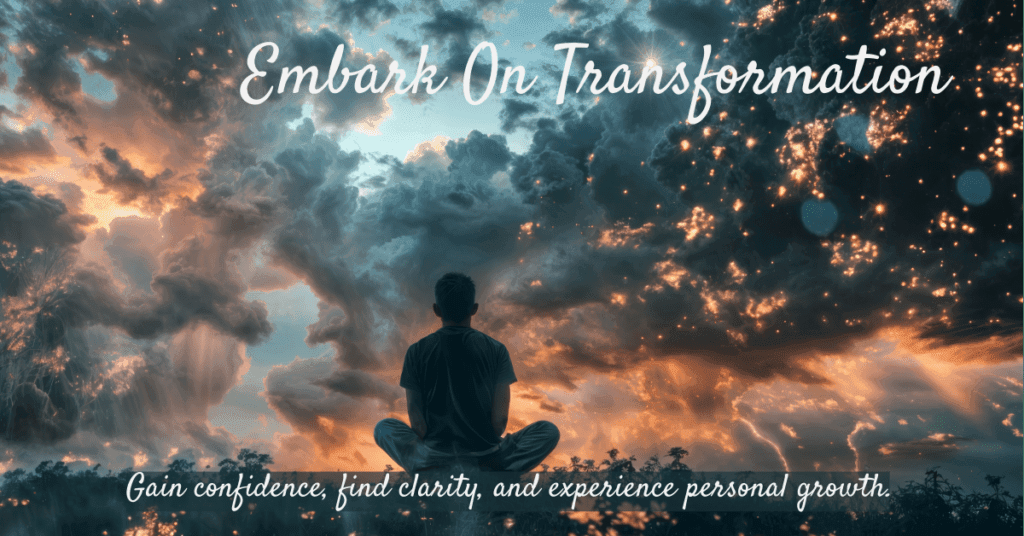
Overcoming limiting self-beliefs, In today’s fast-paced world, many of us are held back by invisible barriers—those nagging doubts and fears that whisper, “You’re not good enough,” or “You’ll never succeed.” These are known as limiting self-beliefs, and they can be incredibly powerful, shaping our reality and dictating the course of our lives. But what if I told you there’s a way to break free from these mental chains? What if you could learn to overcome limiting self-beliefs and step into a life filled with confidence, clarity, and purpose?
This is exactly what my new course, “Meditation for Overcoming Limiting Self-Beliefs,” is designed to help you achieve. Whether you’re new to meditation or a seasoned practitioner, this course offers a structured path to identifying, challenging, and transforming the negative beliefs that hold you back.
What Are Limiting Self-Beliefs?
Limiting self-beliefs are the deep-seated thoughts and feelings that create barriers in our minds. They are often formed in childhood or through repeated negative experiences and become ingrained in our psyche over time. Examples of limiting beliefs might include thoughts like, “I’m not smart enough,” “I don’t deserve success,” or “I’m not attractive enough.”
These beliefs don’t just stay in our heads; they manifest in our actions, or more accurately, our inactions. They can cause us to procrastinate, avoid challenges, or settle for less than we’re capable of. In essence, limiting self-beliefs keeps us from living our best lives.
How Meditation Helps in Overcoming Limiting Self-Beliefs
Meditation is a powerful tool that helps us become aware of our thoughts and emotions in a non-judgmental way. When we meditate, we create a space where we can observe our thoughts without being controlled by them. This heightened awareness is the first step toward changing our thought patterns.
In my course, “Meditation for Overcoming Limiting Self-Beliefs,” I guide you through various meditation techniques that are specifically designed to help you:
Identify Limiting Beliefs: Through mindfulness and reflection, you’ll learn to recognize the negative thoughts that regularly surface in your mind.
Challenge These Beliefs: Once identified, I’ll show you how to question the validity of these beliefs and see them for what they are—assumptions rather than facts.
Reframe Your Thoughts: With guided meditations, you’ll practice replacing limiting beliefs with empowering ones, gradually rewiring your mind to support your goals and desires.
The Structure of the Course
This course is carefully structured to ensure that each participant can make meaningful progress at their own pace. Here’s what you can expect:
Module 1: Introduction to Meditation Start with the basics, whether you’re new to meditation or looking to refine your practice. This module lays the groundwork for your journey.
Module 2: Deep Dive into Limiting Beliefs Learn to identify and understand the core beliefs that have been holding you back.
Module 3: Reframing Through Meditation Discover powerful techniques to reframe and transform your limiting beliefs into positive, empowering thoughts.
Module 4: Integrating Meditation into Daily Life Build a sustainable meditation practice that you can carry with you beyond the course, ensuring lasting change.
Module 5: Advanced Techniques for Long-Term Success Explore deeper meditation practices that reinforce your new mindset and help you maintain your progress.
Why This Course Is Different
What sets this course apart is its focus on practical, actionable steps. You won’t just be sitting in silence; you’ll be actively engaging with your mind, using proven techniques to shift your perspective and change your life. The exercises are designed to be integrated into your daily routine, making it easier to maintain consistency and see real results.
Join the Journey to a Better You
Overcoming limiting self-beliefs isn’t a quick fix—it’s a journey of self-discovery and growth. But with the right guidance and tools, it’s a journey that can lead to profound transformation. If you’re ready to break free from the thoughts that have been holding you back, I invite you to join me in this course. Together, we can unlock the full potential of your mind and create a life of purpose and fulfilment.
Limiting beliefs are those pesky thoughts that tell us we aren’t enough—whether it’s not being good enough, smart enough, young enough, or experienced enough. In this post, we cover some common limiting beliefs and exercises for overcoming limiting beliefs. These beliefs can hold us back from achieving our full potential and living the life we truly desire. They can stem from past experiences, societal pressures, or even our self-imposed expectations. The good news? These limiting beliefs can be overcome. In this post, we’ll dive into common limiting beliefs, offer exercises to reframe these thoughts, and provide a guided meditation and visualization exercise to help you on your journey to success.
Here are some common limiting beliefs and simple exercises for overcoming limiting beliefs.
1. “I’m Not Good Enough to Manage This Project.”
This belief is rooted in fear of failure and lack of confidence. But let’s flip the script. You were chosen for this project for a reason—because you have the skills and capabilities to succeed.
Reframing Exercise:
Acknowledge the Fear: Write down your specific fear about this project. Example: “I fear I won’t meet the expectations.”
Challenge the Belief: Ask yourself, “Is this belief 100% true? What evidence do I have that I’m not good enough?”
Reframe the Thought: Replace the negative belief with a positive affirmation. Example: “I have the skills and experience needed to excel in this project.”
Action Steps: Break down the project into smaller tasks and tackle them individually. Celebrate each small win to build your confidence.
2. “I’m Too Young to Be a Manager.”
Age is often seen as a barrier to leadership, but the reality is, that leadership is more about skills, mindset, and the ability to inspire others.
Reframing Exercise:
Identify the Limiting Belief: Write down your thoughts about why you believe age is a barrier. Example: “People won’t take me seriously because I’m young.”
Gather Evidence: List out all the successful young leaders you admire. What qualities do they have that you can emulate?
Reframe the Belief: “My age is an asset; it brings fresh perspectives and energy to my role.”
Take Action: Focus on developing key leadership qualities like communication, empathy, and decision-making. Seek mentorship from experienced leaders.
3. “I Don’t Have Enough Time to Invest in Myself.”
Time is a finite resource, but prioritizing personal development is crucial for long-term success.
Reframing Exercise:
Evaluate Your Time: Write down how you currently spend your time. Identify time-wasters and areas where you could allocate time more effectively.
Reframe the Thought: “Investing in myself is essential, and I can find time by prioritizing what’s important.”
Create a Plan: Integrate small personal development activities into your daily routine, such as reading for 10 minutes before bed or practising mindfulness during breaks.
4. “I’m Not Smart Enough to Lead This Meeting.”
Imposter syndrome can make you feel inadequate, but preparation is your best ally.
Reframing Exercise:
Prepare Thoroughly: Familiarize yourself with the meeting agenda and possible challenges. Practice your presentation and anticipate questions.
Challenge the Belief: Ask yourself, “What makes me believe I’m not smart enough? What have I done in the past that proves otherwise?”
Reframe the Thought: “I am knowledgeable and prepared. My role is to facilitate, not to have all the answers.”
Action Steps: After the meeting, reflect on what went well and areas for improvement to continue building confidence.
5. “I Don’t Have Enough Experience for This Big Career Move.”
Experience is valuable, but so is your willingness to learn and adapt.
Reframing Exercise:
Identify Transferable Skills: Write down your skills that are relevant to the new role, even if they’re not directly related.
Seek Learning Opportunities: Research the industry or role you’re interested in and start learning now—take courses, read industry news, and connect with professionals in the field.
Reframe the Belief: “I am capable of learning and adapting quickly. My fresh perspective is an asset.”
Action Steps: Apply for the role, highlighting your transferable skills and your proactive learning efforts.
6. “I’ll Never Be Successful in My Industry.”
Success is subjective, and it’s important to define what it means to you personally.
Reframing Exercise:
Define Success: Write down what success means to you—financial stability, recognition, making an impact, etc.
Set Realistic Goals: Break down your definition of success into achievable milestones. Celebrate each small victory along the way.
Reframe the Belief: “Success is a journey, and I am making progress every day.”
Action Steps: Surround yourself with supportive people who believe in your potential and can offer guidance.
7. “I Don’t Have Enough Money to Enjoy My Life.”
Financial limitations can be stressful, but they don’t have to control your happiness.
Reframing Exercise:
Create a Budget: Identify your priorities and align your spending with what brings you joy.
Focus on Gratitude: Make a daily habit of writing down things you’re grateful for. This shifts your focus from lack to abundance.
Reframe the Thought: “I can enjoy life by focusing on what truly matters—experiences and relationships, not material possessions.”
Action Steps: Explore ways to increase your income, such as side gigs, or reduce unnecessary expenses.
8. “I’ll Never Be One of the Best on the Team.”
Comparison is the thief of joy. Focus on your growth instead.
Reframing Exercise:
Focus on Self-Improvement: Identify areas where you want to improve and create a plan to work on them.
Seek Feedback: Ask for constructive feedback from colleagues and use it to fuel your growth.
Reframe the Belief: “I am committed to becoming the best version of myself, and that’s what matters most.”
Action Steps: Set personal goals and track your progress regularly.
9. “I’m Not Talented Enough to Get a Promotion.”
Talent is important, but hard work and perseverance are often the real keys to success.
Reframing Exercise:
Identify Areas for Growth: Write down the skills or knowledge areas where you feel you need improvement.
Create a Growth Plan: Take on challenging tasks that push you out of your comfort zone. Seek out learning opportunities.
Reframe the Thought: “My dedication and effort will earn me the promotion I deserve.”
Action Steps: Regularly review your progress and adjust your growth plan as needed.
10. “I’ll Never Be a Great Leader with My Lack of Confidence.”
Leadership isn’t about being the most confident person in the room—it’s about guiding and inspiring others.
Reframing Exercise:
Start Small: Volunteer for leadership roles in projects or initiatives where you feel comfortable.
Seek Out Leadership Training: Invest in leadership development through courses, workshops, or mentorship.
Reframe the Belief: “I am growing into the leader I aspire to be, and each experience builds my confidence.”
Action Steps: Reflect on each leadership experience and learn from it, gradually building your leadership skills.
Find a Quiet Space: Sit or lie down in a comfortable position. Close your eyes and take a few deep breaths, inhaling through your nose and exhaling through your mouth.
Focus on Your Breath: Pay attention to the rhythm of your breath. With each inhale, feel your body fill with positive energy. With each exhale, release any tension or negativity.
Visualize Your Limiting Belief: Imagine the limiting belief as a dark cloud. See it hovering above you, blocking the sunlight.
Transform the Cloud: With each breath, see the dark cloud dissipate, transforming into a bright, warm light. This light represents your new, empowering belief.
Affirm Your New Belief: As the light surrounds you, repeat a positive affirmation that counters your limiting belief. Example: “I am capable and deserving of success.”
Embrace the Light: Feel the warmth and positivity of the light filling your entire being. Allow it to energize and empower you.
Slowly Return to the Present: Gradually bring your awareness back to the room. Wiggle your fingers and toes, and when you’re ready, open your eyes.
Visualization Exercise: Future Success
Relax and Close Your Eyes: Find a comfortable position, close your eyes, and take a few deep breaths.
Imagine Your Future Self: Picture yourself in the future, having overcome your limiting beliefs. See yourself successful, confident, and happy.
Detail the Scene: Imagine where you are, what you’re doing, and who is with you. Engage all your senses to make the visualization vivid and real.
Feel the Emotions: Connect with the emotions you’re experiencing in this future scenario—joy, pride, fulfilment. Let these positive emotions fill your heart.
Anchor the Feeling: Choose a physical gesture (like pressing your thumb and forefinger together) to anchor this positive feeling. Use this gesture whenever you need a confidence boost.
Slowly Return: Bring your awareness back to the present moment, feeling empowered and motivated by your vision of future success.
FAQ: Overcoming Limiting Beliefs
Q: How do I identify my limiting beliefs? A: Start by paying attention to your inner dialogue. Notice any negative thoughts that arise, especially when you’re faced with challenges or opportunities. Write them down and ask yourself if they are facts or just beliefs.
Q: Can limiting beliefs be completely eliminated? A: While it’s challenging to eliminate them completely, you can significantly reduce their power over you by consistently challenging and reframing them.
Q: How long does it take to overcome a limiting belief? A: The time it takes can vary depending on the belief and how deeply ingrained it is. However, with consistent effort and the right strategies, many people start to see changes in a few weeks to a few months.
Q: What if I relapse into old beliefs? A: Relapses are normal and part of the process. When this happens, acknowledge it without judgment, revisit your reframing exercises, and reaffirm your commitment to your new beliefs.
Q: How can I support someone else in overcoming their limiting beliefs? A: Offer encouragement, listen without judgment, and gently challenge their negative beliefs by asking questions that prompt them to think differently.
Conclusion Limiting beliefs are powerful, but so is your ability to overcome them. By reframing these negative thoughts and replacing them with empowering beliefs, you can unlock your true potential and achieve success in every area of your life. Remember, success is not about being perfect—it’s about making progress. Keep moving forward, and you’ll be amazed at how far you can go.
This blog post provides a comprehensive guide to overcoming limiting beliefs with practical exercises, guided meditation, and answers to common questions. The reframing exercises are designed to help readers actively change their thought patterns and build confidence in their abilities. By incorporating these strategies into daily life, readers can break free from self-doubt and embrace their full potential.
Rediscovering Inner Power: Breaking Free from External Distractions
In today’s hyper-connected world, we are constantly bombarded with information, opinions, and distractions. These external forces often keep us from tapping into our true potential, diverting our attention away from our inner power—the innate strength that each of us possesses but too often neglects. As I encountered a piece of art that resonated deeply with me, I felt compelled to share my thoughts on how we can reclaim our inner power and live a life of purpose and meaning.
The Digital Age: A Breeding Ground for Echo Chambers
We live in an era where expressing opinions has never been easier. Social media platforms, online forums, and comment sections allow us to share our thoughts instantly with a global audience. However, this ease of communication has given rise to a new phenomenon: echo chambers. These are spaces where like-minded individuals gather, reinforcing each other’s views while dismissing or attacking opposing perspectives.
The Dangers of Living in an Echo Chamber
Echo chambers are harmful because they create an illusion of consensus, leading us to believe that our opinions are universally shared and unassailable. This false sense of security stifles intellectual growth and prevents us from considering alternative viewpoints. In such environments, there is little room for civilized debate, respect, or understanding.
Instead of fostering meaningful discussions, echo chambers breed division, prejudice, and intolerance. When we surround ourselves with only those who agree with us, we lose the opportunity to learn, grow, and refine our beliefs. The echo chamber becomes a self-imposed prison, trapping us in a cycle of confirmation bias and intellectual stagnation.
The Corporate Agenda: Keeping You Distracted
Beyond the echo chambers, there is another powerful force at play: corporations. These entities wield immense influence over our lives, shaping not only the products we consume but also the information we receive. From advertisements to news media, corporations design their messages to keep us engaged and, more importantly, distracted.
The Impact of Consumer Culture on Inner Strength
Consumer culture encourages us to focus on external validation—whether it’s through the latest gadget, fashionable clothing, or trending news. We’re constantly told that our happiness and success depend on acquiring these external markers of achievement. But in reality, this mindset pulls us further away from our inner power.
When we place our value on material possessions or societal approval, we lose sight of the strength within us. Our inner power becomes dormant, overshadowed by the relentless pursuit of external rewards. The more we allow ourselves to be distracted by consumer culture, the more we distance ourselves from our true potential.
Awakening to the Truth: The World is Happening From You
One of the most profound realizations we can have is that the world is not happening to us—it is happening from us. This concept may seem abstract, but it is grounded in the understanding that our thoughts, beliefs, and actions shape our reality. Each of us possesses a mind so powerful that it can influence not only our personal experiences but also the world around us.
Harnessing Your Inner Power to Shape Reality
Our thoughts are the building blocks of our reality. The way we perceive the world, the beliefs we hold, and the actions we take all contribute to the reality we experience. When we recognize this, we can begin to harness our inner power to create the life we desire.
To do this, we must first break free from the distractions that keep us focused on the external. This means turning inward, reflecting on our thoughts and emotions, and cultivating a sense of inner peace. By doing so, we can tap into our inner strength and begin to shape our reality from a place of authenticity and purpose.
The Tragedy of Wasted Potential
Despite the incredible power of our minds, many of us waste our potential on trivial pursuits—petty squabbles, ego-driven conflicts, and the relentless chase for material success. This is a tragedy of epic proportions, as it prevents us from living up to our true potential and contributing to the greater good.
Ego is one of the biggest obstacles to realizing our inner power. When we allow our ego to dominate our thoughts and actions, we become more concerned with how others perceive us than with our own personal growth. This leads to a cycle of comparison, competition, and conflict, all of which drain our inner strength.
To overcome this, we must shift our focus away from the ego and toward our inner self. This requires humility, self-awareness, and a willingness to let go of the need for external validation. By embracing our inner strength, we can move beyond the petty concerns of the ego and live a life that is aligned with our true purpose.
The Strangest Secret: Thinking for Yourself
The late Earl Nightingale, a pioneer in the field of personal development, famously said, “You become what you think about.” This simple yet profound statement encapsulates the essence of inner power. Our thoughts are incredibly powerful, and they play a crucial role in shaping our reality.
The Power of Independent Thought
In a world where we are constantly bombarded with information, it is more important than ever to think for ourselves. Independent thought is the key to unlocking our inner power. It allows us to question the narratives that are fed to us, challenge the status quo, and forge our own path.
By thinking for ourselves, we can break free from the influence of echo chambers and corporate agendas. We can begin to make decisions that are aligned with our true values and beliefs, rather than simply following the crowd. This is the first step toward reclaiming our inner power and living a life of authenticity and purpose.
Practical Steps to Cultivate Your Inner Power
Now that we understand the importance of inner power, the question remains: how do we cultivate it? Here are some practical steps to help you tap into your inner strength and begin shaping your reality:
1. Practice Mindfulness
Mindfulness is the practice of being fully present in the moment, without judgment. By practicing mindfulness, you can become more aware of your thoughts, emotions, and surroundings. This heightened awareness allows you to identify and challenge negative thought patterns that may be holding you back. It also helps you stay grounded in the present, reducing the influence of external distractions.
2. Develop a Daily Meditation Routine
Meditation is a powerful tool for cultivating inner power. By setting aside time each day to meditate, you can quiet the mind, reduce stress, and connect with your inner self. Meditation helps you develop mental clarity and focus, making it easier to harness your inner strength and direct it toward positive outcomes.
3. Challenge Your Beliefs
Take time to reflect on your beliefs and question where they come from. Are they truly your own, or have they been influenced by external sources? By challenging your beliefs, you can begin to uncover your true values and align your actions with them. This process of self-discovery is essential for cultivating inner power.
4. Set Intentional Goals
Goal-setting is a crucial aspect of harnessing inner power. However, it’s important to set goals that are aligned with your true purpose, rather than simply pursuing what society tells you to. By setting intentional goals, you can direct your inner strength toward achieving outcomes that are meaningful and fulfilling.
5. Surround Yourself with Positive Influences
The people you surround yourself with can have a significant impact on your inner power. Seek out relationships that uplift and inspire you, rather than those that drain your energy. Surrounding yourself with positive influences will help you stay focused on your personal growth and prevent you from getting caught up in negative thought patterns.
Conclusion: Reclaiming Your Inner Power in a Distracted World
In a world filled with distractions and external influences, it is easy to lose sight of our inner power. However, by recognizing the forces that seek to control us and taking steps to cultivate our inner strength, we can reclaim our power and live a life of authenticity and purpose.
Remember, the world is not happening to you—it is happening from you. Your thoughts, beliefs, and actions shape your reality. By embracing your inner power, you can break free from the distractions that hold you back and begin to create the life you truly desire.
Take the time to quiet the noise, reflect on your true values, and harness the incredible power within you. In doing so, you will transform your life and contribute to the greater good. The journey to reclaiming your inner power begins with a single step—thinking for yourself.
Used to monitor number of Google Analytics server requests when using Google Tag Manager
1 minute
_gid
ID used to identify users for 24 hours after last activity
24 hours
_ga_
ID used to identify users
2 years
_gali
Used by Google Analytics to determine which links on a page are being clicked
30 seconds
_ga
ID used to identify users
2 years
__utmx
Used to determine whether a user is included in an A / B or Multivariate test.
18 months
__utmv
Contains custom information set by the web developer via the _setCustomVar method in Google Analytics. This cookie is updated every time new data is sent to the Google Analytics server.
2 years after last activity
__utmz
Contains information about the traffic source or campaign that directed user to the website. The cookie is set when the GA.js javascript is loaded and updated when data is sent to the Google Anaytics server
6 months after last activity
__utmc
Used only with old Urchin versions of Google Analytics and not with GA.js. Was used to distinguish between new sessions and visits at the end of a session.
End of session (browser)
__utmb
Used to distinguish new sessions and visits. This cookie is set when the GA.js javascript library is loaded and there is no existing __utmb cookie. The cookie is updated every time data is sent to the Google Analytics server.
30 minutes after last activity
__utmt
Used to monitor number of Google Analytics server requests
10 minutes
__utma
ID used to identify users and sessions
2 years after last activity
_gac_
Contains information related to marketing campaigns of the user. These are shared with Google AdWords / Google Ads when the Google Ads and Google Analytics accounts are linked together.