Transform Your Professional Life with Mindful Visions, Mindfulness, Breathwork, and Visualisation
Mindful Visions, In today’s fast-paced professional world, many of us find ourselves overwhelmed by stress, mental clutter, and creativity blocks. We constantly juggle competing priorities, and in the chaos, we lose focus on what truly matters: our well-being and long-term success.
But what if you could take control of your stress, sharpen your focus, and unlock your creativity—all with just a few simple techniques?
Introducing “Mindful Visions: Harnessing Breath and Imagination for Professional Success,” the transformative eBook that teaches you how to integrate mindfulness, breathwork, and visualization techniques into your daily routine for lasting professional growth.
What is Mindful Visions About?
The eBook explores how you can use simple yet powerful practices to achieve mental clarity, emotional balance, and professional success. Here’s a breakdown of what you’ll learn:
Mindfulness for Clarity and Focus Discover how mindfulness can help you eliminate distractions, improve your concentration, and be fully present in your work. This section teaches you how to develop a mindfulness practice that enhances productivity and reduces stress.
Breathwork for Stress Relief and Grounding Your breath is more powerful than you think! Learn how conscious breathwork can help you stay calm under pressure, reduce anxiety, and centre yourself in any situation. This is crucial for anyone facing high-stress environments at work.
Visualization for Professional Growth Visualization is not just daydreaming—it’s a tool for success. You’ll learn how to visualize your professional goals and align your actions with them, making it easier to achieve what you’ve always dreamed of. This chapter is especially beneficial for professionals and entrepreneurs aiming to unlock their creative potential.
Integrating Mindfulness, Breathwork, and Visualization Combining these techniques creates a holistic approach to well-being and success. You’ll learn how to integrate these practices seamlessly into your busy schedule to see immediate and long-term benefits.
Why Mindfulness, Breathwork, and Visualization Work
The techniques discussed in “Mindful Visions” are rooted in psychology and neuroscience. Here’s why they are so effective:
Mindfulness helps you stay present and focused, cutting through the mental noise that often derails productivity.
Breathwork activates your parasympathetic nervous system, promoting calmness and reducing the body’s stress response.
Visualization leverages the power of your subconscious mind to shape positive outcomes. When you visualize success, your brain begins to believe it’s achievable, making it easier to stay motivated and take action.
These techniques don’t just reduce stress; they empower you to approach every professional challenge with a clear mind and focused intention. Over time, you’ll find that you’re not only more productive but also more creative, resilient, and fulfilled.
Who Is This eBook For?
Professionals looking to reduce stress and increase productivity
Entrepreneurs need to unlock creativity and foster innovation
Leaders aiming to create a more mindful, productive workplace
Anyone wanting to achieve personal and professional growth through mindfulness
Whether you’re working in a corporate setting or running your own business, this eBook is for you if you want to harness the power of mindfulness, breathwork, and visualization to overcome limiting beliefs and thrive in your professional journey.
Why Now Is the Perfect Time to Invest in Your Personal Growth
We live in a world where we’re constantly being pulled in a million directions. Between managing deadlines, tackling personal commitments, and handling daily stressors, it’s easy to feel disconnected from our purpose.
Mindful Visions offers a clear roadmap to help you refocus and reconnect with your personal and professional goals. By dedicating just a few minutes a day to these practices, you can transform the way you approach challenges and unlock your true potential.
Get Your Copy Today—50% Off Launch Price!
For a limited time, you can get “Mindful Visions: Harnessing Breath and Imagination for Professional Success” for just £9.99 (Regular Price: £19.99).
Don’t miss out on this exclusive offer and start your journey towards a more mindful, productive, and successful professional life today.
Final Thoughts
By incorporating mindfulness, breathwork, and visualization into your routine, you’ll gain the tools you need to thrive both personally and professionally. “Mindful Visions” makes these techniques easy to understand and apply, guiding you towards a life of balance and achievement.
In today’s fast-paced world, the concept of child burnout extends beyond adults struggling to balance their work-life commitments. Increasingly, children are facing significant levels of pressure stemming from academic demands, social expectations, and extracurricular engagements. Burnout in children is a genuine issue, often overlooked due to the common misconception that childhood should be inherently carefree. This guide aims to provide parents and caregivers with practical strategies for supporting a child experiencing burnout, using an empathetic and evidence-based approach.
Recognising Burnout in Children
Recognising burnout in children requires careful attention, as children are often unable to articulate their feelings in the same way that adults can. Instead, they exhibit burnout through behavioural changes. Key symptoms of burnout in children include withdrawal from previously enjoyed activities, increased irritability, difficulties in sleeping, persistent fatigue, and physical complaints such as headaches or stomach issues. Often, these symptoms stem from prolonged exposure to stress, which can originate from school pressures, social dynamics, or overstimulation due to excessive extracurricular activities.
Children today navigate an environment far more demanding than previous generations. They are expected to excel academically, maintain friendships, engage on social media, and participate in numerous extracurricular activities. This combination of pressures can easily lead to feelings of being overwhelmed. As parents, recognising these signs is crucial in helping children navigate difficult times. Importantly, burnout does not reflect a failure or weakness; rather, it signifies that a child’s emotional and mental resources are depleted. Our role as caregivers is to create an environment that allows them to rest, recover, and regain their capacity for joy.
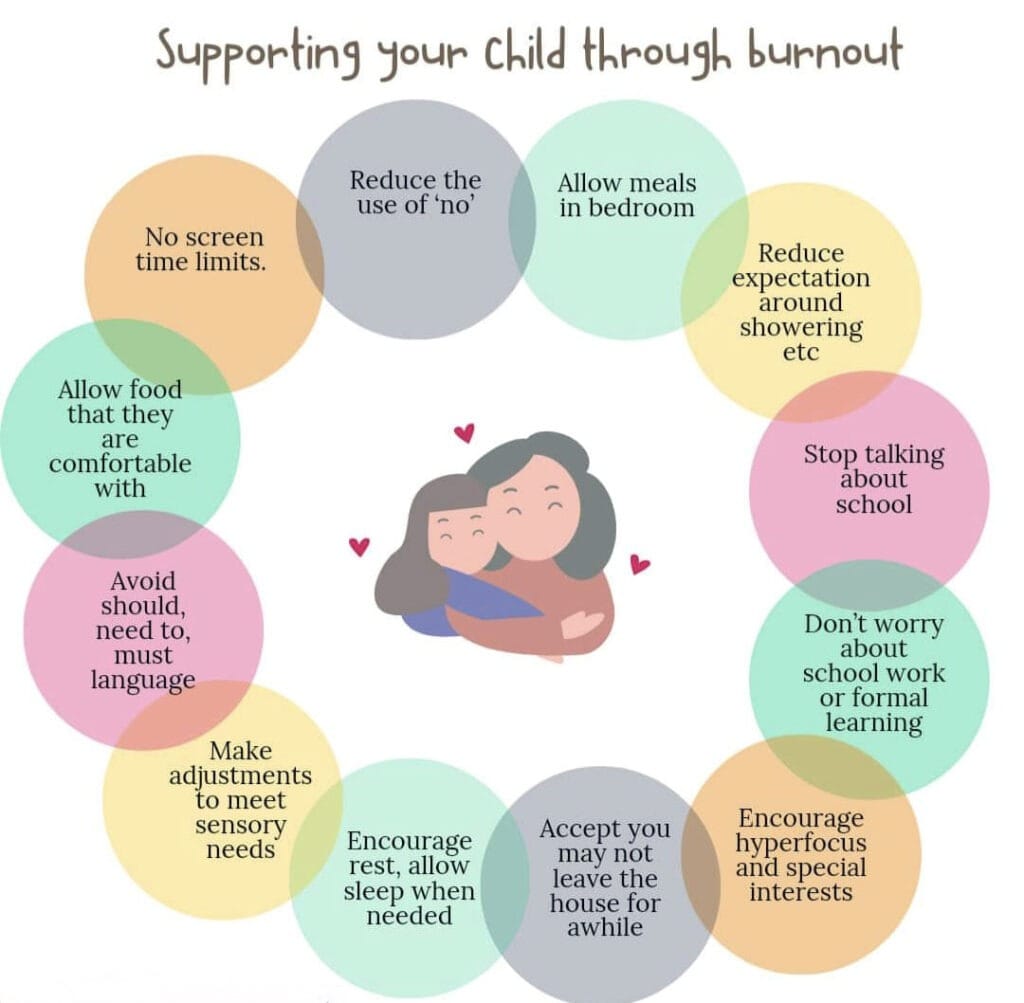
1. Reduce the Use of “No”
One effective approach for helping your child navigate burnout is to reduce the frequency with which you use the word “no.” When a child is already overwhelmed, constant denials can exacerbate feelings of restriction and misunderstanding. Instead, consider using more open and collaborative language.
For example, instead of saying, “No, you can’t play video games right now,” try rephrasing to, “How about we play video games after dinner?” Shifting from outright denial to offering compromises can validate their desires while maintaining necessary boundaries.
During burnout, children often seek greater control over their environment. Reducing the use of “no” helps them regain some autonomy and builds resilience during a challenging period. Providing choices also helps foster independence and problem-solving skills, reinforcing their ability to make decisions. This supportive environment not only aids in the recovery process but also enhances their confidence and decision-making skills, which are valuable for future development.
2. Allow Meals in the Bedroom
For many families, meal times are an opportunity to come together. However, for a child experiencing burnout, flexibility regarding mealtime locations can help alleviate stress. Allowing your child to have meals in their bedroom, a place where they feel secure and comfortable, can be an effective way to accommodate their needs during this difficult period.
Burnout often leaves children emotionally exhausted or overstimulated, making traditional family gatherings overwhelming. Allowing meals in a private space communicates empathy and a willingness to prioritise their comfort. While family meals are valuable, it’s important to recognise when adapting to their immediate needs is more beneficial.
You can also make mealtimes more enjoyable by allowing them to choose their favourite foods or by creating special occasions like a picnic in their room. The goal is to minimise stress and foster a positive association with eating, ultimately helping them feel cared for and more relaxed.
3. Reduce Expectations Around Showering and Daily Routines
Daily self-care tasks such as showering or brushing teeth can feel overwhelming for a child experiencing burnout. This often results from a combination of sensory sensitivities and a lack of energy, making even basic activities seem insurmountable. Lowering expectations around these routines can reduce pressure and create a more compassionate environment.
Instead of insisting on daily showers, consider more flexible alternatives. For instance, using cleansing wipes or sharing a relaxing bath can make these routines feel less burdensome. The goal is to replace rigid expectations with a compassionate approach, recognising that adherence to routines will naturally improve as the child begins to recover.
You might also consider incorporating small, non-coercive rewards to celebrate progress without creating additional pressure. By acknowledging every effort, no matter how small, you can help gradually reintroduce routines in a positive, supportive manner.
4. Avoid Talking About School
Academic pressures, including assignments, tests, and social dynamics, are among the most significant contributors to childhood burnout. For a child already struggling, taking a break from school-related discussions can be immensely beneficial.
Frequent conversations about school can reinforce feelings of inadequacy or failure, heightening anxiety. Instead, focus on non-academic aspects of their life—such as hobbies, joyful activities, or simply spending unstructured time together. Reinforcing the idea that their worth is not contingent on academic success is crucial.
Engage in activities that promote relaxation and enjoyment. Playing games, cooking together, or going for a walk are excellent ways to support your child emotionally without invoking academic stress. These moments of connection can have a powerful therapeutic effect and help them feel understood and valued beyond their performance in school.
5. Allow Food They Are Comfortable With
Children experiencing burnout may struggle to cope with changes, even minor ones like trying new foods. Allowing them to eat foods they find comforting can provide stability during a period when much else feels out of control.
This approach does not mean disregarding nutritional needs indefinitely but rather recognising the therapeutic role comfort foods can play in their recovery. If they want mac and cheese or cereal for dinner, prioritising their emotional needs over rigid meal plans can aid in their overall well-being. Once they start feeling better, introducing a broader range of healthy foods will become more feasible.
Involving your child in meal preparation when they feel up to it can also be beneficial. Allowing them to choose what they eat and helping to prepare it can foster a sense of accomplishment and reinforce a sense of control during recovery.
6. Avoid “Should,” “Need To,” and “Must” Language
Language plays a significant role in how children perceive and respond to demands. Phrases such as “You should do your homework” or “You need to clean your room” impose a sense of urgency that can be overwhelming for a child dealing with burnout.
Instead, use softer language that emphasises choice and autonomy. For example, saying, “Would you prefer to work on your homework now or after a break?” offers them a sense of control. This reduces the perceived pressure and helps them manage their tasks at a pace that feels more achievable.
You could also use empathetic statements like, “I understand you’re feeling tired. Let’s figure out a way to make this easier for you.” Such statements validate their feelings while still encouraging action, which can help them approach necessary tasks without feeling coerced.
7. Make Adjustments to Meet Sensory Needs
Burnout often exacerbates a child’s sensitivity to sensory input—bright lights, loud noises, or uncomfortable clothing can become particularly distressing. Identifying specific sensory triggers by observing your child’s reactions can help you make effective adjustments to their environment.
Consider dimming the lights, providing noise-cancelling headphones, or allowing your child to wear soft, comfortable clothing. Small adjustments can significantly reduce stress and help create a supportive environment.
Creating a “sensory toolkit” may also be helpful. Items like fidget toys, weighted blankets, or calming scents can provide comfort and give your child tools to manage sensory overload independently. This proactive approach can help them regain a sense of control over their sensory experiences.
Burnout is physically and mentally exhausting, and often the most effective way to aid recovery is by allowing your child to rest. Naps and extra sleep should be encouraged without guilt or anxiety, as sleep is essential for restoring depleted energy.
Instead of adhering to strict bedtime routines, focus on creating a calming atmosphere conducive to sleep. This could involve dimming the lights, reading a comforting story, or playing soft music. Recognising that sleep is a critical part of recovery can help both you and your child prioritise rest without added pressure.
Encourage restful activities during the day, such as listening to soothing music, practising deep breathing, or engaging in gentle yoga. These activities promote relaxation and can help your child prepare for better sleep, improving their overall mood and resilience.
9. Accept That You May Not Leave the House for a While
Social activities, while often enjoyable, can be draining for a child experiencing burnout. Accepting that your child may need time away from social obligations can alleviate the pressure they feel to “get back to normal.”
Instead of pushing for social engagement, create positive and enjoyable experiences at home. Building a blanket fort, having a movie marathon, or simply spending quiet time together can be incredibly beneficial. Embracing their need for a safe and restful space gives them the freedom to heal at their own pace.
It’s also important to reassure your child that taking a break from social activities is okay. Emphasise that their well-being is the priority and that they can return to social interactions when they feel ready, which can help reduce feelings of guilt or fear of missing out.
10. Encourage Hyperfocus and Special Interests
During burnout, children often find solace in activities they are passionate about. Whether it’s drawing, building with LEGO, or reading about dinosaurs, these special interests can provide a therapeutic outlet.
Hyperfocus can be beneficial as it allows immersion in a beloved activity, providing a break from stressors. However, it is crucial to maintain a balance so that hyperfocus does not lead to avoidance of other necessary activities. Encouraging your child to indulge in these passions while setting gentle boundaries ensures that other aspects of their life are also attended to.
You can establish specific times for hyperfocus activities while ensuring breaks for meals, outdoor activities, or family interactions. This way, they can enjoy their interests without neglecting their broader needs, fostering a balanced approach to their recovery.
11. Don’t Worry About School Work or Formal Learning
Burnout can significantly impair a child’s ability to concentrate and retain information, making traditional academic tasks feel impossible. Pressuring them to engage with formal learning during burnout may hinder their recovery.
Instead, focus on informal, enjoyable learning opportunities. Cooking together can become a lesson in measurements, or watching nature documentaries can spark curiosity. These activities nurture a love for learning in a stress-free context.
Encouraging creative activities like drawing, storytelling, or building projects can also stimulate their minds without the rigidity of formal academics. This allows them to explore interests and learn at their own pace, which is particularly important during burnout recovery.
Final Thoughts: Nurturing with Empathy
Supporting your child through burnout requires empathy, flexibility, and a willingness to set aside traditional expectations in favour of what your child genuinely needs. Burnout recovery is not a linear process—there will be good days and difficult days, but the most critical factor is creating an environment where your child feels safe, loved, and understood.
The strategies shared in this guide are all rooted in compassion and reflect an understanding of the challenges that children face in today’s demanding world. By reducing pressures, offering comfort, and giving them time to recover, you are not only helping your child overcome burnout but also teaching them that their mental health matters and that it’s okay to step back when life becomes overwhelming.
As parents, our instinct is often to solve problems as quickly as possible. However, in the case of burnout, the best gift you can give your child is patience, understanding, and unwavering support. By being present—unconditionally and without judgment—you empower them to heal on their terms, in their time.
Recovery from burnout is a journey, and every small step forward is a victory. Celebrate the little milestones, whether it’s your child expressing interest in an activity they once enjoyed or simply feeling more at ease. With your love and support, they will gradually find their way back to a place of balance, joy, and resilience.
In the intricate dance of human emotions, neurohormones play a starring role. These chemical messengers bridge the gap between the nervous and endocrine systems, influencing our moods, stress responses, and overall emotional well-being. Understanding how neurohormones work can offer profound insights into why we feel the way we do, and how we can take proactive steps to manage our emotions more effectively. In this post, we’ll delve into the science of neurohormones and explore how practices like meditation and visualization can help us regulate these powerful chemicals to foster emotional balance and resilience.
What Are Neurohormones?
Neurohormones are chemicals produced by neurons (nerve cells) that enter the bloodstream to exert effects on distant organs and tissues. Unlike neurotransmitters, which act at synapses (the junctions between nerve cells), neurohormones have broader, systemic effects because they circulate throughout the body. They play a key role in regulating various physiological processes, including growth, metabolism, and, crucially, emotions.
Key Neurohormones and Their Impact on Emotions
Let’s explore some of the most significant neurohormones and how they influence our emotional states:
1. Cortisol: The Stress Hormone
Role: Cortisol is produced by the adrenal glands in response to stress. It helps the body manage stress by increasing blood sugar levels, enhancing brain function, and suppressing non-essential bodily functions like digestion.
Emotional Impact: While cortisol is essential for survival, chronic elevation can lead to anxiety, depression, and cognitive decline. Prolonged stress keeps cortisol levels high, which can result in a range of negative emotional and physical outcomes, such as insomnia, irritability, and even weight gain.
2. Adrenaline (Epinephrine): The Energy Booster
Role: Adrenaline is released during the “fight or flight” response, preparing the body for quick action. It increases heart rate, blood pressure, and energy supply, giving you the physical capacity to handle immediate threats.
Emotional Impact: Adrenaline can create feelings of excitement or anxiety, depending on the context. While short bursts can enhance focus and performance, chronic adrenaline release, often due to persistent stress, can contribute to anxiety disorders and a state of constant hyperarousal.
3. Oxytocin: The Love Hormone
Role: Oxytocin is produced in the hypothalamus and released by the pituitary gland. It is crucial for social bonding, childbirth, and lactation.
Emotional Impact: Often dubbed the “love hormone,” oxytocin fosters feelings of trust, empathy, and connection. It is particularly important in the bonding process between mothers and their infants and plays a role in romantic and social relationships. Higher oxytocin levels are linked to greater emotional stability and reduced stress.
4. Serotonin: The Mood Stabilizer
Role: Serotonin regulates mood, appetite, and sleep. It is primarily produced in the gut and the brain.
Emotional Impact: Serotonin is key to feeling happy and content. Low levels are associated with depression, anxiety, and mood disorders. Many antidepressants work by increasing serotonin levels in the brain, helping to elevate mood and improve emotional well-being.
5. Dopamine: The Reward Molecule
Role: Dopamine is involved in reward, motivation, and pleasure. It plays a role in how we perceive and pursue rewards.
Emotional Impact: Dopamine drives our desire to seek pleasure and rewards, influencing habits and behaviours. Balanced dopamine levels lead to feelings of satisfaction and motivation, but imbalances can result in mood disorders, addictions, and conditions like Parkinson’s disease.
6. Endorphins: The Natural Painkillers
Role: Endorphins are released during physical activity, stress, or pain, acting as natural painkillers and mood enhancers.
Emotional Impact: Endorphins can create a sense of euphoria, often referred to as the “runner’s high.” They help buffer the effects of stress and can improve mood, reduce anxiety, and alleviate pain.
7. Vasopressin: The Social Behavior Modulator
Role: Vasopressin regulates water balance in the body but also influences social behaviour, particularly in males.
Emotional Impact: Vasopressin is linked to social behaviours, including aggression and bonding. It can influence feelings of territoriality and partner bonding, particularly in males, contributing to emotional responses related to social interactions.
While neurohormones play a significant role in shaping our emotions, we are not merely passive recipients of their effects. Through practices like meditation and visualization, we can actively influence the balance and function of these neurohormones, leading to greater emotional stability and resilience.
Meditation: Calming the Neurohormonal Storm
Meditation is a powerful tool for managing stress and promoting emotional well-being. Research shows that regular meditation can reduce the levels of cortisol and adrenaline, helping to lower stress and anxiety. Here’s how meditation influences neurohormones:
Reduces Cortisol: Mindfulness meditation, in particular, has been shown to lower cortisol levels, leading to reduced stress and anxiety. By focusing on the present moment and engaging in deep, mindful breathing, meditation activates the parasympathetic nervous system, which helps to counteract the stress response and lower cortisol production.
Boosts Serotonin: Meditation can increase the production of serotonin, enhancing mood and creating a sense of inner peace. Practices that involve deep breathing, such as pranayama in yoga, can particularly boost serotonin levels.
Enhances Oxytocin: Loving-kindness meditation, which focuses on cultivating feelings of love and compassion, can increase oxytocin levels, fostering feelings of connection and empathy. This can improve relationships and enhance overall emotional well-being.
Increases Endorphins: Meditation, especially forms that involve movements like yoga or tai chi, can stimulate the release of endorphins, promoting a sense of euphoria and reducing pain.
Visualization: Rewiring the Brain for Positive Emotions
Visualization, the practice of creating detailed mental images, can also have a profound impact on neurohormones. By visualizing positive outcomes and experiences, we can stimulate the brain’s reward systems and promote the release of neurohormones that enhance mood and well-being.
Stimulates Dopamine: Visualization can activate the brain’s reward circuitry, increasing dopamine levels. By vividly imagining achieving a goal or experiencing a positive outcome, you trigger dopamine release, which not only feels good but also motivates you to take action towards your goals.
Promotes Relaxation: Visualization can also lower cortisol levels by creating a mental escape from stress. Guided imagery, where you visualize a peaceful scene like a beach or forest, can induce relaxation, reducing stress and promoting a calm, positive state of mind.
Enhances Resilience: Visualizing yourself handling stressful situations with confidence and calm can prepare your brain and body to respond to actual stress with less cortisol and adrenaline release. This mental rehearsal builds emotional resilience, helping you to manage real-life challenges more effectively.
Integrating Meditation and Visualization into Daily Life
To harness the benefits of meditation and visualization, consistency is key. Here are some practical tips to integrate these practices into your daily routine:
Start Small: Begin with just 5-10 minutes of meditation or visualization each day. Gradually increase the duration as you become more comfortable with the practice.
Choose a Technique: Experiment with different types of meditation (e.g., mindfulness, loving-kindness, body scan) and visualization exercises (e.g., goal visualization, guided imagery) to find what works best for you.
Create a Routine: Establish a regular time and place for your practice. Consistency helps reinforce the habit and maximizes the benefits.
Use Guided Sessions: If you’re new to meditation or visualization, consider using guided sessions available through apps or online platforms. These can provide structure and support as you build your practice.
Reflect on Progress: After each session, take a moment to reflect on how you feel. Over time, you may notice changes in your emotional responses, stress levels, and overall well-being.
Conclusion: Taking Charge of Your Emotional Well-Being
Understanding the role of neurohormones in emotions empowers us to take proactive steps in managing our emotional health. While these powerful chemicals influence our moods and behaviours, we are not at their mercy. Through practices like meditation and visualization, we can regulate neurohormone levels, fostering a state of emotional balance, resilience, and well-being.
By making these practices a regular part of your life, you can create a more harmonious relationship between your mind and body, allowing you to navigate life’s challenges with greater ease and confidence. Whether you’re seeking to reduce stress, enhance your mood, or cultivate a greater sense of peace, meditation and visualization offer powerful tools to help you achieve your emotional well-being goals.
Used to monitor number of Google Analytics server requests when using Google Tag Manager
1 minute
_gid
ID used to identify users for 24 hours after last activity
24 hours
_ga_
ID used to identify users
2 years
_gali
Used by Google Analytics to determine which links on a page are being clicked
30 seconds
_ga
ID used to identify users
2 years
__utmx
Used to determine whether a user is included in an A / B or Multivariate test.
18 months
__utmv
Contains custom information set by the web developer via the _setCustomVar method in Google Analytics. This cookie is updated every time new data is sent to the Google Analytics server.
2 years after last activity
__utmz
Contains information about the traffic source or campaign that directed user to the website. The cookie is set when the GA.js javascript is loaded and updated when data is sent to the Google Anaytics server
6 months after last activity
__utmc
Used only with old Urchin versions of Google Analytics and not with GA.js. Was used to distinguish between new sessions and visits at the end of a session.
End of session (browser)
__utmb
Used to distinguish new sessions and visits. This cookie is set when the GA.js javascript library is loaded and there is no existing __utmb cookie. The cookie is updated every time data is sent to the Google Analytics server.
30 minutes after last activity
__utmt
Used to monitor number of Google Analytics server requests
10 minutes
__utma
ID used to identify users and sessions
2 years after last activity
_gac_
Contains information related to marketing campaigns of the user. These are shared with Google AdWords / Google Ads when the Google Ads and Google Analytics accounts are linked together.