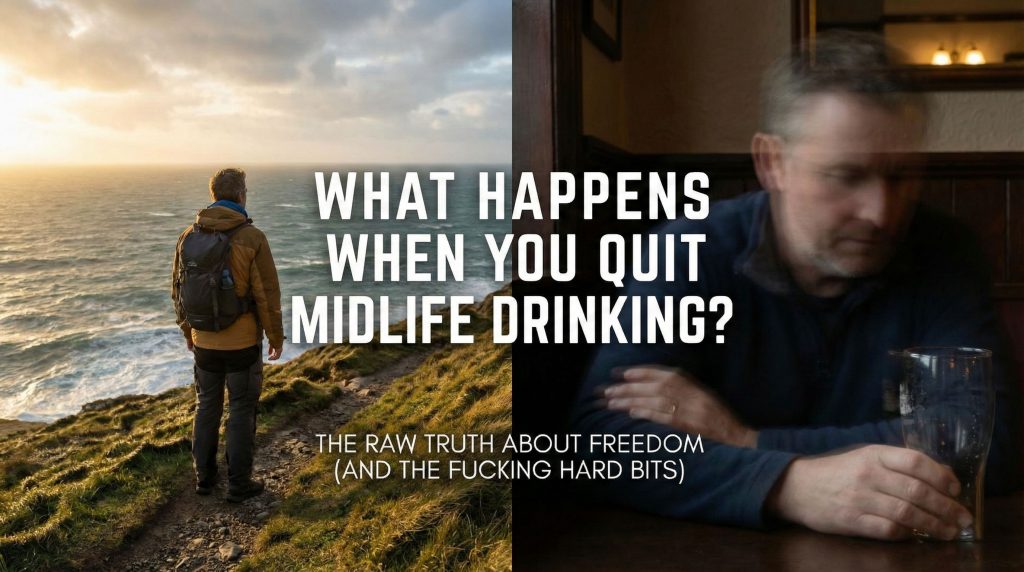
Quit Midlife Drinking. Let's cut the bullshit. You’re here because a part of you knows the bottle isn’t working anymore. It’s not the escape it once was. It’s become a cage. A dull, grey, increasingly cramped cage that you built for yourself, one drink at a time. You're in midlife, perhaps 40, 50, even 60, and the hangovers hit harder, the anxiety bites deeper, and the quiet dread in your gut screams louder than any fleeting buzz.
You're wondering, what actually happens if you put the damn glass down? Will life be a desolate, joyless landscape? Will you lose your mates? Will you be "that guy" who doesn't drink? These fears are real. They keep men trapped, silently suffering, convinced that the devil they know is better than the unknown abyss of sobriety.
But here’s the unvarnished truth: quitting midlife drinking isn’t about sacrifice. It’s about excavating the man you were meant to be, buried under years of booze, obligation, and quiet desperation. It’s about rewiring your brain and reclaiming your life. And yes, it’s going to be fucking hard in places. But the freedom on the other side? That’s something alcohol could never give you.
I’ve walked that path. I know the terror, the doubt, the sheer physical and mental grind of those early days. But I also know the profound, unexpected joys that emerge when you stop numbing yourself and start living. This isn’t about labels or dogma. This is about understanding what alcohol has done to you, and what happens when you finally break free.
The Slow Death: What Midlife Drinking Actually Does To You
Before we talk about quitting, let's get brutally honest about what consistent midlife drinking is doing. It’s not just a bit of stress relief. It’s a slow, insidious erosion of everything that matters.
The Silent Erosion of Purpose
Remember when you had to drive? Ambition? Projects that lit you up? For many men, midlife drinking slowly suffocates that. You start settling. The grand plans become "one day" dreams, then quiet regrets. Alcohol numbs the discomfort of unrealised potential, but it also drains the energy and clarity needed to pursue it. You become comfortable with mediocrity because the thought of actually doing something feels too overwhelming, and a drink is always easier. This is the heart of the midlife collapse, papered over with booze.
The Dopamine Trap: Hijacking Your Brain’s Reward System
Let’s talk biology. Your brain has a reward system, powered by dopamine. It’s designed to make you seek out things essential for survival – food, sex, and connection. Alcohol, particularly when consumed regularly, floods this system with dopamine. It's a massive, unnatural hit. Your brain, in its wisdom, tries to rebalance things. It reduces its own natural dopamine production and the sensitivity of its receptors.
What does this mean for you? Over time, you need more alcohol to get the same buzz. And more importantly, everyday pleasures – a good book, a walk in nature, a chat with a mate, a piece of music – no longer provide the same satisfaction. Your brain is wired to chase the big, cheap dopamine hit from booze, leaving the rest of life feeling flat and uninteresting. This is the core of cravings; your brain screaming for the easiest, biggest hit it knows.
The Nervous System on Edge: Always ‘On’
Alcohol is a depressant, right? Makes you relax. Initially, maybe. But chronic drinking, especially as you get older, throws your nervous system completely out of whack. Your body is constantly working to counteract the depressive effect of alcohol. When the alcohol leaves your system, your nervous system goes into overdrive, becoming hyper-aroused.
This manifests as chronic low-level anxiety, interrupted sleep, racing thoughts, irritability, and a constant feeling of being ‘on edge’. You drink to calm down, but the drinking itself creates the very anxiety you’re trying to escape. It's a vicious stress cycle, trapping you in a state of perpetual activation, making genuine rest and repair impossible.
The Shame & The Secret: The Invisible Burden
How much do you actually drink? Be honest. Now, how much do you tell people you drink? There’s often a gap. That gap is where shame lives. The sneaking an extra drink, the hiding bottles, the quiet calculation of how much is ‘acceptable’. This isn't just about the alcohol; it’s about the emotional load you carry. The lies, the self-deception, the fear of being found out. It isolates you, even when you’re surrounded by people. This secret gnaws at you, contributing to the quiet despair many men feel in midlife.
The First Tremors of Change: What Happens in the Early Days of Quitting
So, you’ve decided to put the plug in the jug. Good. Now, prepare yourself. The first few days and weeks are a battle. This isn't just a physical detox; it's a mental and emotional reckoning.
Alcohol Withdrawal: More Than Just a Hangover
Let's be clear: alcohol withdrawal can be serious. If you’re a heavy, daily drinker, talk to a doctor. Don't be a hero. They can guide you safely through it. For many grey area drinkers, it might not be life-threatening, but it’s certainly not pleasant.
Expect symptoms like:
Insomnia: Your sleep will be all over the place. Expect vivid dreams, waking up frequently, or struggling to fall asleep at all.
Anxiety & Panic: Your hyper-aroused nervous system will be screaming. Expect waves of intense anxiety, restlessness, and possibly panic attacks.
Irritability & Mood Swings: Your emotions will be raw. You’ll snap at loved ones, feel overwhelmed, and might want to punch something.
Physical Symptoms: Headaches, nausea, sweating, tremors, and heart palpitations. Your body is trying to rebalance itself after years of being poisoned.
Cravings: Your brain will scream for the dopamine hit it’s used to. These can be intense and feel unbearable.
This phase is tough, but it’s temporary. It’s your body and brain beginning the monumental task of healing.
The Raw Nerve: Feeling Everything Again
For years, alcohol was your emotional anaesthetic. Now, that anaesthetic is gone. Every irritation, every worry, every past regret, every unspoken sadness – it all comes rushing back. You’ll feel exposed, vulnerable, and probably overwhelmed. This is where many people relapse. They can’t stand the intensity of their own emotions.
But this raw nerve is also a sign of life. It’s the first step towards processing old trauma, unresolved issues, and the emotional load you’ve been carrying. It's uncomfortable, yes, but it’s necessary for true healing.
Battling the Beast of Boredom: The Void Alcohol Used to Fill
What did you do when you drank? Watch TV? Scroll your phone? Zone out? Now, there’s a gaping void where that ritual used to be. The evenings stretch out, seemingly endless. This boredom is brutal. It’s a powerful trigger for relapse, especially if you haven’t developed new ways to fill your time or engage your mind.
This is where many swap one addiction for another – endless scrolling, gaming, porn, dopamine loops. The key is to acknowledge the boredom, sit with it, and then consciously seek out new, healthier ways to engage your brain and body.
Sleep, Appetite, and Gut Chaos: Initial Disruption and the Slow Healing
In the early days, your sleep will be awful. Then, it will slowly improve, but it can take months for truly restorative sleep to return. Your appetite might fluctuate wildly – some lose it, some crave sugar intensely as their brain searches for quick dopamine. And your gut? Alcohol ravages your gut microbiome. Expect digestive issues initially, as your gut flora tries to rebalance. Focus on nutrient-dense foods and hydration. Your gut health is intrinsically linked to your brain health and mood.
Beyond the First Weeks: The Unfolding of Real Transformation
Once you push through the initial hell of withdrawal and the raw emotional phase, the magic starts to happen. This isn't instant; it's a gradual unfolding.
The Dopamine Reset: Finding Joy in the Mundane
This is huge. As your brain slowly recalibrates, its natural dopamine production begins to normalise, and your receptors become more sensitive. What does this mean? The simple things in life start to feel good again. A sunrise, a hot cup of coffee, a good conversation, the satisfaction of a job well done. You begin to experience genuine, sustainable joy, rather than the fleeting, chemically induced highs of alcohol. This is rewiring your mind at its core.
The Nervous System Calms: Finding Your Baseline
The constant hum of anxiety starts to quieten. Your body learns to relax without artificial depressants. You’ll notice you’re less reactive, more patient. Sleep becomes deeper and more restorative. Your stress cycles begin to regulate, allowing you to handle life's challenges with greater resilience, rather than feeling constantly overwhelmed. This is a profound shift from hyper-vigilance to a state of calm.
The Clarity Returns: Thinking Straight Again
Remember feeling foggy, slow, unable to focus? That lifts. Your cognitive function improves dramatically. You think clearly, make better decisions, remember things more easily, and can hold complex thoughts. This neuroplasticity, the brain's ability to reorganise itself, means you can literally rebuild your mental landscape. Problems that seemed insurmountable while drinking suddenly appear solvable.
Reclaiming Your Body: Energy, Sleep, and Physicality
The physical changes are undeniable. Your skin improves, your eyes are clearer, and that midlife paunch often starts to shrink. Energy levels soar. You wake up feeling genuinely rested, not just less hungover. This renewed physical vitality often spurs a desire for more movement, better nutrition, and a deeper connection to your body. Many men discover the power of cold water therapy here – a daily plunge isn’t just for masochists; it’s a powerful way to reset your nervous system, boost dopamine naturally, and build incredible mental resilience.
Confronting the Past: Processing What Was Buried
As the fog lifts, you might find yourself reflecting on things you’ve long suppressed. Old traumas, unresolved conflicts, past hurts. This can be challenging, but it’s also an opportunity for profound healing. Alcohol was a bandage; now you can actually tend to the wound. This isn't about wallowing; it's about acknowledging, processing, and integrating these experiences so they no longer hold power over you. It's how you break free from old trauma conditioning.
The Identity Shift: Who You Become Without the Bottle
This is where the real transformation lies. It’s not just about what you don’t do; it’s about who you become.
Sobriety Without Labels: It’s About Freedom, Not Sickness
Forget the labels. You're not an "alcoholic" in the traditional sense, unless you choose that identity. You're a man who decided alcohol was no longer serving him. This isn't a disease you caught; it’s a behaviour you changed. Your identity shifts from "a drinker" to "a man who chose freedom." This is crucial. When you define yourself by what you’re not, you limit yourself. Define yourself by the powerful, intentional choices you make. This is sobriety without dogma, without the old 12-step narratives that don’t resonate with everyone.
Redefining Your Purpose After 40
When the noise of alcohol subsides, and the clarity returns, you often find yourself asking, "What now?" This is a powerful, exciting question. The midlife collapse often stems from a lack of purpose. Sobriety creates the space to rediscover or redefine what truly matters to you. What lights you up? What impact do you want to make? What legacy do you want to build? This is your chance to pivot, to start that business, write that book, deepen those relationships, or master that skill you always dreamed of.
Rebuilding Relationships (and Letting Go of Others)
Some relationships thrive in your sobriety. You’ll find deeper, more authentic connections with those who truly care about you, not just your drinking buddy persona. You’ll be more present, a better father, husband, friend. But some relationships will fall away. The ones built solely on shared drinking habits will struggle. This is okay. It’s a natural culling, making space for connections that serve your new, authentic self. This is part of shedding the men's emotional load that comes with performing a certain role.
The Courage to Face Life Head-On
Alcohol is a crutch. Take it away, and you learn to stand on your own two feet. You develop true resilience. You learn that you can handle discomfort, sadness, stress, and joy without needing to numb or amplify them with booze. This isn’t just about stopping drinking; it's about mindset rebuilding. It's about developing the inner strength to navigate the shit storm of life with clarity and courage.
Addressing Your Midlife Fears: Common Questions Answered
Let’s tackle some of the nagging worries that keep men stuck.
"Will I ever have fun again?"
Absolutely, but it’ll be different. You’ll learn to redefine fun. The boisterous, hazy, often regrettable ‘fun’ of drinking gets replaced by genuine joy, deep laughter, meaningful connections, and the satisfaction of real achievement. It won’t be instant, and you’ll definitely experience boredom sober at first. But as your dopamine system resets, you’ll find enjoyment in things you never expected. Think clear-headed mornings, challenging yourself physically, and learning new skills. That’s real fun.
"What about social occasions? Won’t it be awkward?"
Yes, initially it will be. People might question you. You might feel like an outsider. But this is a test of your new identity. You don’t need to explain yourself to everyone. A simple "I'm not drinking tonight" or "I'm just taking a break from it" is enough. Focus on the reason you’re there – the people, the conversation, the food, the music. You’ll quickly realise that most people don’t care what’s in your glass. And if they do, perhaps they’re not the right people for your new path. This is a common grey area drinking concern.
"Is it too late for me?"
Never. The brain is incredibly adaptable. Neuroplasticity means your brain can change, adapt, and heal at any age. It might take a bit longer, and the initial withdrawal might be more intense for older bodies, but the capacity for transformation is always there. Your purpose after 40 isn't predefined; it's waiting for you to create it. This isn’t a death sentence; it’s a rebirth.
"How do I deal with cravings long term?"
Cravings become less frequent and less intense over time as your brain rewires. But they can still pop up, especially in stressful situations or old trigger environments. Have a plan.
Ride the wave: Cravings are temporary. They peak and pass.
Distract yourself: Go for a walk, call a friend, do something physical.
Hydrate: Often, what feels like a craving is just dehydration.
Cold water therapy: A quick cold shower or ice bath can instantly reset your nervous system and give you a natural dopamine hit, disrupting the craving cycle.
Connect with your ‘why’: Remind yourself why you started this journey. What freedom are you fighting for?
Your Path to Freedom: It’s Not About Quitting, It’s About Living
Quitting midlife drinking isn't an ending; it’s a beginning. It’s the courageous act of ripping off the comfortable, numbing blanket of alcohol and stepping into the raw, vibrant, sometimes terrifying reality of life.
You’re not just stopping a behaviour; you’re initiating a profound process of brain and body rewiring. You’re reclaiming your identity, forging a new purpose, and building genuine resilience. It's about understanding the biology of your addiction, healing your nervous system, and rebuilding your mind, brick by fucking brick.
It won't be easy. There will be days you want to give up. But every single day you choose clarity over comfort, you are chiselling away at the old you and revealing the powerful, authentic man beneath. This isn't about abstinence for abstinence's sake. It's about choosing to live fully, without compromise, and without the invisible chains of alcohol holding you back.
Are you ready to stop hiding and start living?
Ready to break free and rewire your midlife?
My work isn’t about labels or dogma. It’s about hard truths, simple science, and a direct path to freedom. If you’re a man in midlife, sick of the silent struggle, and ready to reclaim your purpose and vitality, then let’s get to work.
Energy-boosting foods midlife. Do you remember a time when your energy felt boundless? When did the ‘afternoon slump’ become something that happened to other people? For many of us navigating midlife, that vibrant, effortless energy can feel like a distant memory. It’s often replaced by a persistent fatigue that a strong cup of coffee can no longer fix. This pervasive tiredness isn’t just a normal part of getting older; it’s a signal from your body that something is amiss.
In our modern world, the go-to advice for an energy boost often involves quick-fix carbohydrates, sugary ‘energy’ drinks, or ultra-processed snack bars. These might provide a fleeting spike, but they inevitably lead to a crash, leaving you feeling worse than before. They are the metabolic equivalent of pouring petrol on a fire – a bright, fast flame that quickly dies out, leaving only embers. This cycle of sugar highs and lows is particularly draining during midlife, a time when our hormones are in flux and our bodies are becoming more sensitive to metabolic stress.
But what if there was a different way? A path back to sustained, resilient energy, rooted in the wisdom of our ancestors. This guide isn't about calorie counting or restrictive dieting. It's about nourishment. It’s about ditching the inflammatory, nutrient-poor products that line supermarket shelves – the wheat, the seed oils, the processed chemical concoctions – and embracing the powerful, energy-giving potential of real, whole foods.
We will explore the foundational principles of a Paleo, Keto, and Ancestral way of eating, focusing specifically on energy-boosting foods for midlife. We’ll delve into the science of how nutrient-dense animal products, healthy fats, and carefully chosen plants can rebuild your cellular energy from the ground up, balance your blood sugar, and give you back the vitality you deserve. Prepare to rediscover your spark and learn how to fuel your body for a vibrant second act.
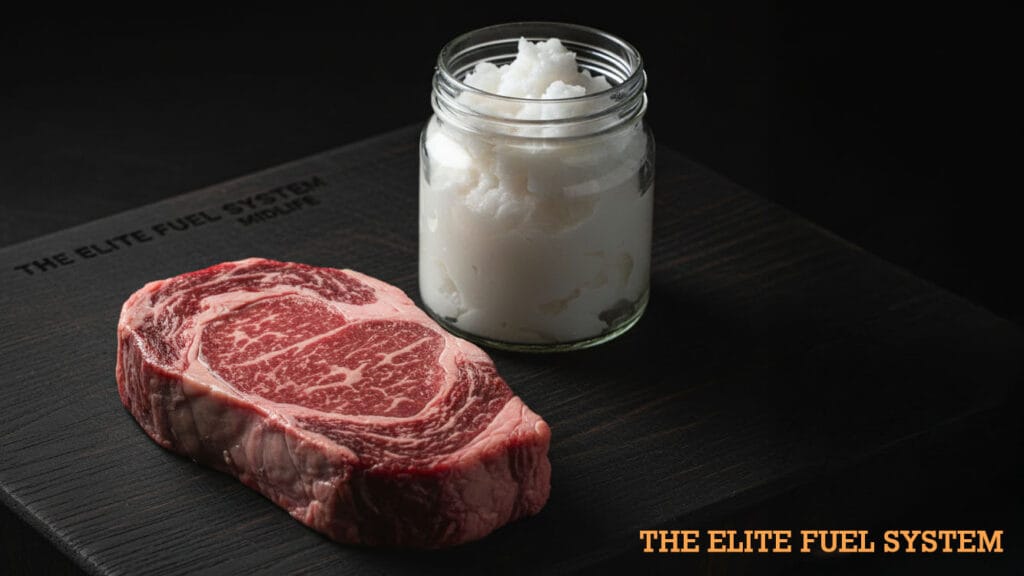
The cornerstone of an ancestral approach to reclaiming energy lies in what our predecessors prized above all else: nutrient-dense animal foods, consumed from nose to tail. For generations, we have been told to fear red meat and saturated fat, pushing us towards lean protein and plant-based alternatives. However, this advice has coincided with a dramatic rise in chronic fatigue and metabolic issues. To truly supercharge your cellular batteries, you must return to the most bioavailable sources of energy-critical nutrients on the planet.
- Ruminant Meat: The Powerhouse of the Pasture
Grass-fed beef, lamb, and bison are not just sources of protein; they are multi-nutrient powerhouses. Unlike their grain-fed counterparts, animals raised on pasture provide a superior nutritional profile. They are rich in high-quality, complete protein, which is essential for maintaining muscle mass – a key factor in metabolic health and energy levels, especially as we age.
More importantly, these meats are packed with nutrients vital for the Krebs cycle, your body’s primary energy production process. These include:
- Iron: Specifically, haem iron, the form most easily absorbed and utilised by the body. Iron is a critical component of haemoglobin, the protein in red blood cells that transports oxygen from your lungs to your tissues. Low iron means poor oxygenation, which directly translates to physical and mental fatigue. A 150g serving of grass-fed steak provides a significant portion of your daily iron needs.
- Vitamin B12: This vitamin is exclusively found in animal products and is absolutely non-negotiable for energy. It’s essential for forming red blood cells, neurological function, and DNA synthesis. A B12 deficiency is a common cause of profound fatigue and weakness. Plant-based diets require supplementation for this reason, but consuming red meat provides it in its most natural form.
- Zinc: This mineral acts as a cofactor for hundreds of enzymes in the body, including those involved in energy metabolism. It also plays a crucial role in thyroid function and hormone regulation, both of which are intrinsically linked to your energy levels in midlife.
- Organ Meats: Nature’s Multivitamin
If red meat is the powerhouse, organ meats are the supercharged generator. For millennia, cultures around the world revered organs like the liver, heart, and kidneys as the most sacred parts of the animal, often reserving them for warriors, pregnant women, and elders. We have lost this wisdom, much to our detriment.
- Beef Liver: Often called ‘nature’s multivitamin’, beef liver is arguably the most nutrient-dense food on earth. A mere 100g portion contains an incredible spectrum of energy-boosting nutrients in levels that dwarf most other foods. It is an unparalleled source of preformed Vitamin A (retinol), essential for immune and thyroid function. It boasts an astonishing amount of Vitamin B12 – several thousand per cent of your recommended daily intake. Furthermore, it’s packed with copper, folate, choline, and a highly absorbable form of iron. A unique component of the liver is Coenzyme Q10 (CoQ10), a compound that helps generate energy in your cells. Your body produces CoQ10, but its production tends to decrease with age, making dietary sources particularly valuable in midlife. If the taste is a challenge, you can start with small amounts minced into ground beef, try chicken livers, which have a milder flavour, or opt for high-quality desiccated liver capsules.
- Beef Heart: Don't be squeamish; the heart is a muscle, similar in texture to a steak but with an even more impressive nutritional profile. It is the single best food source of CoQ10, the spark plug for your cellular mitochondria. It is also incredibly rich in B vitamins, iron, and selenium. Eating a heart is quite literally eating a source of pure energy.
- Bone Broth: A slow-simmered broth made from animal bones and connective tissue is a deeply nourishing and restorative food. It’s a rich source of collagen and gelatin, which support gut health. An inflamed or leaky gut is a major, often hidden, drain on your body's energy resources. By healing the gut lining, bone broth allows for better nutrient absorption from all your foods. It’s also a fantastic source of electrolytes and minerals like glycine, an amino acid that can improve sleep quality. Better sleep is, without question, one of the most effective ways to boost daytime energy.
Incorporating these foundational foods provides your body with the raw materials it needs to build and sustain energy at a cellular level, moving beyond the fleeting energy of simple sugars and into a realm of deep, resilient vitality.
For decades, fat was public enemy number one. We were instructed to opt for low-fat everything, replacing nourishing traditional fats with processed vegetable and seed oils. This was a catastrophic mistake. Healthy fats are not only essential for health, but they are also a superior, long-lasting fuel source, particularly for navigating the metabolic shifts of midlife. When you reduce your intake of carbohydrates and increase your intake of healthy fats, you teach your body to become ‘fat-adapted’, burning fat (both dietary and stored) for fuel instead of relying on a constant drip-feed of glucose.
This metabolic state, known as ketosis, is the foundation of the Keto diet and a key principle in Paleo and Ancestral eating. The energy derived from fat, in the form of ketones, is clean and stable. It eliminates the blood sugar rollercoaster that causes cravings, mood swings, and the dreaded afternoon energy crash.
- Fatty Fish: A Treasure Trove of Omega-3
Oily fish like salmon, mackerel, anchovies, sardines, and herring (remember the acronym SMASH) are non-negotiable for midlife energy and brain health. Their primary benefit comes from their high concentration of the omega-3 fatty acids EPA (eicosapentaenoic acid) and DHA (docosahexaenoic acid).
- Anti-Inflammatory Power: Chronic, low-grade inflammation is a silent energy thief. It forces your immune system to work overtime, draining your resources. Omega-3s are potent anti-inflammatory agents that help to quell this internal fire, freeing up energy for other bodily processes.
- Brain Function: Your brain is nearly 60 per cent fat, and DHA is a major structural component. Adequate omega-3 intake is crucial for cognitive function, mood stability, and staving off the ‘brain fog’ that can plague midlife. An energised mind is just as important as an energised body.
- Cellular Health: Every single cell in your body is encased in a membrane made of fat. The fluidity and health of this membrane, which dictates how nutrients get in and waste gets out, is heavily influenced by the types of fats you eat. Omega-3s help to create healthy, supple cell membranes, which are fundamental for efficient energy transfer. Aim for two to three servings of oily fish per week.
- Ancestral Animal Fats: The Stable Satiators
These are the fats our great-grandparents cooked with, fats that are stable at high temperatures and provide deep nourishment.
- Tallow and Lard: Rendered beef fat (tallow) and pork fat (lard) from pasture-raised animals are excellent for cooking. They are rich in saturated and monounsaturated fats that provide a steady source of energy and fat-soluble vitamins like A, D, and K2, which work synergistically to support bone health and cardiovascular function.
- Ghee: This is clarified butter, where the milk solids have been removed, making it a great option for those with dairy sensitivities. Ghee is rich in butyrate, a short-chain fatty acid that is the preferred fuel source for the cells lining your colon, supporting gut health.
- Egg Yolks: Forget the egg-white omelette. The yolk is where the nutritional magic happens. Yolks from pasture-raised chickens are a brilliant orange colour, indicating a high concentration of nutrients, including choline (vital for brain health), vitamins A, D, E, and K2, and healthy saturated fat. They are a perfect, self-contained energy-boosting food.
- Plant-Based Healthy Fats
- Avocado: This fruit is a true superfood, packed with heart-healthy monounsaturated fat, fibre, and more potassium than a banana. The fat and fibre combination provides incredible satiety and a very slow, steady release of energy, keeping you full and energised for hours.
- Olives and Extra Virgin Olive Oil: A cornerstone of the Mediterranean diet, extra virgin olive oil is rich in monounsaturated fats and powerful antioxidants called polyphenols, which help combat oxidative stress – another major contributor to fatigue. Use it generously on salads and drizzle it over cooked foods, but avoid cooking with it at very high temperatures to preserve its delicate compounds.
- Coconut Oil and MCT Oil: Coconut oil contains medium-chain triglycerides (MCTs), a unique type of fat that is metabolised differently. Instead of being processed through the lymphatic system, MCTs go straight to the liver, where they can be rapidly converted into ketones for a quick and clean energy boost for both the body and the brain. MCT oil is a more concentrated form of these fats.
By shifting your primary fuel source from volatile glucose to stable fats, you create a metabolic environment of calm, sustained energy that will carry you effortlessly through your day.
While our primary focus for energy is on animal foods and healthy fats, plants play a vital supporting role. They provide a vast array of vitamins, minerals, fibre, and phytonutrients that support our energy pathways and protect our bodies from stress. However, the key is to choose wisely. We must prioritise non-starchy, low-glycaemic vegetables and a small amount of low-sugar fruit to gain the benefits without triggering the blood sugar spikes and crashes that we are trying so hard to avoid.
- Leafy Greens: The Magnesium Miracle
Spinach, kale, chard, rocket, and other dark leafy greens should be a daily feature in your diet. They are nutritional Goliaths, offering so much for so little in terms of calories or carbohydrates.
- Magnesium: These greens are one of the best dietary sources of magnesium, a mineral involved in over 300 biochemical reactions in the body, including the creation of ATP (adenosine triphosphate), the primary energy currency of your cells. It's estimated that a large percentage of the population is deficient in magnesium. Fatigue, muscle cramps, and poor sleep are classic signs. Increasing your intake through leafy greens can have a profound impact on your energy levels.
- Folate: This B vitamin is crucial for red blood cell formation and cellular repair. It works in tandem with Vitamin B12 to prevent certain types of anaemia that cause fatigue.
- Nitrates: Greens like rocket and beetroot greens are rich in dietary nitrates, which the body converts to nitric oxide. This molecule helps to relax blood vessels, improving blood flow and oxygen delivery throughout the body, which can enhance stamina and reduce fatigue.
- Cruciferous Vegetables: The Detoxifiers
Broccoli, cauliflower, Brussels sprouts, and cabbage belong to the cruciferous family. They are renowned for their health-promoting properties, which are particularly relevant for midlife hormonal balance and energy.
- Sulphur Compounds: These vegetables contain compounds like sulforaphane, which support the body’s natural detoxification pathways, particularly in the liver. A sluggish liver, burdened by environmental toxins or hormonal metabolites, can be a major source of fatigue. By supporting liver function, you are directly supporting your energy production.
- Fibre: The fibre in these vegetables feeds your beneficial gut bacteria. A healthy gut microbiome is essential for synthesising certain B vitamins, regulating your immune system, and even influencing your mood and energy through the gut-brain axis.
- The Colours of the Rainbow
Eating a wide variety of colourful vegetables ensures you get a broad spectrum of antioxidants and phytonutrients.
- Bell Peppers (especially red and yellow): Excellent source of Vitamin C, a powerful antioxidant that is essential for adrenal gland function. Your adrenal glands are central to your stress response and energy regulation.
- Asparagus: A great source of prebiotic fibre and folate.
- Courgettes and Cucumbers: Highly hydrating and provide key electrolytes.
- Low-Sugar Fruits: Berries
While most fruits are high in sugar and best limited on a low-carb, ancestral diet, berries are a fantastic exception. Raspberries, blackberries, blueberries, and strawberries are relatively low in sugar but incredibly high in fibre and antioxidants called anthocyanins, which give them their rich colours. These compounds help to protect your cells’ mitochondria – your energy factories – from damage caused by oxidative stress. A small handful of berries with some full-fat Greek yoghurt or coconut cream makes for a perfect, nutrient-dense, and energy-sustaining dessert or snack.
By focusing on these plant-based allies, you provide your body with the critical micronutrients and supportive compounds it needs to run efficiently, all while keeping your blood sugar stable and your energy levels high.
Conclusion: A Call to Nourishment
Navigating the demands of midlife requires a new strategy for energy – one that trades the fleeting, frantic buzz of sugar and processed carbohydrates for the deep, unwavering vitality that comes from real, ancestral nourishment. The fatigue you may be feeling is not an inevitable decline; it is a call from your body to return to the foods that are coded into your DNA.
We have seen that the path to reclaiming your spark lies in building a foundation upon the most nutrient-dense foods on the planet. By embracing grass-fed meats, a nose-to-tail philosophy that includes powerhouse organs like liver and heart, and the healing power of bone broth, you provide your cells with the essential building blocks for energy production: B12, haem iron, and CoQ10.
By shifting your fuel source to clean-burning, healthy fats from oily fish, avocados, and ancestral animal sources, you break free from the exhausting blood sugar rollercoaster. This provides stable, all-day energy, enhances brain clarity, and reduces the inflammation that silently saps your strength.
Finally, by complementing this foundation with a rainbow of low-glycaemic vegetables and berries, you flood your system with the vitamins, minerals, and antioxidants needed to protect your cellular machinery and support your body’s intricate hormonal and detoxification systems.
This is not a quick fix. It is a commitment to yourself. It is a decision to stop outsourcing your health to food manufacturers and to start investing in it with every meal. Begin small. This week, try sourcing some grass-fed beef from a local butcher. The following week, perhaps make a simple bone broth. The journey back to boundless energy starts with a single, nourishing choice. Listen to your body, feed it what it truly craves, and prepare to feel better than you have in years. Your most energetic, vibrant days are not behind you; they are waiting to be fuelled.
That moment. It happens to all of us. You walk into a room and forget why you’re there. You struggle to recall the name of a favourite actor. A word that was just on the tip of your tongue vanishes into the ether. In our 20s, we laugh it off. But in our 40s, 50s, or 60s, a cold whisper of fear can accompany that lapse: "Am I losing it? Is this the beginning of the end?" For generations, we’ve been fed a narrative of inevitable cognitive decline. The story goes that our brains peak in early adulthood and then it's a long, slow, downhill slide. Midlife, in this view, is the top of the hill right before the descent. But what if that story is fundamentally wrong? What if your brain in midlife isn't declining, but rather, waiting for new instructions?
The science of the last few decades has completely overturned this outdated model, thanks to a revolutionary concept: neuroplasticity. Neuroplasticity is the brain's incredible, innate ability to reorganise itself by forming new neural connections throughout life. It is the property that allows your brain to adapt, learn, and change in response to new experiences. And the exciting news is that this ability doesn't vanish after your 20s. In fact, understanding and harnessing neuroplasticity in midlife is one of the most powerful tools you have to not only stave off decline but to actively build a sharper, more resilient, and more engaged mind for the decades to come. This isn't about simply preserving what you have; it's about cultivating new growth. This comprehensive guide will debunk the myths about the midlife brain and provide you with actionable, science-backed strategies to leverage neuroplasticity for a vibrant second act.
What Really Happens to Your Brain in Midlife?
Before we can rebuild, we need to understand the true landscape of the middle-aged brain. The fear of decline is pervasive, fueled by those minor memory lapses and a cultural obsession with youth. But the reality is far more nuanced and, frankly, more hopeful than the myths suggest. The brain isn't breaking down; it's changing its operating system.
First, let's address the common complaints. Yes, some things do change. Your processing speed, the rate at which you can take in and react to information, may slow down slightly. This is why you might not be as fast at a video game as your teenage child. Fluid intelligence, which involves solving novel problems and thinking on your feet, can also see a modest dip. This might manifest as taking a bit longer to grasp a completely new software program or feeling a little less mentally nimble than you once did. These changes are real, but they are not the whole story. They are often mistaken for a sign of overall failure when they are merely shifts in function.
The incredible trade-off for this slight decrease in processing speed is a significant increase in what psychologists call crystallised intelligence. This is the accumulated knowledge, skills, and experience you've gained over a lifetime. It’s the wisdom to see the big picture, recognise patterns, and make shrewder judgments. While a 25-year-old might solve a problem faster, a 50-year-old is more likely to solve the *right* problem by drawing on a deep well of experience. Your brain becomes a master integrator, connecting disparate ideas in ways it couldn't in its youth. This is the brain of a seasoned CEO, an experienced manager, or a wise grandparent. It has shifted from raw speed to profound insight.
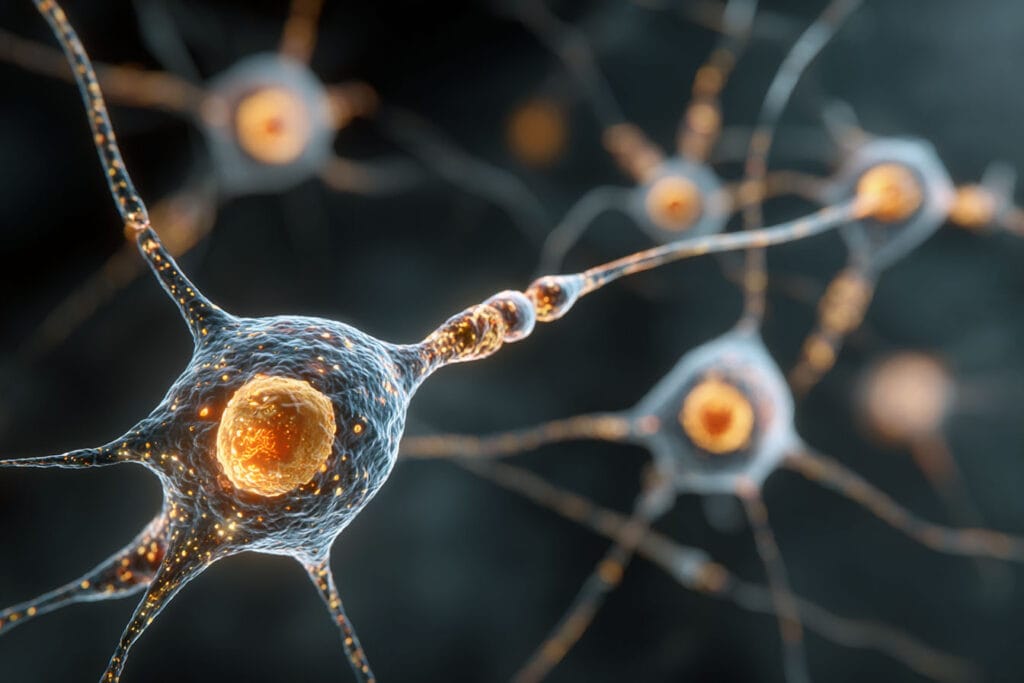
The engine driving all this potential is neuroplasticity. To understand it, imagine your brain is a vast, dynamic electrical grid. Every time you think, feel, or do something, a specific set of connections, or pathways, lights up. When you repeat an action or thought, that pathway gets stronger, wider, and more efficient, like a footpath being paved into a highway. This is synaptic plasticity—the strengthening of connections between neurons. Conversely, pathways you don't use become weaker, like an overgrown trail. But neuroplasticity is more than that. It also involves structural plasticity, where the brain can physically change its structure as a result of learning. For example, studies on London taxi drivers showed they had larger hippocampi (a brain region crucial for spatial memory) than the general population, developed as a result of memorising the city's labyrinthine streets. And while the rate slows down, we now know that neurogenesis, the birth of new brain cells, continues to occur in key areas of the adult brain throughout life. The key takeaway is this: your brain is not a static organ. It is a living, adapting entity, constantly remodelling itself based on the demands you place upon it. This is why harnessing neuroplasticity in midlife is a game-changer. It means you are the architect of your future brain.
The Four Pillars: How to Actively Boost Neuroplasticity After 40
Knowing that your brain can change is empowering. But knowledge alone isn't enough. To truly spark a renaissance in your midlife brain, you need to engage in the specific activities that promote neural growth and rewiring. Think of it as a well-rounded fitness regimen for your mind. Decades of research have shown that a combination of specific lifestyle factors provides the most fertile ground for neuroplasticity. We can group these into four essential pillars: Novelty and Learning, Physical Movement, Rest and Recovery, and Social Connection.
Pillar 1: Embrace Novelty and Lifelong Learning
The enemy of a plastic brain is autopilot. When you do the same things day in and day out, your brain uses its well-worn, efficient neural highways. It’s easy, but it doesn't foster new growth. To build new pathways, you must step off the familiar road and into the wilderness of the unknown. Novelty and complex, effortful learning are the primary signals that tell your brain it's time to build. The challenge is the catalyst. This isn't about passively consuming information, like watching a documentary. It’s about active, focused engagement.
Actionable strategies include:
- Learn a musical instrument. This is a neuroplasticity powerhouse. It combines fine motor skills, auditory processing, memory, and pattern recognition into one complex activity.
- Study a new language. This forces your brain to build entirely new circuits for sound, grammar, and vocabulary, enhancing cognitive flexibility and executive function.
- Take a class on a subject far outside your comfort zone. If you're an accountant, study art history. If you're a writer, learn to code. The unfamiliarity is what triggers the most significant brain changes.
- Change your daily routines. Simple acts like brushing your teeth with your non-dominant hand, taking a different route to work, or rearranging your office furniture can jolt your brain out of its rut.
- Read challenging books. Instead of your usual genre, pick up a book on theoretical physics, a dense historical biography, or a classic philosophical text that requires your full concentration.
Pillar 2: Move Your Body to Change Your Mind
For too long, we've viewed physical exercise as something exclusively for the body. The science is now irrefutable: movement is one of the most potent stimulators of brain health and plasticity. When you engage in physical activity, you increase blood flow to the brain, delivering vital oxygen and nutrients. More importantly, you trigger the release of a remarkable protein called Brain-Derived Neurotrophic Factor (BDNF). Neuroscientists often refer to BDNF as "Miracle-Gro for the brain" because it supports the survival of existing neurons and encourages the growth of new neurons and synapses. An abundance of BDNF is directly linked to improved learning, better memory, and higher-level thinking.
Actionable strategies include:
- Prioritise aerobic exercise. Activities that get your heart rate up, like brisk walking, jogging, cycling, or swimming, are fantastic for boosting BDNF production. Aim for at least 150 minutes of moderate-intensity cardio per week.
- Incorporate strength training. Lifting weights or doing bodyweight exercises two to three times a week has been shown to improve executive function, attention, and memory.
- Learn complex motor skills. Activities that challenge both your body and your mind are doubly effective. Think of dancing, which requires learning steps and coordinating with a partner, or practices like yoga and tai chi, which combine movement, balance, and mindfulness.
Pillar 3: The Power of Rest, Sleep, and Mindfulness
Your brain doesn't build new connections only when it's active. A huge amount of the crucial work happens when you are at rest. Sleep is not a passive state; it's a critical period of memory consolidation and brain maintenance. During deep sleep, your brain replays the day's events, strengthening the important neural connections you've made and pruning the less important ones. Furthermore, a "glymphatic system" in the brain becomes highly active during sleep, acting like a waste-disposal crew to clear out metabolic byproducts and toxins, including the amyloid-beta plaques associated with Alzheimer's disease. Chronic stress is the direct antagonist of this process. High levels of the stress hormone cortisol can damage the hippocampus, the very region vital for learning, memory, and neurogenesis.
Actionable strategies include:
- Make sleep a non-negotiable priority. Aim for 7-9 hours of high-quality sleep per night. Create a relaxing bedtime routine and a dark, cool, and quiet sleep environment.
- Practice mindfulness or meditation. Even 10-15 minutes a day can have a profound impact. Research shows that regular meditation can physically change the brain, increasing grey matter density in areas associated with focus, emotional regulation, and self-awareness, while reducing it in the amygdala, the brain's fear centre.
- Take strategic breaks. In our "always-on" culture, we often forget to simply let our minds wander. Step away from your screens, go for a short walk, or just sit and stare out the window. This "diffuse mode" of thinking is often when our brains make creative connections.
Pillar 4: Cultivate Strong Social Connections
Humans are fundamentally social creatures. Meaningful interaction with others is not a luxury; it is a biological necessity for a healthy brain. Socialising is an incredibly complex cognitive workout. A single conversation requires you to listen, process language, interpret non-verbal cues, access memories, formulate your own thoughts, and practice empathy. It engages multiple brain regions simultaneously. Conversely, chronic loneliness is a significant risk factor for cognitive decline, acting as a form of chronic stress that is as damaging to your health as smoking 15 cigarettes a day.
Actionable strategies include:
- Schedule dedicated time with friends and loved ones. Don't let relationships fall to the bottom of your to-do list. Treat a coffee with a friend with the same importance as a business meeting.
- Join a group or club. Whether it's a book club, a hiking group, a choir, or a sports team, joining a community built around a shared interest provides regular, structured social interaction.
- Volunteer for a cause you care about. This not only connects you with others but also provides a deep sense of purpose, which is another factor strongly linked to brain health and longevity.
Navigating the Roadblocks: Overcoming Common Midlife Challenges
Knowing what to do is one thing; actually doing it amidst the chaos of midlife is another. This is often the period of peak career responsibility, the "sandwich generation" years of caring for both children and ageing parents, and a host of other pressures. It’s easy for brain health to feel like a luxury you can't afford. Acknowledging and planning for these hurdles is key to your success.
The first major hurdle is the "I'm Too Busy" trap. The thought of adding "learn Mandarin" or "join a dance class" to an already overflowing schedule can feel impossible. The solution here is to reframe the objective and start small. This is not about adding another massive, stressful commitment. It’s about integrating small, neuroplasticity-boosting habits into the life you already have. You don't need to train for a marathon; a 20-minute brisk walk during your lunch break is a fantastic start. You don't need to become fluent in a language in six months; 10 minutes on a language app during your commute is a win. The goal is consistency, not perfection. Think of it as a vital investment in your future self, as important as funding your retirement account.
The second roadblock is the insidious fixed mindset, the deeply ingrained belief that your abilities are set in stone. It’s the voice in your head that says, "I'm just not good at music," or "I'm too old to learn that." This belief is the biggest killer of neuroplasticity. To counter it, you must actively cultivate a "growth mindset," a concept championed by psychologist Carol Dweck. A growth mindset understands that abilities can be developed through dedication and hard work. It reframes challenges as opportunities for growth and sees failure not as a verdict but as a data point for learning. When you feel frustrated trying to learn a new skill, remind yourself that the feeling of struggle is the physical sensation of your brain forging new connections. The effort itself is the victory.
Finally, we must confront the fear of failure. As children, we are fearless learners, constantly falling and getting back up. As adults, we become self-conscious and terrified of looking foolish. The idea of being a clumsy beginner in a yoga class or stumbling through a sentence in a new language can be paralysing. The solution is to intentionally seek out low-stakes environments. Join a class specifically for beginners, where everyone is in the same boat. Remind yourself that the primary goal is not to achieve mastery (though that can be a wonderful side effect). The goal is the process. The very act of trying, of engaging your brain in a new and challenging way, is what builds the cognitive reserve and resilience you're seeking.
Your Brain's Next Chapter: The Promise of Neuroplasticity in Midlife
Midlife is not a pre-written tragedy of decline. It is an open invitation for transformation. The narrative that your best brain years are behind you is a myth that you now have the power to discard. The truth, backed by a mountain of scientific evidence, is that your brain retains a remarkable capacity for change, growth, and renewal. The power of neuroplasticity in midlife means you are not just a passive passenger in your own ageing process; you are the active pilot.
Let's leave the old story behind. The story is where midlife is about clinging to the past and bracing for the future. The new story is one of active creation. It’s a story where you can learn that instrument, speak that language, and build a mind that is more flexible, resilient, and insightful than ever before. The key is intentional action. By consistently engaging with the four pillars—embracing novel learning, moving your body, prioritising rest and mindfulness, and nurturing your social bonds—you provide your brain with the raw materials it needs to rewire itself for a vibrant and fulfilling second half.
Midlife is not an ending. It is a launchpad. With a deeper understanding of your brain's incredible potential, you can make this chapter of your life the most dynamic, engaging, and intellectually rich one yet. The path forward is clear. The only question left is: What new challenge will you give your brain today?
Used to monitor number of Google Analytics server requests when using Google Tag Manager
1 minute
_gid
ID used to identify users for 24 hours after last activity
24 hours
_ga_
ID used to identify users
2 years
_gali
Used by Google Analytics to determine which links on a page are being clicked
30 seconds
_ga
ID used to identify users
2 years
__utmx
Used to determine whether a user is included in an A / B or Multivariate test.
18 months
__utmv
Contains custom information set by the web developer via the _setCustomVar method in Google Analytics. This cookie is updated every time new data is sent to the Google Analytics server.
2 years after last activity
__utmz
Contains information about the traffic source or campaign that directed user to the website. The cookie is set when the GA.js javascript is loaded and updated when data is sent to the Google Anaytics server
6 months after last activity
__utmc
Used only with old Urchin versions of Google Analytics and not with GA.js. Was used to distinguish between new sessions and visits at the end of a session.
End of session (browser)
__utmb
Used to distinguish new sessions and visits. This cookie is set when the GA.js javascript library is loaded and there is no existing __utmb cookie. The cookie is updated every time data is sent to the Google Analytics server.
30 minutes after last activity
__utmt
Used to monitor number of Google Analytics server requests
10 minutes
__utma
ID used to identify users and sessions
2 years after last activity
_gac_
Contains information related to marketing campaigns of the user. These are shared with Google AdWords / Google Ads when the Google Ads and Google Analytics accounts are linked together.