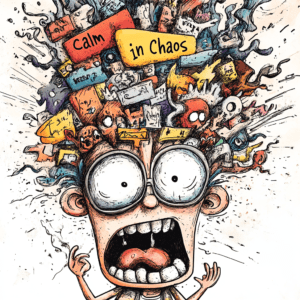
Why Sober Living Doesn’t Have to Be Lonely. Let’s get real for a second: recovery is a beast. It’s messy and uncomfortable.
Some days, it straight-up feels like climbing a mountain barefoot with a fridge strapped to your back.
And if you’re like me, you probably started this journey thinking, “I’ve got this. I don’t need anyone’s help. Lone wolf vibes, let’s go.”
Look, I get it. Doing things your way? That’s badass. Taking control of your own life? Even more badass. But here’s the thing—and trust me, this took me way too long to figure out—going it alone might feel empowering at first, but eventually, it can feel like shouting into the void. Recovery isn’t a one-man (or woman) job. It’s a team sport. And let me tell you, finding your people is a game-changer.
1. You’re Not Alone in This Journey
One of the worst parts of sober living is that nagging feeling that no one really understands what you’re going through. Like, who gets why the sound of a wine bottle popping open at a dinner party makes your palms sweaty? But let me tell you—when you join a recovery community, you realize you’re far from alone. Everyone in the group has been in the trenches. They’ve had those “one drink won’t hurt” lies pop into their heads. They’ve fought the same demons. And suddenly, you’re not the only one battling this anymore.
When you hear someone share their story that mirrors your own, it’s like a light bulb goes off. You feel seen, heard, and understood in ways you didn’t think were possible. It’s not just about shared struggles, but also shared victories. The simple act of knowing you’re not alone can be enough to pull you through the toughest days.
2. Build Your Path With Support
Here’s what I used to think: joining a community meant handing over my independence, having people tell me how to live my life, or following some cookie-cutter recovery formula. Nah, mate, that’s not it at all. A good community doesn’t tell you what to do—it just has your back while you do it your way. You’re still the captain of your ship; you’ve just got a crew making sure you don’t crash into an iceberg.
Being part of a group often reinforces your ability to lead your own journey. They’re there to bounce ideas off, to encourage you when self-doubt creeps in, and to remind you of your progress when you’re too caught up in the daily grind to see it yourself. Support doesn’t mean losing control; it means gaining confidence.
3. Save Time With Shared Wisdom
Let’s face it, staying sober is full of trial and error. What works? What doesn’t? How do you handle cravings, triggers, or awkward sober first dates? You can spend months figuring it out alone, OR you can join a group and tap into a goldmine of experience. Communities often share practical tips like how to navigate social events without drinking, strategies for managing stress, and even suggestions for fun sober activities. These are people who’ve already made the mistakes so you don’t have to. Trust me, it’s a shortcut you want to take.
I remember asking a group once how to handle family gatherings when everyone else was drinking. The advice ranged from bringing your own sparkling water to having a planned exit strategy if things got uncomfortable. Hearing real, actionable tips from people who’d been there made me feel equipped and empowered in ways no self-help book ever could.
Another time, someone shared their secret to managing work events where alcohol was flowing freely. They suggested arriving early, engaging in meaningful conversations before the drinking started, and always keeping a non-alcoholic drink in hand to avoid unwanted questions. It’s small tips like these that can make daunting situations feel manageable and even enjoyable.
4. Accountability Without Pressure
Look, we’re all human. We have bad days. We mess up. That’s just life. But when you’re in a community, you’ve got people who actually care about your progress. They’ll call you out—lovingly—when you’re about to make a decision you’ll regret, and they’ll remind you why you started this journey in the first place. It’s not about judgment; it’s about having people who won’t let you sell yourself short.
Accountability isn’t just about avoiding mistakes—it’s about celebrating wins, no matter how small. Whether it’s your first sober weekend or your 100th, having people who genuinely cheer you on makes all the difference. Knowing someone’s in your corner can be the motivation you need to push through when things get tough.
5. Community Makes Recovery Fun
Yeah, I said it—fun. Sober living doesn’t have to be all doom and gloom. In a community, you’ve got people who are there to celebrate your wins, laugh with you when you do something awkwardly sober (like trying to dance at a wedding without a drink in your hand), and remind you that this whole thing isn’t just about quitting booze—it’s about building a life you love.
I remember one time, at a sober meetup, someone organized a karaoke night. It started with nervous laughs and ended with a room full of people belting out old classics and cheering each other on. Moments like these show that connection and joy are integral parts of recovery.
Communities often plan events that show how vibrant sober life can be—hiking trips, potluck dinners, art classes, you name it. Some groups even organize cooking classes where members can share recipes and bond over creating delicious, alcohol-free meals. Others offer group yoga sessions, combining mindfulness with movement to promote both physical and mental health. It’s about rediscovering the joy in life without needing alcohol as a crutch. And honestly? It’s way more fun than you’d expect.
6. Be the Inspiration Someone Else Needs
One of the best parts? You’re not just taking from the group—you’re giving, too. Your story, your progress, your little moments of success—they can be the exact thing someone else needs to hear to get through their hardest day. You have no idea how powerful your journey can be until you see how it impacts someone else.
Being part of a recovery community means becoming a role model in ways you never imagined. Every time you show up, you’re proving that sobriety is possible, even when it feels impossible. Your courage becomes contagious, and that ripple effect can change lives.
Why the Lone Wolf Mentality Doesn’t Work for Sober Living
I used to think being a lone wolf was the strong, badass thing to do. It felt like taking complete ownership of my life—no one to judge me, no one to let down, no one to rely on but myself. But underneath that tough exterior was fear—fear of vulnerability, fear of failure, and even fear of admitting I needed help.
The truth is, that many people choose the lone wolf approach because it feels safer. When you rely on no one, no one can hurt you. But that safety is an illusion. Over time, the isolation takes a toll—mentally, emotionally, and even physically. It becomes harder to stay motivated, harder to find joy, and harder to fight the battles that sobriety demands.
Transitioning out of that mindset isn’t easy, but it’s worth it. Start small: reach out to one person, attend one meeting, or join one online forum. Every little step chips away at the isolation. Soon, you’ll realize that connecting with others isn’t a weakness—it’s a strength. Recovery doesn’t mean losing your independence; it means finding the support to stand even stronger.
Join Us for Sober Living Support
If you’re ready to take the pressure off and stop going it alone, come join us in Sober Beyond Limits. Joining this group can give you immediate access to people who understand, advice that works, and the kind of support that makes recovery feel less like a struggle and more like a transformation. You’ll gain emotional validation from people who truly get it, along with practical resources to help you navigate the challenges of sober living. We’re a group of people who’ve been through the same journey and are here to help you do things YOUR way—with a little extra support, a lot less judgment, and maybe even a laugh or two.
Week One of Sobriety: The Hard Truths, Small Victories, and What I Wish I Knew Before I Started. It’s been seven days since I took my last drink. A week might not sound like much to some people, but if you’ve ever faced addiction, you’ll know it can feel like climbing Everest barefoot.
Sobriety isn’t just about stopping drinking—it’s about understanding the reasons you started in the first place. It’s about facing your past, embracing your present, and building a future that feels meaningful and true. It’s a journey that’s far from easy, but one that’s undoubtedly worth it.
In this post, I’m sharing the truths of the first week of sobriety—the raw challenges, the small but powerful victories, and the moments of clarity that shine through when the fog starts to lift. This isn’t just my story; it’s a guide shaped by lived experience, honest reflections, and insights from those who’ve walked this road before.
Whether you’re on Day One, or still deciding if you’re ready to start, this is for you.
🧠 Day 1: The Decision to Quit
There’s no perfect day to quit drinking. No calendar date that suddenly feels right. For me, it was less of a grand moment and more of a quiet, desperate whisper: “Enough is enough.”
The first 24 hours were a mix of relief, anxiety, and fear. Relief because I’d finally made the decision. Anxiety because my brain was already trying to convince me I’d fail. And fear because… what if sobriety didn’t fix anything?
The cravings were relentless. My body ached, my hands shook, and my mind wouldn’t settle. I spent hours pacing around my flat, drinking endless glasses of water and trying to focus on anything but the gnawing voice in my head. At one point, I grabbed a stress ball and squeezed it so tightly that my hand hurt, just to channel the nervous energy somewhere. When that didn’t help, I turned to guided breathing exercises I’d previously used and have written about on the blog. Inhale for four seconds, hold for four, exhale for four—it initially felt silly, but it slowed my racing thoughts.
The Truth:Making the decision is the easiest part of Day One. Sticking to it through the cravings, the headaches, and the voice in your head that says, “Just one drink won’t hurt,”—that’s the hard bit.
The Win:I made it through Day One without a drink. And if you’ve done the same, that’s something to be proud of.
Key Takeaway: Tell someone about your decision. Whether it’s a friend, a family member, or an online community—accountability makes all the difference.
I also started journaling on Day One. Scribbling down every thought, every craving, every fleeting moment of clarity helped anchor me in reality.
🛡️ Day 2-3: Withdrawal and the Mind Games Begin
Let’s be honest: the second and third days were rough. Withdrawal symptoms kicked in—headaches, nausea, restlessness, and a sense of unease that I couldn’t shake. My body was asking, “Where’s the thing we rely on to feel normal?”
The nights felt endless. I would lie in bed staring at the ceiling, drenched in sweat, my mind spinning with intrusive thoughts.
“What if I’ve ruined too much already?” “What if sobriety doesn’t make me happy?” “What if I’m not strong enough for this?”
During these days, I leaned heavily on distraction techniques. I went for long walks, took cold showers, and listened to podcasts about recovery. Hearing other people’s stories reminded me I wasn’t alone.
One technique that stood out for me was creating a “mindful walk” routine. Instead of walking aimlessly, I focused on every step I took—the way my feet felt against the pavement, the sound of birds overhead, and the rhythm of my breathing. If my mind started racing, I’d pause, take a deep breath, and remind myself to notice something around me, like the colour of a leaf or the way the light filtered through the trees. It felt grounding, almost meditative, and it helped me shift my focus away from cravings and discomfort.
The Truth:Your brain and body are recalibrating. It’s messy, uncomfortable, and sometimes terrifying—but it’s necessary.
The Win:I made it through without giving in to the voice in my head telling me to numb the discomfort with a drink.
Key Takeaway: Stay hydrated, eat well (even if you don’t feel like it), and keep reminding yourself: that this will pass.
🌅 Day 4-6: Emotional Waves and Small Triumphs
Day 4: Emotional Floodgates Open
The physical discomfort started to ease slightly, but emotionally, I felt like I’d been cracked wide open. Every emotion I’d buried under alcohol started bubbling to the surface—anger, sadness, regret. I found myself crying over small things, but those tears felt like tiny releases of pain I’d been carrying for years.
At one point, I stumbled across an old journal from years ago. Reading my own words from a time before alcohol had taken such a strong hold on my life was a gut-wrenching experience. The hopes, the dreams, the optimism—it was all still there on those pages, waiting for me to reclaim them. It was a moment of deep sadness, but also one of profound hope.
I also started using guided meditations specifically focused on emotional release. Sitting quietly and allowing myself to truly feel the sadness, rather than running from it, was hard—but it helped.
The Truth:Emotions, even the painful ones, are not your enemy. They are messengers that need to be heard.
The Win:I faced emotions I’d been running from for years—and survived.
Key Takeaway: Allow yourself to feel everything without shame. Your emotions are valid, and processing them is a vital step toward healing.
Day 5: A Fleeting Moment of Peace
On Day 5, I had my first fleeting moment of genuine peace. I was drinking tea by the window, watching the world go by. It felt like a pause—a brief moment where everything felt still and okay.
It was such a simple moment, but it felt monumental. My mind wasn’t racing, my chest wasn’t tight, and I wasn’t preoccupied with thoughts of alcohol. I realized that peace doesn’t have to come in grand gestures or life-changing events—it can exist in a single sip of tea, in a moment of stillness.
Later, I went for a walk on the canal. I noticed details I’d usually overlook—the way the light played on the leaves. Sobriety had given me back the ability to notice life.
The Truth:Moments of peace might be brief at first, but they are incredibly powerful.
The Win:For a few precious moments, I felt at ease in my skin.
Key Takeaway: Notice and appreciate those small, peaceful moments. They are stepping stones to something greater.
Day 6: The Fog Begins to Lift
The mental clarity on Day 6 was profound. I could think straight. I started making a list of goals I wanted to achieve and dreams I’d long forgotten.
For the first time in years, I felt like I was in control of my thoughts. The constant chatter in my brain had quieted down, and in its place was a sense of purpose. I spent part of the day writing down both short-term and long-term goals. Things like repairing relationships, prioritizing my health, and even learning a new skill.
I also found myself being more patient—with myself and with others. I didn’t snap at minor inconveniences, and I wasn’t overwhelmed by frustration. It felt like I had a little extra space in my mind to process things before reacting.
Another small but significant change: I started sleeping better. The restless, sweat-soaked nights had begun to ease, and I was able to fall asleep without the usual wave of anxiety.
The Truth:Clarity doesn’t mean all your problems disappear—it means you can face them with a steadier mind.
The Win:I felt hopeful about my future for the first time in years.
Key Takeaway: Take note of your progress, no matter how small. Every moment of clarity is a gift.
🌟 A Community for Support: The Mindful Sobriety Collective
One of the most valuable tools I’ve discovered on this journey is the power of community. That’s why I created the Mindful Sobriety Collective on Facebook. It’s a space where I share the tools that have helped me—guided meditations, journal prompts, mindfulness exercises, and honest reflections.
This group isn’t just about tips and tricks—it’s about connection. It’s about having a safe space to share your story, celebrate your wins, and ask for support on tough days.
If you’re navigating sobriety or even just considering it, I’d love to see you there. You’re not alone, and together, we can keep showing up for ourselves, one day at a time.
Addiction, Alcoholism, and Alcoholic Tendencies: Understanding the Spectrum and Finding Your Path to Recovery. Alcohol consumption exists along a complex spectrum, from casual use to full-blown dependency. Understanding the distinctions between alcoholic tendencies, alcoholism, and addiction isn’t just academic—it’s a lifeline. These differences play a crucial role in determining the right treatment path, setting realistic recovery goals, and fostering self-awareness. Whether someone needs early intervention, medical treatment, or long-term behavioural support, recognizing where they fall on this spectrum is the first step towards meaningful change. For anyone questioning their relationship with alcohol, this clarity can illuminate the road to recovery, guide effective intervention strategies, and inspire meaningful change.
Alcohol misuse is rarely a linear issue; it often unfolds in cycles of denial, realization, action, and relapse. Each stage brings its own challenges and requires different tools for support. Recognizing where you are on this spectrum is not about self-judgment—it’s about building a foundation for growth. From identifying early warning signs to embracing long-term recovery, every step forward is valuable.
In this post, we’ll break down these terms, explore their impacts, and share personal reflections on navigating this challenging landscape. Whether you’re here for yourself, a loved one, or simply to deepen your understanding, you’re in the right place.
What Are Alcoholic Tendencies? Recognizing Early Warning Signs
Definition: Alcoholic tendencies describe recurring patterns of alcohol use that raise concerns but have not yet developed into full physical or psychological dependence.
Signs of Alcoholic Tendencies:
Regular binge drinking
Using alcohol as an emotional escape
Struggling to control intake in social settings
Relying on alcohol to manage stress or anxiety
Experiencing mild withdrawal symptoms, such as irritability or sleep issues
Impact on Life and Relationships: These patterns can gradually erode emotional stability, strain family dynamics, and create cycles of guilt and regret. For example, a parent who frequently drinks to excess might miss important family events or become emotionally unavailable, leading to feelings of abandonment in their children and tension with their partner. Over time, unchecked tendencies may evolve into dependency, making intervention more challenging.
Example: Someone who drinks excessively every weekend but abstains during the week may exhibit early-stage alcoholic tendencies.
Preventative Steps:
Seeking therapy or counseling
Exploring Healthier Coping Mechanisms
Establishing boundaries for alcohol consumption
Building supportive social circles
Long-Term Risks: If left unaddressed, these patterns can escalate into dependency or addiction, causing significant physical and emotional harm. Early intervention isn’t a sign of weakness—it’s a courageous step towards reclaiming control.
What Is Alcoholism? When Drinking Becomes Dependency
Definition: Alcoholism, or Alcohol Use Disorder (AUD), is a chronic medical condition characterized by an inability to regulate alcohol consumption despite harmful consequences.
Signs of Alcoholism:
Physical withdrawal symptoms when not drinking
Prioritizing alcohol over responsibilities and relationships
Increased tolerance requires higher amounts to feel the same effects
Inability to stop drinking despite repeated attempts
Obsessive thoughts about alcohol
The Physical and Emotional Toll: Chronic alcohol abuse can cause liver damage, cardiovascular disease, neurological impairments, and heightened risks of mental health conditions such as depression and anxiety. It often exacerbates existing emotional trauma, making it harder to break free from the cycle.
Example: Someone who begins each day with a drink to manage withdrawal symptoms is likely struggling with alcoholism.
The Role of Denial: Denial is a powerful obstacle in addressing alcoholism. Many individuals rationalize their drinking patterns, believing they still have control, even as their health and relationships deteriorate.
Recovery Pathways:
Medical detox programs
Cognitive-behavioral therapy (CBT)
Peer support groups like AA or SMART Recovery
Ongoing accountability partnerships
Alcoholism is not a moral failing; it’s a medical condition. Seeking help is the first step toward healing, and professional support can provide the tools needed to rebuild a fulfilling life.
What Is Addiction? Beyond Alcoholism
Definition: Addiction is a chronic disorder characterized by compulsive substance use or behaviour despite negative consequences. While alcoholism is a specific form of addiction, the term extends to drugs, gambling, technology, and more.
Key Indicators of Addiction:
Persistent cravings
Increased tolerance
Emotional dependency
Neglecting responsibilities or hobbies
Continued use despite consequences
Wider Scope of Addiction: Unlike alcoholism, addiction isn’t limited to substances. Behavioural addictions—such as gambling, social media use, or compulsive eating—activate the same reward pathways in the brain as substance abuse. Both forms of addiction can trigger dopamine releases, reinforcing compulsive behaviour and making it difficult to break free without intervention. This overlap in brain chemistry explains why behavioural and substance addictions often share similar patterns of cravings, withdrawal symptoms, and cycles of dependency.
Example: An individual who continues drinking despite severe health warnings and repeated attempts to quit may have transitioned into addiction.
Addiction recovery isn’t about willpower alone; it’s about building a support system, addressing root causes, and learning sustainable coping mechanisms.
Alcoholic Tendencies vs. Alcoholism vs. Addiction: What Sets Them Apart?
Alcoholic Tendencies: Early warning signs without established physical dependence.
Alcoholism: A medical condition marked by physical and psychological reliance on alcohol.
Addiction: A broader disorder encompassing dependence on substances or behaviours.
Understanding where you or a loved one falls on this spectrum is not about labelling—it’s about finding clarity and choosing the right path forward.
Ian’s Reflection: Where I See Myself in This Journey
Drinking wasn’t always an issue for me—until it was. At first, it was easy to dismiss the growing reliance on alcohol as just blowing off steam or managing stress. But over time, the cracks began to show, and the consequences became harder to ignore. I wasn’t the guy cracking open a can first thing in the morning. My day always started with a good, strong cup of tea. But when alcohol was there, I’d drink it all.
Recovery isn’t linear. It’s messy, uncomfortable, and deeply personal. But every time I start again, I’m reminded: This path is worth walking.
Join our Mindful Sobriety Collective on Facebook at Mindful Sobriety Collective. Members can expect shared experiences, practical recovery tips, and a safe space to discuss challenges and victories.
Recovery isn’t just about stopping—it’s about building a life worth staying sober for.
Used to monitor number of Google Analytics server requests when using Google Tag Manager
1 minute
_gid
ID used to identify users for 24 hours after last activity
24 hours
_ga_
ID used to identify users
2 years
_gali
Used by Google Analytics to determine which links on a page are being clicked
30 seconds
_ga
ID used to identify users
2 years
__utmx
Used to determine whether a user is included in an A / B or Multivariate test.
18 months
__utmv
Contains custom information set by the web developer via the _setCustomVar method in Google Analytics. This cookie is updated every time new data is sent to the Google Analytics server.
2 years after last activity
__utmz
Contains information about the traffic source or campaign that directed user to the website. The cookie is set when the GA.js javascript is loaded and updated when data is sent to the Google Anaytics server
6 months after last activity
__utmc
Used only with old Urchin versions of Google Analytics and not with GA.js. Was used to distinguish between new sessions and visits at the end of a session.
End of session (browser)
__utmb
Used to distinguish new sessions and visits. This cookie is set when the GA.js javascript library is loaded and there is no existing __utmb cookie. The cookie is updated every time data is sent to the Google Analytics server.
30 minutes after last activity
__utmt
Used to monitor number of Google Analytics server requests
10 minutes
__utma
ID used to identify users and sessions
2 years after last activity
_gac_
Contains information related to marketing campaigns of the user. These are shared with Google AdWords / Google Ads when the Google Ads and Google Analytics accounts are linked together.